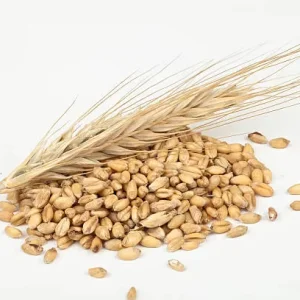
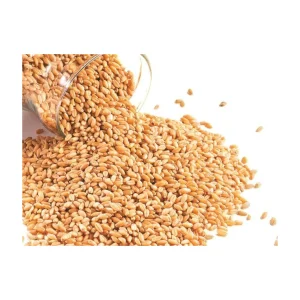
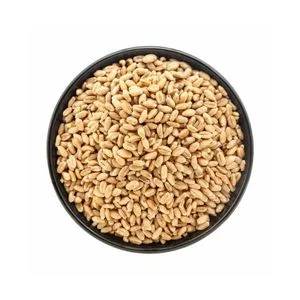
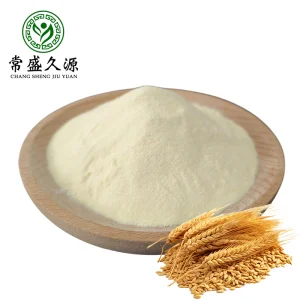
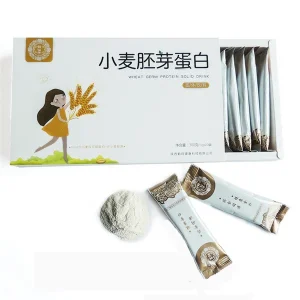
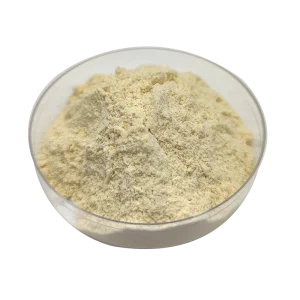
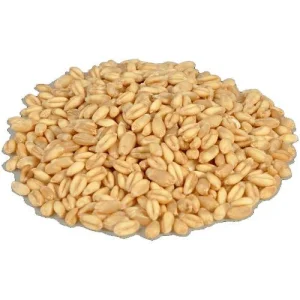
Featured Commercial Wheat Protein Ingredients
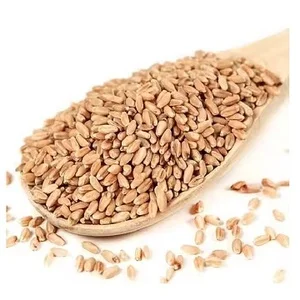
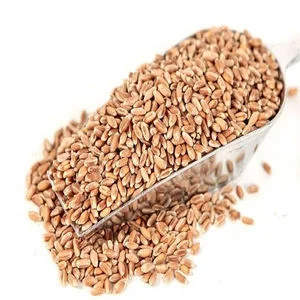
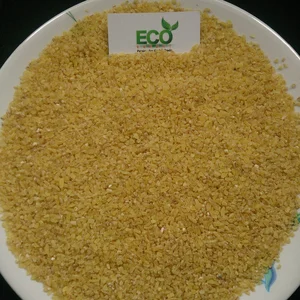
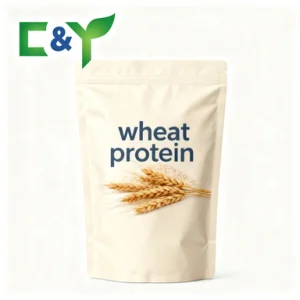
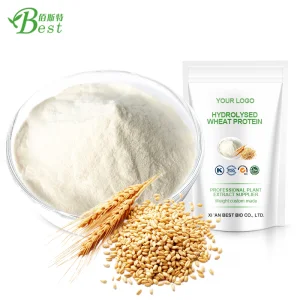
Premium grade raw wheat grains, processed proteins, dietary supplements, and customized food formulations available for bulk import and international supply chains.
Understanding Modern Wheat Protein Extraction
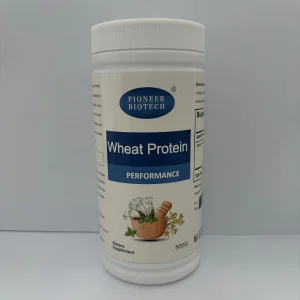
Wheat protein is a complex plant-derived macronutrient primarily composed of two main protein fractions: gliadin and glutenin. Together, these elements form the cohesive, viscoelastic network known as gluten when hydrated. From an industrial perspective, raw wheat flour undergoes advanced wet-milling fractionation processes to yield high-purity protein products. Depending on the level of enzymatic processing and purification, manufacturers differentiate these into three primary categories: Vital Wheat Gluten (VWG), Hydrolyzed Wheat Protein (HWP), and Wheat Protein Isolate (WPI).
Each classification satisfies specific technical requirements. For instance, vital wheat gluten is highly valued for its water absorption and elasticity, properties essential for texturized plant proteins and artisanal baking. Alternatively, hydrolyzed wheat proteins undergo controlled enzymatic hydrolysis to cleavage peptide bonds, converting large, insoluble proteins into highly soluble, low-molecular-weight peptides. This form is ideal for beverage formulations, cosmetic emulsifiers, and rapid-absorption food supplements.
Corporate Overview: Dongguan Tsrel Biology Co., Ltd.
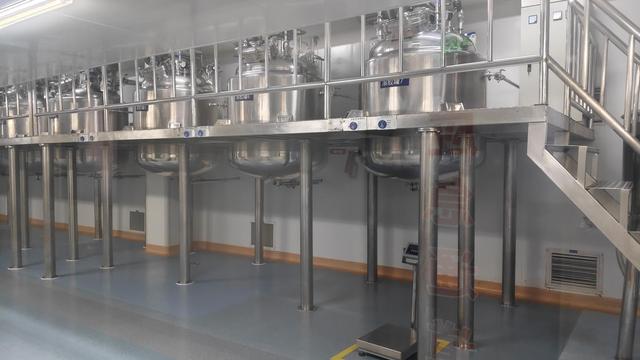
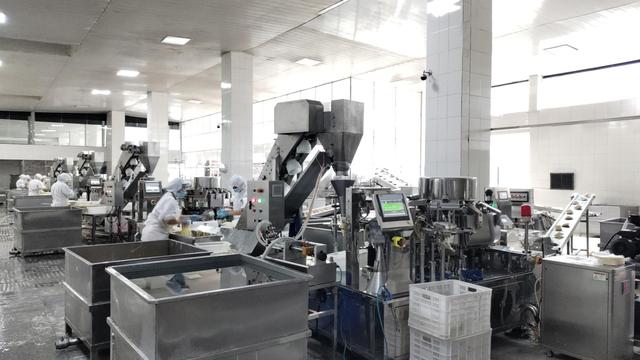
Dongguan Tsrel Biology Co., Ltd. is a professional China vegetal protein manufacturer specializing in the research, development, production, and supply of high-quality plant protein ingredients for food, beverage, and nutritional applications. With a strong focus on innovation, sustainability, and quality assurance, the company is dedicated to providing reliable plant-based ingredient solutions to customers worldwide.
Equipped with advanced manufacturing facilities and modern processing technologies, Dongguan Tsrel Biology offers a comprehensive range of vegetal proteins, including soy protein, pea protein, rice protein, wheat protein, and other specialty plant proteins. These ingredients are widely used in functional foods, nutritional supplements, sports nutrition products, dairy alternatives, meat alternatives, beverages, bakery products, and health food applications.
Supported by an experienced research and development team, Dongguan Tsrel Biology continuously explores new technologies and application solutions to meet the evolving demands of the global food and nutrition industries. The company also provides customized ingredient solutions to help customers optimize product formulations, improve nutritional profiles, enhance texture, and create clean-label products.
China Factory Infrastructure & Supply Chain Advantages
Analyzing the strategic manufacturing capacities, technical expertise, and cost-efficiency matrices that position Chinese manufacturers as global leaders in vegetal protein distribution.
Advanced Manufacturing Scale
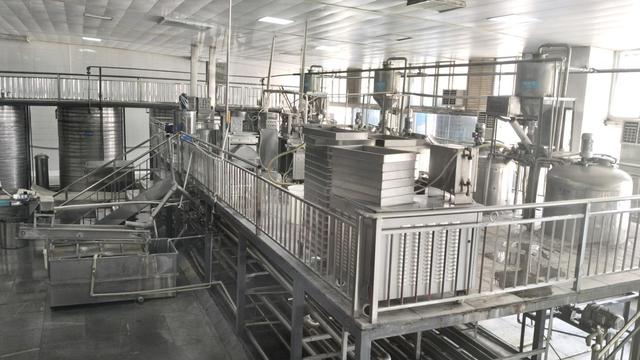
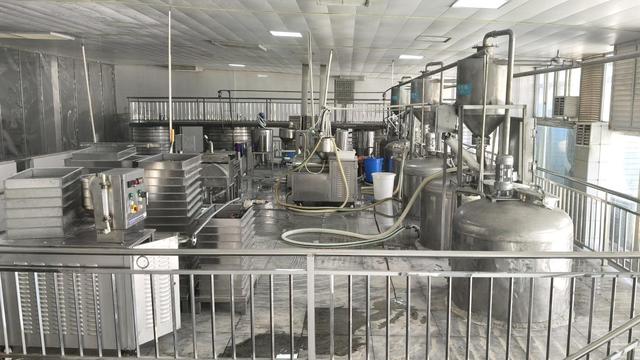
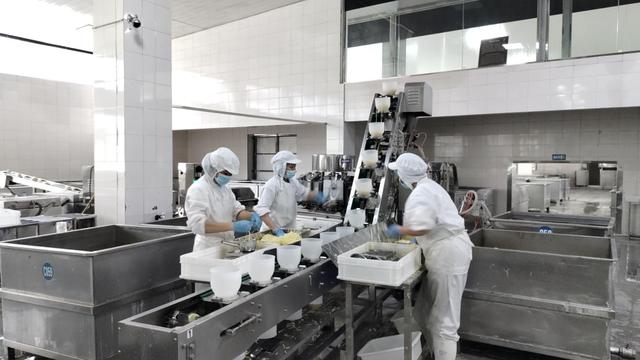
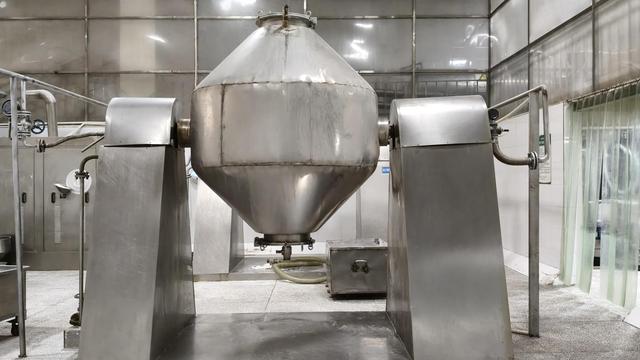
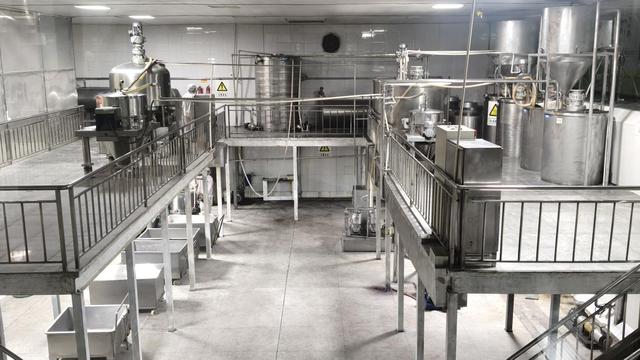
Facilities owned by companies like Dongguan Tsrel Biology leverage high-volume, automated physical wet-milling lines. This infrastructure processes thousands of metric tons of raw grains monthly, minimizing production overheads and maintaining pricing competitiveness for international buyers.
Stringent Process Control
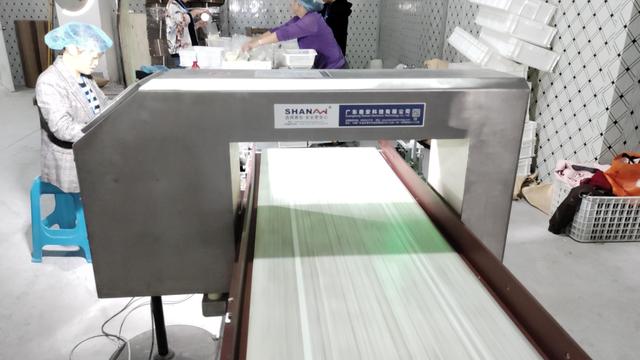
From primary cleaning and grain sorting to enzymatic hydrolysis, drying, and packaging, real-time computerized monitoring ensures batch consistency. Automated moisture control maintains critical protein levels (80% to 90% purity) under strict food safety conditions.
Integrated Export Logistics
Located in industrialized export hubs, our logistics frameworks offer container consolidation, customs clearance, and direct access to major shipping ports. This minimizes transit delays and reduces international logistics overheads for overseas clients.
Technical Specification & Extraction Matrix
A comparative analytical table showcasing the physical, chemical, and functional parameters of primary wheat protein ingredients used across industries.
| Ingredient Classification | Protein Purity (Dry Basis) | Key Functional Characteristics | Primary Industrial Applications | Optimal pH Range |
|---|---|---|---|---|
| Vital Wheat Gluten (VWG) | 75% - 80% | Viscoelasticity, water-binding capacity, gas retention, cohesiveness. | Bakery products, meat alternatives, texturized plant-based foods, noodle production. | 5.5 - 7.5 |
| Hydrolyzed Wheat Protein (HWP) | 80% - 90% | High solubility across pH spectrum, excellent emulsification, foaming properties. | Sports nutrition, instant protein mixes, functional beverages, cosmetics, skin/hair care. | 3.0 - 9.0 |
| Wheat Protein Isolate (WPI) | 90%+ | Clean flavor profile, high digestibility, low fat/ash content. | High-performance dietary supplements, nutrition bars, infant formulas. | 6.0 - 7.0 |
| Wheat Bran Protein Concentrate | 12% - 15% | High dietary fiber, essential mineral content, cost-effective nutrition. | Animal feed supplements, veterinary feed lines, high-fiber dietary biscuits. | 6.0 - 8.0 |
The Enzymatic Hydrolysis & Fractionation Process Flow
How raw wheat grains are scientifically converted into high-purity, bioavailable plant protein powders.
Milling & Hydration
Raw grains are ground to remove husks and hydrated to form a consistent starch-protein slurry.
Centrifugation
High-speed decanter centrifuges isolate the lighter gluten protein stream from heavier starch granules.
Controlled Hydrolysis
For HWP, food-grade endopeptidases are introduced under precise temperature and pH levels to break peptide chains.
Spray Drying & Packing
The refined protein liquor is flash-dried in hot air towers to create a free-flowing powder, packaged under strict ISO standards.
Global Regulatory Standards & Compliance
Exporting food ingredients globally requires absolute compliance with international safety standards. B2B purchasing agents evaluate plant protein suppliers on critical certifications. Factories in China, including Dongguan Tsrel Biology Co., Ltd., operate cleanrooms designed according to GMP (Good Manufacturing Practices) and have implemented complete HACCP (Hazard Analysis Critical Control Point) plans.
For US-bound shipments, compliance with the FDA's Food Safety Modernization Act (FSMA) is verified, alongside heavy metal testing (Lead, Arsenic, Cadmium) using inductively coupled plasma mass spectrometry (ICP-MS). For European imports, our raw wheat and finished powders comply with strict EU limits on pesticide residues and mycotoxins (Aflatoxin, Ochratoxin A). Our products also offer certified Halal and Kosher status, assuring international compliance for globally distributed brands.
Procurement Needs & Market Dynamics
Global buyer requirements are shifting toward sustainable supply security and clean-label declarations. Purchasing managers prioritize structural performance, taste profiles, and pricing stability. Global supply chains face grain supply volatility, making long-term agreements with vertically integrated manufacturers essential.
Dongguan Tsrel Biology helps buyers manage supply risks by maintaining buffer reserves and sourcing grain through long-term farming partnerships. Our customization services allow us to adjust protein mesh size, hydration speed, and solubility index to integrate seamlessly into client processing configurations.
Market Trends & Regional Application Profiles
How localized applications and market innovations are driving global demand for functional wheat proteins.
Bakery Fortification
In Europe and North America, consumers demand high-protein, low-carbohydrate breads and pastries. Incorporating high-purity vital wheat gluten strengthens dough structures and gas retention, allowing for high-rise crumb development in formulations high in bran or whole grains.
Meat Analogues
The global demand for plant-based meats depends on achieving fibrous, realistic textures. The unique viscoelasticity of wheat proteins, combined with high-moisture extrusion (HMEC) technologies, replicates the chewiness and muscle-like fibers of real animal meat.
Cosmetics & Personal Care
Cosmetic manufacturers rely on soluble hydrolyzed wheat protein. The low-molecular-weight peptides bind water within skin cells and hair shafts, functioning as a natural moisturizer and structural repair agent in conditioning formulations.
Customization Services & OEM/ODM Partnerships
Beyond bulk raw materials, modern suppliers act as product development partners. Dongguan Tsrel Biology Co., Ltd. provides comprehensive OEM/ODM formulation services. We formulate dry-blend drink bases, custom-ground plant grains, and target protein levels tailored to the regulatory needs of specific markets.
For example, high-protein supplements and protein drinks require customized flavor and sweetening options. Our R&D division tests stabilizers, natural sweeteners (such as Stevia or Monk Fruit), and enzyme systems to ensure the protein disperses smoothly in water and maintains stability during high-temperature thermal processing (UHT).
Quality Control & Cold Supply Security
To preserve structural performance and prevent spoilage, wheat proteins require moisture-proof, temperature-controlled storage and logistics. Dongguan Tsrel Biology implements strict relative humidity controls in our warehouses to prevent microbial growth and protein clumping.
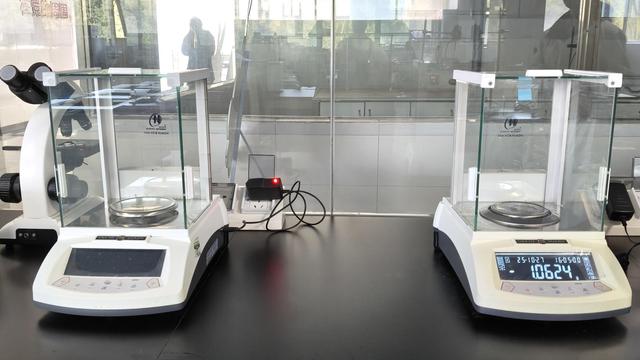
Our raw material testing checks every incoming shipment of wheat for chemical attributes and physical purity. Each outgoing batch is shipped with a Certificate of Analysis (COA) specifying protein content, heavy metals, microbial parameters, and moisture levels, ensuring complete safety and tracking from factory floor to end destination.
Frequently Asked Questions (FAQ) - Sourcing & Technical Guide
Essential information for food scientists, sourcing directors, and importers purchasing wheat protein ingredients.
Related Wheat Grain & Protein Formulations
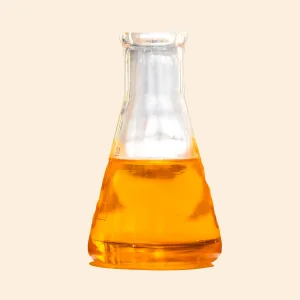
Explore our complete selection of raw grains, specialty wheat bran, feed grades, and cosmetic-grade liquid extracts.