Rice Protein Exporter & Exporters
Global Industrial Plant-Based Protein Solutions, Advanced Enzymatic Extraction, & Enterprise-Grade Supply Chain Integration
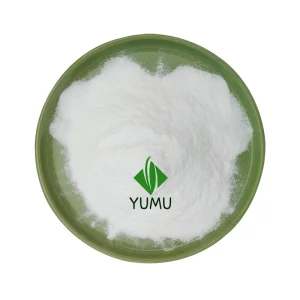
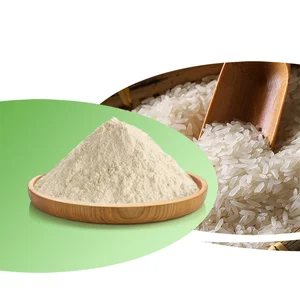
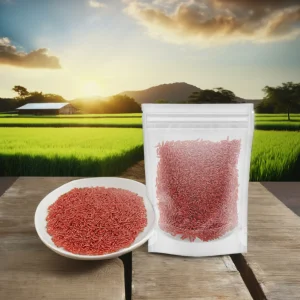
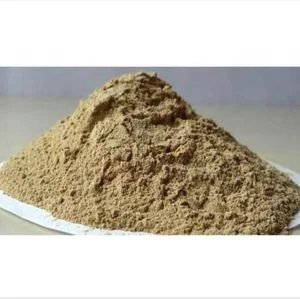
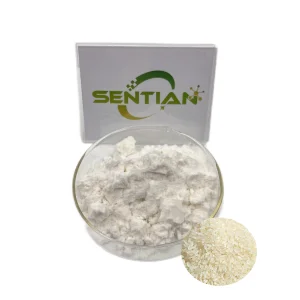
Featured Rice Protein & Carbohydrate Formulations
Explore our premium-grade plant proteins, highly soluble hydrolyzed peptides, and low-glycemic functional dietary elements designed for global brands.
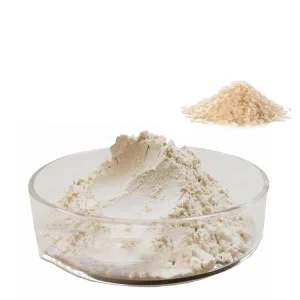
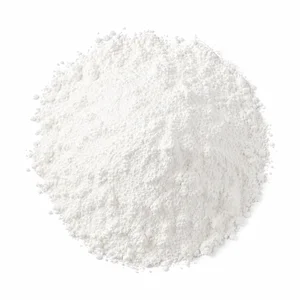
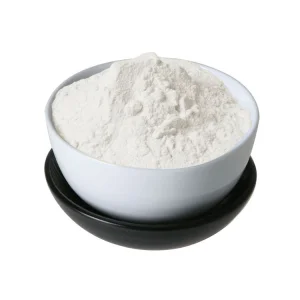
Global Plant Protein Dynamics: Why Rice Protein Leads the Next Wave
As worldwide regulatory standards tighten around allergens and genetically modified organisms (GMOs), multinational food manufacturers, nutraceutical formulators, and cosmetic brands are turning to rice-derived proteins. Known for its hypoallergenic profile, exceptional digestibility, and complete amino acid footprint, rice protein has transitioned from a niche dietary supplement to a cornerstone raw material in clean-label products.
1. The Global Rise of Rice Protein: Market Trends & Demand Drivers
The plant-based protein sector is undergoing an intense structural transition. Historically, soy and wheat protein dominated the commercial market due to their functional binding properties and low raw-material costs. However, current market analysis indicates a major shift due to two main consumer concerns: allergen avoidance and clean-label integrity. Soy is classified as a major allergen globally, and wheat contains gluten, restricting their use in products aimed at allergen-sensitive demographics.
Rice protein isolate and hydrolyzed peptide powders offer a highly effective alternative. Rice protein is naturally free from common allergens, making it an excellent choice for infant formulas, sports supplements, medical nutrition, and daily foods. In addition, the functional qualities of brown rice protein—particularly when processed using modern low-temperature enzymatic methods—deliver a smooth texture, emulsion stability, and neutral taste profiles that meet consumer preferences.
From a global procurement perspective, demand has surged across North America, the European Union, and the Asia-Pacific region. This is driven by several factors: the rise of vegan dietary preferences, the growth of functional sports beverages, and the expanding cosmetic market, where hydrolyzed proteins are utilized for hair conditioning and skin hydration. As a leading rice protein exporter, we recognize that stability of supply, certification transparency, and consistency in physical-chemical properties are critical for multinational organizations seeking reliable bulk supply solutions.
2. Corporate Profile: Dongguan Tsrel Biology Co., Ltd.
Dongguan Tsrel Biology Co., Ltd. is a professional China vegetal protein manufacturer specializing in the research, development, production, and supply of high-quality plant protein ingredients for food, beverage, and nutritional applications. With a strong focus on innovation, sustainability, and quality assurance, the company is dedicated to providing reliable plant-based ingredient solutions to customers worldwide.
Equipped with advanced manufacturing facilities and modern processing technologies, Dongguan Tsrel Biology offers a comprehensive range of vegetal proteins, including soy protein, pea protein, rice protein, wheat protein, and other specialty plant proteins. These ingredients are widely used in functional foods, nutritional supplements, sports nutrition products, dairy alternatives, meat alternatives, beverages, bakery products, and health food applications.
Innovation is a key driving force behind the company's growth. Supported by an experienced research and development team, Dongguan Tsrel Biology continuously explores new technologies and application solutions to meet the evolving demands of the global food and nutrition industries. The company also provides customized ingredient solutions to help customers optimize product formulations, improve nutritional profiles, enhance texture, and create clean-label products.
Quality and food safety are integrated into every stage of production. From raw material sourcing and processing to final testing and packaging, strict quality control procedures are implemented to ensure product consistency, purity, safety, and compliance with international standards. This commitment enables the company to deliver dependable products that meet the rigorous requirements of global customers.
With customer satisfaction at the center of its operations, competitive manufacturing capabilities, stable supply chains, and professional technical support, Dongguan Tsrel Biology Co., Ltd. has established long-term partnerships with food manufacturers, distributors, and brand owners across international markets. The company remains committed to advancing sustainable nutrition through innovative plant protein solutions for the global marketplace.
3. Technical Blueprint: Extraction Science & Amino Acid Chemistry
A key challenge in sourcing plant-based proteins is maintaining the protein's native structure while ensuring high purity. Our advanced production pipeline addresses this by replacing traditional acid/alkali extraction with a multi-enzyme biological process. This method helps prevent protein denaturation, preserves the natural amino acid balance, and eliminates chemical residues in the final product.
The Enzymatic Hydrolysis Process
Our extraction technology utilizes food-grade amylase and protease blends. Amylases specifically liquefy starch fractions in the raw brown rice meal without damaging the protein structure. Subsequent protease application isolates the protein fraction, allowing it to reach up to an 80% to 90% concentration. This gentle processing preserves essential amino acids, including leucine, isoleucine, and valine (BCAAs), which are crucial for muscle synthesis and recovery formulations.
Physical Characteristics & Mesh Optimization
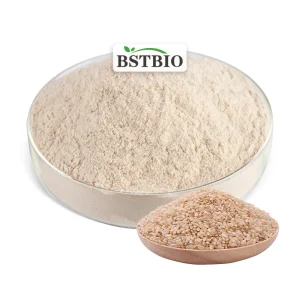
Standard rice protein powders can sometimes exhibit a gritty texture due to the crystalline structure of rice endosperm proteins. To address this, our facility employs ultra-fine micro-milling technology to produce a 300-mesh powder. This fine particle size significantly improves dispersibility in liquid applications, making it ideal for ready-to-drink (RTD) protein shakes, plant-based milk alternatives, and powdered beverage mixes.
4. Technology Roadmap & Future Development
Our R&D efforts are focused on improving the functional performance and nutritional value of plant-based proteins. By continuously investing in advanced processing technologies, we aim to offer solutions that meet the evolving needs of the global food and health industries.
1. Nano-Oligopeptide Separation
By breaking down protein chains into smaller peptides (molecular weight <1,000 Daltons), we enhance intestinal absorption rates and optimize metabolic utilization for health supplements.
2. Taste Profile Neutrals
Utilizing natural food-grade enzymes to selectively remove volatile compounds, reducing the typical cereal-like notes and enabling clean, neutral-flavored formulations.
3. Textured Protein Innovation
R&D into wet-extrusion techniques to create textured rice proteins, providing a fibrous structure suitable for clean-label meat alternatives.
5. Global Procurement Requirements & Compliance Standards
Procuring raw ingredients for international food systems requires compliance with strict safety and quality certifications. At Dongguan Tsrel Biology Co., Ltd., our manufacturing processes align with recognized global food safety standards, helping brands ensure clean labels and smooth customs clearance.
- Traceability and Quality Control: Every batch of rice protein undergoes full testing, including heavy metal assays (Arsenic, Lead, Cadmium) and pesticide residue analysis, to meet stringent standards such as EU food regulations.
- Non-GMO Verification: Our products are certified non-GMO, satisfying key compliance demands in European and North American markets.
- Dietary Inclusivity: We provide certified Halal and Kosher options to help brands serve diverse global consumer demographics.
- Packaging Customization: We offer flexible commercial packaging formats, ranging from 1kg consumer pouches to 25kg bulk bags and 1-ton bulk bags, designed for industrial-scale manufacturing.
Manufacturing Facilities & Research Infrastructure
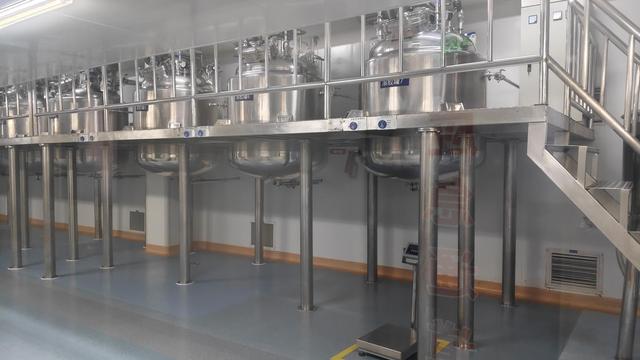
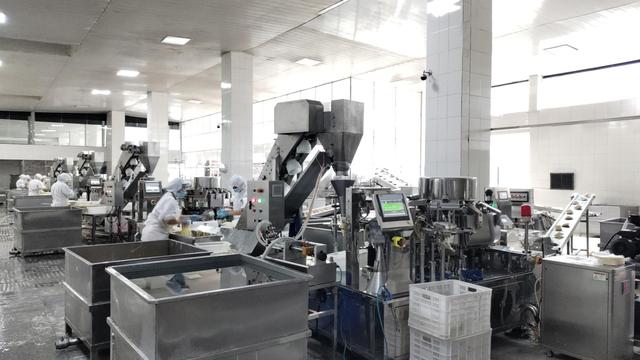
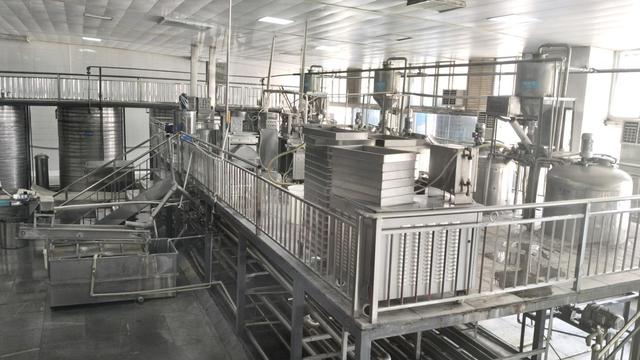
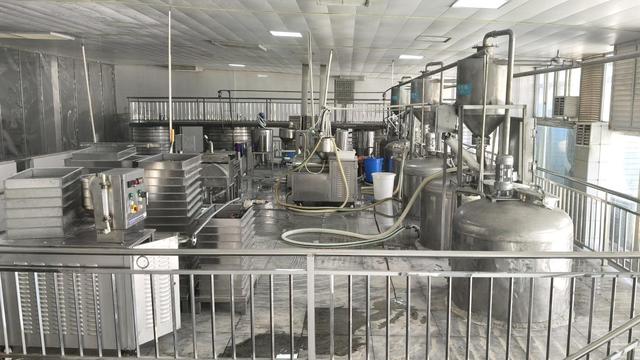
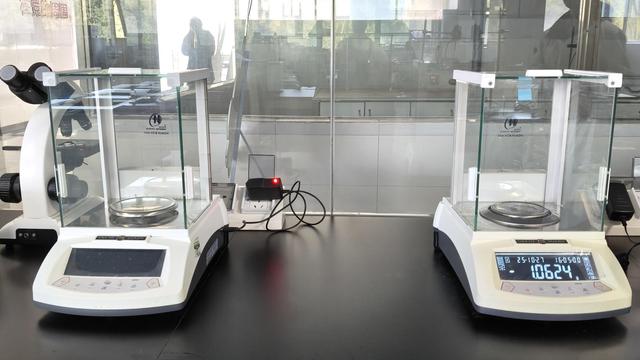
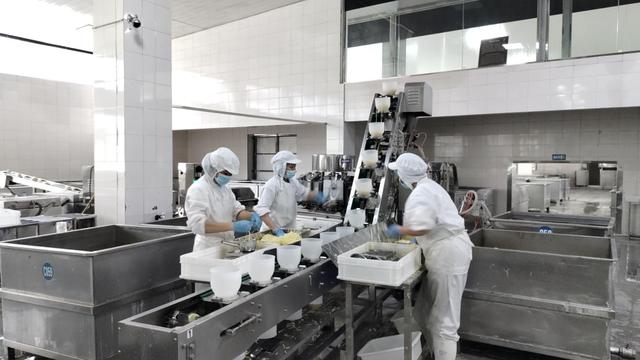
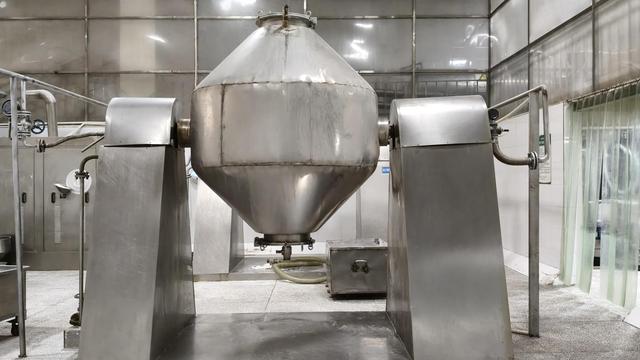
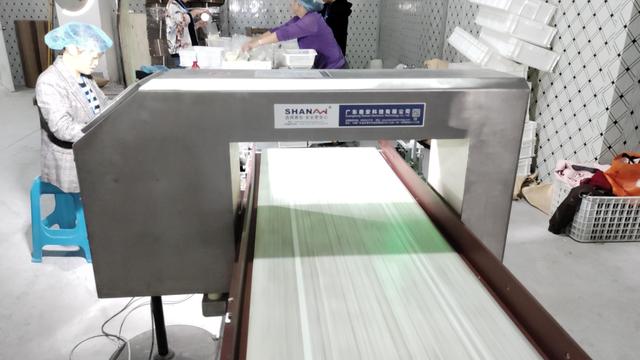
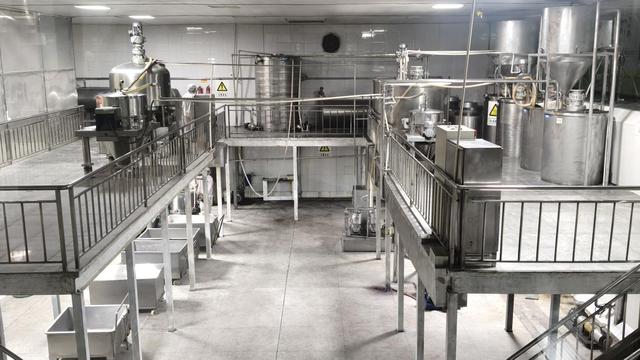
Our commitment to quality is backed by modern production lines and analytical laboratories. Below are views from our manufacturing processes, testing areas, and warehousing facilities, showing how we maintain consistent product quality and reliable supply chains.
Technical & Procurement FAQ
Expert answers addressing solubility, heavy metals, industrial shelf-life, and customizable protein solutions.
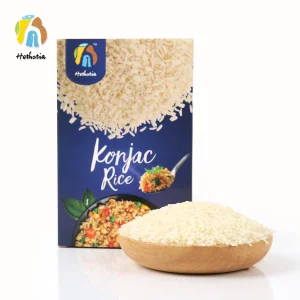
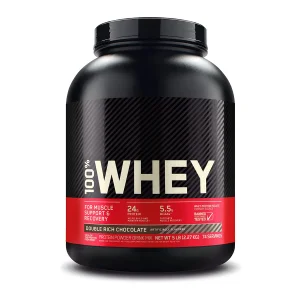
Complete Plant Protein & Low-Carb Alternative Catalog
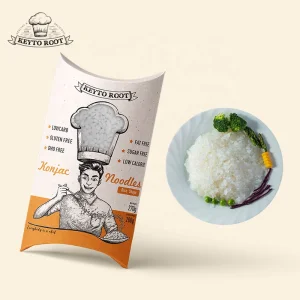
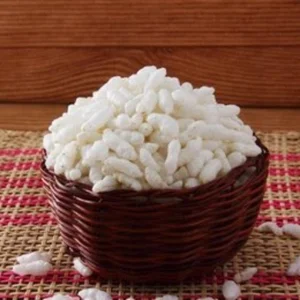
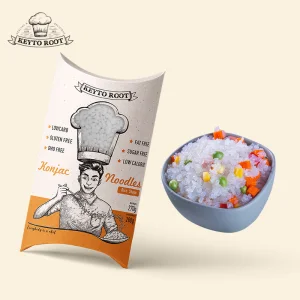
Explore additional high-grade solutions, including functional konjac instant foods, protein nuggets, and customized nutritional blends.