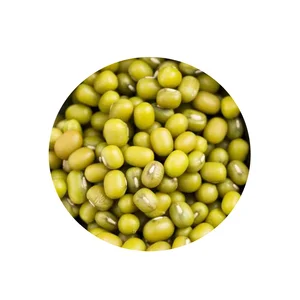
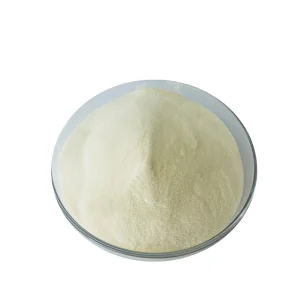
Featured Mung Bean Products & Specialty Plant Proteins
Explore our premium raw materials, specialized isolate powders, and premium-grade agricultural products processed under rigorous international quality benchmarks.
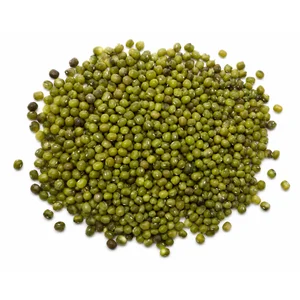
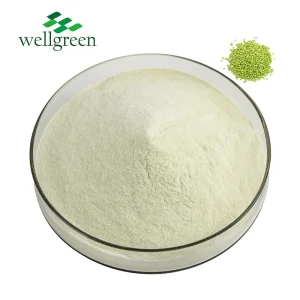
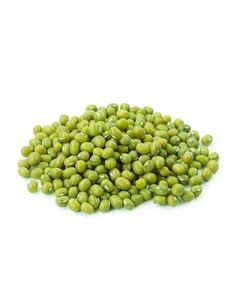
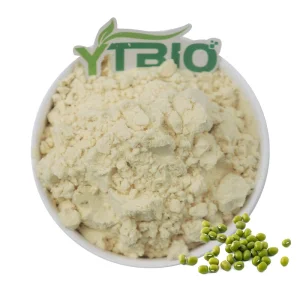
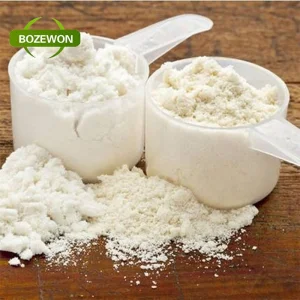
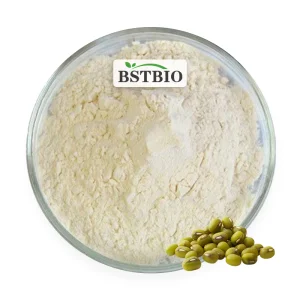
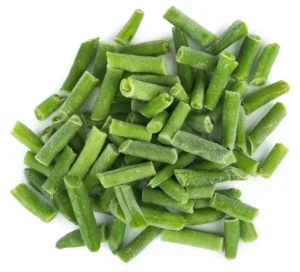
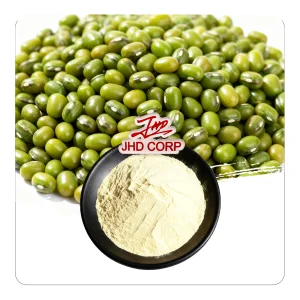
90%+
Protein Concentration
ISO / HACCP
Certified Production
50+
Exporting Destinations
100%
Clean Label & Non-GMO
The Industrial Rise of Mung Bean Protein
The global plant-based protein market is undergoing a seismic shift. While soy and wheat historically dominated the landscape, manufacturers are increasingly searching for non-allergenic, clean-flavor alternatives that satisfy modern consumers' dietary priorities. In this landscape, Mung Bean Protein has emerged as a premier functional ingredient.
With an amino acid profile rich in lysine, leucine, and phenylalanine, mung bean protein offers exceptional nutritional value. Its superb emulsification, gelation, and foaming properties allow it to outperform standard legume proteins in complex applications like dairy alternatives and plant-based meat matrices. Our supply chains trace raw, premium mung bean legumes directly from high-yield agricultural belts, including Uzbekistan and key domestic regions in Shandong, ensuring stability, tracebility, and continuous material access for heavy-duty industrial processing plants.
"The functional capability of mung bean protein isolates (especially globulin 8S fractions) to yield thermo-irreversible gels upon heating at moderate temperatures makes it a disruptive technology for clean-label formulation strategies in the modern food industry."
Technical Advantages & Functional Characteristics
Why industrial formulators choose mung bean protein isolate over traditional plant protein powders.
Hypoallergenic Profile
Unlike soy or wheat gluten, mung bean protein is inherently hypoallergenic and easily digestible. This makes it highly sought after for sensitive demographics, including baby nutrition, clinical foods, and allergen-free dietary supplements.
Superior Gelation & Texturization
It exhibits outstanding thermal gelation capabilities at lower concentrations compared to pea protein. The globulin content enables superior cross-linking, providing a meat-like texture and resilient structure for meat analogues.
Organoleptic Superiority
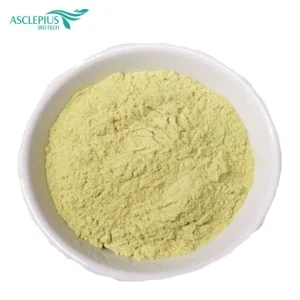
A primary bottleneck in plant-based product development is the strong off-flavor bean notes associated with peas or soy. Mung bean proteins provide a clean, neutral flavor and pale-yellow hue, minimizing the need for flavor masking agents.
Macro Industry Solutions & Localized Application Scenarios
Translating scientific traits into commercially viable, high-demand consumer goods across target markets.
01. Next-Gen Egg & Dairy Alternatives
Liquid plant-based egg formulations depend heavily on proteins that can coagulate under heat similarly to animal albumen. Mung bean protein isolate provides the precise viscosity, gelling profile, and natural emulsification necessary to mimic the mouthfeel, scramble-ability, and structure of real eggs. For dairy alternatives like high-protein milks and plant-based yogurts, it blends smoothly without sandy sedimentation.
02. Advanced Sports Nutrition & Baby Foods
In the field of medical foods and baby nutrition, safety and digestibility are non-negotiable. Mung bean protein isolate offers a clean amino acid spectrum with high bioavailability. For athletes, our hydrolyzed mung bean peptide isolates offer accelerated digestion, helping to stimulate rapid muscle synthesis and post-workout recovery without causing gastrointestinal discomfort or bloating.
03. Premium Meat Analogues & Extrusion Tech
Using High Moisture Extrusion (HME) technology, plant proteins are transformed into fibrous meat-like structures. Mung bean protein behaves beautifully under the shear force and temperature fluctuations inside food extruders. Combining mung bean protein with pea or wheat protein yields a meat analogue with optimized chewiness, juice-holding capacity, and natural cross-linking fibers.
04. Clean-Label Thickening and Emulsifying
Industrial sauces, dressings, and baked goods often rely on chemical additives or modified starches for stability. Mung bean protein functions as a natural, plant-derived surfactant that reduces surface tension between oil and water phases. This allows food manufacturers to drop synthetic emulsifiers and achieve a consumer-preferred "clean label" declaration.
Technical Extraction Flow & Quality Standardization
How we achieve 90% protein purity while retaining the functional structures of the native mung bean.
Raw Selection
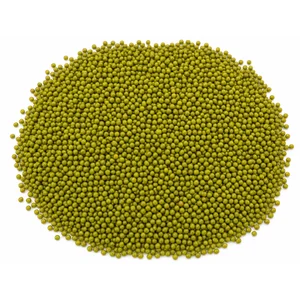
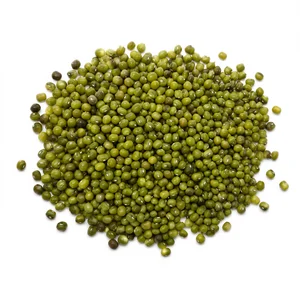
Uzbekistan color-sorted dried mung beans (2.8 - 4.0mm) ensuring minimal debris and maximum density.
Mild Alkaline Wash
Solubilizing proteins without denaturation by applying strict controls on pH and temperature variables.
Centrifugation & UF
Multi-stage separation and ultrafiltration to filter starch and concentrate protein up to 90% isolate.
Spray Drying
Controlled thermal drying to preserve powder solubility, microbial purity, and enzymatic profile.
Pioneering Sustainable vegetal Protein Manufacturing
Dongguan Tsrel Biology Co., Ltd. is a professional China vegetal protein manufacturer specializing in the research, development, production, and supply of high-quality plant protein ingredients for food, beverage, and nutritional applications. With a strong focus on innovation, sustainability, and quality assurance, the company is dedicated to providing reliable plant-based ingredient solutions to customers worldwide.
Equipped with advanced manufacturing facilities and modern processing technologies, Dongguan Tsrel Biology offers a comprehensive range of vegetal proteins, including soy protein, pea protein, rice protein, wheat protein, and other specialty plant proteins. These ingredients are widely used in functional foods, nutritional supplements, sports nutrition products, dairy alternatives, meat alternatives, beverages, bakery products, and health food applications.
Innovation is a key driving force behind the company's growth. Supported by an experienced research and development team, Dongguan Tsrel Biology continuously explores new technologies and application solutions to meet the evolving demands of the global food and nutrition industries. The company also provides customized ingredient solutions to help customers optimize product formulations, improve nutritional profiles, enhance texture, and create clean-label products.
Quality and food safety are integrated into every stage of production. From raw material sourcing and processing to final testing and packaging, strict quality control procedures are implemented to ensure product consistency, purity, safety, and compliance with international standards. This commitment enables the company to deliver dependable products that meet the rigorous requirements of global customers.
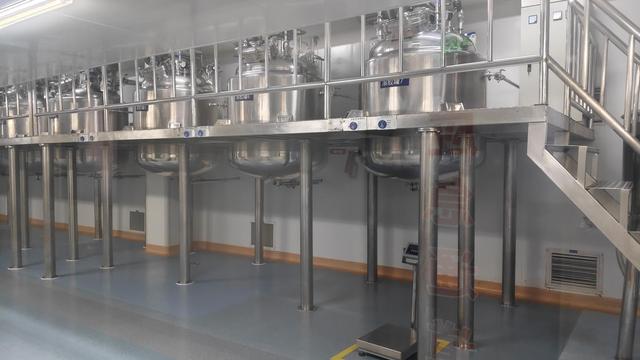
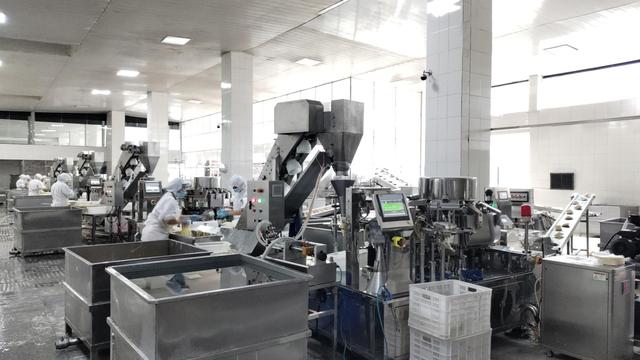
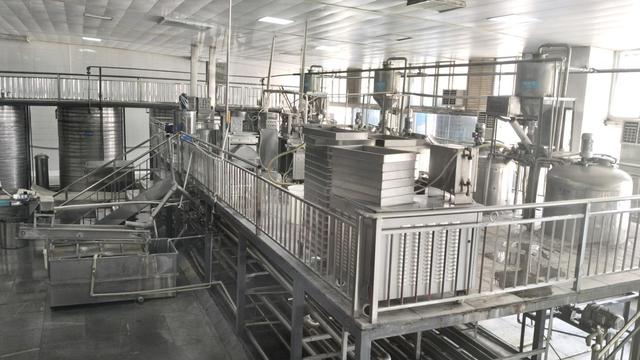
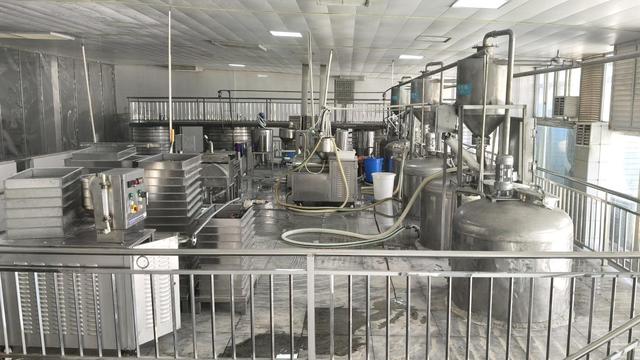
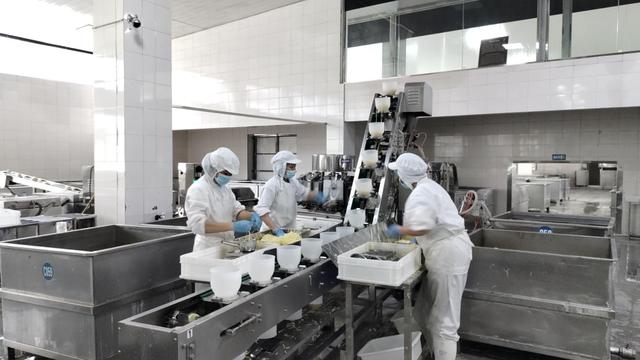
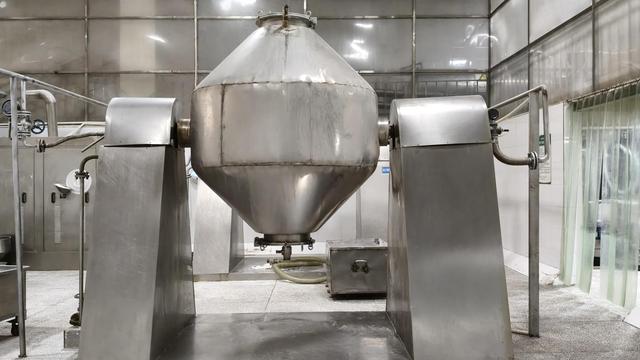
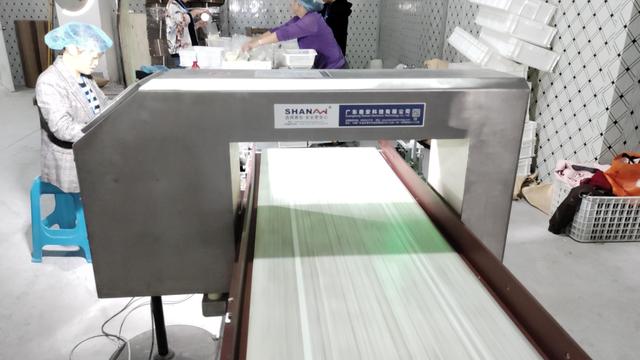
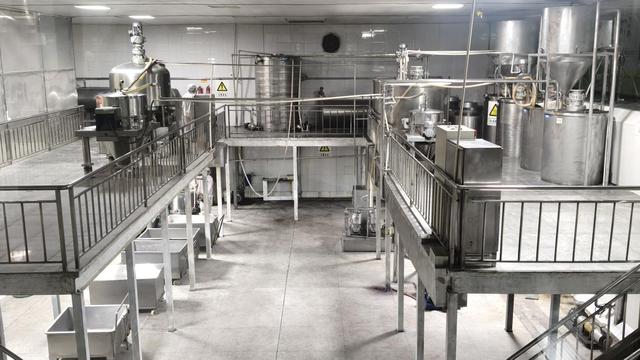
Advanced Production Infrastructure & Facility Gallery
Visualizing our cleanroom processing units, testing laboratories, and bulk inventory spaces.

Technical Roadmap & Future Outlook (2025–2030)
Pioneering clean extraction methodologies and agricultural stability to supply the plant protein industry.
Sustainable Upcycling
Our zero-waste extraction models utilize mung bean starch by-products for industrial application in bioplastics and transparent glass noodles. This circular integration reduces production costs while cutting carbon footprints, ensuring competitive B2B pricing globally.
Enzymatic Cross-linking
Through targeted enzyme-assisted hydrolysis, we can tailor the chain length of mung bean peptides. This customized modification improves solubility in cold beverages and improves gelling speeds for dairy alternatives.
Traceable Global Sourcing
By deepening partnerships in agricultural regions like Uzbekistan, we guarantee supply chains that are resilient against climate shifts. Every batch of color-sorted green mung beans is trackable from field harvest to final protein packaging.
Frequently Asked Questions
Industrial, formulation, and commercial insights for purchasing managers and food scientists.
Raw Materials & Bulk Plant Protein Isolates
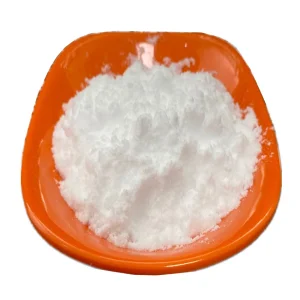
Browse our catalog of color-sorted vigna mung bean raw materials, extract powders, and concentrated plant-based peptides.