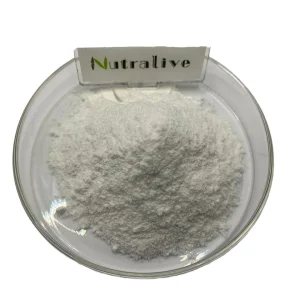
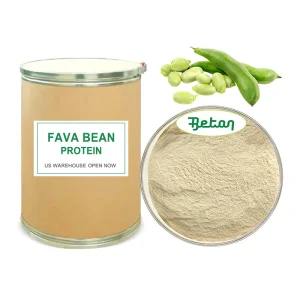
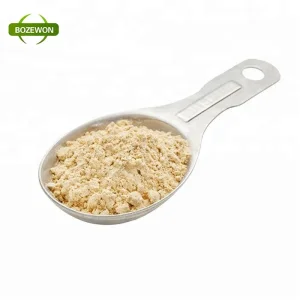
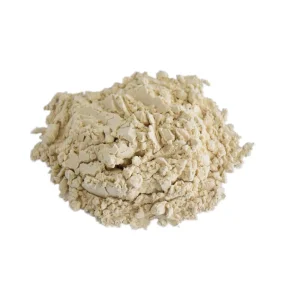
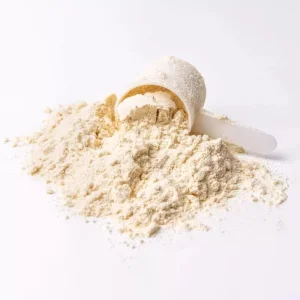
Direct Factory Catalog - Featured Fava Protein Products
Premium functional grades, organic certified powder formulations, and customized clean-label solutions designed to optimize your B2B applications.
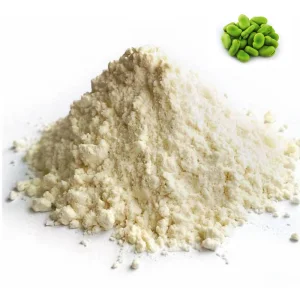
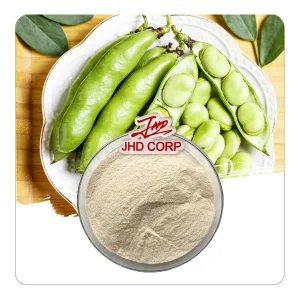
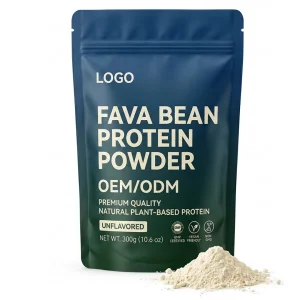
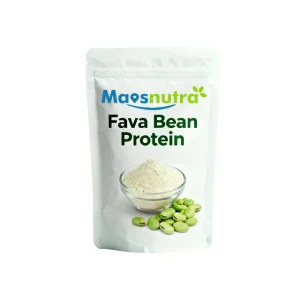
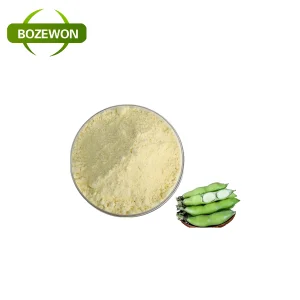
The Global Fava Bean Protein Landscape: Industrial Reality & Market Drivers
The global plant-based protein sector is undergoing a profound structural evolution. For over a decade, soy and wheat protein isolates dominated industrial applications. However, modern consumer behaviors, regulatory pressures on genetically modified organisms (GMOs), and rising food allergen awareness have forced formulators to search for viable alternatives. Enter Fava Bean Protein (extracted from Vicia faba, or broad beans)—a high-performance, allergen-free botanical ingredient that has fast transitioned from a niche dietary supplement to a cornerstone raw material for major multinational food brands.
According to recent market intelligence reports, the global fava bean protein market is projected to grow at a Compound Annual Growth Rate (CAGR) of over 7.2% through 2030. The primary engines of this expansion are the demand for clean-label formulation and the environmental metrics of agricultural production. Fava crops possess a natural capacity for nitrogen fixation, significantly reducing the requirement for chemical fertilizers. Consequently, the carbon footprint of fava bean protein production is considerably lower than that of animal proteins and matches or beats alternative legumes such as soy and peas.
From a functional perspective, fava bean protein offers superior emulsifying stability, gelation strength, and water-binding capacity. This makes it highly compatible with modern high-moisture extrusion (HME) technologies utilized in manufacturing next-generation plant-based meats, as well as high-temperature short-time (HTST) pasteurization protocols in dairy-free beverages.
Technical Extraction & Molecular Refinement Roadmap
Creating an organoleptically neutral, high-solubility fava bean protein requires strict controls across the entire production process. Manufacturers employ two primary extraction methodologies: Dry Fractionation and Wet Extraction.
Dry Air Classification
Utilizes ultra-fine milling followed by air classification based on density and particle size. Yields a protein concentrate of 50-65% purity. It is highly sustainable, chemical-free, and retains the natural structure of starch and protein molecules, making it ideal for baking and extruded snacks.
Wet Isoelectric Precipitation
Broad beans are solubilized in an alkaline solution, separating insolubilized starches and fibers via centrifugation. The liquid phase is then brought to the isoelectric point of fava globulins (approx. pH 4.5), causing the protein to precipitate. Yields isolates with >90% purity.
Enzymatic & Thermal Modification
Advanced treatment using food-grade enzymes degrades anti-nutritional factors (such as phytates, tannins, vicine, and convicine) and minimizes the presence of volatile aldehydes, ensuring a cleaner flavor profile with minimal "beany" notes.
Chemical & Physical Specifications
The table below demonstrates the differences between dry-classified fava concentrates and wet-isolated fava proteins, highlighting their targeted applications:
| Attribute | Fava Bean Protein Concentrate (65% Bulk) | Fava Bean Protein Isolate (90% Soluble) | Testing Standards / Methodology |
|---|---|---|---|
| Protein Content (Dry Basis) | 60.0% – 68.0% | ≥ 90.0% | Dumas Method (N x 6.25) |
| Moisture Content | ≤ 8.0% | ≤ 6.0% | Vacuum Oven Drying |
| Ash Content | ≤ 6.0% | ≤ 4.5% | Muffle Furnace Ashing |
| Fat Content | ≤ 3.0% | ≤ 1.5% | Soxhlet Extraction |
| pH Value (10% Solution) | 6.0 – 7.5 | 6.8 – 7.8 | Potentiometric measurement |
| Heavy Metals (Pb, As, Cd) | < 0.5 ppm total | < 0.2 ppm total | ICP-MS (Inductively Coupled Plasma) |
| Aerobic Plate Count | ≤ 10,000 CFU/g | ≤ 5,000 CFU/g | FDA-BAM Methods |
Nutritional Profiling: Amino Acid Synthesis & Bioavailability
One of the primary challenges for plant-based formulas is providing a complete amino acid profile. Fava bean protein features a highly bioavailable structure rich in essential amino acids (EAAs), particularly lysine, arginine, and aspartic acid. While, like most legumes, it contains lower amounts of methionine and cysteine, it pairs exceptionally well with cereal-derived proteins (such as rice or wheat protein) to establish a PDCAAS (Protein Digestibility-Corrected Amino Acid Score) value of 1.0.
Fava bean protein is also rich in natural Branched-Chain Amino Acids (BCAAs: Leucine, Isoleucine, and Valine), making it a highly effective ingredient for sports nutrition, muscle repair, and anti-aging applications. Furthermore, the absence of major food allergens—unlike soy, which is subject to strict declaration requirements in the EU and FDA jurisdictions—positions fava bean protein as the premier choice for pediatric nutrition, infant formulas, and sensitive consumer categories.
Cross-Industry Formulations & Localized Application Engineering
Depending on regional demographics and dietary preferences, fava bean protein can be adjusted to meet specific functional needs:
North America & EU: Plant-Based Dairy Alternatives
In oat milks, vegan cheeses, and yogurts, fava bean protein's high solubility and clean color prevent chalky textures and off-whites. It resists coagulation at low pH, ensuring smooth texture in coffee-ready creamer formulas.
Latin America & APAC: Plant-Based Meat Texturization
In high-moisture extrusion (HME) and dry texturizing (TVP) lines, fava protein provides excellent tensile strength and fiber formation, creating a realistic, fibrous chewiness in vegan burgers, sausages, and poultry analogs.
Global Markets: Clean Label Sports Supplements
For ready-to-mix (RTM) protein powders and bars, fava's low viscosity helps create smooth shakes. It masks metallic tastes and easily blends with natural sweeteners and flavor systems, simplifying clean-label development.
Manufacturing Integrity & Global Supply Chain Partner
Dongguan Tsrel Biology Co., Ltd. - Leading Industrial Developer of Vegetal Proteins and Custom B2B Plant Solutions.
Dongguan Tsrel Biology Co., Ltd.
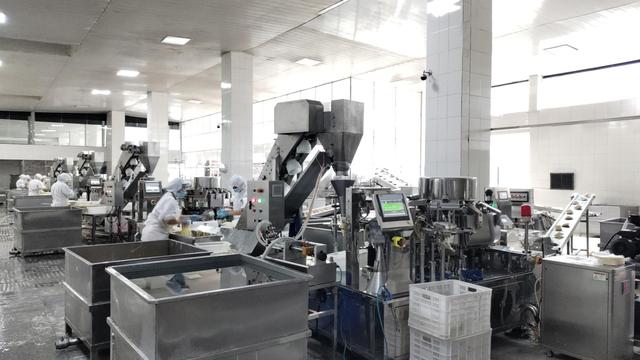
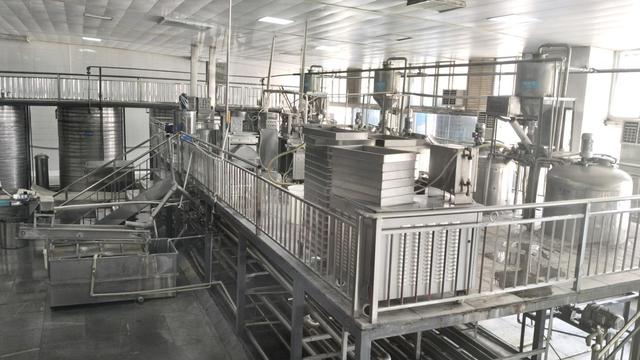
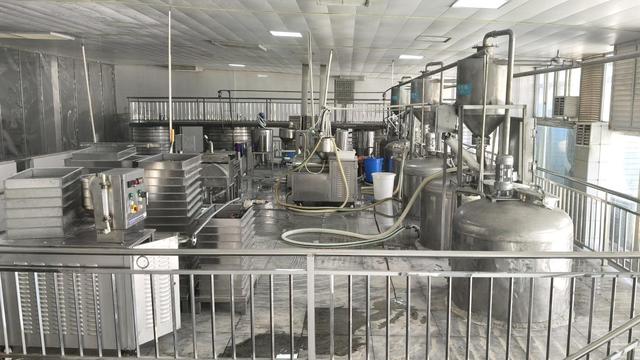
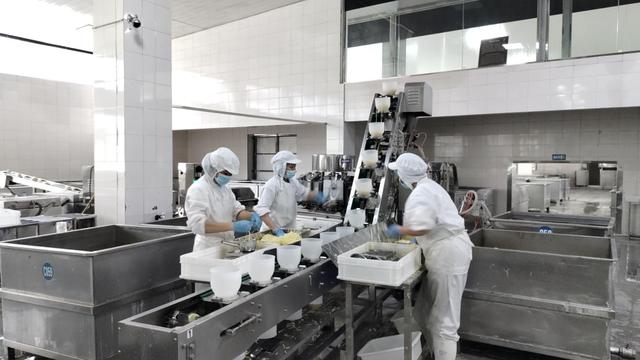
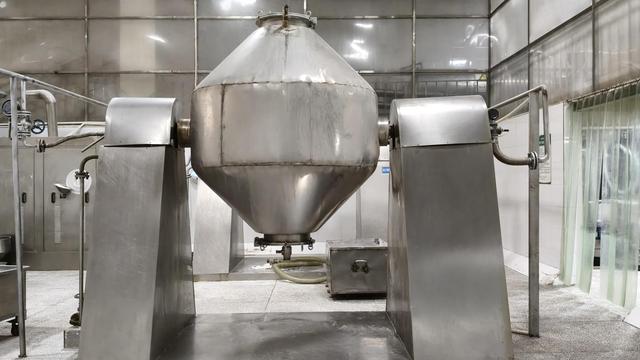
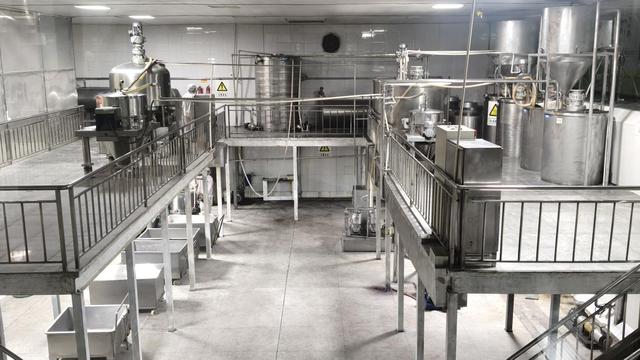
Dongguan Tsrel Biology Co., Ltd. is a professional China vegetal protein manufacturer specializing in the research, development, production, and supply of high-quality plant protein ingredients for food, beverage, and nutritional applications. With a strong focus on innovation, sustainability, and quality assurance, the company is dedicated to providing reliable plant-based ingredient solutions to customers worldwide.
Equipped with advanced manufacturing facilities and modern processing technologies, Dongguan Tsrel Biology offers a comprehensive range of vegetal proteins, including soy protein, pea protein, rice protein, wheat protein, and other specialty plant proteins. These ingredients are widely used in functional foods, nutritional supplements, sports nutrition products, dairy alternatives, meat alternatives, beverages, bakery products, and health food applications.
Innovation is a key driving force behind the company's growth. Supported by an experienced research and development team, Dongguan Tsrel Biology continuously explores new technologies and application solutions to meet the evolving demands of the global food and nutrition industries. The company also provides customized ingredient solutions to help customers optimize product formulations, improve nutritional profiles, enhance texture, and create clean-label products.
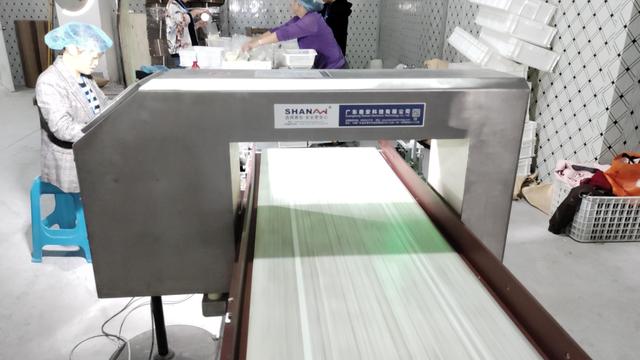
Quality and food safety are integrated into every stage of production. From raw material sourcing and processing to final testing and packaging, strict quality control procedures are implemented to ensure product consistency, purity, safety, and compliance with international standards. This commitment enables the company to deliver dependable products that meet the rigorous requirements of global customers.
With customer satisfaction at the center of its operations, competitive manufacturing capabilities, stable supply chains, and professional technical support, Dongguan Tsrel Biology Co., Ltd. has established long-term partnerships with food manufacturers, distributors, and brand owners across international markets. The company remains committed to advancing sustainable nutrition through innovative plant protein solutions for the global marketplace.


Frequently Asked Questions (FAQ) for Global Buyers
Specialized Raw Materials & Bulk Solutions
Complete your supply chain with our range of dry-stored fava bean products, organic concentrates, and high-purity protein formulations.