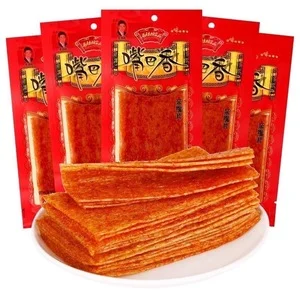
Moscow Market Featured Plant Proteins & Grains
Premium functional proteins engineered for local bakeries, vegetarian meat production, and nutritional supplement manufacturers.
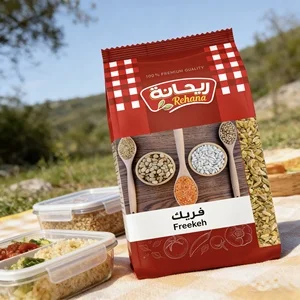
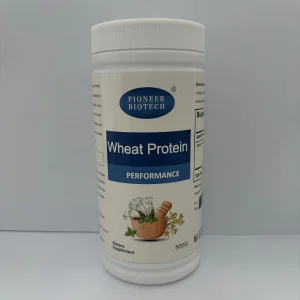
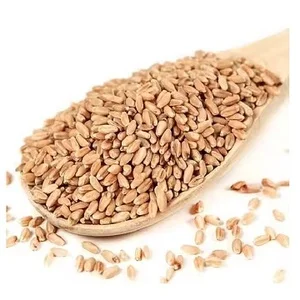
Moscow's Evolving B2B Plant Protein Market
Understanding local industrial demand, manufacturing challenges, and functional ingredient solutions.
Industrial Bread & Baking
Moscow's large-scale automated bakeries require high-grade vital wheat gluten (min 75% protein) to standardize flour quality, enhance gas retention, and ensure crumb elasticity in both traditional rye-wheat and premium crusty sandwich lines.
Meat Analogs & Fillers
As plant-based lifestyle trends pick up steam across Moscow and St. Petersburg, regional processed meat factories utilize structural wheat proteins to optimize textures in both vegan sausage lines and standard emulsified meat batters.
Sports & Wellness Nutrition
Moscow's health-conscious consumers drive the demand for active plant-based formulations. Hydrolyzed wheat proteins serve as high-solubility peptides in functional powdered drinks, bars, and customized ready-to-eat sports foods.
The industrial food landscape of the Moscow metropolitan region is undergoing a major structural transformation. Key food production clusters, spanning the Moscow Oblast, Ryazan, and Vladimir regions, are experiencing elevated demand for highly consistent functional ingredients. High import-dependency for raw materials coupled with local demands for cost-optimization makes direct sourcing of China-manufactured wheat protein an operational imperative for procurement directors.
Dongguan Tsrel Biology Co., Ltd. addresses this gap by offering a fully integrated, vertically aligned supply chain. We optimize shipping times via the New Silk Road rail freight corridors directly to Moscow terminal stations (such as Vorsino, Bely Rast, or Silikatnaya), eliminating marine transshipment delays and ensuring your processing lines operate without raw material bottlenecks.
"In B2B wheat protein procurement, consistency is everything. Food processors cannot afford variations in water absorption capacity or viscoelasticity index. Our wheat proteins are processed using advanced wet-milling technology to secure stable, uniform, and high-purity protein fractions every time."
Technical Specification & Processing Pathways
A deep dive into how wheat proteins are isolated, modified, and customized for advanced industrial applications.
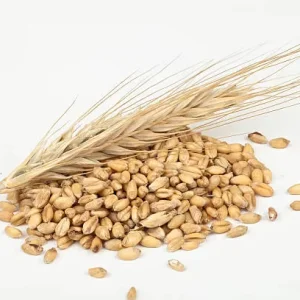
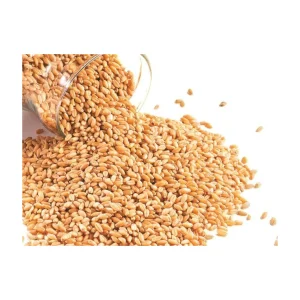
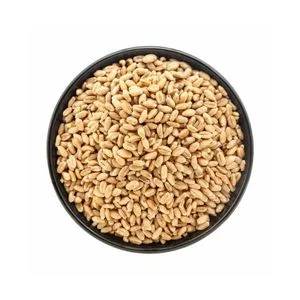
Wheat proteins are categorized based on their solubility, molecular weight distribution, and functional characteristics. The separation of protein fractions from the endosperm of wheat (Triticum aestivum) utilizes a multi-stage aqueous extraction process. This separates starch and soluble pentosans, yielding a highly concentrated wet gluten block, which is subsequently flash-dried to prevent thermal denaturation of the glutenin and gliadin protein networks.
| Protein Grade | Protein Content (Dry Basis) | Key Characteristics | Primary Industrial Applications |
|---|---|---|---|
| Vital Wheat Gluten (VWG) | ≥ 75% - 82% | High viscoelasticity, high water absorption index (1:1.5 to 1:2.0), strong gas-retaining network. | Bread flour fortification, pasta binding, noodles, textured plant protein blocks. |
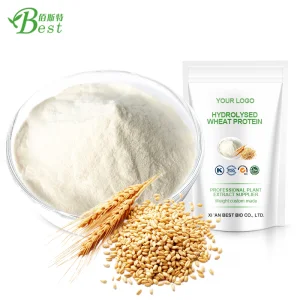
| Hydrolyzed Wheat Protein (HWP) | ≥ 80% - 90% | Enzymatically degraded peptide chains, high solubility across broad pH ranges, excellent foaming properties. | Beverages, sports nutrition mixes, active cosmetic formulations, protein bars. |
| Wheat Protein Isolate (WPI) | ≥ 85% - 90% | De-amidated or structurally modified to enhance solubility while retaining moderate emulsification capability. | Meat alternatives, meat emulsions, high-protein baking pre-mixes. |
Enzymatic Hydrolysis: The Secret to High Solubility
Standard vital wheat gluten is completely insoluble in water. To open up its molecular structure for beverage and liquid formulations, our factories employ targeted enzymatic hydrolysis. By selecting food-grade endo- and exo-proteases, we cleave specific peptide bonds. This controls the degree of hydrolysis (DH) to maximize solubility while preserving the biological value and limiting bitterness, which can otherwise result from the accumulation of hydrophobic amino acids.
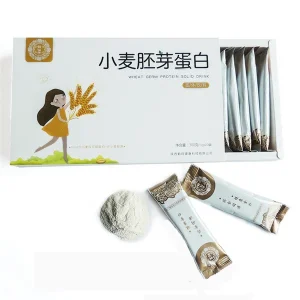
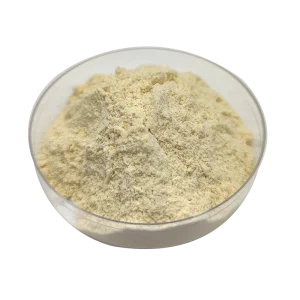
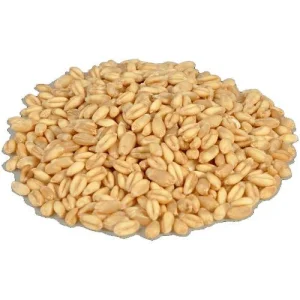
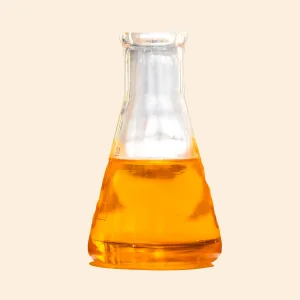
Specialty Grade Plant Proteins for Targeted Applications
High-purity isolates, active cosmetic ingredients, and customized dietary blends designed for the Moscow manufacturing base.
China-to-Moscow Logistics Infrastructure & Supply Chain Resilience
Bypassing standard maritime lanes with fast rail transit options to ensure uninterrupted industrial manufacturing cycles.
Navigating global supply chain fluctuations requires strategic foresight and flexible transport options. Historically, bulk shipments of industrial proteins to Russia traveled via container shipping lanes to the Ports of St. Petersburg or Novorossiysk. However, current global shipping dynamics demand alternative routes.
We leverage the China-Europe Land Bridge (New Silk Road Railway Corridor). This direct rail route connects processing hubs in China directly with Moscow’s primary logistics hubs, notably Vorsino Terminal (Kaluga Region), Bely Rast (North of Moscow), and Silikatnaya.
- Transit Times: 12–18 days from Chinese terminals to Moscow, compared to 45–60 days by sea freight.
- Temperature Integrity: Heated containers (reefers) are available during sub-zero Russian winters to protect liquid extracts and prevent powders from absorbing moisture.
- Customs Efficiency: Fully prepared import documents (declaration of conformity, phytosanitary clearance certificates) speed up border crossings at Zabaikalsk/Manzhouli.
Optimal Shipping Specifications
| Minimum Order Qty (MOQ): | 20 Metric Tons (1x20' FCL) |
| Standard Packaging: | 25kg multi-layer Kraft bags or 1000kg Big Bags |
| Incoterms Offered: | FOB, CIF, CFR, FCA (China rail border) |
| Shelf Life: | 24 months (kept in cool, dry conditions) |
15,000+
Annual Production Capacity (MT)
82%
Minimum Protein in Vital Wheat Gluten
12-18
Days Rail Transit Time to Moscow
100%
Non-GMO and Plant-Derived Ingredients
Dongguan Tsrel Biology Co., Ltd.
A trusted global manufacturer specializing in the research, development, and supply of plant-based protein ingredients.
Dongguan Tsrel Biology Co., Ltd. is a professional China vegetal protein manufacturer specializing in the research, development, production, and supply of high-quality plant protein ingredients for food, beverage, and nutritional applications. With a strong focus on innovation, sustainability, and quality assurance, the company is dedicated to providing reliable plant-based ingredient solutions to customers worldwide.
Equipped with advanced manufacturing facilities and modern processing technologies, Dongguan Tsrel Biology offers a comprehensive range of vegetal proteins, including soy protein, pea protein, rice protein, wheat protein, and other specialty plant proteins. These ingredients are widely used in functional foods, nutritional supplements, sports nutrition products, dairy alternatives, meat alternatives, beverages, bakery products, and health food applications.
Innovation is a key driving force behind the company's growth. Supported by an experienced research and development team, Dongguan Tsrel Biology continuously explores new technologies and application solutions to meet the evolving demands of the global food and nutrition industries. The company also provides customized ingredient solutions to help customers optimize product formulations, improve nutritional profiles, enhance texture, and create clean-label products.
Quality and food safety are integrated into every stage of production. From raw material sourcing and processing to final testing and packaging, strict quality control procedures are implemented to ensure product consistency, purity, safety, and compliance with international standards. This commitment enables the company to deliver dependable products that meet the rigorous requirements of global customers.
With customer satisfaction at the center of its operations, competitive manufacturing capabilities, stable supply chains, and professional technical support, Dongguan Tsrel Biology Co., Ltd. has established long-term partnerships with food manufacturers, distributors, and brand owners across international markets. The company remains committed to advancing sustainable nutrition through innovative plant protein solutions for the global marketplace.
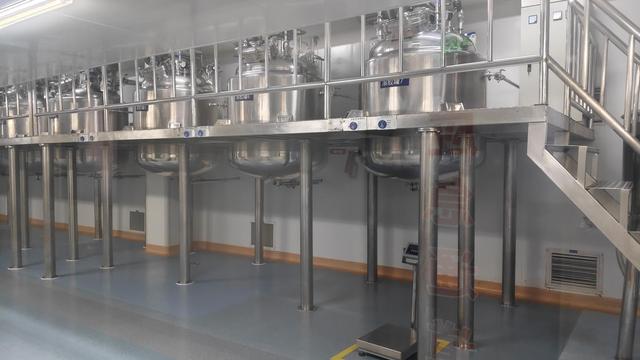
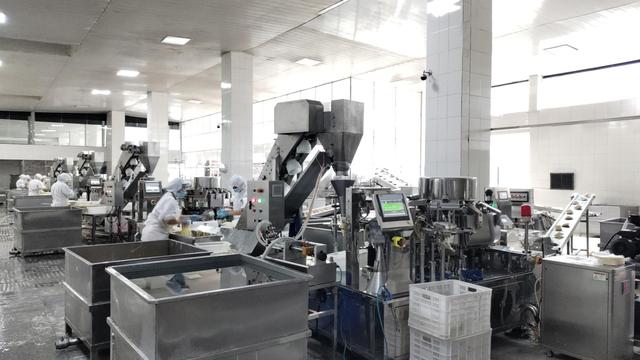
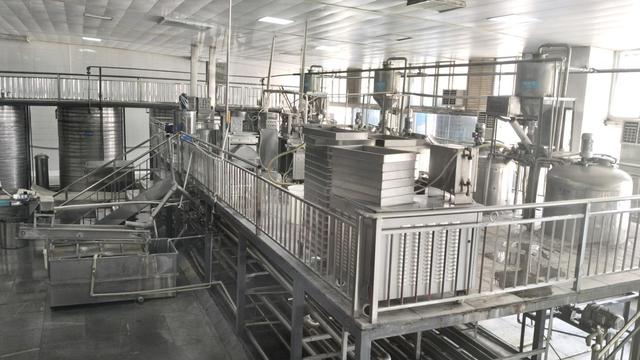
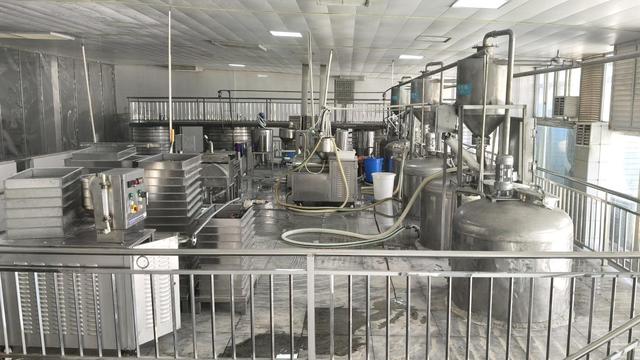
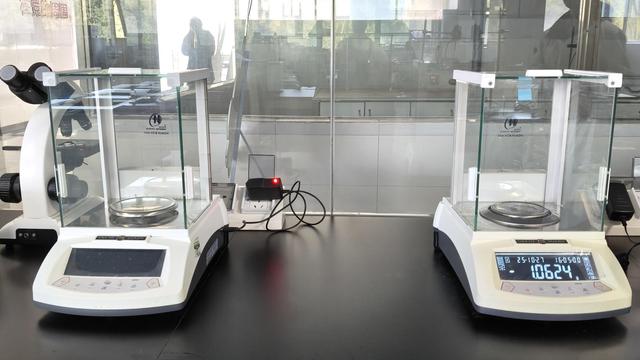
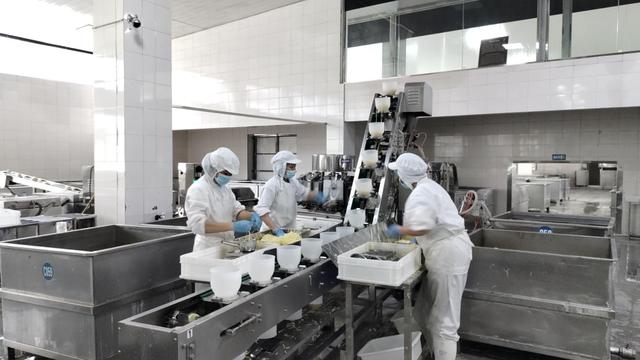
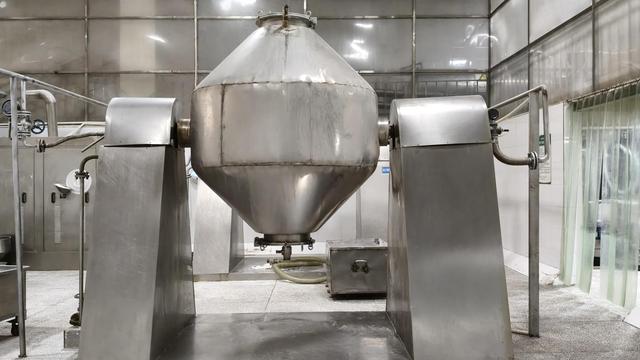
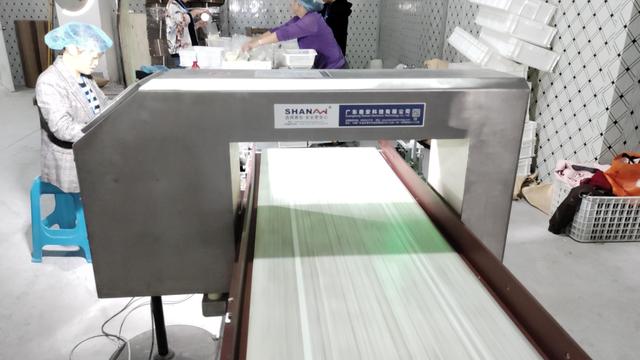
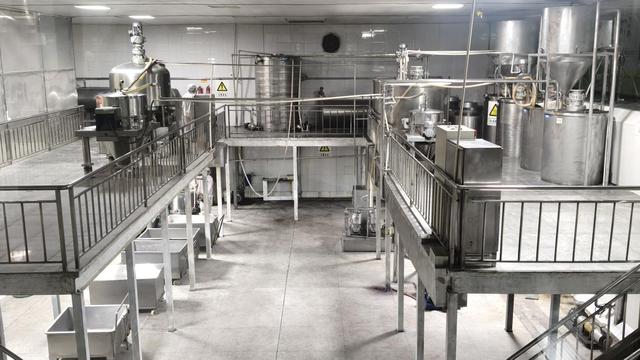
Our Production Facilities & Testing Center
Our plants are equipped with modern wet-milling equipment, automated dry-blenders, and spray drying towers. Stringent control points are integrated throughout raw material sorting, refining, and testing to ensure absolute security and purity.
Regulatory Compliance & Import Standards for the EAEU (EAC/GOST)
Ensuring compliance with local technical regulations and safety standards for seamless clearance.
Selling food ingredients within the Eurasian Economic Union (EAEU), which includes the Russian Federation, requires strict adherence to local technical regulations. Importers in Moscow must obtain necessary certificates before shipping containers depart the factory. Dongguan Tsrel Biology supports clients by providing the documentation required for seamless customs clearance.
EAC Declaration of Conformity
All wheat protein products destined for food processing in Russia must comply with TR CU 021/2011 "On Food Safety" and TR CU 029/2012 "Safety Requirements for Food Additives, Flavorings, and Processing Aids". We provide independent laboratory analysis to verify trace metals, microbiological parameters, and pesticide-free status.
Phytosanitary Certification
Because wheat protein is derived from plant sources, Rosselkhoznadzor (Russia's Federal Service for Veterinary and Phytosanitary Surveillance) requires a Phytosanitary Certificate issued by China's customs authorities. We handle this process to prevent shipping delays at border entry points.
In addition to the mandatory EAC declarations, our production lines are certified under ISO 22000, HACCP, and hold internationally recognized Halal and Kosher certifications. This makes our proteins versatile and suitable for a wide range of export formulations.
Frequently Asked Questions (FAQ)
Technical and commercial answers for food technologists and procurement managers.
Q1: What is the differences between vital wheat gluten and hydrolyzed wheat protein?
▼
Vital wheat gluten is insoluble in water. It retains its natural viscoelastic properties, forming a strong gluten matrix when hydrated. It is ideal for baking and texturizing applications. In contrast, hydrolyzed wheat protein has undergone enzymatic hydrolysis. This breaks the peptide bonds, making it highly water-soluble. It is used in beverages, cosmetic products, and liquid nutrition formulations.
Q2: How does your factory guarantee non-GMO quality?
▼
We source our wheat exclusively from verified agricultural regions that use identity-preserved non-GMO seed stock. Every incoming batch of wheat undergoes PCR testing to confirm the absence of genetically modified material prior to the wet-milling process.
Q3: What logistics routes do you recommend for Moscow food manufacturers?
▼
For urgent orders, we recommend block trains departing from major Chinese rail centers (such as Zhengzhou, Chengdu, or Xi'an) and heading to the Moscow Vorsino or Bely Rast terminals. The transit time is generally 12 to 18 days. For large-volume orders where shipping cost is the primary factor, sea routes via the port of Vladivostok, followed by rail connection to Moscow, offer a balanced cost-to-time ratio.
Q4: What is the typical shelf life of your wheat protein powders?
▼
When stored in the original, unopened packaging in a cool, dry warehouse (below 25°C and relative humidity below 60%), our wheat protein powders remain stable for up to 24 months. We recommend sealing bags tightly once opened to prevent moisture absorption.
Q5: Can you customize the particle size of Vital Wheat Gluten?
▼
Yes. Our standard milling process produces a powder where at least 99% passes through an 80-mesh screen (approximately 180 microns). For specialized applications that require rapid hydration or unique mixing characteristics, we can customize the particle size to 100 mesh or 120 mesh.
Q6: How do you verify compliance with EAEU / TR CU regulations?
▼
We work with accredited certification bodies to perform testing of our products according to EAEU standards. We provide analysis reports verifying compliance with heavy metals, pesticide residues, and microbiological limits as defined in TR CU 021/2011 and TR CU 029/2012.
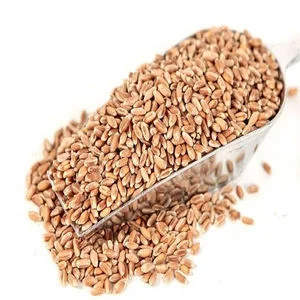
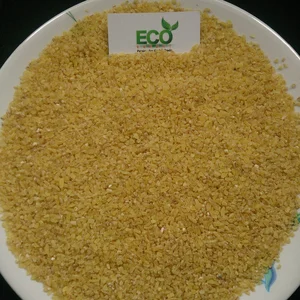
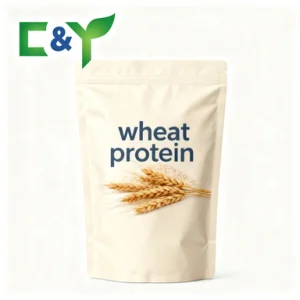
Complete Wheat Protein & Grains Portfolio
Explore our full range of food-grade proteins, texturized ingredients, and bulk milling grains available for export.
Connect with our B2B Export Specialists
Need custom protein formulations, test samples, or current CIF Moscow pricing? Our export support team is ready to assist you.
Send Inquiry Now