Featured Wheat Protein Specialties for Thailand
Engineered to match the high structural and nutritional standards of modern food manufacturing, dairy alternatives, and nutritional formulations.
Thailand's Industrial & Commercial Wheat Protein Status
Analysis of Southeast Asia's primary food-processing hub and its surging demand for highly functional grain derivatives.
The Import-Driven Imperative for Thai Food Manufacturers
Thailand has proudly carried the title "Kitchen of the World" (ครัวของโลก) for decades. However, its tropical climate prevents the commercial cultivation of high-gluten wheat grains. Consequently, Thailand imports virtually 100% of its raw wheat flour and functional wheat protein concentrates (Vital Wheat Gluten and Hydrolyzed Wheat Proteins). As the country rapidly shifts its industrial focus towards high-value food technologies under the government's BCG (Bio-Circular-Green) economic model, the demand for premium-grade plant proteins is reaching historic heights.
This import dependency requires domestic food processors in key zones like Samut Sakhon, Pathum Thani, and Chonburi to seek reliable, factory-direct partners in China. Direct sourcing guarantees stable pricing, tariff reductions under the Regional Comprehensive Economic Partnership (RCEP), and rigorous micro-biological control required by the Thai Food and Drug Administration (FDA).
The Growth Engine: Plant-Based Meats & The Annual "J" Festival
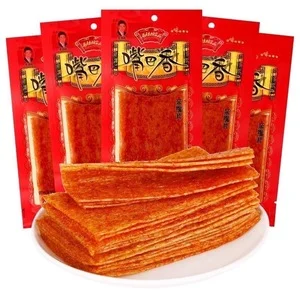
Unlike Western plant-based markets, which are driven heavily by environmental and health trends, Thailand has a deeply rooted, culturally significant driver: the annual 9-day Taoist Vegetarian Festival ("Tesakan Gin Je"). During this period, millions of Thai consumers abstain from animal products. Plant-based proteins—principally wheat gluten—form the bedrock of traditional mock meats like "Mee Kuen" (mock red pork) and vegetarian duck. Beyond seasonal shifts, a secular trend toward health and wellness is creating a year-round appetite for high-protein functional snacks, high-fiber bakery products, and dairy alternatives. Hydrolyzed wheat protein, with its superior water binding and clean taste profile, is increasingly preferred by food scientists formulating for these new-age consumers.
Global Commercial & Industrial Landscape
Strategic analysis of global supply, processing trends, and comparative material performance.
Structural Resilience
Global demand is shifting from basic texturizers to highly specialized wheat proteins with tailor-made viscoelastic properties (gliadin-to-glutenin balance) for automated high-moisture extrusion (HMEC) lines.
Clean-Label Integrity
Consumers are rejecting synthetic binders (like methylcellulose). Deamidated hydrolyzed wheat proteins offer clean-label emulsification and texturization without chemical additives.
Cosmeceutical Surging
Due to high peptide content and excellent moisture-binding capacity, hydrolyzed wheat proteins are capturing significant market share in the personal care and premium cosmetic sectors across the APAC region.
Structural Comparison of Wheat Protein Derivatives
Understanding the exact biochemical profile of wheat proteins is critical for product formulation success. The following structured table provides a clear comparison of common wheat protein matrices used globally:
| Protein Type | Protein Content | Key Bio-functional Properties | Primary Industrial Application |
|---|---|---|---|
| Vital Wheat Gluten | 75% - 80% | Viscoelasticity, gas retention, water absorption (1:1.5 - 2.0 ratio) | Bakery flour fortification, meat analogs (structured plant meat), surimi |
| Hydrolyzed Wheat Protein | 80% - 90% | High water solubility, excellent foaming, low viscosity, high digestibility | Protein-fortified beverages, cosmetic emulsions, feed additives |
| Wheat Protein Isolate | 90%+ | Exceptional extensibility, clean taste, rapid dispersibility | Nutritional supplements, active-sports nutrition, infant formula base |
Localized Application Scenarios in Thailand
How local manufacturers optimize raw materials to align with the unique culinary, climatic, and aquaculture needs of Thailand.
1. Plant-Based Seafood & Fishballs
Thailand is one of the world's leading exporters of processed surimi. Wheat protein isolates and vital wheat gluten are integrated into seafood analogues (crab sticks, shrimp mimics, and fishballs) to replicate the natural, springy texture (known locally as "Deng") that Thai consumers demand.
2. High-Moisture Tropical Bakery
Thailand's high humidity poses shelf-life and structural challenges for industrial bakeries. Vital wheat gluten acts as a water binder, maintaining structure, retaining crumb softness, and extending shelf-life naturally without reliance on synthetic chemical emulsifiers.
3. Premium Aquaculture (Shrimp Feed)
The southern provinces of Thailand host massive shrimp farming networks. Hydrolyzed wheat protein is widely utilized in high-density aquafeeds due to its water stability, high digestibility index, and rich amino acid profile, promoting survival rates and environmental cleanliness.
Solving Texture Challenges in Thai Instant Noodles (Mama style)
In the highly competitive instant noodle sector, preserving texture during cooking is critical. By incorporating 1.5% to 3.0% of our premium hydrolyzed wheat protein, manufacturers can enhance the noodle strands' tensile strength. This reduces cooking loss, prevents sogginess in hot water, and gives a firm, springy texture. These attributes are crucial for hot-pot applications widely enjoyed in local hot-pot restaurant chains and home-cooking settings.
Advanced Technical Roadmap & R&D Outlook
Pioneering processing technologies that maximize functionality and achieve high-performance plant protein matrices.
Enzymatic Deamidation: The Key to Neutral Taste and High Solubility
Natural wheat gluten is highly hydrophobic due to the rich presence of proline and glutamine residues. To expand its functional application beyond bakery, our factory implements a state-of-the-art enzymatic deamidation process. By utilizing food-grade peptidases and glutaminases, we selectively convert glutamine residues into glutamic acid. This modification adjusts the charge density of the protein, significantly improving solubility at low pH levels and eliminating the characteristic grassy "cereal" taste.
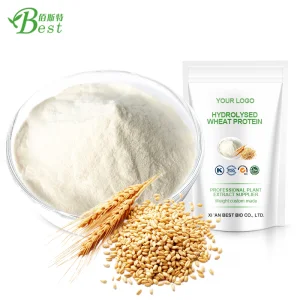
This biochemical evolution makes our Hydrolyzed Wheat Protein 80%-90% powder highly compatible with functional, acidic carbonated soft drinks, RTD teas, and clear protein shakes. It delivers clean nutrition without forming chalky sediment or blocking industrial spray nozzles.
Ultrafiltration and Concentration
Using advanced ceramic membrane systems, we remove low-molecular-weight sugars and salts. This process concentrates the active peptides to ensure consistent purity levels above 90% for our isolate segment.
Precision Spray Drying
To preserve biological activity, we apply precise low-temperature spray drying. This ensures our powder remains free-flowing, disperses rapidly in water, and maintains its functional properties in wet processing environments.
Heavy Metal & Mycotoxin Mitigation
Through rigorous pre-cleaning steps and multi-stage magnet/gravity separation, we guarantee our wheat protein products comply with the strict pesticide, mycotoxin, and heavy metal limits set by European and Thai FDA standards.
Macro Solutions: Custom Formulation & Supply Chains
Providing comprehensive support from laboratory testing to maritime shipping to streamline production pipelines.
Customized Viscoelasticity and Mesh Size Specifications
One size does not fit all. For instant noodle manufacturers, fine 100-mesh flour is ideal for smooth blending. Conversely, for large meat analog factories in Chonburi, a larger granule vital wheat gluten is preferred to achieve a fibrous, meat-like structure. Our factories provide custom milling, tailoring viscosity and particle sizes to match your specific production machinery and processing parameters.
RCEP Trade Advantage & Regulatory Compliance
By leveraging the China-Thailand RCEP agreement, Thai importers benefit from zero or reduced import tariffs. Our documentation team provides complete Certificate of Origin paperwork, along with crucial certifications including Halal (CICOT-aligned), Kosher, Non-GMO declarations, and ISO 22000 / HACCP food safety standards. This ensures hassle-free customs clearance and supports quick product launches.
Our Manufacturing Partner: Dongguan Tsrel Biology Co., Ltd.
Dongguan Tsrel Biology Co., Ltd. is a professional China vegetal protein manufacturer specializing in the research, development, production, and supply of high-quality plant protein ingredients for food, beverage, and nutritional applications. With a strong focus on innovation, sustainability, and quality assurance, the company is dedicated to providing reliable plant-based ingredient solutions to customers worldwide.
Equipped with advanced manufacturing facilities and modern processing technologies, Dongguan Tsrel Biology offers a comprehensive range of vegetal proteins, including soy protein, pea protein, rice protein, wheat protein, and other specialty plant proteins. These ingredients are widely used in functional foods, nutritional supplements, sports nutrition products, dairy alternatives, meat alternatives, beverages, bakery products, and health food applications.
Innovation is a key driving force behind the company's growth. Supported by an experienced research and development team, Dongguan Tsrel Biology continuously explores new technologies and application solutions to meet the evolving demands of the global food and nutrition industries. The company also provides customized ingredient solutions to help customers optimize product formulations, improve nutritional profiles, enhance texture, and create clean-label products.
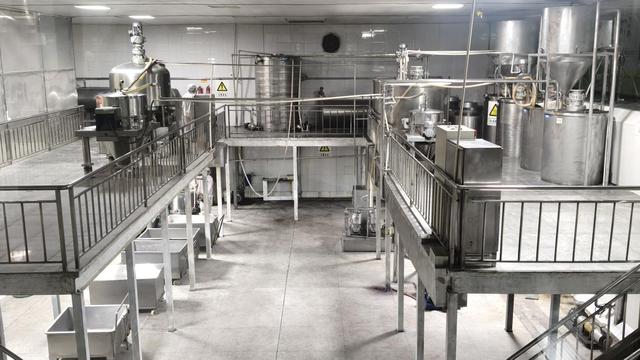
Quality and food safety are integrated into every stage of production. From raw material sourcing and processing to final testing and packaging, strict quality control procedures are implemented to ensure product consistency, purity, safety, and compliance with international standards. This commitment enables the company to deliver dependable products that meet the rigorous requirements of global customers.
With customer satisfaction at the center of its operations, competitive manufacturing capabilities, stable supply chains, and professional technical support, Dongguan Tsrel Biology Co., Ltd. has established long-term partnerships with food manufacturers, distributors, and brand owners across international markets. The company remains committed to advancing sustainable nutrition through innovative plant protein solutions for the global marketplace.
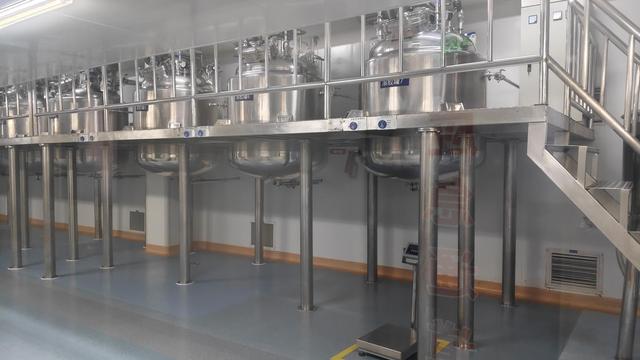
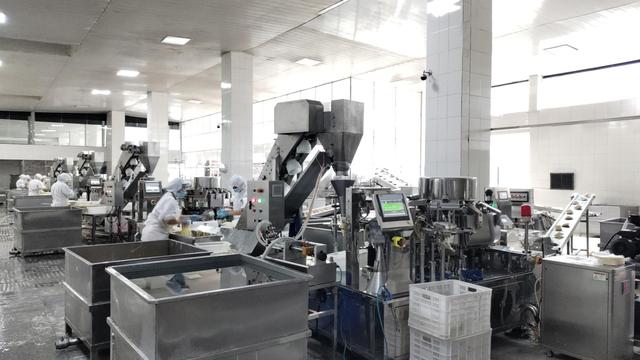
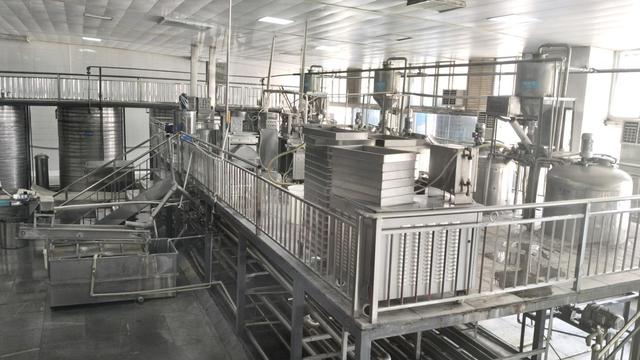
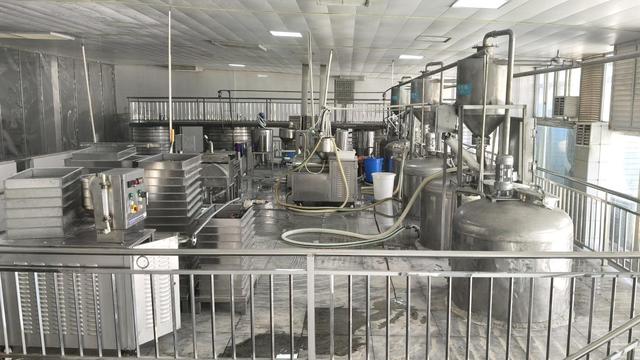
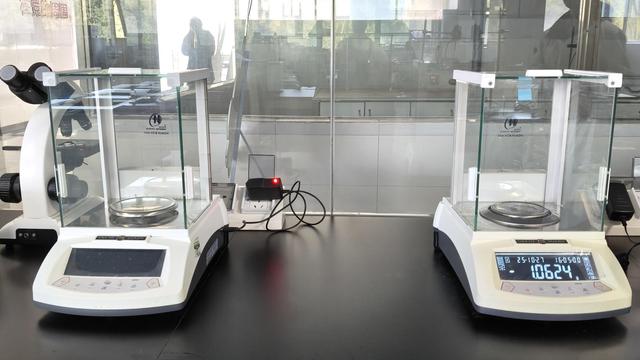
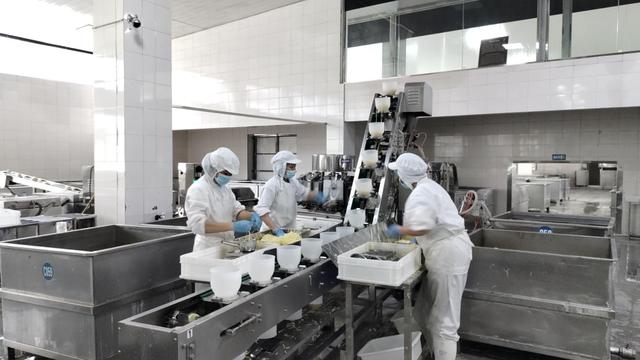
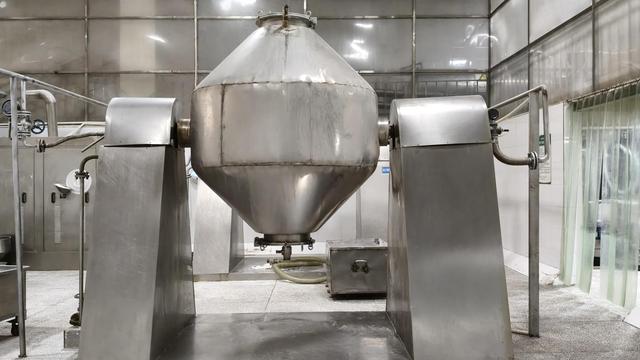
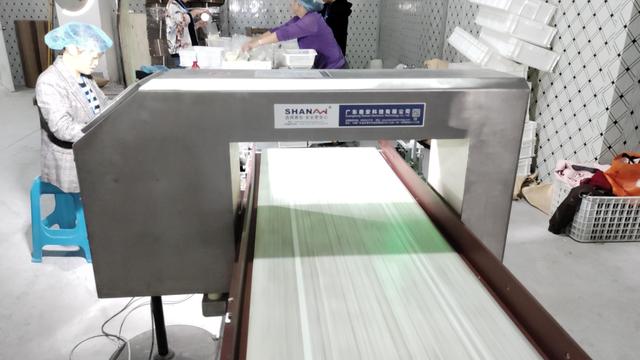
Production Facility & Quality Control Laboratory
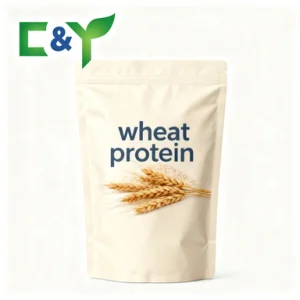
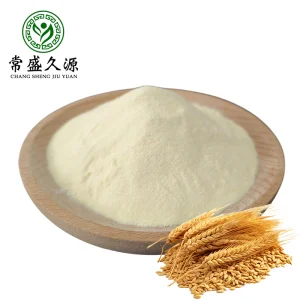
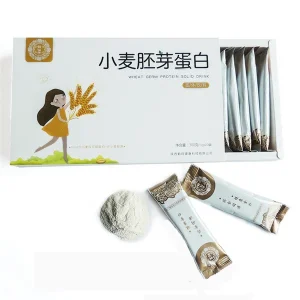
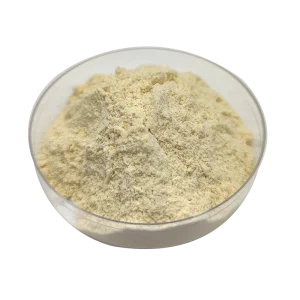
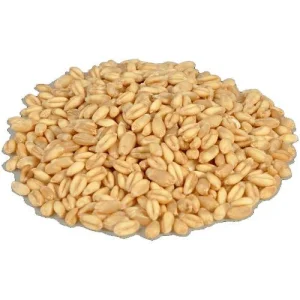
Browse Our Complete Wheat Protein Catalog
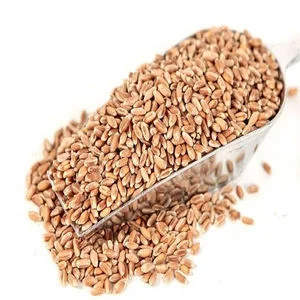
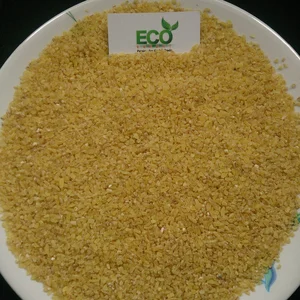
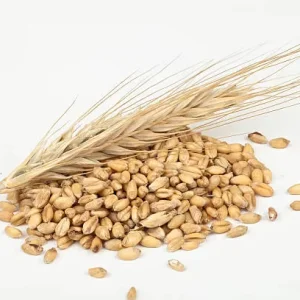
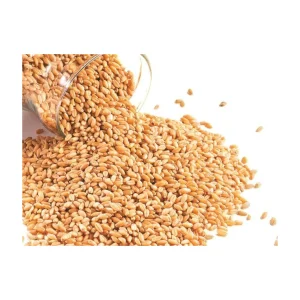
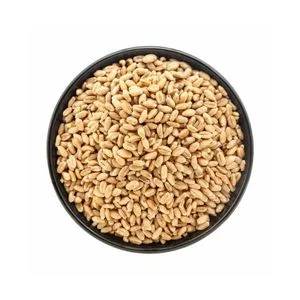
From bulk durum grains to premium hydrolyzed isolations—direct factory export with global shipping standards.
Technical & Commercial FAQ (Frequently Asked Questions)
Providing clear answers to technical queries from procurement officers and research scientists in the food processing industry.