Premium Plant-Based Solutions for Manila Food Industry
High-purity vegetal proteins engineered to meet functional texture and nutritional profiles in the National Capital Region (NCR).
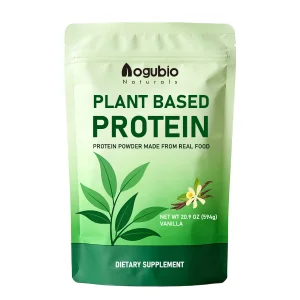
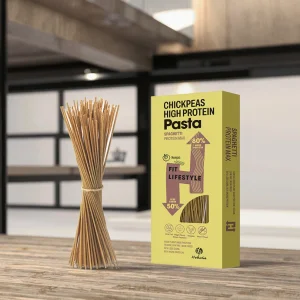
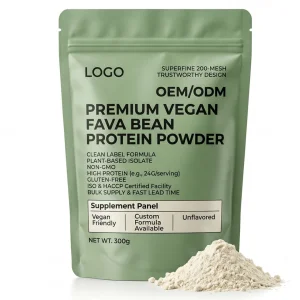
Manila's Evolving Food Sector & Textured Vegetable Protein Market
Why Industrial Food Producers and Meat Processors in Metro Manila are Transitioning to High-Performance Plant Proteins
Metro Manila, the economic heart of the Philippines, is experiencing an unprecedented structural transformation in its food processing and manufacturing sectors. Rising domestic meat prices, fluctuating import costs for livestock, and heightening consumer health awareness have accelerated the demand for alternative proteins. Textured Vegetable Protein (TVP), derived from non-GMO soy, wheat, and pea bases, has evolved from a simple filler to an essential functional component in local food production lines.
In municipal centers like Pasig, Caloocan, Valenzuela, and Quezon City, commercial meat manufacturers of traditional Filipino staples—such as tocino, longganisa, lumpia, and meat siomai—rely on TVP to optimize production costs while retaining moisture, bite texture, and high nutritional indices. Furthermore, the robust growth of the Quick Service Restaurant (QSR) segment throughout Makati, Bonifacio Global City (BGC), and Ortigas has created a substantial institutional footprint for premium-grade plant-based meat alternatives that behave exactly like real meat proteins under rigorous cooking conditions.
Local processors face intense economic pressure to reduce manufacturing costs without sacrificing the structural integrity, bite profile, and shelf-life of their final products in tropical climates. By employing advanced textured vegetable proteins with precise water and oil absorption indexes, food brands can significantly improve yields while offering products that align with local regulatory frameworks (FDA Philippines) and consumer budgets.
★Key Commercial Indicators in the Philippine Alternative Protein Market
The import velocity of vegetal proteins into the Manila Port Area (South Harbor & North Harbor) has registered consecutive year-on-year increases. Food R&D laboratories across the NCR are moving away from chemical-laden stabilizers and binders, using high-gel and high-performance TVP instead. This allows companies to target the "clean-label" market segment, prioritizing allergen declarations and organic non-GMO ingredients.
Technical Specifications and Texturization Science
Understanding the Physical Chemistry and Mechanical Properties of High-Grade TVP
Textured Vegetable Protein is not merely a by-product; it is a highly engineered macromolecular system. At the manufacturing plant of Dongguan Tsrel Biology Co., Ltd., we utilize advanced twin-screw extrusion technology. Through thermomechanical shear, raw plant-based globulin proteins are denatured, realigned, and cross-linked into a highly organized fibrous structure resembling animal muscle fibers.
The functionality of TVP in meat systems depends heavily on three key parameters: thermal stability, water absorption capacity, and density profile. In the comparison chart below, we outline the differences between Soy, Wheat, and Pea-based TVP formulations optimized for commercial application in Manila food production facilities.
| Protein Source | Fiber Alignment & Texture | Water Binding Capacity | Ideal Application | Allergen Profile |
|---|---|---|---|---|
| Soy Protein (TVP) | Coarse, highly chewy, dense fibrous layers | 1:3.0 to 1:3.5 | Burger patties, siomai, canned mock-meats | Contains Soy |
| Wheat Gluten (TVP) | Elastic, highly cohesive, tender fiber bite | 1:2.0 to 1:2.5 | Vegetarian poultry, sausages, hotdogs | Contains Gluten |
| Pea/Mung Bean (TVP) | Soft to medium chewiness, clean flavor | 1:2.5 to 1:3.0 | Hypoallergenic diets, infant-friendly formulas | Allergen-Free |
Microstructural Engineering: Extrusion Metrics
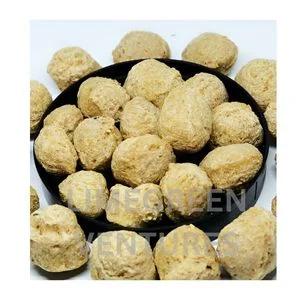
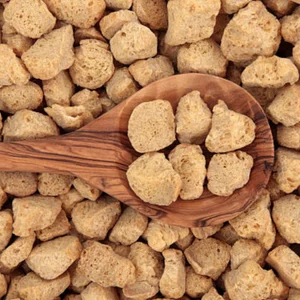
Our production facilities control the screw speed and barrel temperature profile dynamically. Under low-moisture extrusion (LME), the TVP is extruded as dry, shelf-stable chunks, minces, or flakes that are convenient for long-term storage in warm climates, like Manila's humid environment. For local processors, utilizing our dry TVP guarantees a shelf-life of up to 18-24 months under ambient warehousing conditions, drastically reducing cold-chain logistics costs.
In meat processing, the TVP must be rehydrated fully before mixing. Proper rehydration ensures that the plant protein fibers absorb the fats, spices, and broths typical of Philippine cooking styles, providing the iconic juicy experience of local delicacies like adobo, sisig, and meatballs.
Dongguan Tsrel Biology Co., Ltd. - Corporate Capabilities
Global Plant Protein Research, Development & Quality Compliance Systems
Dongguan Tsrel Biology Co., Ltd. is a professional China vegetal protein manufacturer specializing in the research, development, production, and supply of high-quality plant protein ingredients for food, beverage, and nutritional applications. With a strong focus on innovation, sustainability, and quality assurance, the company is dedicated to providing reliable plant-based ingredient solutions to customers worldwide, including major logistics channels serving Metro Manila and the wider Philippine archipelago.
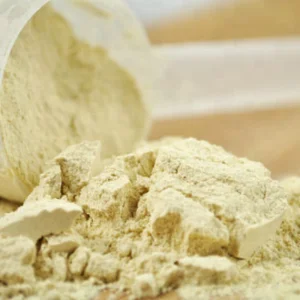
Equipped with advanced manufacturing facilities and modern processing technologies, Dongguan Tsrel Biology offers a comprehensive range of vegetal proteins, including soy protein, pea protein, rice protein, wheat protein, and other specialty plant proteins. These ingredients are widely used in functional foods, nutritional supplements, sports nutrition products, dairy alternatives, meat alternatives, beverages, bakery products, and health food applications.
Innovation is a key driving force behind the company's growth. Supported by an experienced research and development team, Dongguan Tsrel Biology continuously explores new technologies and application solutions to meet the evolving demands of the global food and nutrition industries. The company also provides customized ingredient solutions to help customers optimize product formulations, improve nutritional profiles, enhance texture, and create clean-label products.
Quality and food safety are integrated into every stage of production. From raw material sourcing and processing to final testing and packaging, strict quality control procedures are implemented to ensure product consistency, purity, safety, and compliance with international standards. This commitment enables the company to deliver dependable products that meet the rigorous requirements of global customers.
With customer satisfaction at the center of its operations, competitive manufacturing capabilities, stable supply chains, and professional technical support, Dongguan Tsrel Biology Co., Ltd. has established long-term partnerships with food manufacturers, distributors, and brand owners across international markets. The company remains committed to advancing sustainable nutrition through innovative plant protein solutions for the global marketplace.


Supply Chain Integrity & Manila Importation Compliance
Ensuring Smooth Maritime Logistics, Customs Clearing, and Strict Quality Certifications
Procuring raw ingredients in bulk requires meticulous supply chain coordination. For food manufacturers based in Manila, imports must navigate the Bureau of Customs (BOC) and obtain necessary clearances from the Food and Drug Administration (FDA) of the Philippines, including obtaining a License to Operate (LTO) and a Certificate of Product Registration (CPR).
At Dongguan Tsrel Biology Co., Ltd., we streamline the importation process by providing comprehensive documentation packages, including:
- Certificate of Analysis (COA): Detailed chemical, physical, and microbiological assays for every production batch.
- Non-GMO Declarations: Verifiable source traceability confirming that the soybeans, peas, and wheat utilized are strictly non-genetically modified.
- Halal & Kosher Certifications: Essential for targeting the diverse demographic profiles within Southeast Asia, ensuring compliance with local Halal-certified food manufacturers.
- HACCP & ISO 22000 Compliance: Globally recognized food safety systems covering the entire extrusion, sanitization, and packaging lifecycle.
Logistical Efficiencies from China to Manila Port
Due to the geographic proximity of our production facilities in Guangdong Province to major shipping hubs (Shenzhen Port, Guangzhou Port), ocean transit times to Manila North or South Harbor typically range from 5 to 7 days. This quick turnaround allows local food factories to practice "Just-In-Time" inventory management, freeing up valuable warehouse capital and reducing warehousing degradation risks in Manila's humid tropical weather.
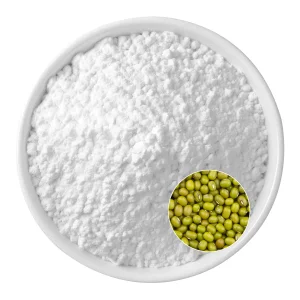
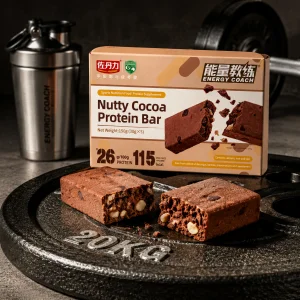
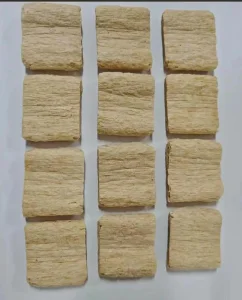
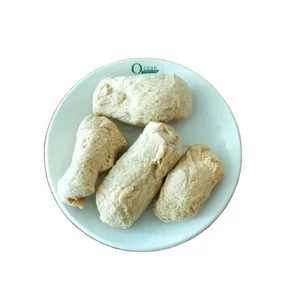
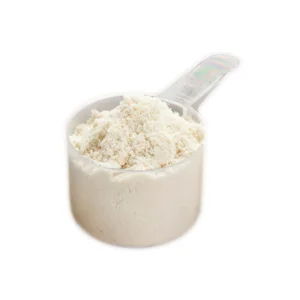
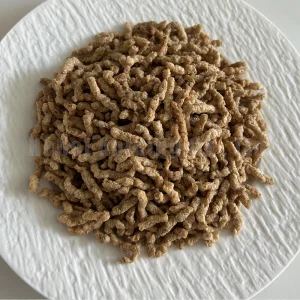
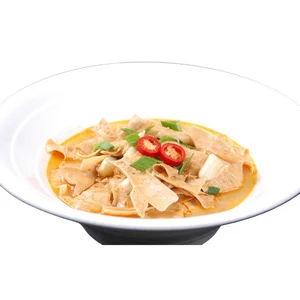
Complete Textured Vegetable Protein Catalog
Explore our full industrial line of functional proteins, TVP variants, and texturized matrices optimized for Manila's food plants.
Frequently Asked Questions
Technical Answers for Food Scientists, R&D Managers, and Procurement Officers in Manila
What is the minimum order quantity (MOQ) for TVP shipments to Manila?
Our standard containerized minimum order quantity (MOQ) is 5 to 10 metric tons, depending on whether the product is customized or our standard catalog specifications. We also offer smaller trial pallets for initial pilot production tests in Manila-based R&D centers upon consultation.
How does the tropical climate in Metro Manila affect the storage of Textured Vegetable Protein?
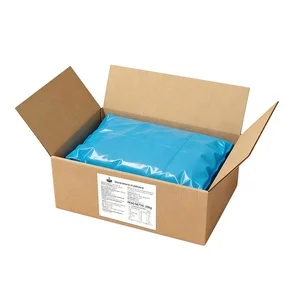
Because Metro Manila experience high relative humidity and temperatures, we recommend storing our low-moisture TVP in cool, dry warehouses off the ground on pallets. The product's packaging features high-barrier plastic lining to prevent humidity ingress, maintaining structural integrity and preventing mold growth for up to 24 months when left sealed.
Are your textured vegetable proteins Halal certified for the local and Southeast Asian markets?
Yes. All of Dongguan Tsrel Biology's plant-based protein processing facilities operate under verified Halal and Kosher certification rules. This ensures complete compliance with the requirements of Muslim consumer segments in both the Philippines (especially Mindanao and NCR communities) and neighboring export destinations.
Can you customize the shape, size, and hydration rates of the TVP to fit specific products like Siomai or Sisig?
Absolutely. Our dynamic twin-screw extrusion systems allow us to adjust die plates and cutting speeds. We produce mince sizes (1-3mm) suitable for dumplings, siomai, and lumpia, as well as larger chunks (10-20mm) and flakes engineered to mimic shredded chicken or pork for products like adobo and sisig.
What is the typical shipping timeline from your factory to the Port of Manila?
Once custom processing is complete and quality approval is granted, ocean container transport from Shenzhen or Guangzhou port to Manila South or North Harbor typically takes only 5 to 7 days. Customs clearance handling times vary depending on the local importer's FDA CPR registration status, which we support via comprehensive dossier provisions.
Do you provide technical assistance for local food technologists during formulation scale-up?
Yes. Dongguan Tsrel Biology Co., Ltd. has a dedicated technical support engineering team. We assist Manila food processing plants with optimal water rehydration ratios, mixing instructions, and methods to mask beany flavor profiles while maintaining the maximum structural bounce of the final product.
Optimize Your Formulation Costs with Premium TVP
Connect directly with our technical food engineers to obtain free samples, custom formulation reviews, and institutional wholesale quotes for Metro Manila.
Send Inquiry Now