Premium Plant Protein Innovations for Vietnam
Targeted solutions designed for nutritional enrichment, functional matrix construction, and texture customization in industrial operations.
The Scaling Demand for TVP in Vietnam's Dynamic Food Industry
Vietnam's food processing sector is experiencing rapid growth, driven by urbanization, expanding export pipelines, and a demographic shift toward nutritional consciousness. Dongguan Tsrel Biology Co., Ltd. serves as a key supplier in this evolution, providing high-performance Textured Vegetable Protein (TVP) designed to integrate into Vietnam's industrial food manufacturing systems.
Traditional Vietnamese cuisine has long incorporated plant-based proteins, rooted in the widespread practice of Buddhist vegetarianism (Ăn Chay). However, the modern industrial sector is adapting these foundations to target global meat-reduction and healthy eating trends. Food processors in major industrial hubs—ranging from Binh Duong and Dong Nai in the south to Bac Ninh and Hung Yen in the north—are actively seeking reliable sources of high-functional TVP to optimize manufacturing costs and improve texture profiles.
Additionally, Vietnam's massive instant noodle industry—which ranks among the top globally in per capita consumption—relies heavily on dehydrated TVP components in seasoning packs. The processed meat sector also uses TVP as a cost-efficient meat extender and stabilizing agent in local favorites like Chả lụa (Vietnamese pork sausage), fish balls, and various canned goods, helping factories manage raw material costs amid global animal protein volatility.
Vietnam Market Drivers
- ✔ Meat Extension & Cost Optimization: Helping Vietnamese meat processors reduce formulation costs by 15-30% without losing moisture or protein content.
- ✔ Plant-Based & Vegetarian Integration: Supporting local manufacturers in developing meatless spring rolls, vegan dim sum, and plant-based seafood alternatives.
- ✔ Retort & Extrusion Resilience: Providing TVP options that maintain structural integrity during the high-pressure thermal processing required in canning and retort packaging.
Global Market Dynamics & Extrusion Technology Roadmap
Deep-dive research on how raw crop matrices are converted into high-performance fibrous structures.
Global Raw Material Procurement
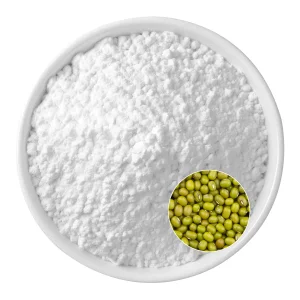
Global supply chains are shifting toward diversified raw materials. While soy remains the baseline standard due to its complete amino acid profile, alternative crops like pea, fava bean, wheat, and mung bean are gaining ground to support hypoallergenic and clean-label claims in global and regional markets.
Advanced Extrusion Physics
Texturizing vegetal protein involves heating, kneading, and shearing raw protein flours within a twin-screw extruder. High temperatures denature the globular proteins, and targeted shear forces align these molecules into parallel, fibrous bundles that mimic animal muscle tissue.
Quality Metric Optimization
We evaluate TVP performance across key technical indicators, focusing on water holding capacity (WHC), oil holding capacity (OHC), structural integrity during thermal retort, and shear force values (measured in N/g) to match specific meat textures.
Low-Moisture vs. High-Moisture Extrusion Technology
Dongguan Tsrel Biology Co., Ltd. utilizes modern manufacturing platforms to address the specific performance requirements of our clients:
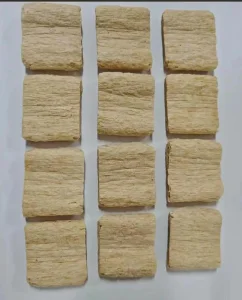
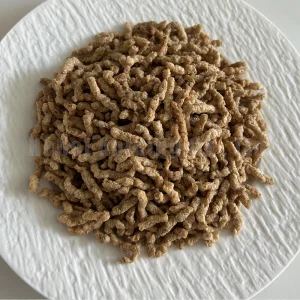
- Low-Moisture Extrusion (LME): Yields dry TVP products with 10-12% moisture levels, available in minced, granular, flake, or chunk formats. Features shelf stability, high water absorption capacities (often 3x to 4x dry weight), and suitability for instant noodle seasoning packs and processed meat extenders.
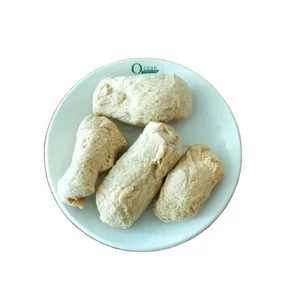
- High-Moisture Extrusion (HME): Processes materials with 50-70% moisture, generating a tender, fibrous product that closely mimics whole-muscle meat cuts (like chicken or beef strips). These products are distributed via frozen logistics chains and are designed for premium plant-based entrees.
Specialty Vegetable Proteins & Extruded Formats
Innovative plant-derived ingredients designed for specific food processing applications in regional and global markets.
Targeted Applications in Vietnamese Cuisine and Processing
Designing protein formulations for Vietnam's food sector requires addressing local culinary styles, high-temperature climates, and traditional processing methods. Our application engineering department has developed targeted guidelines to help food brands integrate TVP into local products:
1. Emulsified Sausages (Chả Lụa & Giò Lụa)
In traditional pork and beef sausage formulations, replacing a portion of the meat content with hydrated Wheat TVP or Soy Protein Concentrate helps manage ingredient costs. Our products are designed to cross-link with animal myofibrillar proteins during the emulsification and cooking stages, maintaining sliceability, bite resistance, and moisture control.
2. Dehydrated Fillings & Instant Noodle Seasoning Packs
For convenience food producers in Vietnam, our dry, granular TVP is optimized for quick rehydration in hot water, typically reaching a chewable state within 3 minutes. The protein matrix is engineered to absorb liquid seasonings, mimicking the flavor profile and mouthfeel of real minced pork or beef.
3. Vegan Spring Rolls (Chả Giò Chay) & Dim Sum Fillings
Mung Bean and Fava Bean TVP options provide plant-based alternatives that match the light texture and clean flavor profile required in delicate Vietnamese spring rolls and dim sum fillings without imparting a strong soy aftertaste.
Technical Hydration & Usage Guide
| TVP Format | Water Ratio | Rehydration Time | Primary Target |
|---|---|---|---|
| Minced Soy TVP | 1 : 3.0 - 3.2 | 5-8 minutes | Minced fillings, sauces |
| Wheat TVP Flakes | 1 : 2.5 - 2.8 | 10-12 minutes | Emulsified meat products |
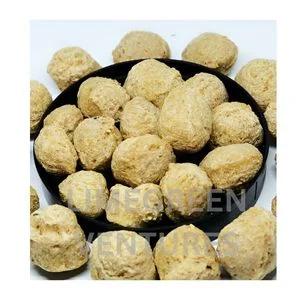
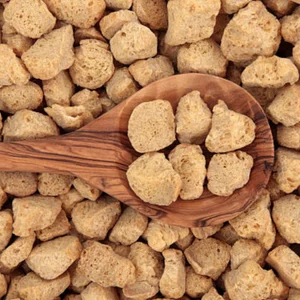
| Soya TVP Chunks | 1 : 3.2 - 3.5 | 15-20 minutes | Canned/Retort stews & curries |
Manufacturing Capabilities & Technical Infrastructure
Dongguan Tsrel Biology Co., Ltd. - Empowering plant-based food systems with advanced ingredient technology.
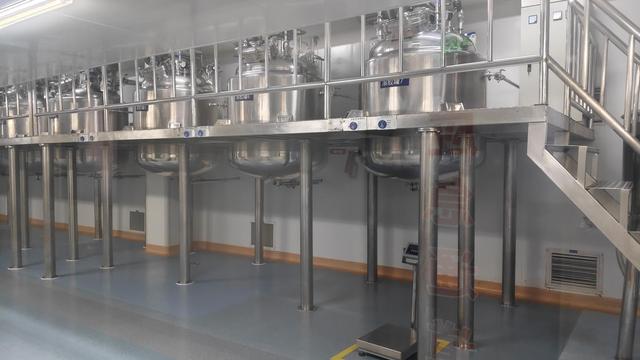
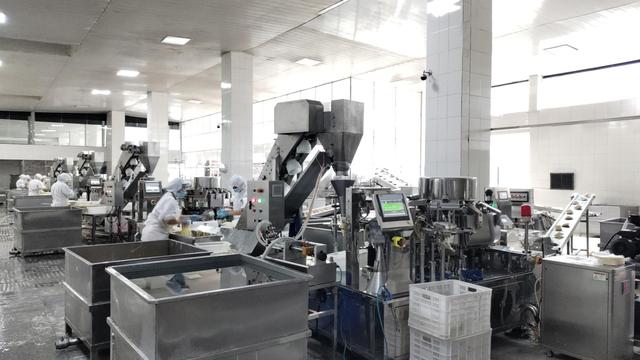
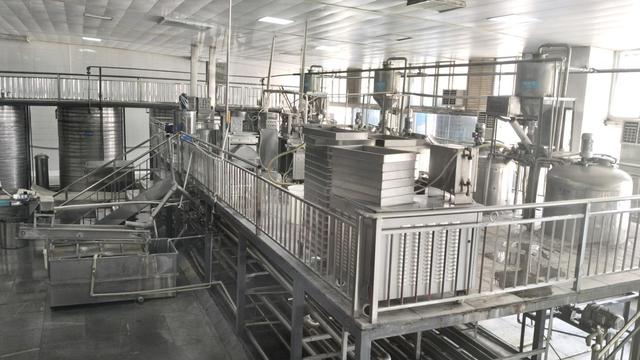
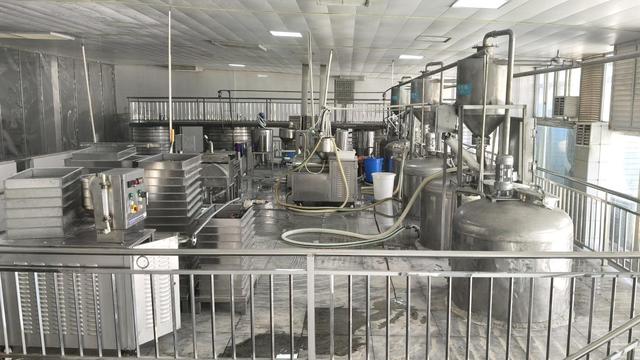
Dongguan Tsrel Biology Co., Ltd. is a professional China vegetal protein manufacturer specializing in the research, development, production, and supply of high-quality plant protein ingredients for food, beverage, and nutritional applications. With a strong focus on innovation, sustainability, and quality assurance, the company is dedicated to providing reliable plant-based ingredient solutions to customers worldwide.
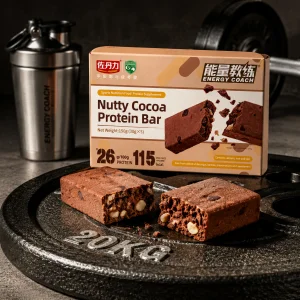
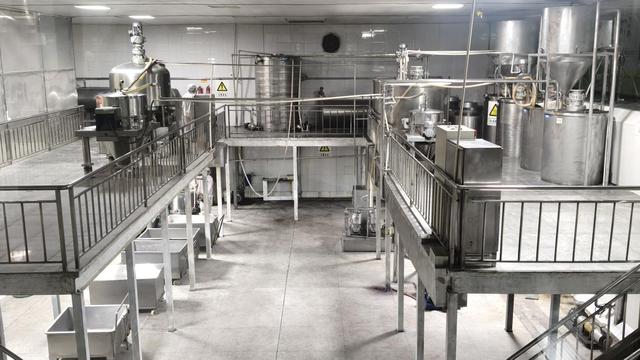
Equipped with advanced manufacturing facilities and modern processing technologies, Dongguan Tsrel Biology offers a comprehensive range of vegetal proteins, including soy protein, pea protein, rice protein, wheat protein, and other specialty plant proteins. These ingredients are widely used in functional foods, nutritional supplements, sports nutrition products, dairy alternatives, meat alternatives, beverages, bakery products, and health food applications.
Innovation is a key driving force behind the company's growth. Supported by an experienced research and development team, Dongguan Tsrel Biology continuously explores new technologies and application solutions to meet the evolving demands of the global food and nutrition industries. The company also provides customized ingredient solutions to help customers optimize product formulations, improve nutritional profiles, enhance texture, and create clean-label products.
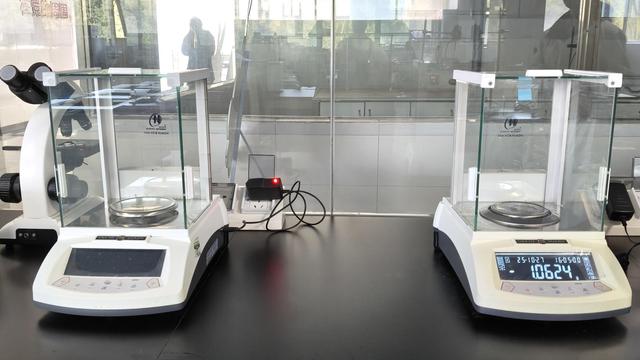
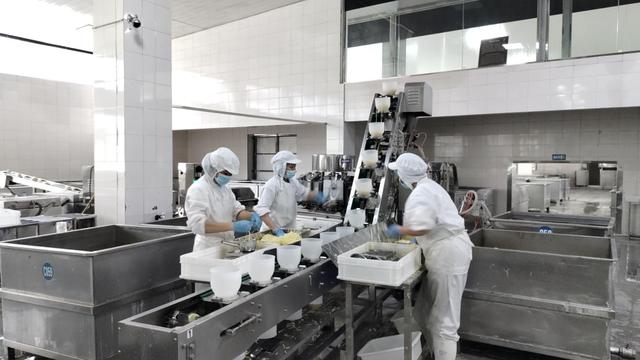
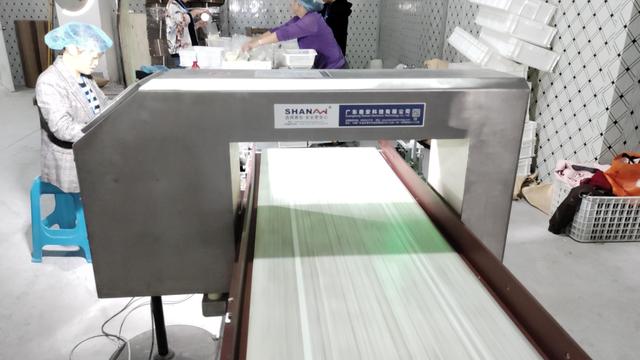
Quality and food safety are integrated into every stage of production. From raw material sourcing and processing to final testing and packaging, strict quality control procedures are implemented to ensure product consistency, purity, safety, and compliance with international standards. This commitment enables the company to deliver dependable products that meet the rigorous requirements of global customers.
With customer satisfaction at the center of its operations, competitive manufacturing capabilities, stable supply chains, and professional technical support, Dongguan Tsrel Biology Co., Ltd. has established long-term partnerships with food manufacturers, distributors, and brand owners across international markets. The company remains committed to advancing sustainable nutrition through innovative plant protein solutions for the global marketplace.

Technology Roadmap & Future Outlook (5-Year Strategy)
Our commitment to advancing plant-based protein functionality through R&D and processing innovation.
1. Alternative Crop Hybrid Extrusion
Our research team is working on blending non-soy proteins, such as mung bean, fava bean, and industrial pea isolates, into hybrid matrices. These combinations are designed to improve amino acid profiles and functionality, offering clean-label alternatives that support allergen-reduction strategies in regional and global markets.
2. Molecular cross-linking via Enzyme Treatment
We are incorporating transglutaminase (TG enzyme) processing protocols directly into our pre-extrusion mixing lines. This step helps optimize protein cross-linking, resulting in a firm texture and enhanced bite profile that mimics the springiness of traditional meat products when hydrated.
3. Sustainable Carbon Neutral Sourcing
We work closely with localized farming operations to audit and optimize energy inputs across our production chain. Our goal is to offer verified carbon-reduced ingredient profiles, helping our clients meet corporate sustainability benchmarks and consumer demand for eco-friendly products.
Explore Our Complete Plant Protein Catalog
Bulk ingredients designed to meet functional and nutritional specifications across diverse food processing applications.


Technical FAQ & Client Solutions
Answering key questions on functionality, logistics, and processing for manufacturers in Vietnam.
Optimize Your Plant-Based Formulations Today
Partner with Dongguan Tsrel Biology to secure reliable supply chains, optimize recipe costs, and leverage advanced extrusion technology for the Vietnamese food processing market.