Featured Plant Protein Portfolio
Premium functional botanical ingredients processed to ensure high digestibility, clean-label characteristics, and optimal formulation versatility.
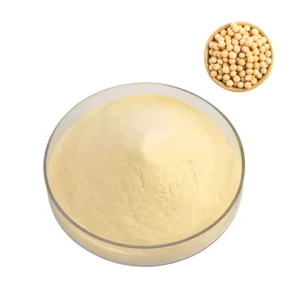
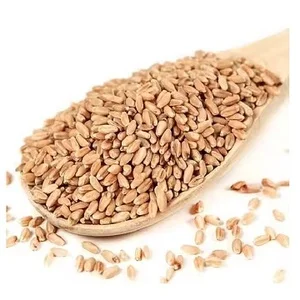
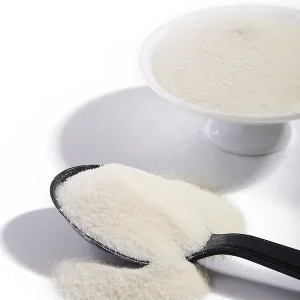
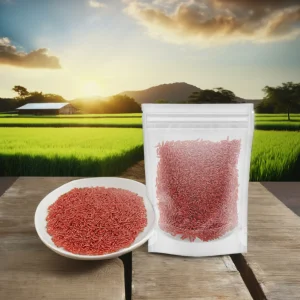
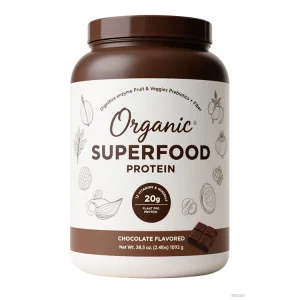
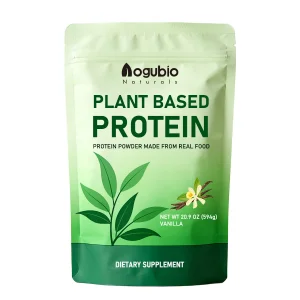
1. Global Landscape of Kidney Bean Protein Sourcing
The global demand for plant-based proteins is undergoing a structural shift. Historically dominated by soy and wheat, the plant protein sector is diversifying into novel pulse crops to satisfy consumer requests for non-GMO, clean-label, hypoallergenic, and functional ingredients. Among these alternatives, Kidney Bean Protein (primarily derived from Phaseolus vulgaris) has emerged as an industry vanguard.
Kidney bean protein isolate (typically standardized to 80% or 90% protein content) is highly prized not only for its macro-nutritional value but also for its secondary bio-activities. Specifically, it contains significant concentrations of phaseolamin, a naturally occurring alpha-amylase inhibitor that restricts the digestion of dietary starches. This dual role—acting as a clean structural protein source and a clinical-grade weight management active—has placed kidney bean protein at the intersection of general sports nutrition and targeted nutraceutical formulations.
"The market integration of phaseolamin-rich protein isolates represents a new paradigm in weight management, offering food formulators a bio-active block with structural texturizing properties."
Globally, manufacturers have localized their production lines based on agricultural proximity, energy efficiencies, and extraction technologies. North American and Western European factories focus heavily on wet fractionation of local crops, whereas Asian manufacturers—specifically in China—have leveraged vast industrial facilities, highly responsive supply networks, and proprietary isolation technologies to command a significant portion of the global trade volume.
Hypoallergenic Profile
Unlike soy and wheat gluten, kidney bean protein isolate does not fall under the major allergens list, presenting food brands with clean-label, allergen-free formulation opportunities.
Starch Block Bio-Activity
Retaining native phaseolamin activity requires highly controlled low-temperature filtration systems, preventing enzyme denaturing during industrial isolation.
Formulation Flexibility
Demonstrates excellent solubility, foaming capabilities, and water binding properties suitable for modern plant-based meat, dairy alternatives, and nutraceutical tablets.
2. Technical Sourcing Roadmap: Extraction and Isolation Technology
The manufacturing process of Kidney Bean Protein dictates its functional grade. In procuring bulk ingredients, B2B buyers must evaluate the specific separation technologies utilized. Broadly, these can be categorized into Dry Fractionation and Wet Extraction methods. Wet extraction, specifically alkaline extraction coupled with isoelectric precipitation, remains the gold standard for high-purity protein isolate production.
| Technology Route | Target Concentration | Phaseolamin Retention | Ideal Food Applications |
|---|---|---|---|
| Dry Air Classification | 50% - 60% (Concentrate) | Low (thermal/mechanical stress) | Extruded pet treats, high-fiber bakery products |
| Isoelectric Precipitation | 80% - 85% (Isolate) | Medium (pH shifts can alter enzyme activity) | Meat analogs, protein shakes, meal replacements |
| Membrane Ultrafiltration | 85% - 92% (High-Purity Isolate) | High (cold processing preserves native proteins) | Nutraceutical tablets, clear weight-loss supplements |
| Enzymatic Mild Hydrolysis | 80% (Peptide base) | Low (intentionally cleaved peptides) | Rapid absorption sports nutrition, senior diet powders |
Industrial processing relies heavily on preserving the native folding state of globulins (primarily phaseolin). When designing manufacturing parameters, top-tier factories employ multi-stage horizontal decanters and ceramic membrane filtration systems. This avoids high thermal loads that denature the protein, thereby retaining water-binding capacity (WBC) and oil absorption capacity (OAC) while keeping heavy metal content and microbial thresholds within strict pharmaceutical limits.
3. Industrial Resilience: Why China Factories Lead the Plant Protein Market
Understanding the micro and macro-economic factors that define the supply chain stability of botanical protein ingredients.
The stability of the plant-based protein supply chain is governed by upstream agricultural availability, energy costs, logistics infrastructures, and processing scaling. Chinese factories, notably located in technological corridors, have developed a highly integrated cluster model. In this setup, raw material pulses are transported via high-capacity rail lines directly from the agricultural belts, and processed inside highly automated plants powered by co-generation energy facilities.
Furthermore, local environmental compliance regulations have pushed Chinese factories to adopt zero-waste closed-loop systems, where starch co-products are converted into high-fiber ingredients (such as instant low-GI rice or vermicelli) or utilized for green energy generation. This dual-product model significantly reduces overhead costs, shielding international buyers from the pricing volatility common in Western agricultural processing.
4. Core Manufacturer Profile & Technical Capabilities
To contextualize the operational standard required of a global vegetal protein partner, we examine the production model and system setup of Dongguan Tsrel Biology Co., Ltd., a benchmark plant protein manufacturer specializing in clean-label botanical ingredients.
Dongguan Tsrel Biology Co., Ltd. is a professional China vegetal protein manufacturer specializing in the research, development, production, and supply of high-quality plant protein ingredients for food, beverage, and nutritional applications. With a strong focus on innovation, sustainability, and quality assurance, the company is dedicated to providing reliable plant-based ingredient solutions to customers worldwide.
Equipped with advanced manufacturing facilities and modern processing technologies, Dongguan Tsrel Biology offers a comprehensive range of vegetal proteins, including soy protein, pea protein, rice protein, wheat protein, and other specialty plant proteins. These ingredients are widely used in functional foods, nutritional supplements, sports nutrition products, dairy alternatives, meat alternatives, beverages, bakery products, and health food applications.
Innovation is a key driving force behind the company's growth. Supported by an experienced research and development team, Dongguan Tsrel Biology continuously explores new technologies and application solutions to meet the evolving demands of the global food and nutrition industries. The company also provides customized ingredient solutions to help customers optimize product formulations, improve nutritional profiles, enhance texture, and create clean-label products.
Quality and food safety are integrated into every stage of production. From raw material sourcing and processing to final testing and packaging, strict quality control procedures are implemented to ensure product consistency, purity, safety, and compliance with international standards. This commitment enables the company to deliver dependable products that meet the rigorous requirements of global customers.
With customer satisfaction at the center of its operations, competitive manufacturing capabilities, stable supply chains, and professional technical support, Dongguan Tsrel Biology Co., Ltd. has established long-term partnerships with food manufacturers, distributors, and brand owners across international markets. The company remains committed to advancing sustainable nutrition through innovative plant protein solutions for the global marketplace.
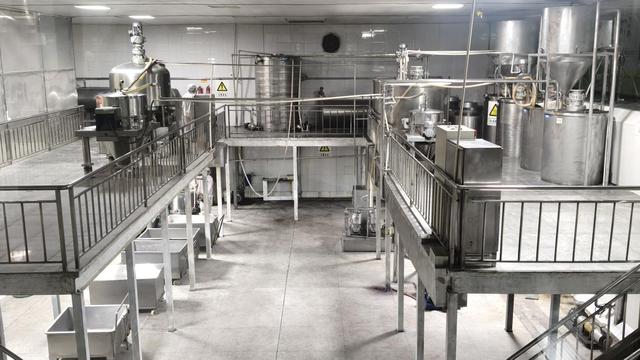
Factory Production Line & Infrastructure Showcase
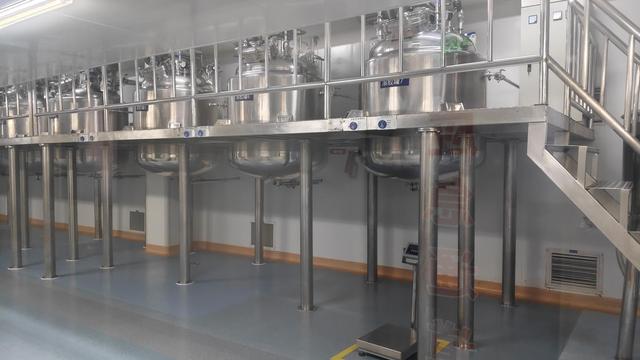
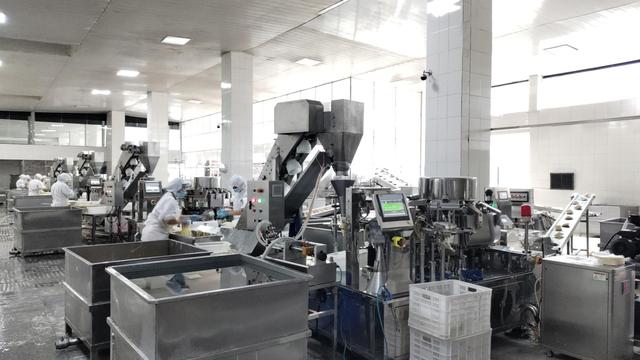
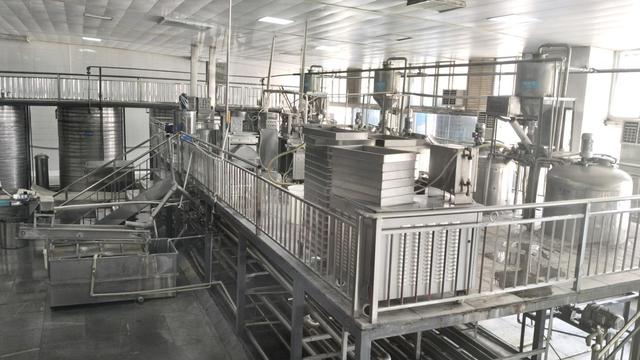
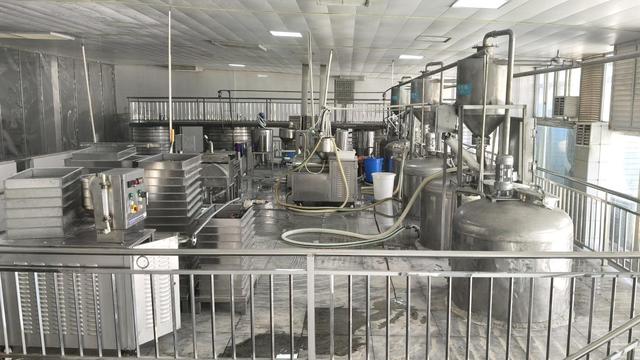
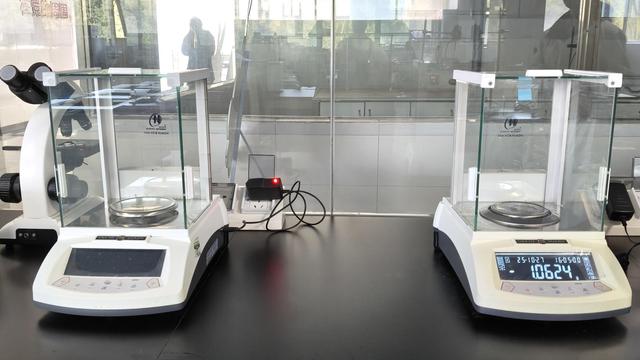
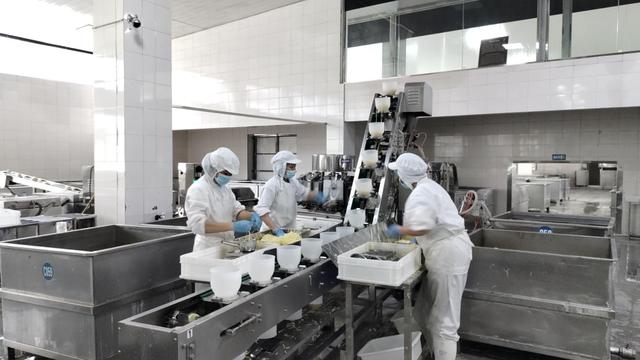
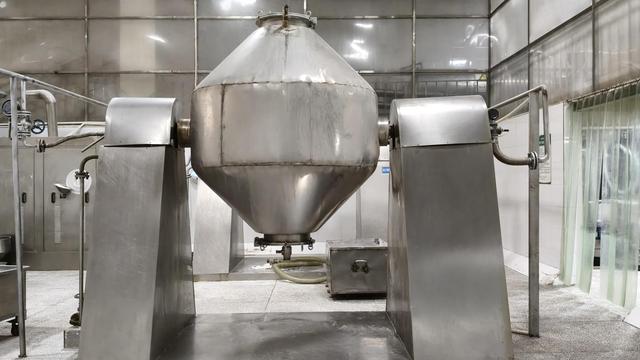
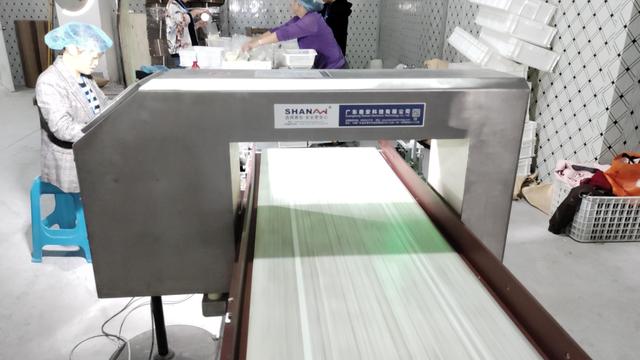
The manufacturing capabilities are supported by rigorous quality testing laboratories, clean-room spray drying facilities, and automated packaging lines that prevent cross-contamination. Below is an overview of the manufacturing floor, extraction equipment, and laboratory setup:
5. Localized Application Scenarios & Compliance Protocols
When selecting a supplier from the top 10 kidney bean protein factories, B2B buyers must coordinate with the manufacturer’s application engineers to match regional product goals. Protein structure dictates behavior; thus, localization of formulation is key.
North American & European Weight Management & Keto Formulations
In mature western markets, kidney bean protein is heavily integrated into carb-conscious meal replacements, ready-to-mix (RTM) powders, and capsule formulations. Manufacturers targeting these markets must guarantee high levels of Phaseolamin (alpha-amylase inhibition units), measured via standardized starch degradation assays. Sourcing teams should seek factories that provide validated testing certificates confirming phaseolamin levels remain active post-spray-drying.
Asia-Pacific Glycemic Index (GI) Regulation
In fast-growing East Asian markets, where high-rice diets are prevalent, kidney bean protein isolates are combined with dietary fibers (such as Konjac glucomannan or resistant maltodextrin) to formulate Low-GI staple food alternatives. For instance, incorporating kidney bean protein into instant red rice formulations lowers starch hydrolysis rates, offering a clinical-grade option for blood sugar management.
Regulatory and Compliance Frameworks
Securing cross-border clearance requires deep regulatory documentation. The leading 10 manufacturers maintain robust validation departments to support client registration processes:
- US FDA GRAS (Generally Recognized as Safe): Critical for functional foods. The manufacturing process must not introduce chemical residues or solvents like hexane.
- EU Novel Food Status: For specific high-purity concentrates, European food law requires rigorous dossiers detailing toxicology, molecular profiles, and allergen risk assessments.
- Halal & Kosher Certification: Essential for international distribution, requiring strict separation of production lines and verified cleaning validation protocols.
6. Procurement Sourcing Checklist for B2B Purchasing Directors
Before issuing a Request for Proposal (RFP) to a global manufacturer, ensure your quality assurance checklist aligns with current food safety and process engineering standards:
1. Protein Extraction Method
Ensure the supplier uses physical separation or membrane filtration if your brand promises chemical-solvent-free processing. Verify if there is any residue of organic solvents.
2. Analytical Testing Methods
Confirm the Dumas method or Kjeldahl method is used to determine total nitrogen, and establish the standard conversion factor (typically 6.25 for pulses).
3. Functional Characteristics
Request data on pH solubility curves, emulsion stability index (ESI), and foam stability to ensure compatibility with your plant-based milk or baking formulation.
7. Future Outlook: Enzymatic Upgrades & Advanced Bio-Peptides
The next frontier in kidney bean protein engineering involves the generation of targeted bioactive peptides. Through advanced enzymatic hydrolysis, manufacturers can cleave large phaseolamin proteins into specific, low-molecular-weight peptides that exhibit enhanced cellular uptake and elevated bio-activity. Research and development teams at top-tier facilities are actively exploring how these peptides interact with satiety hormones (like GLP-1) to offer next-generation natural appetite management solutions.
Discover More Advanced Plant Proteins
Explore our complete range of plant isolates, proteins, and peptides designed for clinical nutrition, clean-label foods, and sports formulations.
Frequently Asked Questions (FAQ)
Addressing critical technical and sourcing questions regarding kidney bean protein isolates.