1 / 5
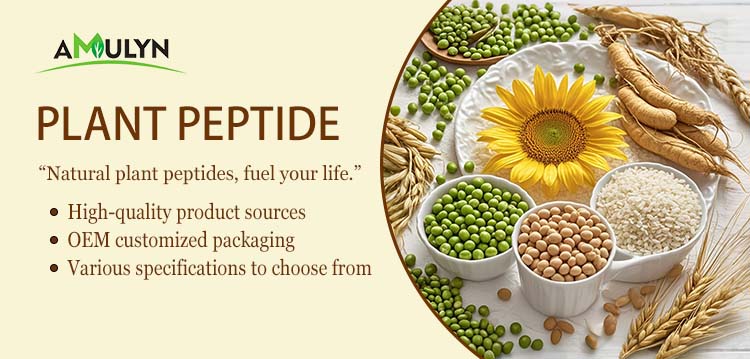
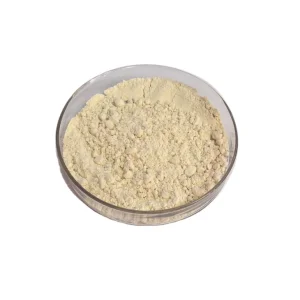
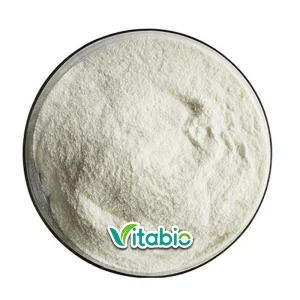
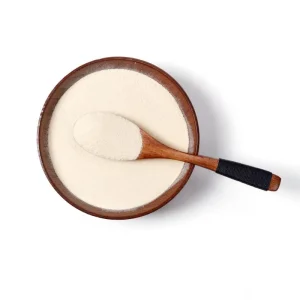
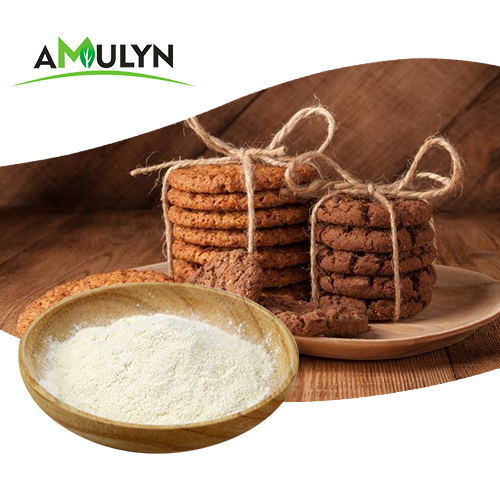
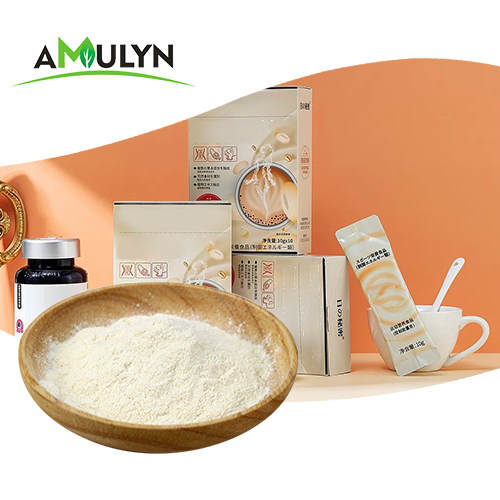
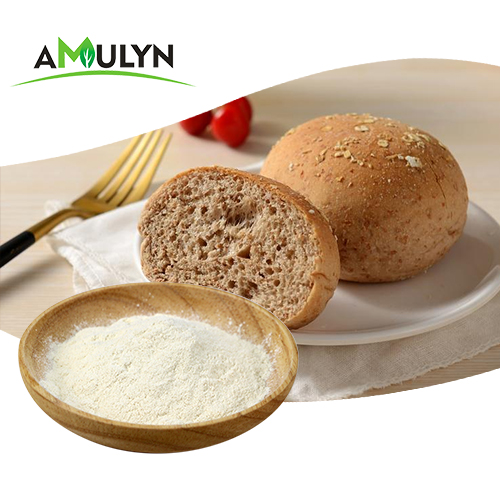
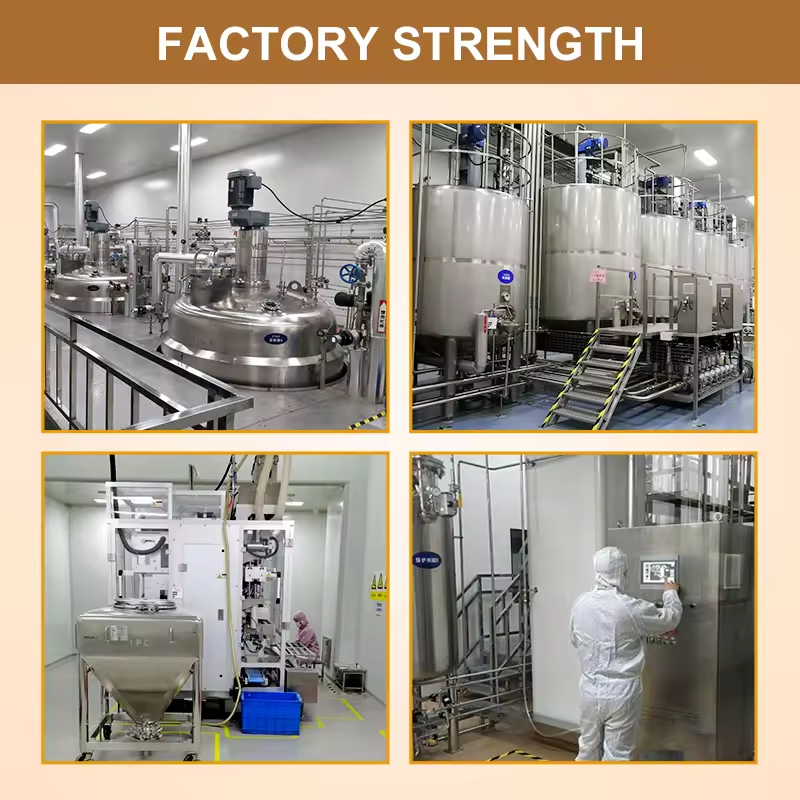
Plant peptide powder is made by decomposing plant protein through a special process. It is rich in high-quality protein, can provide the human body with essential amino acids, meet the body's needs for protein, and help maintain the body's normal physiological functions. Plant peptide powder has a small molecular weight and is easier to be absorbed and used by the human body than ordinary protein. At the same time, the plant source is rich. The AMULYN plant peptide powder series can be extracted from a variety of plants, such as soybeans, wheat, peas, etc. These plant resources are rich and renewable, and will not cause excessive pressure on the environment. In addition, the production process of plant peptide powder is relatively environmentally friendly. Usually, animal-derived raw materials are not required, which reduces dependence on animals and environmental pollution during breeding. It is a perfect environmentally friendly raw material.

| Product | Nutritional Profile & Benefits |
|---|---|
| Pea Peptide | Rich in amino acids, hypoallergenic |
| Soy Peptide | Non-GMO, low fat, low cholesterol |
| Rice Peptide | Mild and non-irritating, easy to add |
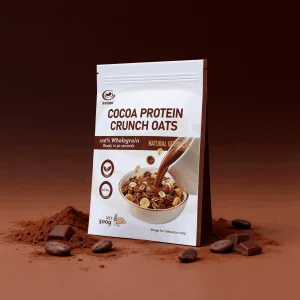
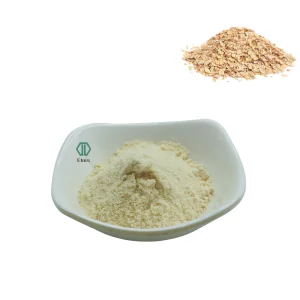
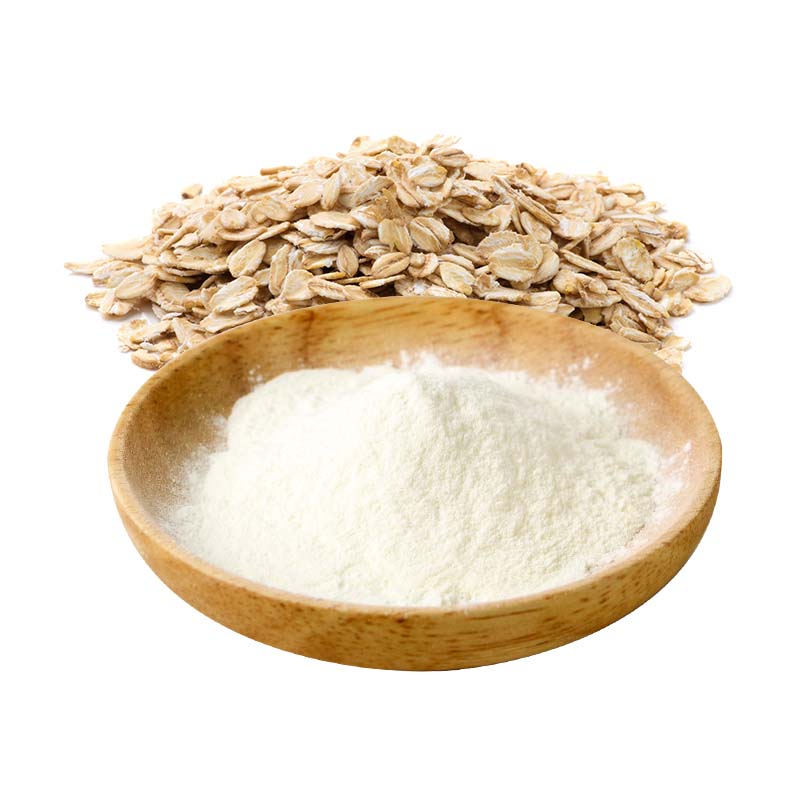
| Oat Peptide | High in dietary fiber, scavenges free radicals |
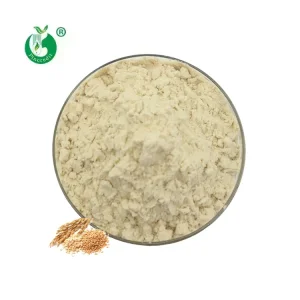
| Wheat Peptide | Retains wheat nutrients, tasteless, easy to process |
| Mung Bean Peptide | Natural vitamins, minerals and other nutrients |
| Ginseng Peptide | Various active ingredients, such as ginsenosides and ginseng polysaccharides |
| Sunflower Peptide | Sunflower seed protein extraction, high nutritional value |