Featured Kuala Lumpur Market Introductions
Engineered to meet the stringent demands of Malaysia's growing healthy food processing sectors. Designed for high compatibility with local culinary profiles and modern nutrition requirements.
Industrial Dynamics of Pea Protein in Kuala Lumpur
As the economic heart of Malaysia, the Klang Valley (encompassing Kuala Lumpur and Selangor) is undergoing a major structural shift in food production. Driven by the Malaysian Government's National Agrofood Policy 2.0 (DAN 2.0) and a rising regional focus on food security, local food processing companies are pivoting rapidly toward sustainable and plant-based protein alternatives. Plant proteins, particularly yellow pea protein (derived from Pisum sativum), are gaining massive market traction.
Halal-Compliant Food Matrices
Malaysia is globally recognized for its gold-standard JAKIM Halal certification system. Unlike animal-derived gelatin or whey proteins, pea protein offers a naturally allergen-free, clean-label raw material that seamlessly fits the parameters of Halal food production. Manufacturers in Kuala Lumpur use it to produce functional meats, dairy alternatives, and instant nutritional drinks.
Strategic Supply Chain Hub
Kuala Lumpur's proximity to Port Klang, one of the busiest maritime trade hubs in Southeast Asia, makes it a vital logistical center for bulk plant protein distribution. By partnering with advanced manufacturing plants in mainland China, local KL suppliers bridge raw material access with scale, keeping production costs competitive.
Technical Roadmap & Protein Extraction Science
In the B2B supply of pea protein, functional behavior under heat, shear, and pH variations determines the quality of the final product. Understanding the physicochemical parameters is essential for R&D engineers formulating meat alternatives, RTD (Ready-to-Drink) powders, and high-protein foods in Kuala Lumpur.
1. The Extraction Process: Dry vs. Wet Milling
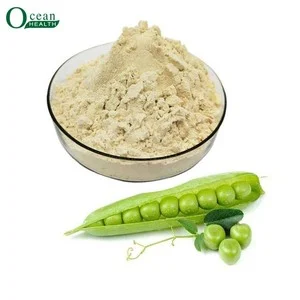
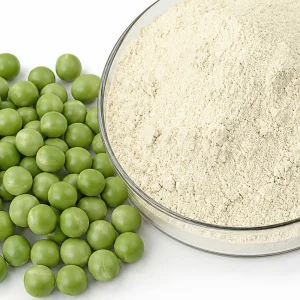
Our manufacturing facilities utilize an advanced low-temperature wet extraction process to isolate protein from the starchy endosperm of non-GMO yellow peas. Unlike dry air-classification which yields a maximum protein content of 50-60%, wet extraction achieves a purity of 80% to 85% by solubilizing the protein in an aqueous phase, separating insolubles via decanter centrifuges, and retrieving the target isolates through precise isoelectric precipitation (around pH 4.5).
This method preserves the native structure of the protein molecules, protecting the crucial functional properties: Emulsification, Water-Binding Capacity (WBC), and Gelation.
2. Hydrolysis and Bioactive Peptide Development
For specialized applications like sports recovery products or clinical nutrition, raw pea isolate is subjected to controlled enzymatic hydrolysis using food-grade proteases. This process breaks down long polypeptide chains into low-molecular-weight peptides (often tripeptides), reducing viscosity and significantly improving gut absorption rates.
The resulting hydrolyzed pea protein powder offers optimal solubility across a wide pH spectrum, making it perfect for acidic beverages and clear protein waters without sedimentation.
Enterprise Grade Formulations & Isolates
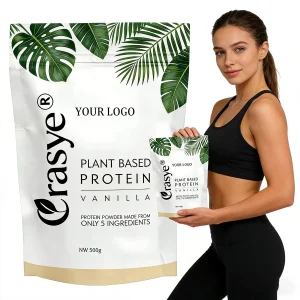
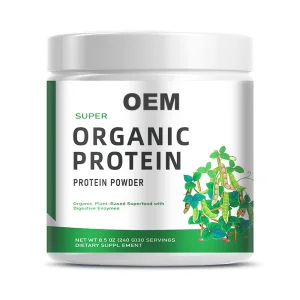
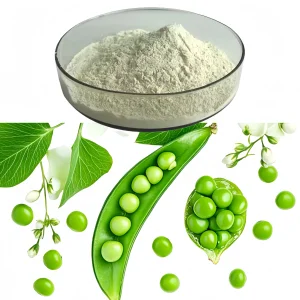
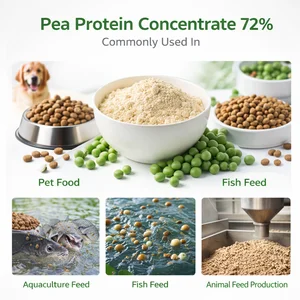
Optimized plant protein solutions tailored for sports nutrition brands, private labels, and industrial agricultural feed applications.
Dongguan Tsrel Biology: China Industry 4.0 Advantage
For raw ingredient procurement teams in Kuala Lumpur, supply chain security, cost control, and batch consistency are paramount. Dongguan Tsrel Biology Co., Ltd. serves as a reliable global vegetal protein manufacturer, utilizing advanced processing technologies to support international markets.
High-Throughput Smart Manufacturing
Equipped with modern spray dryers, automated ultrafiltration loops, and computerized batch tracking systems, our production facilities process thousands of tons of plant-based materials annually. This level of scale protects our B2B customers from price fluctuations and guarantees reliable delivery schedules.
Each batch undergoes strict testing for heavy metals, pesticide residues, and microbiological contaminants, ensuring compliance with both China's National Food Safety Standards and Malaysia's Food Regulations 1985.
Direct Logistics to Port Klang & Greater KL
Leveraging our location in the Pearl River Delta (Dongguan, Guangdong), we offer fast shipping options to Port Klang, Malaysia. Transit times from Shenzhen or Guangzhou ports typically range from 5 to 7 days.
We handle all export documentation, sanitary certificates, and customs clearance procedures, ensuring a seamless, worry-free delivery experience for food manufacturers in Kuala Lumpur, Selangor, and Penang.
Functional Food Solutions for the Malaysian Market
Our pea protein ingredients are engineered to solve specific formulation challenges in different food and beverage sectors.
1. Plant-Based Dairy & Beverages
Achieving a smooth mouthfeel in non-dairy milk (like oat, soy, or pea blends) requires fine particle distribution. Our 80% Pea Protein Isolate is micronized to prevent grittiness, providing excellent suspension properties in RTD milk teas and protein shakes.
2. Vegetarian Meat Alternatives
Textured Vegetable Protein (TVP) derived from peas offers a fibrous texture that mimics meat. It provides high water-holding capacities, helping local food processors formulate juicy plant-based burger patties, nuggets, and traditional dim sum fillings.
3. Sports Nutrition & Gym Supplements
With a rich amino acid profile—high in Branched-Chain Amino Acids (BCAAs: Leucine, Isoleucine, Valine) and L-Arginine—our pea protein isolates support muscle recovery and lean muscle development, making them a popular clean-label option for sports brands.
Complete Product Catalog & Technical Grade Materials
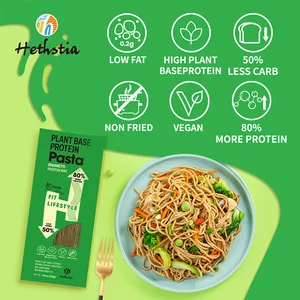
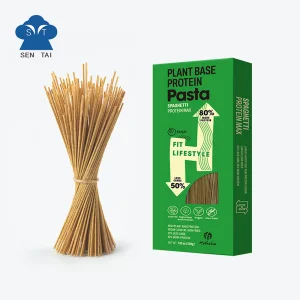
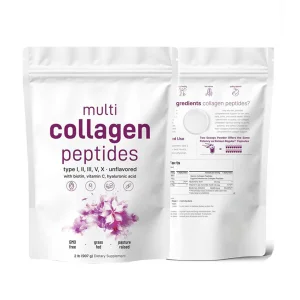
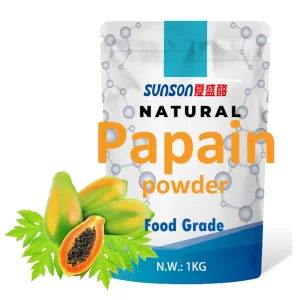
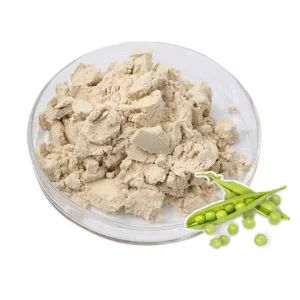
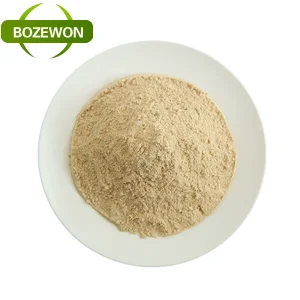
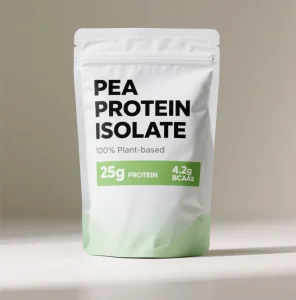
Explore our complete catalog of plant proteins, processing enzymes, and functional pasta formulations available for bulk orders in Kuala Lumpur.
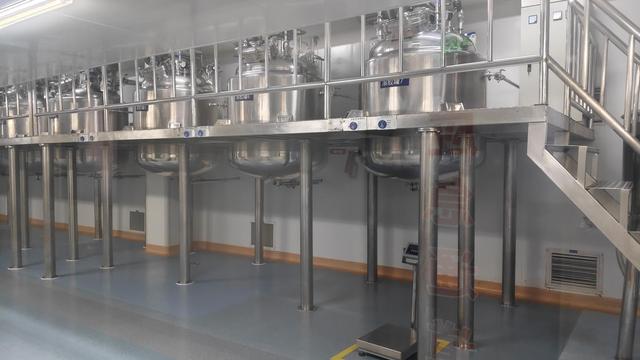
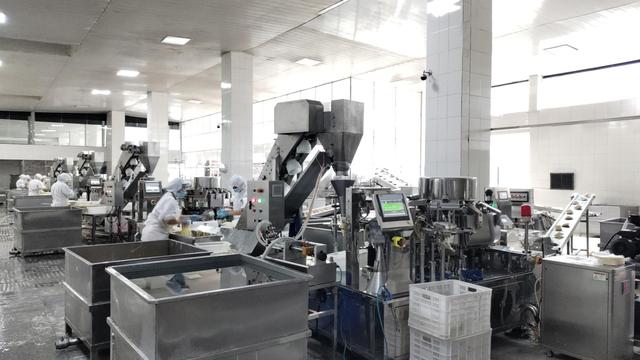
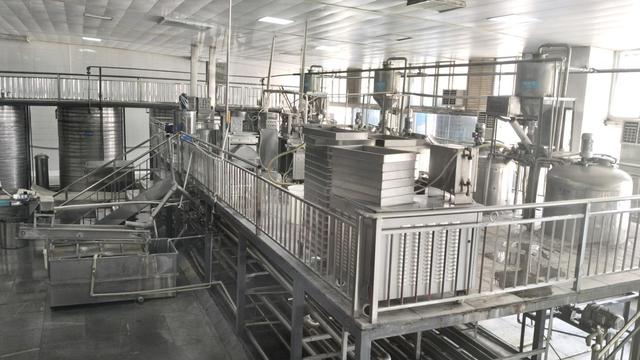
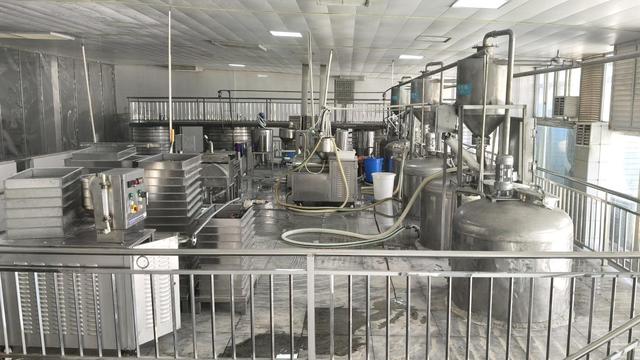
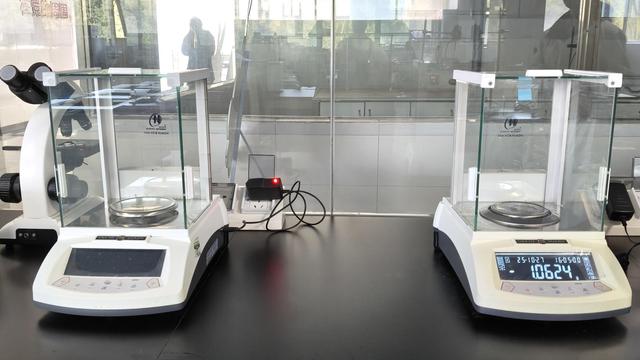
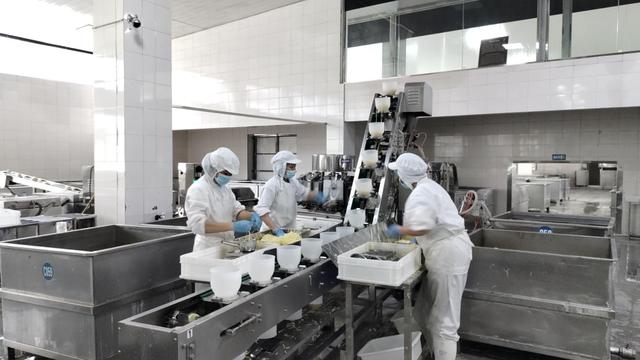
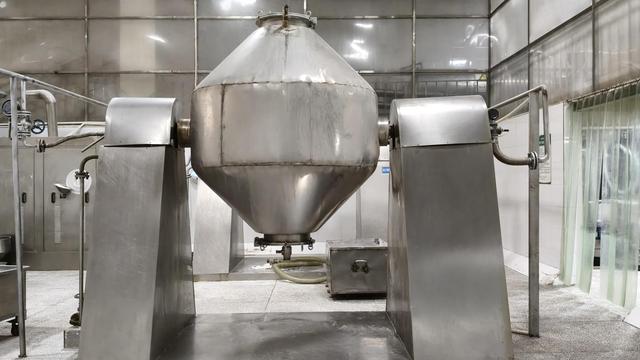
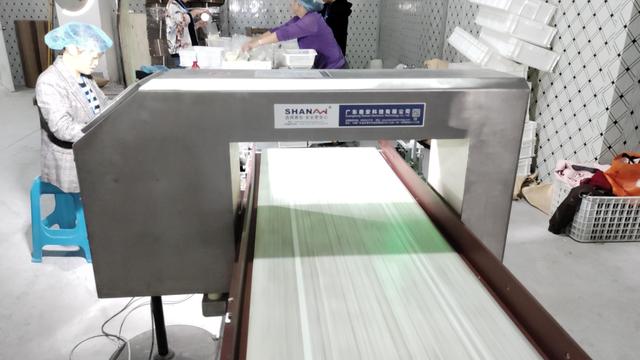
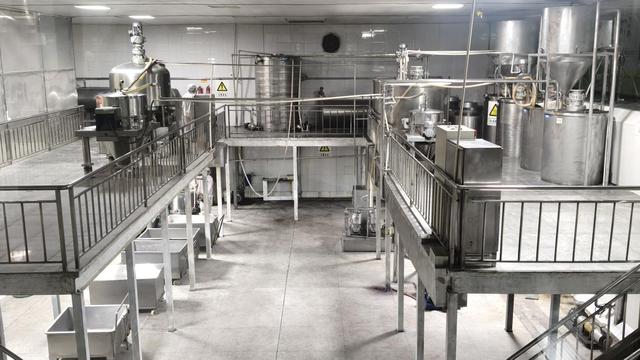
Our Modern Facilities & Quality Control Operations
Take a look inside our state-of-the-art production lines, modern R&D laboratories, and clean-room packaging facilities.
Frequently Asked Questions (FAQ)
Find quick answers to common questions about technical parameters, regulatory compliance, and shipping logistics.
Request a Technical Data Sheet & Free Sample Box
Ready to optimize your product formulas? Get in touch with our engineering team to request customized samples, detailed certificate books, and volume pricing terms.
Send Inquiry Now