Strategic Plant Protein Supply Chains in Western Canada
The industrial landscape of Calgary and the wider Alberta region is undergoing a profound transformation. As a major logistics corridor and the heart of Canada’s agricultural economy, Calgary serves as a critical distribution node for bulk ingredients, feed formulation, and food science innovation. Amid rising global demands for sustainable plant proteins, sourcing highly digestible, functional corn-derived protein isolates and peptides has become a top priority for procurement directors and product developers throughout the province.
Corn protein, specifically in the form of high-purity Zein and hydrolyzed corn peptides, offers unique advantages. Unlike other plant proteins, corn protein features excellent thermal stability, a unique amino acid profile, and hydrophobic properties that make it invaluable for clean-label food structures, specialty animal feeds, and industrial bio-coatings. By partnering with advanced manufacturing plants, Calgary-based enterprises are securing stable supply pathways to mitigate global shipping risks and quality deviations.
Alberta's Protein Shift
With major investments flowing into plant-based processing facilities across the Western Canadian Prairies, companies are demanding high-performance protein alternatives to support massive livestock systems, pet food production lines, and organic food processing units.
Discuss Calgary SourcingPrimary Industrial Solutions for the Calgary Market
Engineered to meet the exact requirements of Alberta's agricultural feed lots, bio-processing facilities, and food innovation projects.
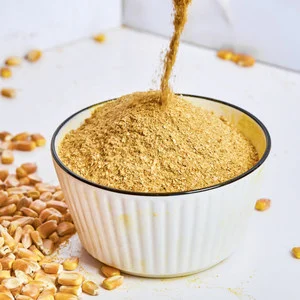
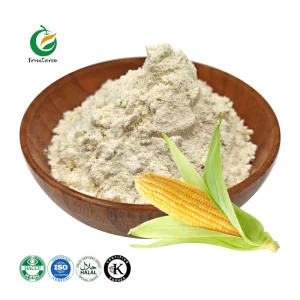
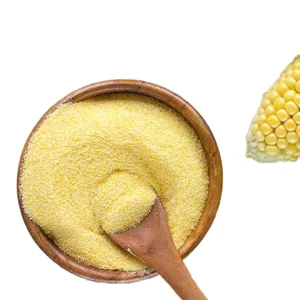
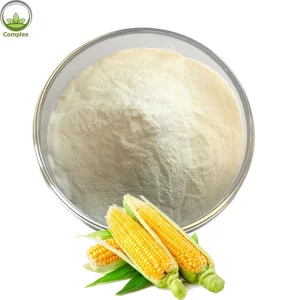
Calgary's Dynamic Agro-Industrial Sector and Plant Protein Demands
The city of Calgary is recognized globally for its energy sector, but it is also the driving engine behind Western Canada's value-added food processing and agribusiness industries. Strategically placed near the Canadian Pacific Railway (CPKC) main lines and major highway transport routes, Calgary functions as a critical assembly and processing hub for raw agricultural products. The demand for highly concentrated corn proteins, specifically corn gluten meal and hydrolyzed corn peptides, is largely driven by three key regional sub-sectors:
Premium Pet Food Manufacturing
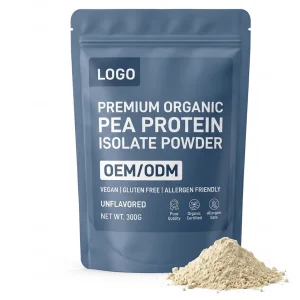
Alberta is home to world-class premium pet food brands that distribute globally. They require highly digestible, non-GMO, clean-label plant protein concentrates like corn zein and gluten-free pea protein isolates to construct balanced amino acid profiles without allergen risks.
Intensive Livestock & Feed Industry
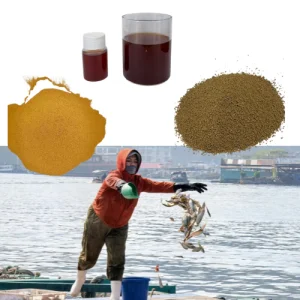
The "Feedlot Alley" surrounding Lethbridge and southern Alberta relies heavily on Calgary's supply network. Standard feed barley and wheat are frequently supplemented with high-protein corn gluten meal (60%-65% protein) to accelerate growth cycles and provide energy-dense nutrient matrices.
Alternative Food Processing
Calgary is rapidly adopting plant-based consumer products. Food scientists are deploying specialized corn starches, resistant dextrins, and functional plant proteins to enhance texture, water retention, and mouthfeel in vegan meats, dairy alternatives, and meal replacements.
Local manufacturers are facing high freight volatility and inconsistent raw material grades. To counter this, Calgary businesses are moving away from spot-market trading toward long-term agreements with global producers who maintain strict quality controls, low moisture index profiles, and customized enzymology modifications. Secure and reliable sourcing ensures that factory operations run continuously, avoiding expensive downtime in Calgary's fast-moving industrial zones.
Decoupling Zein & Hydrolyzed Corn Proteins: Functionality Demystified
Understanding the molecular properties of corn protein fractions is essential for proper industrial application. For years, corn gluten meal was viewed solely as an animal feed ingredient. Today, state-of-the-art fractionating and enzymatic processing isolate highly functional components with tailored physical-chemical properties:
1. The Prolamin Structure: Zein
Zein is the primary storage protein found in corn endosperm, representing roughly 45% to 50% of the total protein content. Formed primarily of hydrophobic amino acids (such as glutamic acid, proline, alanine, and leucine), Zein is entirely insoluble in water but highly soluble in aqueous alcohol solutions (typically 60–90% ethanol or isopropyl alcohol). This hydrophobic nature allows Zein to create excellent biodegradable moisture-barrier coatings. In food processing, it is used as a natural glaze for confectionery, a protective layer for nuts, and a coating for dietary supplements to mask odors and manage targeted release profiles.
2. Enzymatic Hydrolysis & Peptides
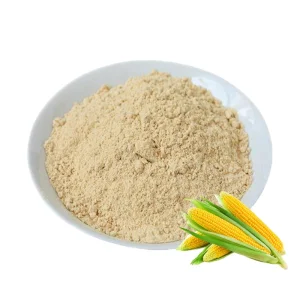
By treating corn protein with specific endo- and exo-peptidases, manufacturers break down the dense, insoluble protein chains into smaller, bio-active peptides (Hydrolyzed Corn Protein Zein Powder). This process delivers key advantages:
- Increased Water Solubility: Breaks down hydrophobic structures, allowing the peptides to dissolve quickly in functional beverages and liquid feed mixes.
- Superior Bioavailability: The smaller peptide molecules are absorbed rapidly by both animals and humans, making them highly effective for sports nutrition and early-stage livestock feeding.
- Antioxidant Action: Specific peptide chains protect cell structures from oxidative damage, extending product shelf lives naturally.
Comparison Matrix: Functional Plant Protein Isolates
| Protein Source | Protein Purity | Solubility Profile | Primary Industrial Application |
|---|---|---|---|
| Zein (Corn Prolamin) | 90% - 99% | Alcohol soluble, water insoluble | Bio-coatings, tablets, active packaging |
| Hydrolyzed Corn Peptide | 75% - 85% | 100% Water soluble | Nutraceuticals, clear drinks, cosmetics |
| Corn Gluten Meal | 60% - 65% | Low solubility (dispersible) | Poultry/aquaculture feeds, pet food |
| Pea Protein Isolate | 80% - 85% | Dispersible in water | Meat alternatives, allergen-free nutrition |
Global Sourcing Demands and Sourcing Operations in Calgary
In a world characterized by geopolitical instability, fuel cost fluctuations, and regional weather anomalies, securing industrial-scale plant proteins requires robust logistical planning. For Calgary manufacturers, sourcing from specialized facilities in China, such as Dongguan Tsrel Biology, offers a balance of cost efficiency, high-volume consistency, and advanced technological execution.
The journey from a global manufacturing center to a warehouse in Calgary involves several critical logistics steps:
Once freight vessels land at the Port of Vancouver or Prince Rupert, containers are transferred to intermodal rail networks headed straight to Calgary's major inland terminals (such as the Shepard or Conrich yards). From there, local trucks distribute the raw plant proteins to regional factories. To prevent product degradation, moisture ingress, or clumping during this multi-week transit, materials must be sealed in multi-layer Kraft paper bags with high-barrier plastic liners, protected with desiccants inside the shipping containers.
Macro Industry Solutions & Technical Development Roadmap
To support next-generation formulations, our R&D efforts are focused on delivering high-value solutions across several core application areas:
Clean-Label Texture Modifiers
Traditional food emulsifiers and binding agents are increasingly rejected by modern consumers looking for simple ingredient declarations. By modifying the physical structure of corn proteins through targeted thermal-enzymatic treatment, we create natural emulsifying matrices. These matrices bind water and fats effectively, maintaining structural integrity in meat analogues and vegan baked goods without synthetic additives.
Advanced Starch-Enzyme Co-Processing
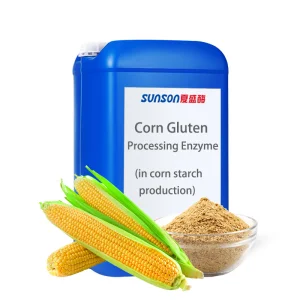
Our processing enzyme technologies (Corn Wet Milling Corn Separation Enzyme) streamline starch production. These solutions speed up the separation of corn starch from gluten meal, boosting protein yields while minimizing moisture retention in the filter cakes. This significantly reduces drying energy requirements, directly supporting sustainability targets.
Active Bio-Degradable Film Applications
As the packaging industry shifts away from single-use plastics, Zein is emerging as a leading replacement material. Our technical roadmap focuses on blending plasticized Zein films with natural antimicrobial compounds (such as nisin or rosemary extract). This creates active packaging barriers that extend the shelf life of fresh produce and meats across Western Canadian supermarkets.
Compliance and Quality Standards for Western Canada
Entering the Canadian food and feed supply chain requires strict adherence to national safety regulations. Sourcing agents must ensure that all incoming shipments align with local import parameters:
- Safe Food for Canadians Regulations (SFCR): Imported food-grade proteins must come from facilities maintaining preventative control plans (PCP) that trace raw materials back to their source.
- Canadian Food Inspection Agency (CFIA) Feed Registration: For livestock feeds, the protein profile, moisture content, and heavy metal concentrations must be verified. Corn gluten feeds must fall strictly within safe thresholds for mycotoxins (specifically aflatoxin, deoxynivalenol/vomitoxin, and zearalenone) to protect animal health.
- Global Food Safety Standards: Our facilities are certified under international systems including HACCP, ISO 22000, Kosher, and Halal, ensuring easy customs clearance and consistent quality at receiving bays.
Full Industrial Catalog: Proteins, Fibers & Processing Enzymes
Discover our complete selection of plant proteins and processing aids, manufactured under strict quality standards for global distribution.


About Dongguan Tsrel Biology Co., Ltd.
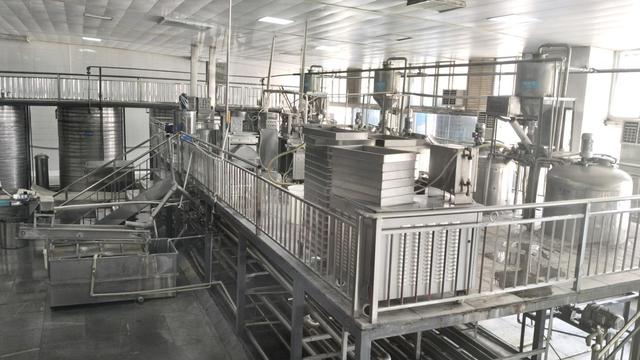
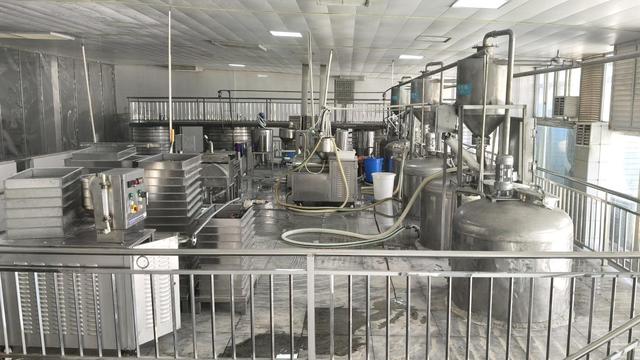
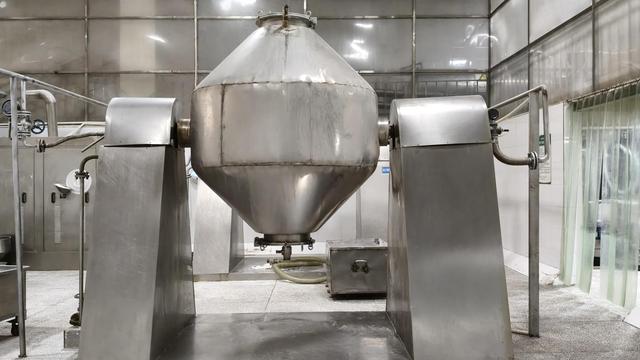
Dongguan Tsrel Biology Co., Ltd. is a professional China vegetal protein manufacturer specializing in the research, development, production, and supply of high-quality plant protein ingredients for food, beverage, and nutritional applications. With a strong focus on innovation, sustainability, and quality assurance, the company is dedicated to providing reliable plant-based ingredient solutions to customers worldwide.
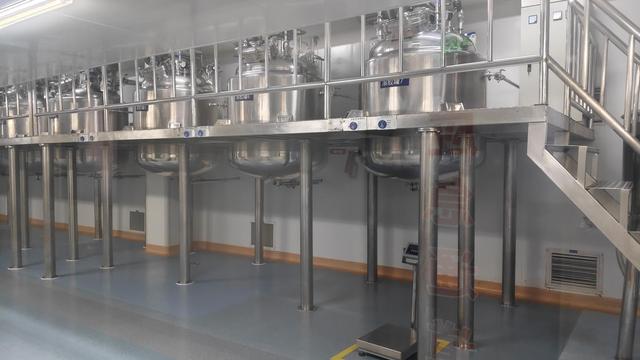
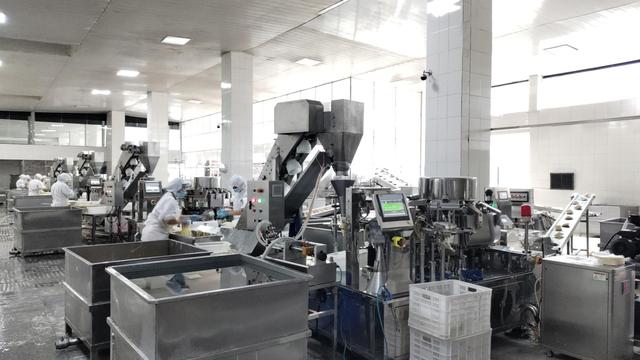
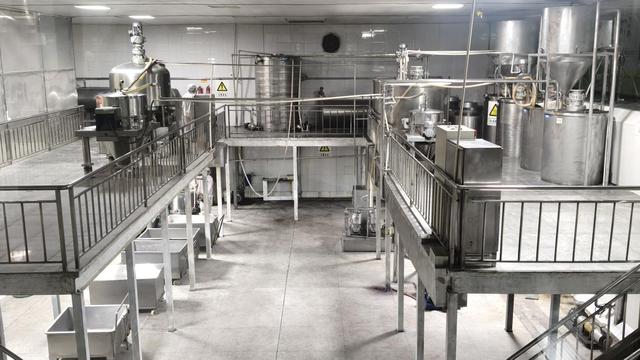
Equipped with advanced manufacturing facilities and modern processing technologies, Dongguan Tsrel Biology offers a comprehensive range of vegetal proteins, including soy protein, pea protein, rice protein, wheat protein, and other specialty plant proteins. These ingredients are widely used in functional foods, nutritional supplements, sports nutrition products, dairy alternatives, meat alternatives, beverages, bakery products, and health food applications.
Innovation is a key driving force behind the company's growth. Supported by an experienced research and development team, Dongguan Tsrel Biology continuously explores new technologies and application solutions to meet the evolving demands of the global food and nutrition industries. The company also provides customized ingredient solutions to help customers optimize product formulations, improve nutritional profiles, enhance texture, and create clean-label products.
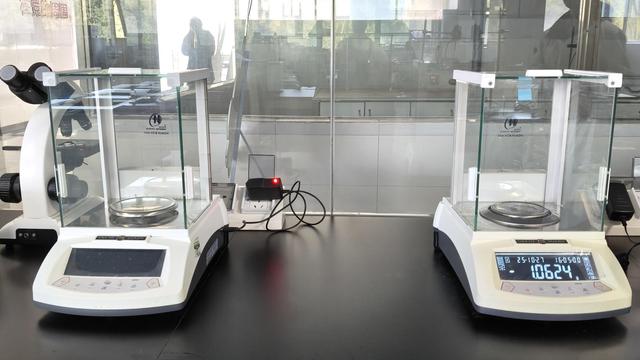
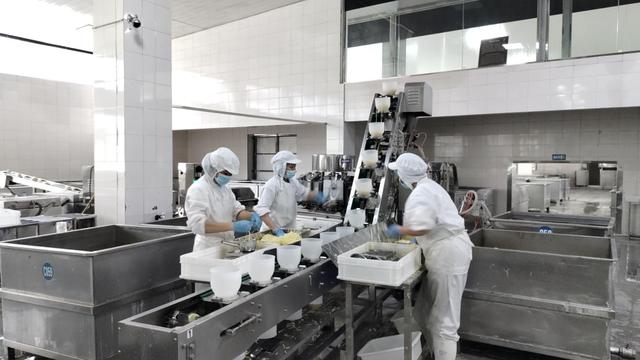
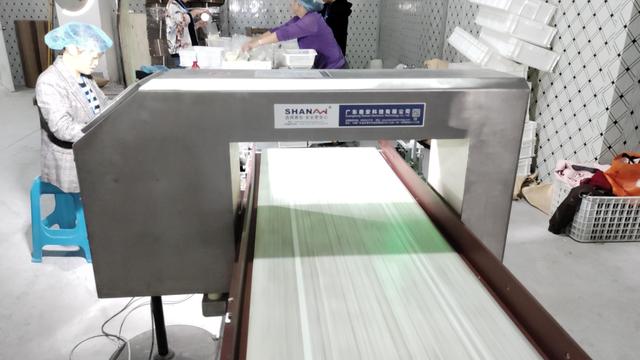
Quality and food safety are integrated into every stage of production. From raw material sourcing and processing to final testing and packaging, strict quality control procedures are implemented to ensure product consistency, purity, safety, and compliance with international standards. This commitment enables the company to deliver dependable products that meet the rigorous requirements of global customers.
With customer satisfaction at the center of its operations, competitive manufacturing capabilities, stable supply chains, and professional technical support, Dongguan Tsrel Biology Co., Ltd. has established long-term partnerships with food manufacturers, distributors, and brand owners across international markets. The company remains committed to advancing sustainable nutrition through innovative plant protein solutions for the global marketplace.
Technical & Logistical FAQ
Direct, professional answers to key technical questions from procurement agents, feed nutritionists, and food formulators in Calgary.
Q1: What is the typical lead time for shipping cargo from your factory to Calgary?
The typical end-to-end shipping timeline ranges from 30 to 45 days. This includes 5 to 7 days for factory release, customs declaration, and port loading; 18 to 22 days for ocean transit from southern Chinese ports to the Port of Vancouver; and 7 to 10 days for Canadian Customs clearance and intermodal rail freight to Calgary terminals.
Q2: How does your factory guarantee mycotoxin safety profiles for livestock feeds destined for Alberta?
We manage mycotoxin risks at the source. Every incoming batch of yellow corn is screened for aflatoxin, vomitoxin (DON), and zearalenone using HPLC analysis. In-process thermal steps and microbial monitoring ensure that every shipment matches CFIA compliance levels, with COA verification provided for every container.
Q3: Can hydrolyzed corn peptides be used as a functional replacement for milk powders in calf starters?
Yes. Hydrolyzed corn peptides feature low molecular weights (under 2,000 Daltons), offering high digestibility. They are an excellent partial replacement for milk proteins in milk replacers and early-stage feeds, helping to lower formulation costs while protecting gut health.
Q4: What is the solubility difference between standard Corn Gluten Meal and Zein Powder?
Standard Corn Gluten Meal (60% protein) is water-dispersible but largely insoluble, making it ideal for solid feed rations. Zein Powder (90%+ protein) is highly hydrophobic and completely insoluble in water, but dissolves in 70-80% aqueous ethanol solutions, allowing it to form durable barrier films.
Q5: Are your plant proteins non-GMO, and do you offer organic options?
Yes, we offer both certified non-GMO and organic plant proteins. We maintain identity preservation (IP) protocols throughout our manufacturing lines to avoid cross-contact, providing full documentation to support clean-label and organic product claims.
Q6: How do your processing enzymes improve separation efficiency in corn wet milling?
Our enzymes target the complex protein-starch matrices within the corn endosperm. By breaking down cell wall structures, they lower viscosity, improve filtration speeds, and reduce moisture in the protein filter cake, helping to lower drying costs and improve overall yields.