Corn Wet Milling Corn Separation Enzyme For Starch Production To Increase Maize Starch Yield, Corn Gluten Meal Yield

Product Description

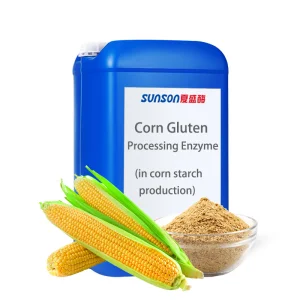
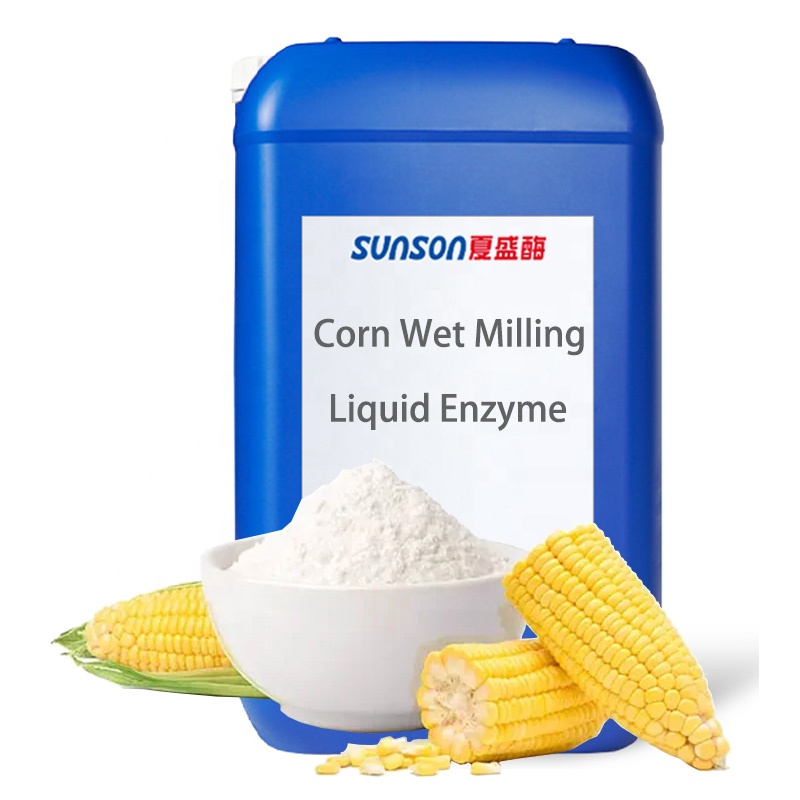
Corn Wet Milling Corn Separation Enzyme for Starch Production to Increase Maize Starch Yield, Corn Gluten Meal Yield

Product Description

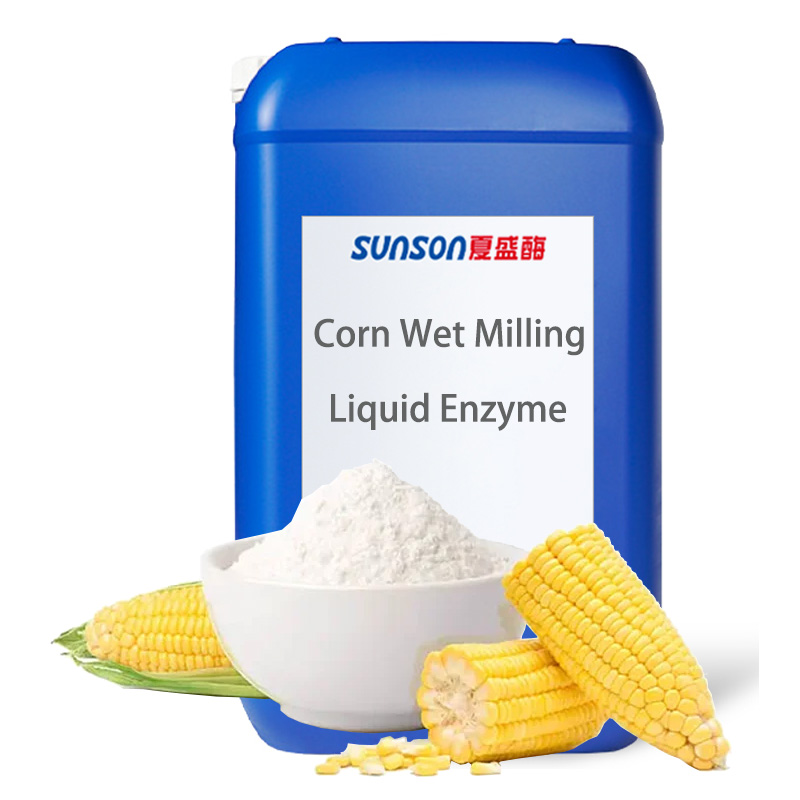
This product is an enzyme preparation used for the production of corn starch. It contains various bioactive components such as cellulase, xylanase and B-glucanase, which can degrade the non-starch polysaccharides in corn, rapidly break down the structure where fibers, proteins and starch are encapsulated and intertwined, promote the separation of various components, increase the yield of corn starch and protein, reduce the content of residual starch in fibers, improve the washing efficiency, and lower the energy consumption during fiber drying. It is widely used in the field of corn starch production.
Applications

  • Improve protein utilization rate and enhance the quality of corn pulp.
  • Reduce the viscosity of the slurry, enhance the separation efficiency of starch and protein, and increase the utilization rate of the equipment.
  • Improve the drying efficiency of fibers and reduce energy consumption.
  • Increase the yield of corn starch and corn protein powder.
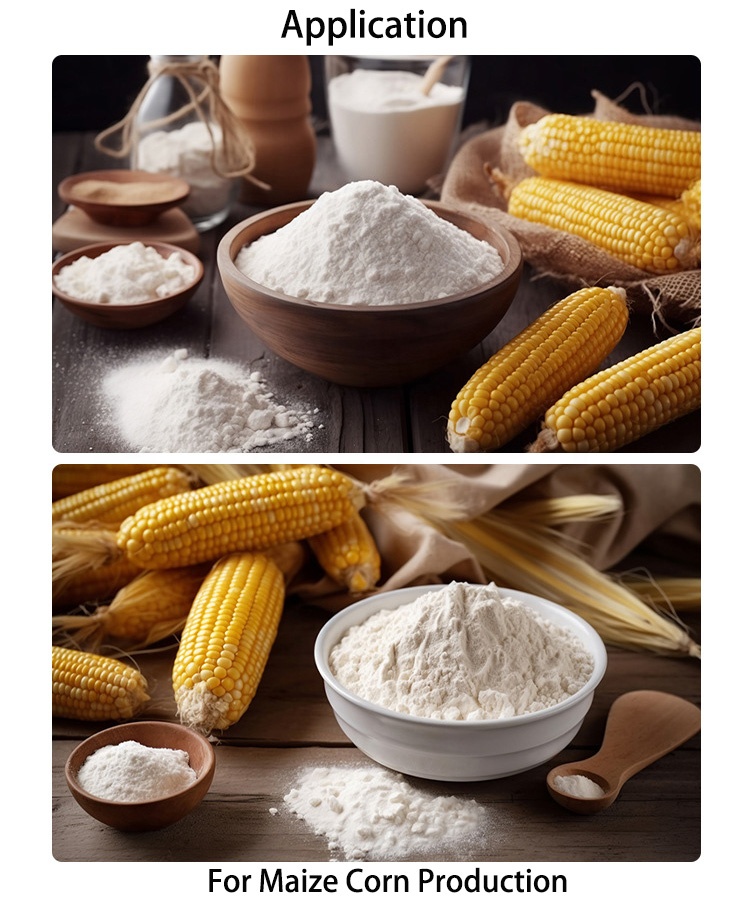
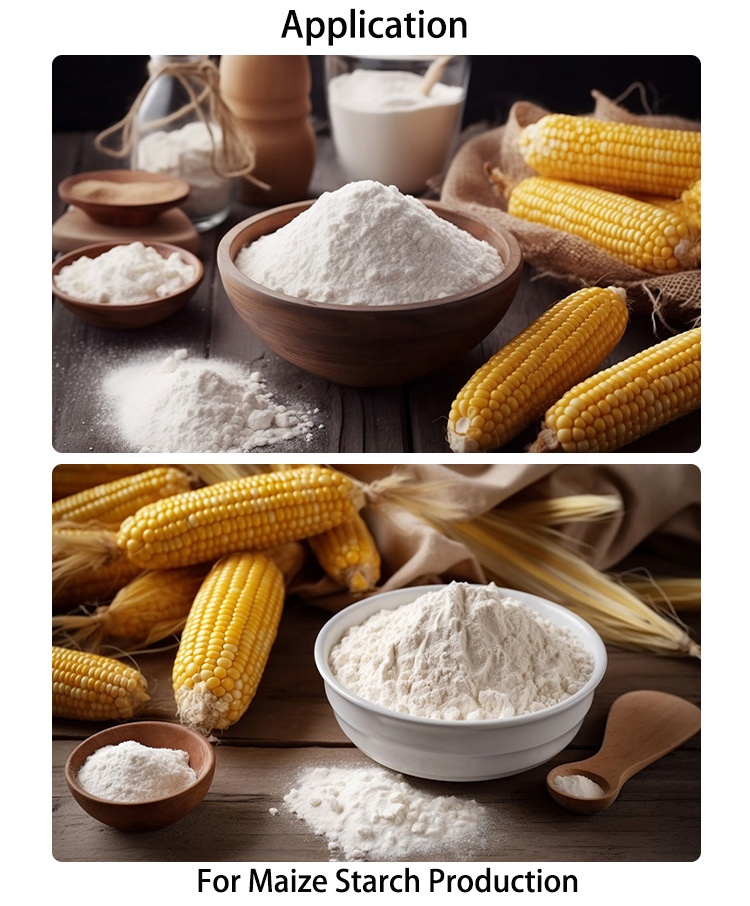
Application Diagram

Reaction Parameters

CONDITION RANGE
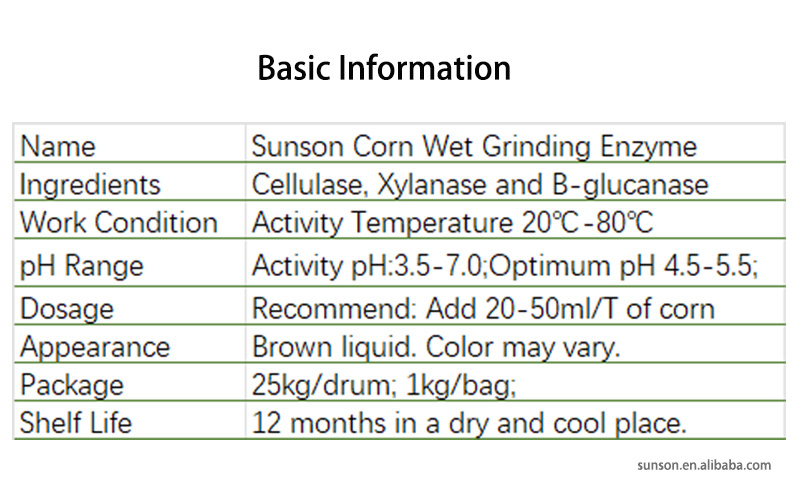
Activity Temperature 20°C - 80°C
Optimum Temperature 45°C - 60°C
Activity pH 3.5 - 7.0
Optimum pH 4.5 - 5.5

📋Product Format & Standards

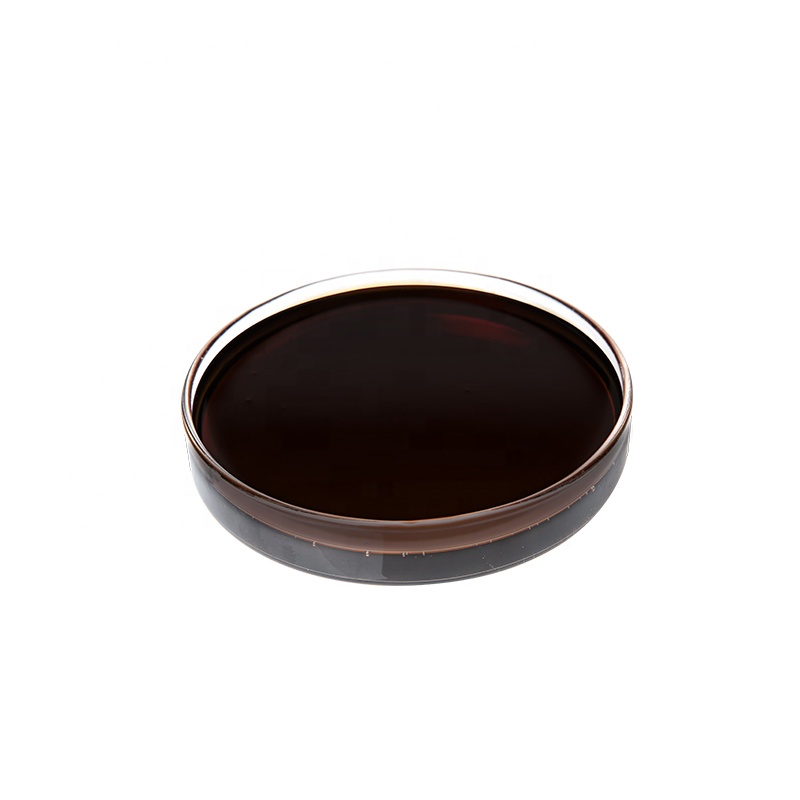
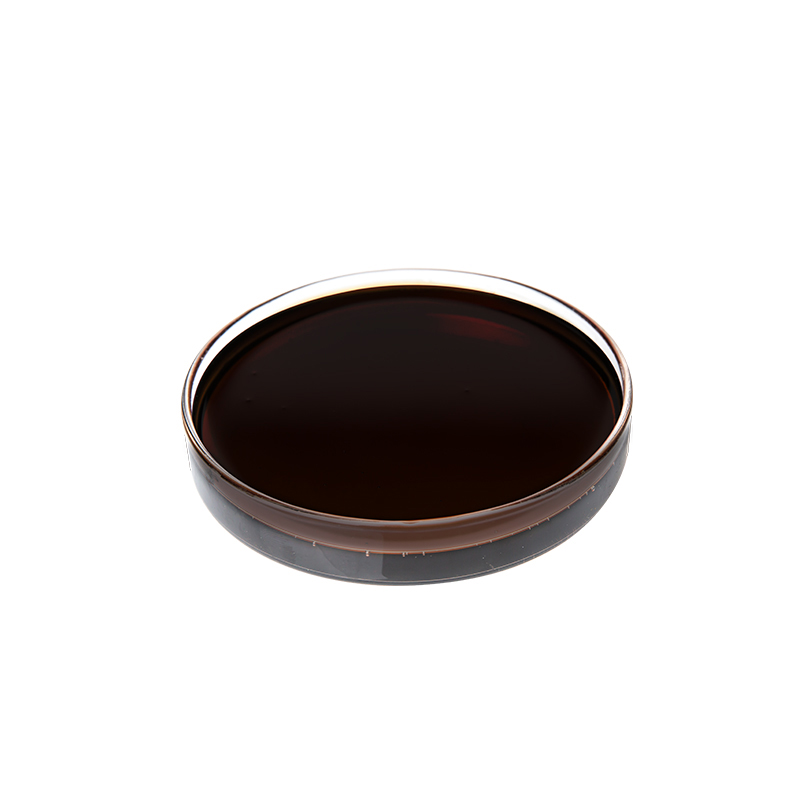
Product Format: Brown liquid. Color may vary from batch to batch. Color intensity is not an indication of enzyme activity.

Product Standard: The product complies with GB1886.174.

No. ITEMS INDEX
1 Bulk density / (g/ml) 1.10 - 1.20
2 pH / (25°C) 5.0 - 6.0
3 Lead / (mg/kg) ≤ 5.0
4 Arsenic / (mg/kg) ≤ 3.0
5 Total viable count / (CFU/mL) ≤ 50000
6 Coliform Bacteria / (CFU/mL) ≤ 30
7 Escherichia coli (CFU/mL) < 10
7 Escherichia coli (MPN/mL) ≤ 3.0
8 Salmonella / (25mL) Not Detected

💧Dosage & Application Instructions

This product can be directly pumped into the process water for fiber washing. It is recommended to add 20-50ml/T of corn. If there is an enzyme reaction tank, it is recommended to enzymatically hydrolyze for 120-180 minutes for better results. If there is no enzyme reaction tank, it is recommended to add directly to the fiber washing tank. The actual usage amount depends on factors such as the quality of the raw materials and the process, and should be determined through experiments.

📦Package & Storage

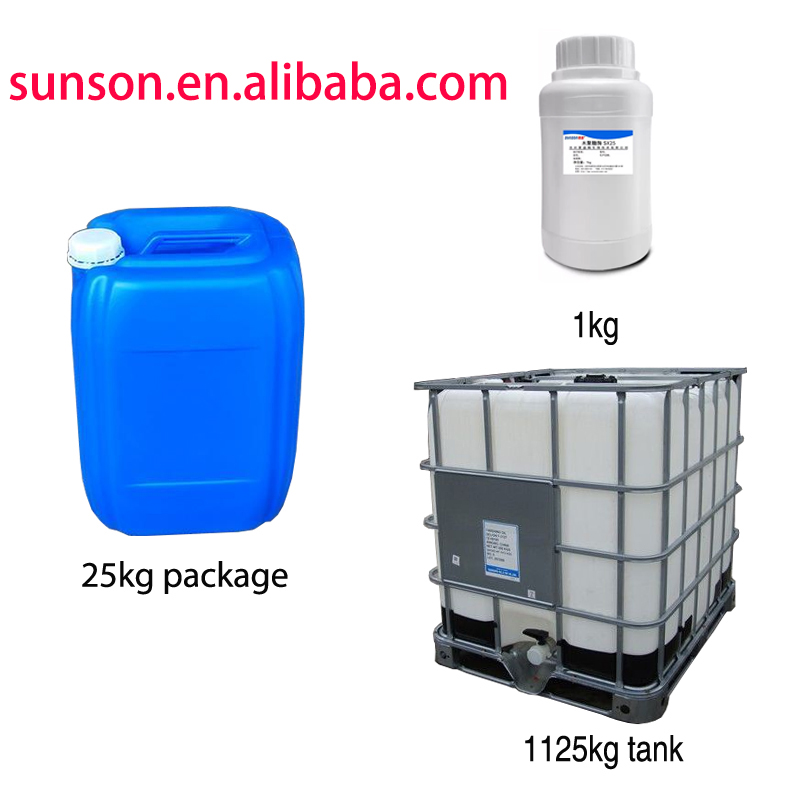
  • Package: 25kgs/drum; 1,125kgs/drum.
  • Storage: Keep sealed in a dry and cool place and avoid direct sunlight.
  • Shelf life: 12 months in a dry and cool place.

⚠️Safety Precautions

Enzyme preparations are proteins, which may induce sensitization and cause allergic type reactions in sensitized individuals. Prolonged contact may cause minor irritation for skin, eyes or nasal mucosa, so any direct contiguity with human body should be avoided. If irritation or allergic response for skin or eyes develops, consult a doctor.

🏆Certificates

Certificates Matrix

Our Service & Logistics

  • Any inquiries will be replied within 12 hours.
  • Dedication to quality, supply & service.
  • Strictly on selecting raw materials.
  • OEM/ODM Available.
  • Reasonable & competitive price, fast lead time.
  • Sample is available for your evaluation & Formulation development.
  • Faster delivery: Sample order in stock and 3-7 days for bulk production.
  • We have strong cooperation with DHL, TNT, UPS, FEDEX, EMS. Or you also can choose your own shipping forwarder.
Service and Support

Frequently Asked Questions (FAQ)

Q1: What are the main enzymes included in this product and how do they function?
This enzyme preparation contains bioactive components such as cellulase, xylanase, and B-glucanase. They function by degrading non-starch polysaccharides in corn, breaking down the intertwined structure of fibers, proteins, and starch to facilitate separation and improve overall yield.
Q2: What is the recommended dosage for corn starch production?
The recommended dosage is 20-50ml per ton of corn. The precise amount should be determined through experiments as it depends on raw material quality and specific production processes.
Q3: What are the optimum pH and temperature ranges for this enzyme?
The optimum temperature range is 45°C - 60°C (with activity spanning 20°C - 80°C), and the optimum pH range is 4.5 - 5.5 (with activity spanning 3.5 - 7.0).
Q4: How should this enzyme product be stored to preserve its activity?
It must be kept sealed in a cool, dry place away from direct sunlight. Under these conditions, the product maintains a shelf life of 12 months.
Q5: Are there any safety concerns regarding skin contact with the enzyme?
Since enzyme preparations are proteins, prolonged contact may cause minor irritation to skin, eyes, or nasal mucosa. Direct contact with the body should be avoided. If sensitization or allergic irritation develops, please consult a medical doctor.
Q6: What packaging options are available for industrial purchase?
The product is standardly packaged in either 25kgs/drum or 1,125kgs/drum to suit various industrial scale requirements.

Related Products