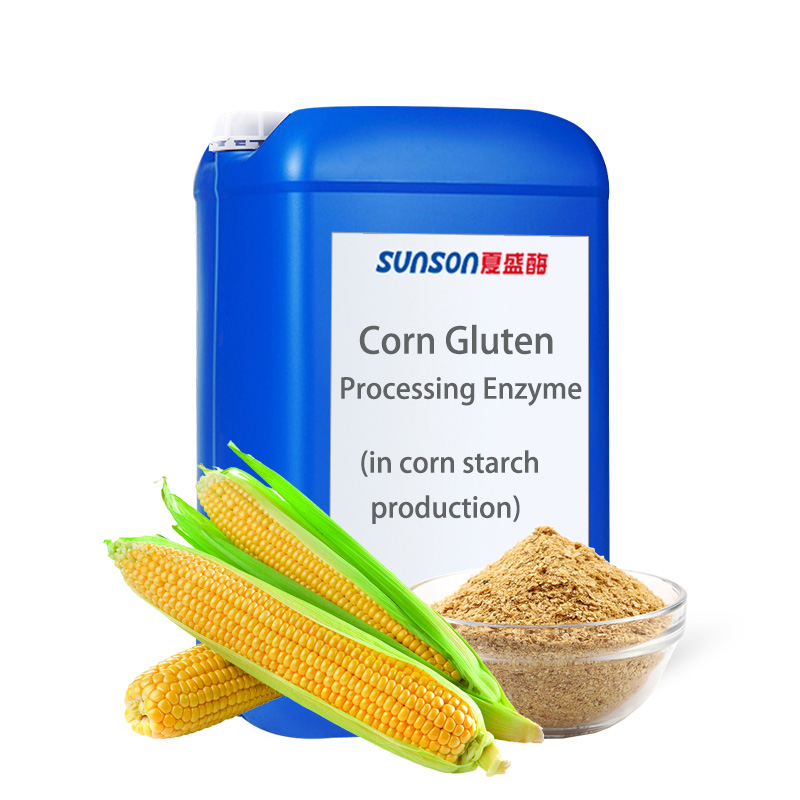
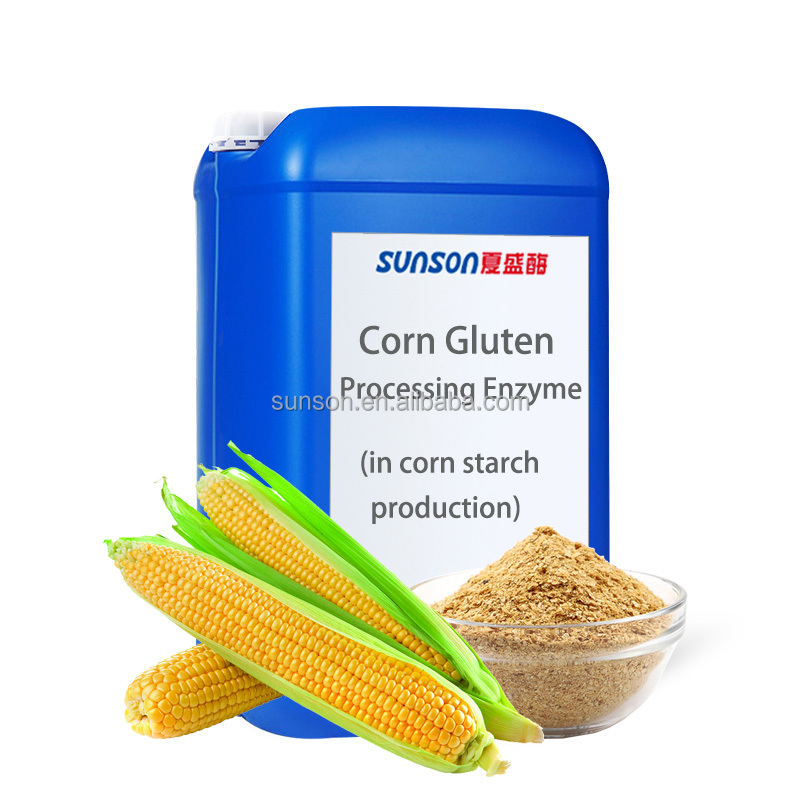
Corn Gluten Processing Enzyme In Corn Starch Production For High Corn Gluten Meal Yield & Reducing Protein Filter Cake Moisture

Product Description

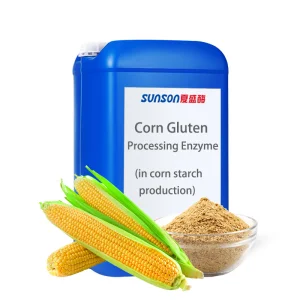
Corn Gluten Processing Enzyme in Corn Starch Production for High Corn Gluten Meal Yield & Reducing Protein Filter Cake Moisture
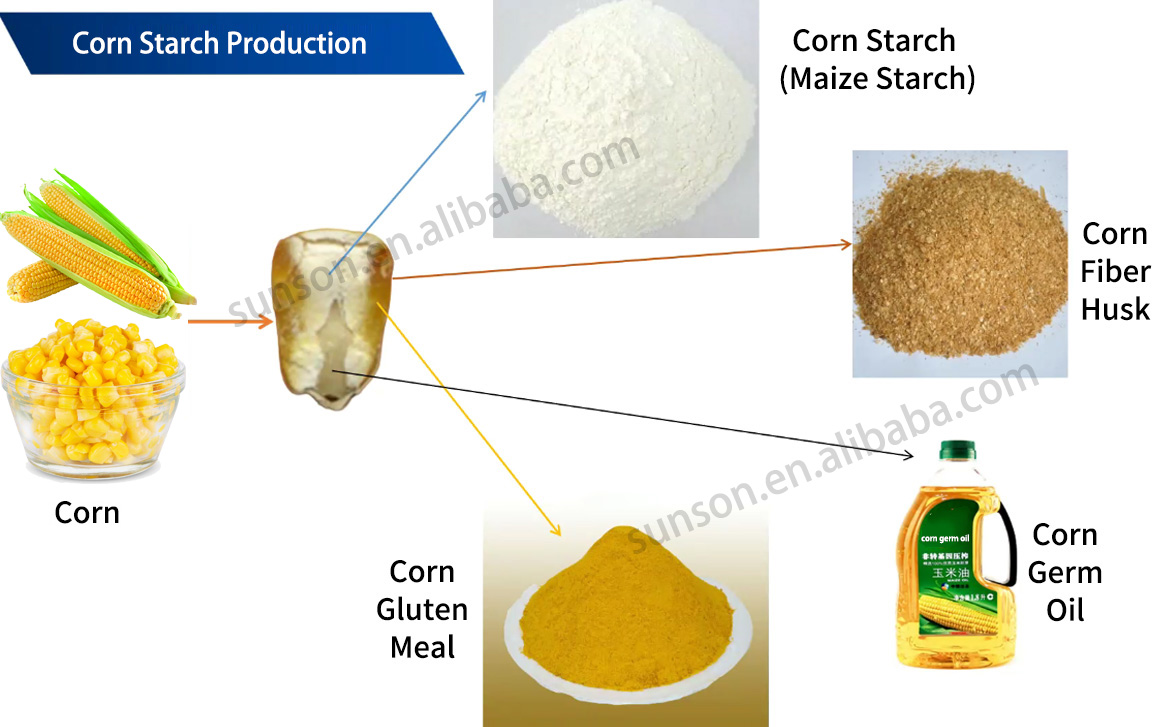
This product is an enzyme preparation made through the deep liquid fermentation, extraction and concentration, and refinement of selected superior strains. It has significant effects in reducing the water content of protein cakes and increasing the yield of protein powder. It is widely used in the starch production field and has brought obvious economic benefits to starch processing enterprises.
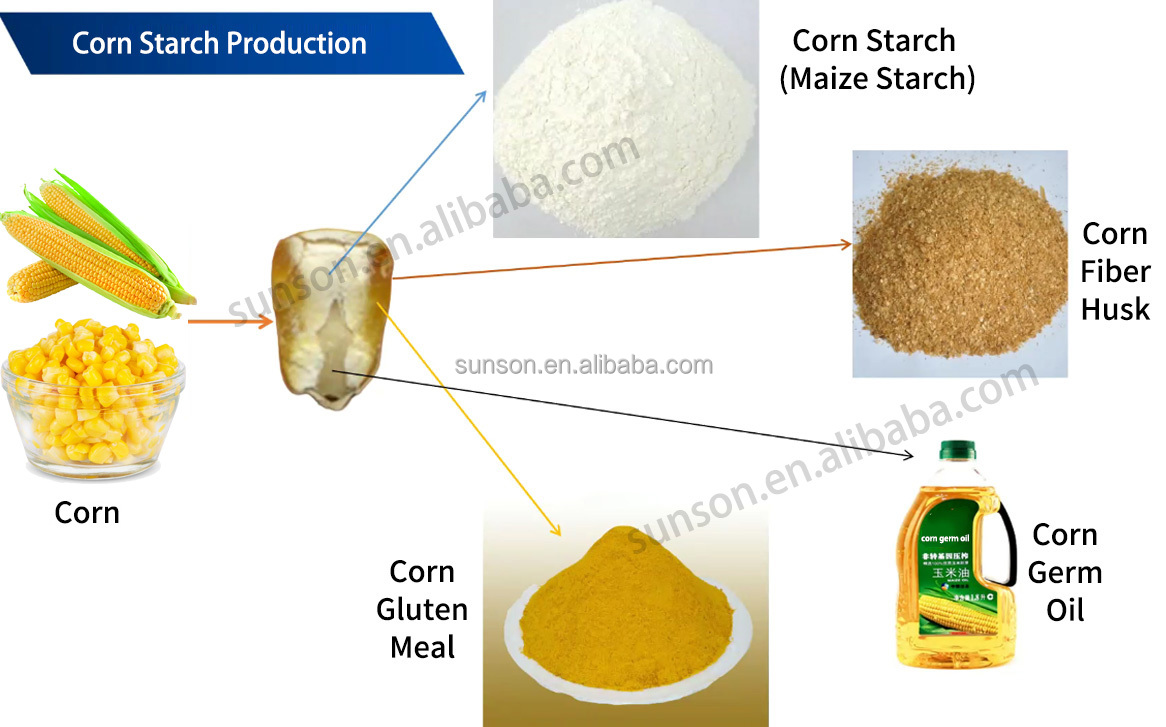
Corn Gluten Processing Enzyme Application 1
Corn Gluten Processing Enzyme Application 2
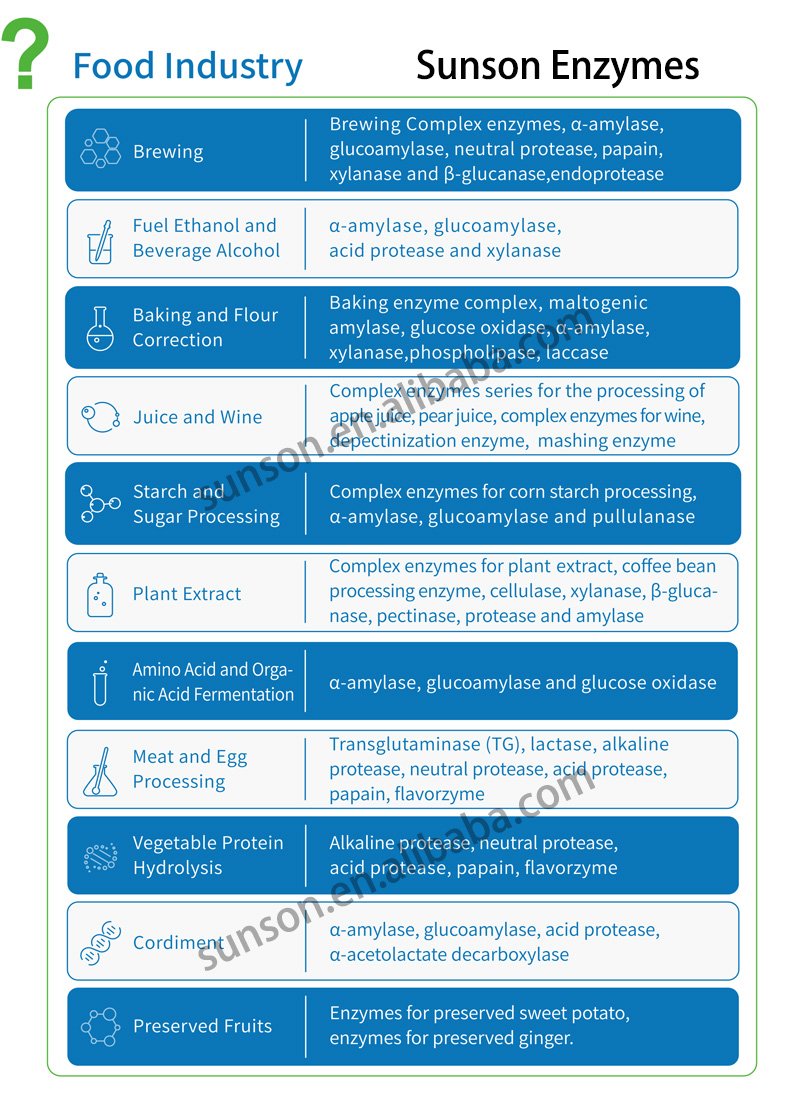
Applications
Method

Use a metering pump to evenly add the enzyme solution to the production system. Due to the differences in equipment and process parameters of each factory, the actual addition site and amount of this product should be determined through experiments.

Dosage

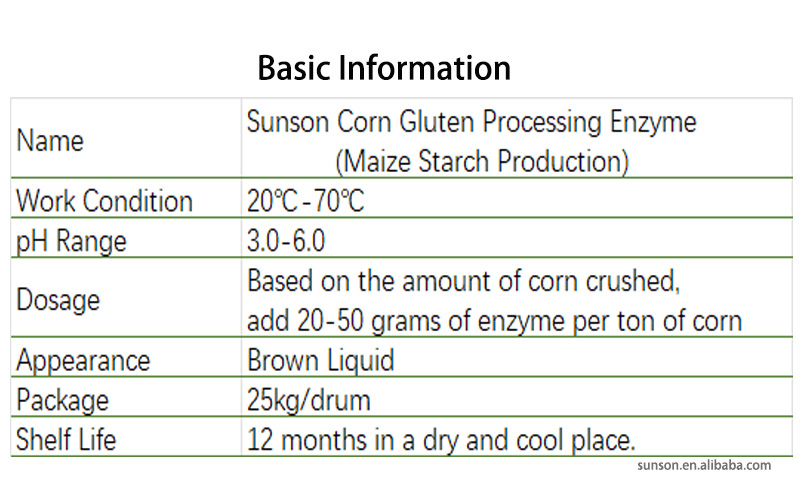
Based on the amount of corn crushed, add 20-50 grams of enzyme per ton of corn. Due to the differences in raw material composition and process parameters of each factory, the actual addition amount of this product should be determined through experiments.

Note

Under the condition of production permission, try to ensure that the enzyme is mixed evenly with gluten and has sufficient reaction time. The optimal reaction time is more than 20-30 minutes.
Process Equipment details
Reaction Parameters
CONDITION RANGE
Activity Temperature 20℃-70℃
Optimum Temperature 45℃-60℃
Activity pH 3.0-6.0
Optimum pH 3.5-5.5
Product Format & Standards
Product Format:

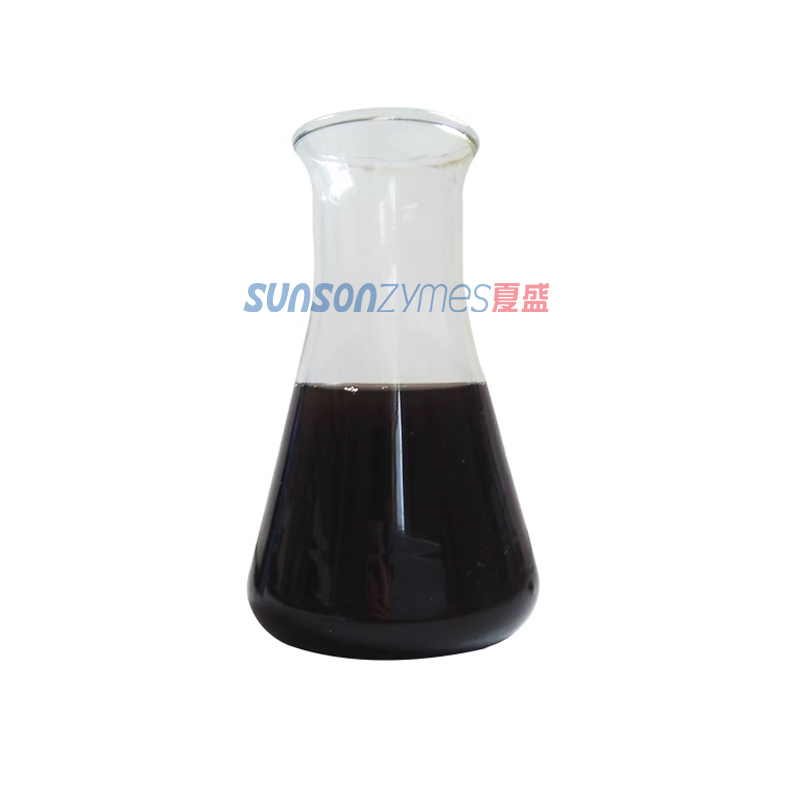
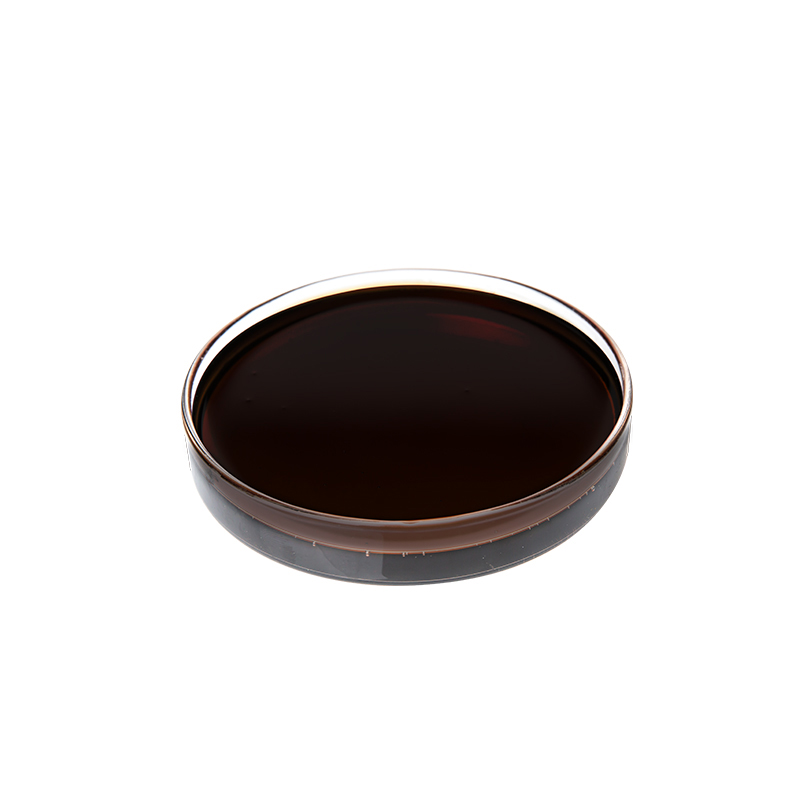
Brown liquid. Color may vary from batch to batch. Color intensity is not an indication of enzyme activity.

Product Standard:

The product complies with GB1886.174.

No. ITEMS INDEX
1 Bulk density/(g/ml) 1.10-1.20
2 pH/(25℃) 5.0-6.0
3 Lead/(mg/kg) ≤5.0
4 Arsenic/(mg/kg) ≤3.0
5 Total viable count/(CFU/mL) ≤50000
6 Coliform Bacteria/(CFU/mL) ≤30
7 Escherichia coli (CFU/mL) / (MPN/mL) <10 / ≤3.0
8 Salmonella/(25mL) Not Detected
Package & Storage
Package Specifications

Available in 25kgs/drum and 1,125kgs/drum packaging configurations.

Storage & Shelf Life

Keep sealed in a dry and cool place and avoid direct sunlight. Shelf life is 12 months when stored under proper conditions.

Safety & Handling

Safety Warning:

Enzyme preparations are proteins, which may induce sensitization and cause allergic type reactions in sensitized individuals. Prolonged contact may cause minor irritation for skin, eyes or nasal mucosa, so any direct contiguity with human body should be avoided. If irritation or allergic response for skin or eyes develops, consult a doctor.

Usage Precautions:

Keep sealed after use every time to avoid microbial infections and inactivation of enzymes until its finish.
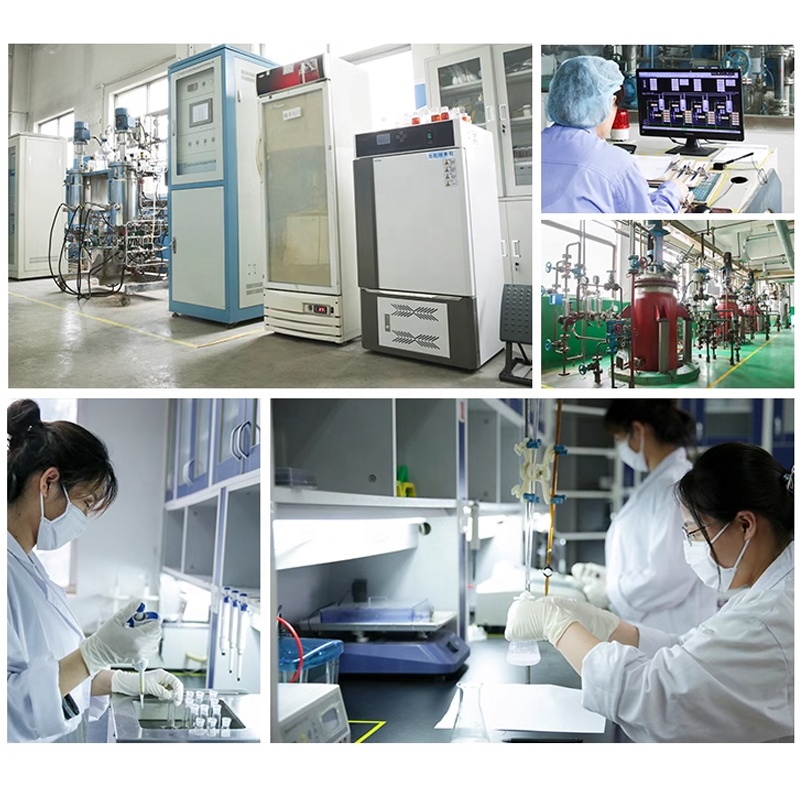

Certifications & Quality Control
Manufacturing facility and quality control
Industry standard certificates
Our Service
  • Any inquiries will be replied within 12 hours.
  • Dedicated to product quality, supply consistency, and excellent service.
  • Strict raw material selection process.
  • OEM/ODM solutions available.
  • Reasonable & competitive pricing with fast lead times.
  • Samples available for your evaluation and formulation development.
  • Fast delivery: standard samples in stock, 3-7 days for bulk production.
  • Flexible shipping options via DHL, TNT, UPS, FEDEX, EMS, or your designated forwarder.
Shipping and Logistics
Frequently Asked Questions (FAQ)
1. What is the primary function of this enzyme in corn starch production?
This enzyme is designed to reduce the moisture content of protein filter cakes and significantly improve the yield of corn gluten meal (protein powder) during corn starch processing.
2. What is the recommended dosage for application?
The typical dosage is 20-50 grams of enzyme preparation per ton of crushed corn. However, because raw material composition and plant processes vary, the exact dosage should be optimized through local testing.
3. Under what temperature and pH conditions does this enzyme perform best?
The enzyme works within an active temperature range of 20℃-70℃ (optimally 45℃-60℃) and an active pH range of 3.0-6.0 (optimally 3.5-5.5).
4. What is the optimal reaction time required for the process?
To ensure complete and effective results, the enzyme must be mixed thoroughly with the gluten slurry, allowing a minimum reaction time of 20 to 30 minutes.
5. How should the enzyme be stored to maintain its effectiveness?
The product should be kept sealed in a cool, dry place away from direct sunlight. When stored properly, it maintains its shelf life for up to 12 months. Make sure to reseal the package tightly after each use to prevent microbial contamination.
6. Are there any safety precautions to follow during handling?
Yes. Because enzyme preparations are proteins, prolonged exposure can cause mild skin, eye, or nasal passage irritation. Direct contact with the skin and eyes should be avoided. Use protective equipment, and consult a physician if irritation occurs.

Related Products