Featured Plant Protein & Nutritional Ingredients
Introduction: The Evolution of Walnut Protein Isolate & Peptides
In the rapidly expanding plant-based ingredient sector, alternative proteins have transitioned from niche soy and wheat isolates to a sophisticated landscape of seed and nut-derived fractions. Among these emerging raw materials, Walnut Protein Isolate (WPI) and Walnut Hydrolyzed Peptides (WHP) stand out due to their distinct nutritional, physiological, and functional characteristics. Historically valued for their lipid profiles rich in omega-3 and omega-6 fatty acids, walnuts (Juglans regia) are also an abundant source of high-quality proteins.
As food manufacturers, sports nutrition formulators, and pharmaceutical buyers seek allergen-friendly, clean-label, and highly digestible plant protein matrices, premium walnut protein has emerged as an industry benchmark. The protein fraction of walnuts consists primarily of globulin, glutelin, albumin, and prolamin. These fractions yield a well-balanced amino acid profile particularly high in glutamic acid, arginine, and aspartic acid. This comprehensive whitepaper explores the technological parameters, health dynamics, sourcing logistics, and production methodologies that define China’s leading suppliers in this market segment.
Nutritional Profile & Bioactive Functionality of Walnut Protein
To evaluate the value of walnut protein, it is essential to understand its structural properties. The major protein components are characterized by distinct molecular weight distributions and solubility traits. Glutelin, the largest storage protein fraction in walnuts, makes up nearly 70% of the total protein structure, followed by globulin, albumin, and a minor percentage of prolamin.
From a nutritional standpoint, walnut protein is particularly rich in arginine, an essential precursor for nitric oxide synthesis, which plays a vital role in cardiovascular regulation and endothelial performance. Furthermore, the high concentration of glutamic acid serves as a precursor to GABA (gamma-aminobutyric acid), linking consumption of walnut protein with cognitive and neuroprotective health benefits. Unlike traditional grain proteins, which may be low in lysine, or legume proteins that can be deficient in methionine, walnut protein isolates present a balanced amino acid output that matches the metabolic demands of active lifestyles.
| Amino Acid Profile | Walnut Protein (mg/g Crude Protein) | FAO/WHO Reference Pattern | Functional Advantage |
|---|---|---|---|
| Arginine | 96.8 - 110.2 | 42.0 | Vasodilation, Endothelial Health Support |
| Glutamic Acid | 185.0 - 210.5 | 120.0 | GABA Precursor, Cognitive Fuel |
| Aspartic Acid | 88.4 - 95.1 | 55.0 | Energy Pathway Precursor, Vitality Support |
| Leucine (BCAA) | 68.1 - 74.3 | 66.0 | Protein Synthesis stimulation |
| Valine (BCAA) | 48.5 - 53.0 | 35.0 | Muscle Recovery and Glycogen Replenishment |
Why Source Walnut Protein from China? Factory & Supply Chain Advantages
China is the largest producer of walnuts in the world, with intensive agricultural belts in Xinjiang, Yunnan, Shanxi, and Hebei. This domestic abundance of raw material provides unique supply chain and cost benefits to Chinese manufacturing facilities. As a result, Chinese exporters can supply high-quality walnut protein isolates and peptides at competitive prices.
Abundant Raw Material Supply
Xinjiang’s unique geography, characterized by high sunlight exposure and vast temperature swings between day and night, produces walnuts with high oil and protein content. Processing facilities close to these regions benefit from a steady supply of premium, non-GMO walnuts, reducing logistics costs and preserving freshness.
Low-Temperature Defatting Tech
Traditional hot-pressing methods can denature proteins, reducing their nutritional value and solubility. Chinese processing facilities utilize low-temperature cold pressing (subcritical fluid extraction at less than 40°C) to remove lipids while keeping the protein structures intact.
Enzymatic Membrane Filtration
Modern Chinese factories feature automated, high-throughput enzymatic hydrolysis lines combined with ultrafiltration. This allows them to produce walnut peptides of specific molecular weights (e.g., <1000 Daltons or <500 Daltons) with high yields.
Moreover, China’s industrial ecosystem supports chemical-free processing methodologies. By using physical and enzyme-driven separation instead of harsh chemical solvents like hexane, manufacturers can offer Clean-Label products that align with the requirements of clean-label and natural food formulations globally.
Global Plant Protein Trends: Sourcing Drivers for 2025–2030
The global plant protein market is undergoing a significant transformation. Sourcing managers are looking beyond soy and wheat to avoid common allergens and address growing consumer demand for clean-label options. Key trends driving the adoption of walnut protein include:
1. Allergen-Free Positioning
While soy and gluten face challenges related to allergen labeling, tree nuts, though classified as allergens, offer premium functional alternatives for specific health and wellness products. In many functional formulations, walnut protein serves as an ideal non-GMO, clean-label base.
2. Brain Health and Cognitive Nutrition
The growing demand for "nootropics" and "brain foods" has turned walnut protein into a sought-after functional ingredient. Due to its high glutamic acid content and bioactive peptides, it is increasingly used in formulations targeted at cognitive longevity and stress relief.
3. Plant-Based Dairy Alternatives
From walnut milk to fermented vegan yogurts, walnut protein provides a creamy texture and mild, nutty flavor profile. Its natural emulsification properties help stabilize plant-based milk products without requiring excessive hydrocolloid thickeners.
Formulation Engineering: Custom Application Scenarios
Because of its unique physicochemical properties, incorporating walnut protein isolate into food systems requires careful attention to pH, ionic strength, and thermal processing conditions. Standardized applications include:
A. Ready-To-Drink (RTD) Beverages
In liquid formulations, protein solubility and dispersion stability are critical. Untreated walnut protein isolates can show reduced solubility at pH values between 4.0 and 5.5 (near the isoelectric point). To address this, suppliers offer micro-fluidized and enzyme-treated fractions that maintain suspension stability, preventing sedimentation and sandy textures in RTD applications.
B. Sports Nutrition & Powder Blends
Walnut peptides have high hygroscopicity and solubility, making them ideal for instant drink mixes. Mixing walnut protein with pea or pumpkin seed protein creates a balanced amino acid profile with a smoother, less chalky texture compared to pea protein alone.
C. Clinical & Geriatric Meal Replacements
Aging demographics have highlighted the need for proteins that support muscle retention (sarcopenia prevention) while being easy to digest. Walnut protein hydrolyzed peptides are easily absorbed, putting less stress on the gastrointestinal tract and providing amino acids that support cognitive and physical wellness.
Global Procurement Standards & QA Checklists for Sourcing Managers
When sourcing walnut protein from global suppliers, maintaining strict quality assurance is essential for final product safety and market entry compliance. Sourcing managers should request and verify the following specifications:
Heavy Metals & Contaminants
Because walnuts absorb minerals from the soil, testing for heavy metals is crucial. Premium grades should limit Lead (Pb) to < 0.2 mg/kg and Arsenic (As) to < 0.1 mg/kg. Third-party testing by accredited labs (SGS, Eurofins) is required for each batch.
Microbiological Limits
To prevent contamination in infant foods or clinical supplements, total plate counts must be kept below 3000 CFU/g, with strict limits on yeast, mold, E. coli, and Salmonella.
Chemical Residues
The extraction process must be solvent-free. Chromatographic analyses (GC-MS) must verify the absence of residues like hexane or other chemical solvents, meeting organic production standards.
Supplier Profile: Dongguan Tsrel Biology Co., Ltd.
Dongguan Tsrel Biology Co., Ltd. is a professional China vegetal protein manufacturer specializing in the research, development, production, and supply of high-quality plant protein ingredients for food, beverage, and nutritional applications. With a strong focus on innovation, sustainability, and quality assurance, the company is dedicated to providing reliable plant-based ingredient solutions to customers worldwide.
Equipped with advanced manufacturing facilities and modern processing technologies, Dongguan Tsrel Biology offers a comprehensive range of vegetal proteins, including soy protein, pea protein, rice protein, wheat protein, and other specialty plant proteins. These ingredients are widely used in functional foods, nutritional supplements, sports nutrition products, dairy alternatives, meat alternatives, beverages, bakery products, and health food applications.
Innovation is a key driving force behind the company's growth. Supported by an experienced research and development team, Dongguan Tsrel Biology continuously explores new technologies and application solutions to meet the evolving demands of the global food and nutrition industries. The company also provides customized ingredient solutions to help customers optimize product formulations, improve nutritional profiles, enhance texture, and create clean-label products.
Quality and food safety are integrated into every stage of production. From raw material sourcing and processing to final testing and packaging, strict quality control procedures are implemented to ensure product consistency, purity, safety, and compliance with international standards. This commitment enables the company to deliver dependable products that meet the rigorous requirements of global customers.
With customer satisfaction at the center of its operations, competitive manufacturing capabilities, stable supply chains, and professional technical support, Dongguan Tsrel Biology Co., Ltd. has established long-term partnerships with food manufacturers, distributors, and brand owners across international markets. The company remains committed to advancing sustainable nutrition through innovative plant protein solutions for the global marketplace.
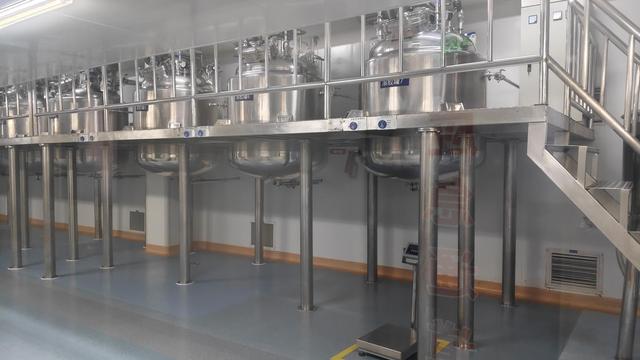
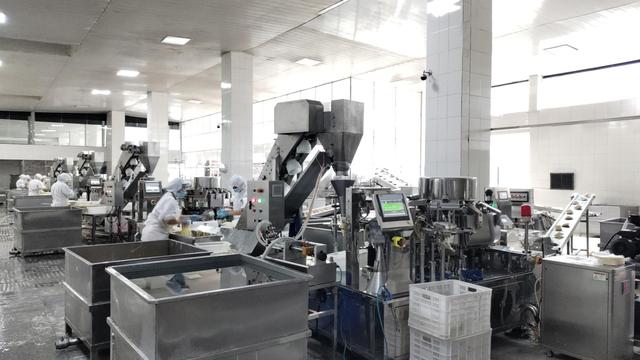
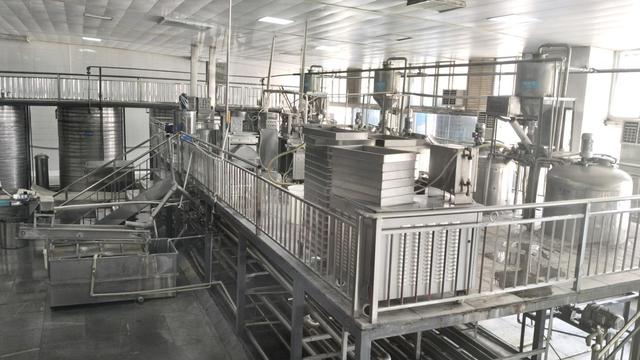
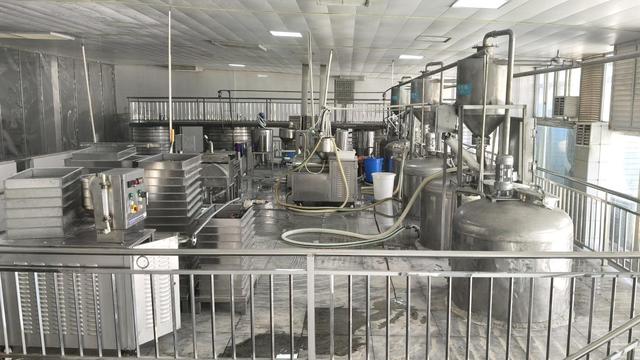
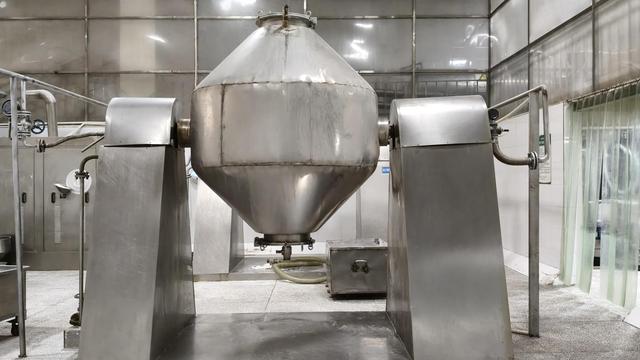
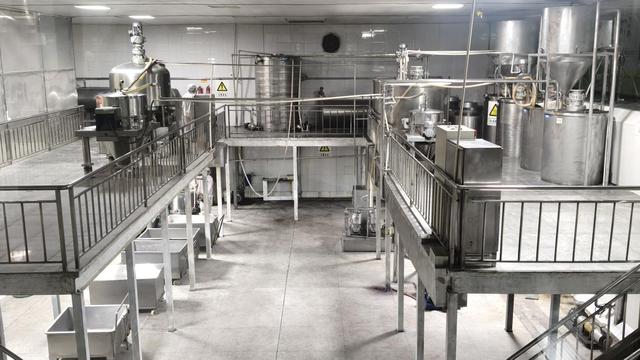
Advanced Production & Quality Control Facilities



Global Procurement Q&A (FAQ)
Q1: What is the standard protein concentration in Walnut Protein Isolate?
Our food-grade walnut protein isolate features a protein concentration of 80% to 85% on a dry basis. The remaining portion consists of natural dietary fibers, trace minerals, and less than 1.5% fat residues.
Q2: How do you prevent rancidity in walnut protein powders?
Rancidity is typically caused by lipid oxidation. We address this by using subcritical extraction and cold-pressing to reduce fat content to less than 1.5%. In addition, we package the product in vacuum-sealed, nitrogen-flushed containers to prevent oxygen exposure.
Q3: Is your walnut protein extraction process completely chemical-free?
Yes, our extraction process is chemical-free. We use physical cold-pressing followed by enzyme-assisted aqueous extraction and ultrafiltration. We do not use solvents like hexane, which helps protect the raw material's nutritional integrity and supports clean-label positioning.
Q4: What certifications are available for international export?
Our plant protein facilities are certified under major international standards, including GMP, ISO 22000, HACCP, Kosher, Halal, and Organic (USDA & EU) certifications.
Q5: Can you customize the particle size for specific beverage applications?
Yes, we can customize the particle size to meet your formulation needs. We offer standard mesh sizes from 80 to 200 mesh, as well as ultra-fine, micronized powders designed for smooth suspension in ready-to-drink (RTD) beverages.
Q6: What is the typical lead time for bulk ocean freight shipments?
Standard bulk orders are usually processed and shipped within 15 to 20 days from our manufacturing facility. Delivery times vary by destination, typically taking 15 to 35 days for international ocean freight.
Complementary Plant-Based & Functional Ingredients