
1. Global Corporate Sourcing Paradigms for Low-Carb Protein Matrices
The convergence of macro-nutritional science, regulatory oversight, and shifting consumer demographics has precipitated a fundamental transformation in global ingredient procurement. Enterprise-level food manufacturers, large-scale supplement brand owners, and multinational dietary distributors no longer view vegetal protein simply as a nutritional supplement. Instead, modern procurement teams approach low-carbohydrate plant proteins as highly engineered structural components that dictate product shelf-life, hydration kinetics, texture profiles, and technological stability.
Concurrently, the sudden rise of systemic low-glycemic, ketogenic, and clinical lifestyle dietary requirements across North America, the European Union, and developed Asia-Pacific economies has elevated the demand for high-purity protein raw materials. Sourcing groups are faced with the complex task of finding production networks capable of guaranteeing clean-label processing, allergen separation (such as non-GMO rice, sunflower, and mung bean alternatives), and strict chemical pesticide-free verification. These capabilities must also be backed by continuous volume scalability to mitigate geopolitical supply-chain risks.
2. Dongguan Tsrel Biology Co., Ltd.: Institutional Profile & Refining Scale
Operating at the center of this industrial expansion, Dongguan Tsrel Biology Co., Ltd. has established itself as an institutional leader in the research, engineering, execution, and large-scale distribution of ultra-pure plant-based vegetal protein matrices. Headquartered within China's key manufacturing corridor, the organization functions as a trusted partner to global brand owners requiring reliable formulation profiles and predictable physical processing properties.
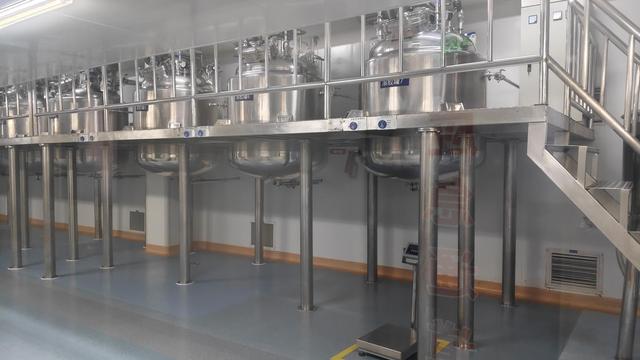
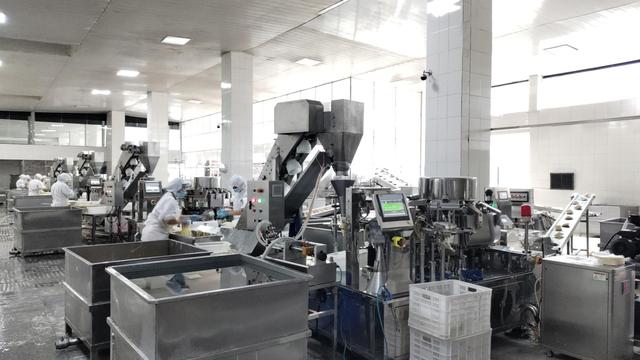
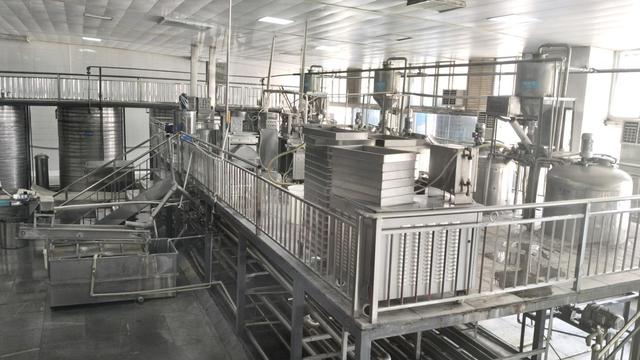
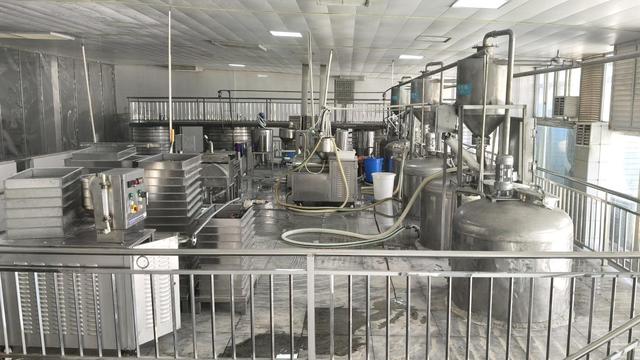
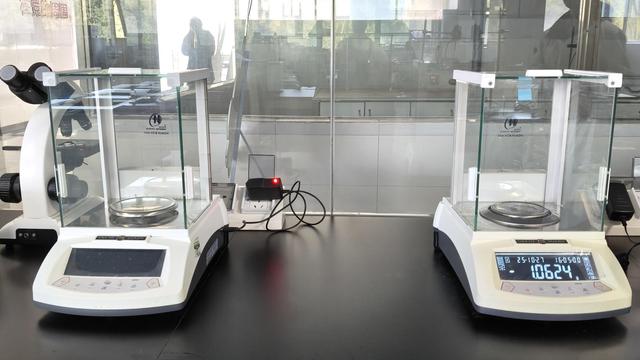
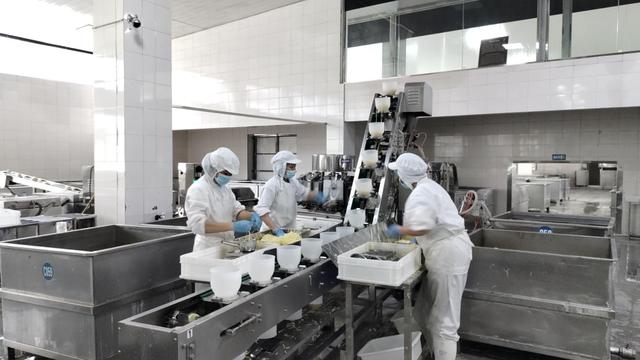
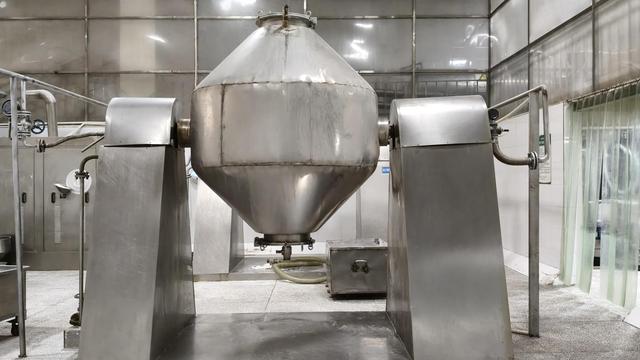
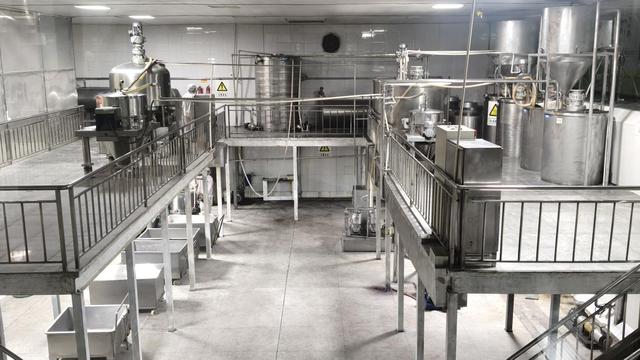
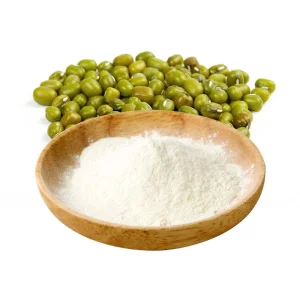
The enterprise possesses modern, highly automated chemical processing lines, integrated bio-enzymatic separation units, and cleanroom micro-milling facilities optimized for heavy-industrial output. Dongguan Tsrel Biology's production catalog includes a complete range of vegetal proteins: from highly bioavailable isolates of soy and yellow pea to specialized solutions like hypoallergenic rice protein, structurally optimized wheat fractions, and functional sunflower and mung bean peptide variations.
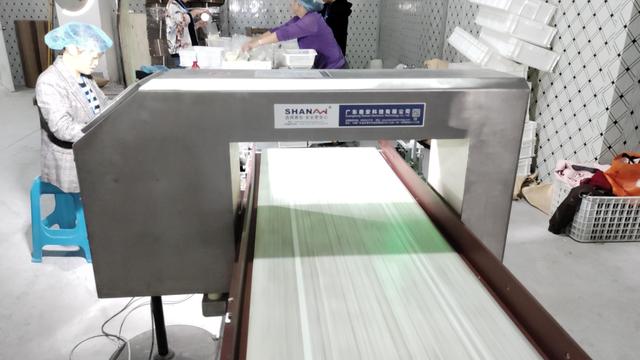
By controlling every step of the supply chain—from identity-preserved (IP) raw crop sourcing to advanced continuous spray drying and quality assurance validation—the company provides enterprise accounts with absolute clarity regarding product batch-to-batch consistency. The factory operates under strict modern oversight to ensure complete documentation for international regulatory compliance, enabling seamless customs clearance and quick time-to-market for finished industrial goods.
3. Advanced Macro-Industrial Solutions & Application Engineering
The application of high-concentration vegetal protein across commercial production systems presents complex physical and chemical challenges. Raw plant proteins often exhibit varying levels of natural hydrophobicity, thermal instability, and distinct plant notes that can negatively impact taste profiles. Dongguan Tsrel Biology overcomes these barriers through precise physical and enzymatic adjustments designed to address the specific performance needs of diverse consumer product channels:
Through custom adjustments to surface hydrophobicity and particle size distributions, Dongguan Tsrel Biology supports enterprise R&D teams in refining the structural characteristics of plant-based milks and yogurts. This optimization addresses the common issue of phase separation under acidic storage conditions, ensuring long-term product stability.
4. Manufacturing Technology Roadmap & Targeted Bio-Enzymatic Isolation
The manufacturing infrastructure operated by Dongguan Tsrel Biology relies on precisely calibrated mechanical separation and biological purification processes. Traditional extraction methods often depend on harsh chemical washes that can denature the protein structure and reduce its functional efficacy. In contrast, our current technical framework prioritizes preserving native protein structures while maximizing carbohydrate extraction efficiency.
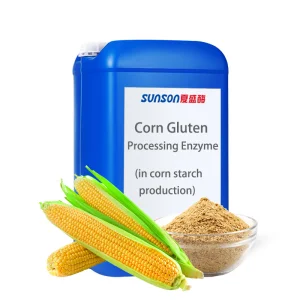
A key focus of this processing framework is moisture control within the filter cake. By using targeted organic enzyme compounds during processing, the factory significantly lowers the moisture retention levels of raw gluten and starch residues. This technological step reduces total thermal drying energy consumption by up to 22%, protecting the long-chain macromolecular structures from thermal damage while ensuring excellent dissolution characteristics in industrial mixing systems.
5. Global Commercial Landscape: Addressing Capacity & Sourcing Security
Modern global logistics require more than just reliable ocean freight access; they demand complete transparency through every stage of material handling and delivery. As trade compliance and shipping dynamics grow more complex, Dongguan Tsrel Biology maintains stable delivery schedules through deep integration with primary shipping networks and strategic regional warehousing hubs.
The factory manages comprehensive production scheduling that allows for continuous raw material buffering. This protects bulk buyers from seasonal market price spikes or unexpected crop yield drops. By sourcing raw plant materials from verified non-GMO operational zones, the company minimizes contamination risks from the very beginning of the manufacturing process.
6. Localized Regulatory Alignment & Comprehensive Quality Certification
Entering strict regulated consumer markets like the United States, Western Europe, or the Gulf Cooperation Council requires detailed and reliable analytical documentation. Dongguan Tsrel Biology maintains compliance across international markets through a robust corporate compliance structure backed by third-party testing and certification.
Core Regulatory Compliance Framework:
- ISO 22000 & FSSAI Standards: Complete hazard analysis and critical control point tracking across every manufacturing line.
- Kosher & Halal Validations: Strict ingredient segregation and regular facility audits to ensure full compliance for specialized global dietary markets.
- Clean-Label Transparency: Zero chemical residual solvents, low heavy-metal limits, and complete absence of synthetic preservation additives.
Every industrial shipment is accompanied by a comprehensive Certificate of Analysis (CoA). This report documents granular product parameters including ash content, mesh particle distribution, complete heavy metal profiles (including Arsenic, Cadmium, Lead, and Mercury), and comprehensive aerobic bacterial counts, giving enterprise quality teams complete peace of mind.