⚡ Featured High-Protein Formulation Essentials
Explore our premium grade plant-based proteins, customized and processed under strict global clean-label standards.
🌐 Global Plant-Based Protein Evolution
The global sports nutrition and clean-label dietary supplement markets are undergoing a critical structural shift. Standard soy and whey proteins, while functional, face rising scrutiny due to allergen concerns (such as soy and gluten tolerances) and the consumer demand for non-GMO, clean-chain raw materials. Within this landscape, Pumpkin Seed Protein (Cucurbita pepo) has emerged as an industry-leading plant alternative.
Highly valued for its exceptional nutritional composition, pumpkin seed protein offers a natural abundance of essential amino acids, particularly arginine, glutamic acid, and branched-chain amino acids (BCAAs). Furthermore, it represents a rich source of biological minerals like Zinc, Magnesium, and Iron, alongside plant-based phytosterols. Global procurement teams are actively seeking manufacturers that can guarantee high protein density (>60% to 75% purity) coupled with flawless organoleptic (neutral color, low grit, mild taste) attributes.
🏗️ Why China is the Core Center for Pumpkin Seed Protein Production
Strategic geographic distribution, deep technological integration, and unparalleled scale efficiency make Chinese factories the premier partners for global supply chains.
Abundant Agronomic Resource Integration
China is home to the world’s largest cultivating regions for high-grade pumpkin seeds, particularly across Northeast China (Heilongjiang) and Inner Mongolia. This geographic proximity allows factories to secure high-fat, high-protein raw seeds, eliminating long-distance transit oxidation and reducing input costs.
Advanced Low-Temp Milling & Extraction
Chinese factories utilize state-of-the-art cold-pressing technologies. The extraction process completely avoids chemical solvents like hexane. By keeping processing temperatures strictly below 50°C, the natural structure of the globulin and albumin proteins is preserved, maintaining high bioavailability and digestibility.
Unbeatable Scale & Cost Efficiency
Through highly automated closed-loop production, Chinese factories achieve economies of scale that cannot be replicated elsewhere. Production includes real-time quality control, automated packaging, and highly optimized processing of byproducts (like pumpkin seed oil), lowering the net unit cost of the protein.
🏢 Dongguan Tsrel Biology Co., Ltd.
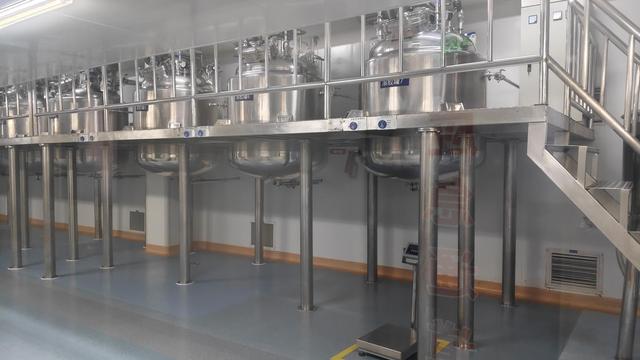
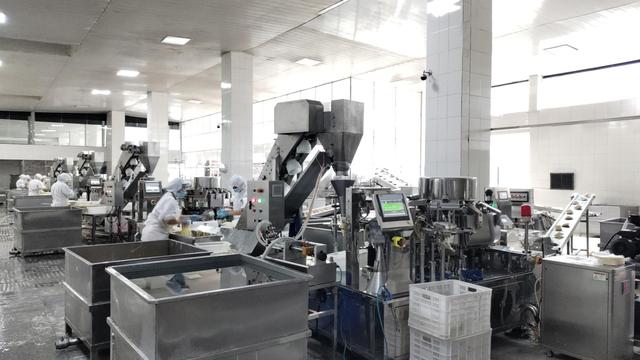
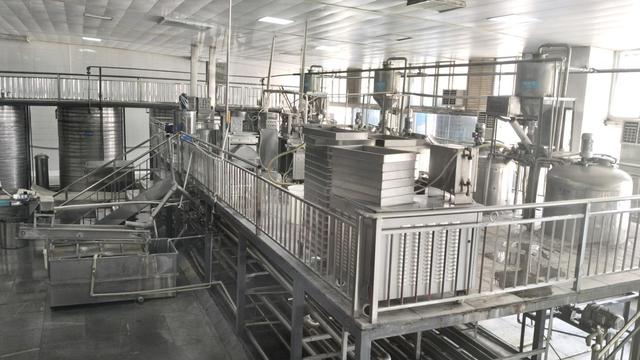
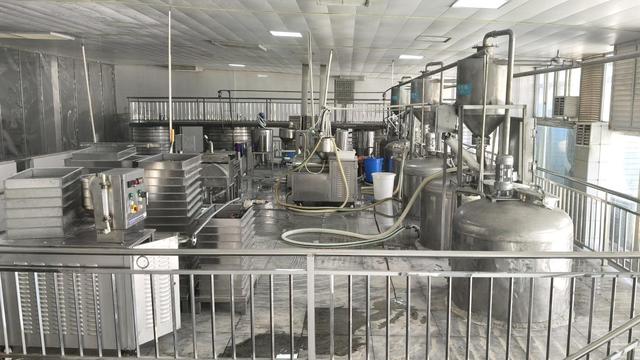
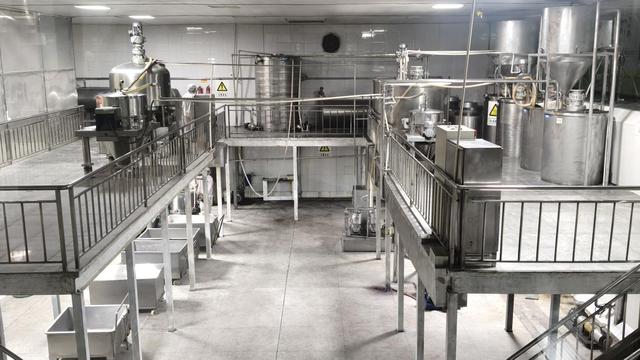
Dongguan Tsrel Biology Co., Ltd. is a professional China vegetal protein manufacturer specializing in the research, development, production, and supply of high-quality plant protein ingredients for food, beverage, and nutritional applications. With a strong focus on innovation, sustainability, and quality assurance, the company is dedicated to providing reliable plant-based ingredient solutions to customers worldwide.
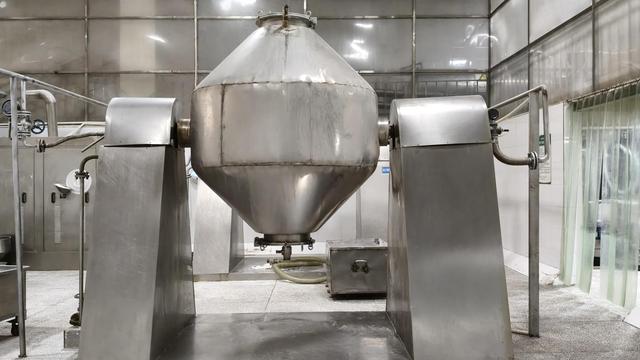
Equipped with advanced manufacturing facilities and modern processing technologies, Dongguan Tsrel Biology offers a comprehensive range of vegetal proteins, including soy protein, pea protein, rice protein, wheat protein, and other specialty plant proteins. These ingredients are widely used in functional foods, nutritional supplements, sports nutrition products, dairy alternatives, meat alternatives, beverages, bakery products, and health food applications.
Innovation is a key driving force behind the company's growth. Supported by an experienced research and development team, Dongguan Tsrel Biology continuously explores new technologies and application solutions to meet the evolving demands of the global food and nutrition industries. The company also provides customized ingredient solutions to help customers optimize product formulations, improve nutritional profiles, enhance texture, and create clean-label products.
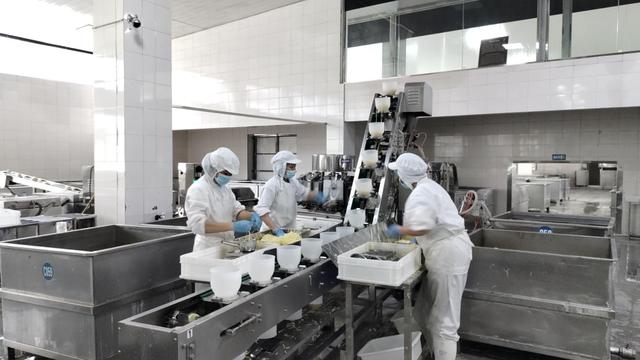
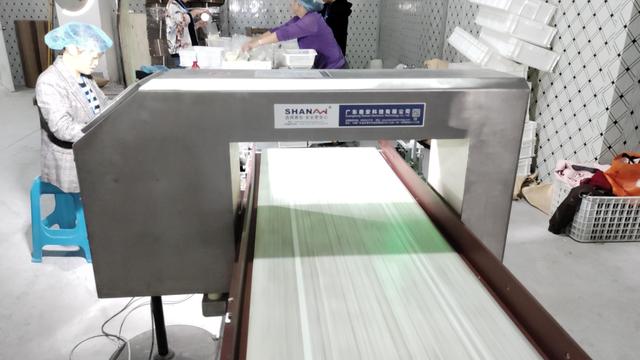
Quality and food safety are integrated into every stage of production. From raw material sourcing and processing to final testing and packaging, strict quality control procedures are implemented to ensure product consistency, purity, safety, and compliance with international standards. This commitment enables the company to deliver dependable products that meet the rigorous requirements of global customers.
With customer satisfaction at the center of its operations, competitive manufacturing capabilities, stable supply chains, and professional technical support, Dongguan Tsrel Biology Co., Ltd. has established long-term partnerships with food manufacturers, distributors, and brand owners across international markets.
- Core Competence: Customized mesh sizing and protein concentration matching
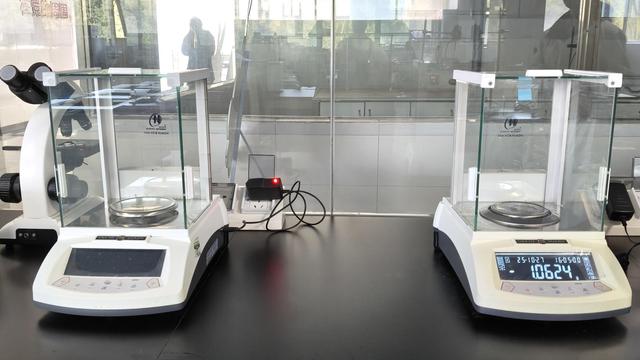
- Advanced Testing: In-house HPLC, microbiology labs, and heavy metal detection
- Certifications: HACCP, ISO 22000, and organic compliant processing pipelines
📊 Technical Quality Benchmarks & Specifications
A breakdown of the core parameters global procurement officers inspect during supplier audits and quality assurance phases.
| Analysis parameter | Premium Grade Target | Standard Commercial Grade | Methodology / Standard |
|---|---|---|---|
| Protein Content (Dry Basis) | ≥ 70.0% or 75.0% | 60.0% – 65.0% | Kjeldahl Method (N x 6.25) |
| Moisture Content | ≤ 5.0% | ≤ 8.0% | Loss on drying at 105°C |
| Fat Content | ≤ 6.0% | ≤ 10.0% | Soxhlet Extraction |
| Ash Content | ≤ 6.0% | ≤ 8.0% | Gravimetric analysis at 550°C |
| Mesh Size (Particle Distribution) | 100% through 100-200 mesh | 80 mesh | Standard Sieve Analysis |
| Heavy Metals (Pb, As, Cd) | Pb <0.2 ppm, As <0.1 ppm | Pb <0.5 ppm, As <0.2 ppm | ICP-MS (Inductively Coupled Plasma) |
| Microbiological Count | Total Plate Count <3000 cfu/g | <10000 cfu/g | FDA BAM Methods |
💡 Targeted Industry Solutions & Application Frameworks
How pumpkin seed protein addresses specific formulation challenges across diverse vertical markets.
Sports Nutrition & Performance Blends
The Challenge: Achieving a complete amino acid profile without relying on dairy proteins or soy allergens.
The Solution: Combining pumpkin seed protein (rich in arginine and L-tryptophan) with yellow pea protein creates a synergistic blend with a balanced PDCAAS score, ideal for clean-label muscle recovery shakes.
Low-Carb Bakery & Functional Snacks
The Challenge: High gluten-free flours lack structural integrity and protein density.
The Solution: Using pumpkin seed protein as a flour substitute enhances oil binding and water retention, yielding soft, nutrient-dense keto bars, gluten-free cookies, and high-protein flatbreads.
Plant-Based Beverages & Creamers
The Challenge: Grit and precipitation in plant-based milks.
The Solution: Ultrafine micronization (150-200 mesh size) combined with enzymatic treatment improves solubility, suspension stability, and mouthfeel in oat, almond, and ready-to-drink (RTD) plant milks.
⚙️ The B2B Sourcing Playbook: Step-by-Step Guide
Sourcing plant protein ingredients at scale requires systematic verification to manage risk and secure regulatory compliance.
- Step 1: Document Auditing: Request COA, Organic certificates, Allergen declaration, Non-GMO statement, and Kosher/Halal proofs.
- Step 2: Sample Validation: Conduct pilot bench testing for organoleptic properties (taste, odor, dispersion, grittiness) in your specific matrix.
- Step 3: Factory Walkthrough (Virtual/Onsite): Verify safety controls (HACCP, ISO 22000), processing equipment, and batch traceability systems.
- Step 4: Logistics & Lead Times: Align on incoterms (FOB, CIF, DDP), bulk packaging specs (20kg multi-layer bags, 500kg supersacks), and palletization options.
Key Industry Trends (2025–2030)
1. Enzymatic Hydrolysis: Increased demand for plant-based peptides with low molecular weight for faster muscle absorption and improved functional solubility.
2. Regenerative Organic Agriculture: Brands are paying premiums for pumpkin seeds sourced from verified sustainable and carbon-neutral farming practices.
3. Upcycled Ingredient Integration: Using agricultural byproducts from pumpkin seed oil extraction to create highly purified protein isolates, supporting circular economic models.
❓ Frequently Asked Questions (FAQ)
Direct answers to critical sourcing questions to help you streamline your ingredient procurement process.
📦 Additional Specialized Plant Proteins & Ingredients
A full portfolio of complementary plant ingredients to round out your custom formulations and B2B requirements.