Premium Functional Proteins - Selected Catalog
High-purity isolates, peptides, and functional protein bases optimized for solubility, bioavailability, and structural performance in diverse food applications.

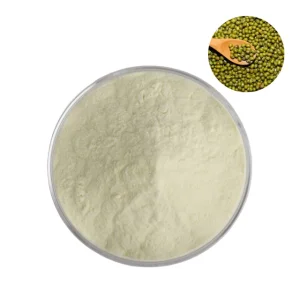
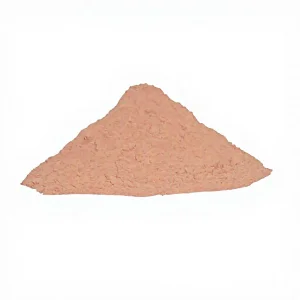
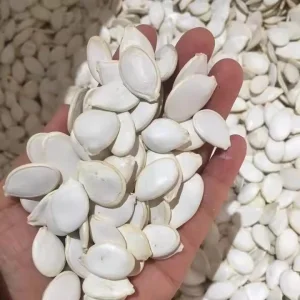
Dongguan Tsrel Biology Co., Ltd.
As a premier China vegetal protein manufacturer, Dongguan Tsrel Biology Co., Ltd. is at the absolute forefront of research, development, and high-volume production of premium plant protein ingredients. Catering to global food, beverage, and sports nutrition segments, our dedication centers on structural innovation, environmental sustainability, and rigorous E-E-A-T-aligned quality practices.
Equipped with state-of-the-art manufacturing infrastructure and employing state-of-the-art enzymatic separation technologies, we supply an extensive catalog including soy protein isolates, pea protein isolates, rice, wheat, and highly customized specialty proteins. These ingredients serve as the functional foundation for modern health foods, meat alternatives, dairy replacements, and advanced sports nutrition formulas globally.
Our R&D team works in close collaboration with international brand owners to optimize product textures, improve amino acid profiles, and deliver clean-label solutions that meet strict regulatory benchmarks. At Dongguan Tsrel Biology, quality assurance is integrated into every phase of production—from raw material sourcing to packaging.
Why Global Brands Choose Us
- Customized Particle Distribution & Solubility: Tailored dispersion mechanics for ultra-smooth beverages.
- Low-Antinutrient Extraction: Specialized thermal and enzymatic processes that eliminate beany off-flavors and improve digestibility.
- Eco-Certified Clean Labeling: Fully traceable, non-GMO supply streams aligned with EU/FDA regulations.
Global Protein Fortification Market Dynamics
Exploring shifting demographics, technological requirements, and consumer demand for cleaner, plant-derived proteins.
1. The Macro Plant Shift
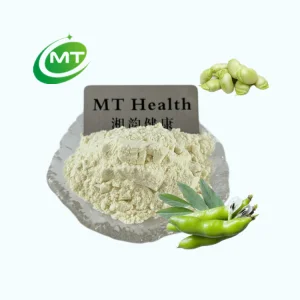
Consumers are increasingly rejecting animal-based inputs due to carbon footprint concerns and allergen risks. Plant protein isolates like Pea and Faba bean have transitioned from specialty health shop niches to mass-market consumer staples, including high-protein bakery, active nutrition, and functional beverages.
2. Bioavailability & PDCAAS
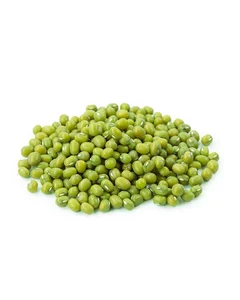
Modern formulators look beyond total raw protein percentage. Evaluation metrics focus on PDCAAS (Protein Digestibility-Corrected Amino Acid Score) and amino acid ratios. Highly refined blends featuring mung bean and oat are gaining ground to deliver complete, digestible proteins.
3. Organoleptic & Textural Challenges
Historically, plant-derived bases introduced chalky textures and bitter tones. Advancements in enzymatic hydrolysis and precision air-classification milling are critical to achieving neutral-tasting proteins that blend seamlessly in functional formulations.
China Factory Advantage: Scaling and Logistics Resilience
Deep vertical integration, domestic ingredient access, and state-of-the-art maritime infrastructure deliver distinct procurement advantages.
Raw Material Clustering & Security
Our manufacturing facilities are strategically positioned near major agricultural logistics hubs in China, securing steady, year-round access to premium legumes, oats, and seeds. This geographical advantage insulates our international buyers from regional supply crises and raw material cost spikes.
Furthermore, our processing lines employ closed-loop waste recovery system design to lower environmental overheads. The cost efficiency achieved is directly passed down to our bulk wholesale clients, allowing for highly competitive unit rates on advanced proteins like hydrolyzed pea and faba bean isolate.
Unmatched Export Logistics
Located in Dongguan, our integration with major deep-water ports like Shenzhen and Guangzhou guarantees fast shipping lanes to North America, Europe, and the APAC region. Streamlined customs clearance processes and robust logistics partnerships significantly reduce transit times.
We utilize vacuum-sealed bulk drum configurations and customized inner plastic container systems that protect ingredients against moisture, oxidation, and biological degradation during ocean transit, ensuring that raw material arrivals maintain strict specifications.
Technological Roadmap & Future Outlook
Our engineering trajectory focuses on targeted enzymatic modification, peptide fragmentation, and clean-label processing.
Enzymatic De-bittering & Isolation
Utilizing highly selective food-grade proteases to break down bitter peptides, minimizing the characteristic plant-based off-flavors. Our current focus is achieving a minimum 90% purity index in Faba Bean and Pea isolates without altering native structural properties.
Low Molecular Weight Peptides
Scaling up enzymatic hydrolysis processes to produce pea and wheat peptides below 1,000 Daltons. These smaller peptide configurations speed up gut absorption rates, rendering them highly suited for advanced clinical and premium sports nutrition formulas.
Precision Hybrids & Microalgae
R&D programs are integrating high-density spirulina protein derivatives and fermentation-derived proteins. These upcoming offerings aim to maximize environmental efficiency while delivering tailored amino acid structures that match the nutritional profile of dairy.
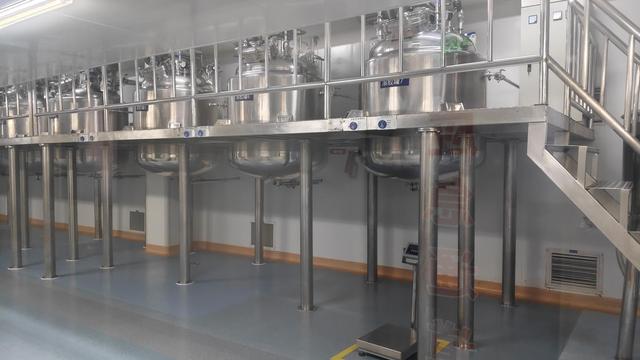
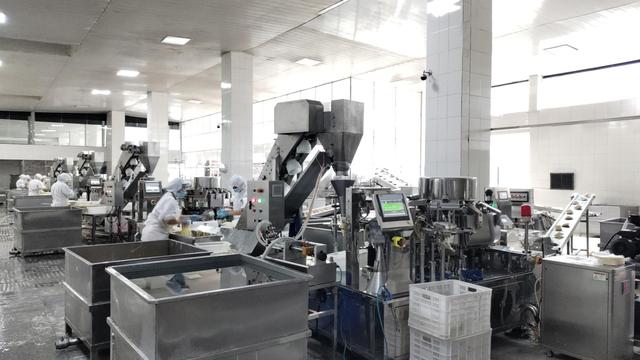
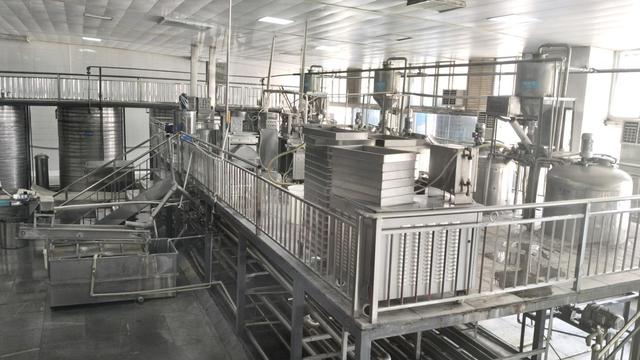
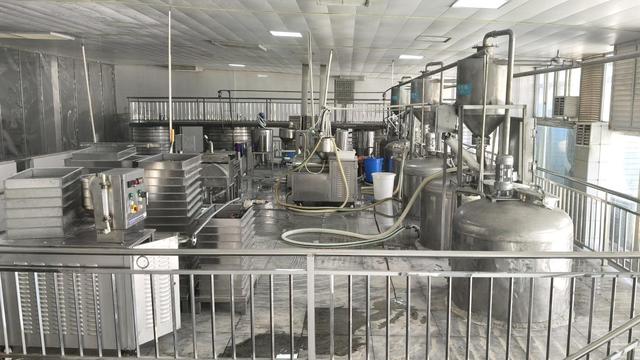
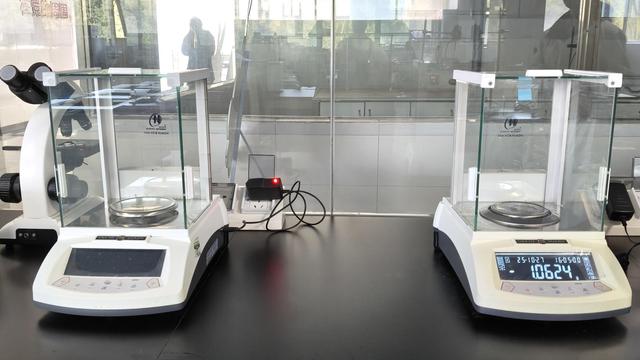
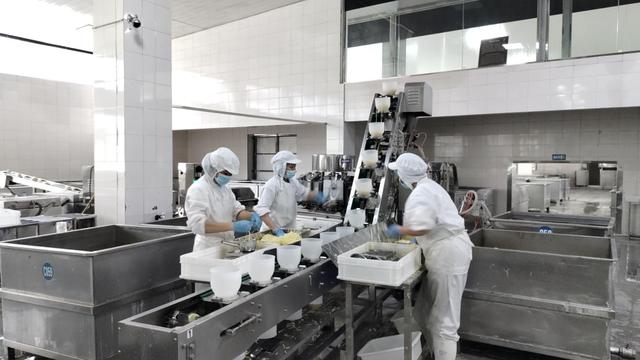
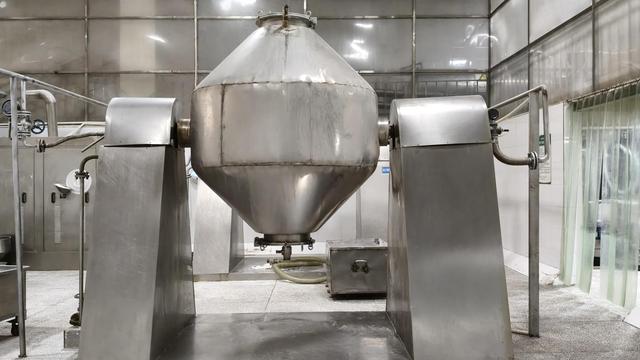
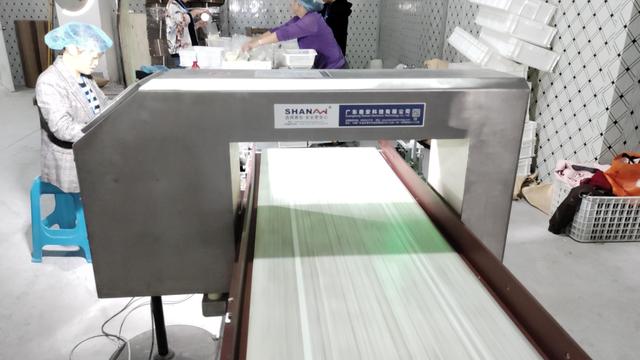
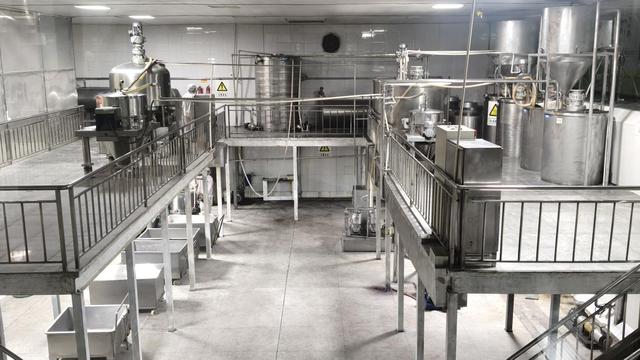
Advanced Production Facility Gallery
Take a look inside our clean-room processing lines, automated extraction systems, and analytical testing centers.
Targeted Functional Application Scenarios
How our plant proteins are processed to optimize performance in final food matrices.
Sports Nutrition & Hydrolyzed Peptides
In high-protein drink mixes and workout RTD beverages, powder dispersion speed and suspension stability are critical metrics. Our hydrolyzed pea and wheat proteins undergo custom enzymatic sizing, yielding quick water-solubility that prevents clumping and sediment formation, even in cold liquids.
Meat & Dairy Alternatives
Textured plant proteins (TVP) require structured fiber matrices to mimic animal muscle behavior. Our isolated soy and faba bean proteins feature high emulsification, water-binding capacity, and gel strength, giving vegetarian burgers, plant-based milks, and cheese alternatives the desired mouthfeel and structural integrity.
Bakery, Cereals & Snacks
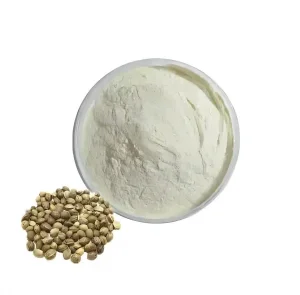
Incorporating proteins into baked goods can often lead to dry, crumbly textures. By utilizing our oat and pumpkin seed protein fractions, bakers can boost protein density while retaining moisture, improving crumb structure, and enhancing nutty undertones without relying on synthetic stabilizers.
Animal Nutrition & Specialized Feeds
Precision-formulated animal feeds require cost-efficient, highly digestible protein profiles. Our functional proteins engineered for animal feed deliver balanced amino acid matrices, supporting growth and development in aquaculture and livestock sectors while maintaining clean raw material sourcing standards.
Global Regulatory Compliance & Customization Support
Navigating complex international standards through certification, transparent tracing, and responsive OEM options.
Certifications Matrix
Our processing lines hold full certifications under GMP, ISO 9001, and HACCP standards. To support various cultural requirements, our key plant isolates are certified Halal and Kosher, ensuring smooth imports across Middle Eastern, North American, and European regions.
Allergen Controls
We implement rigorous allergen isolation protocols. For soy-free or gluten-free requirements, we operate dedicated processing lines for pea, mung bean, and faba bean, verifying batch purity through ELISA testing and supplying complete certificates of analysis (COA).
OEM Packaging & Labeling
From multi-layered paper sacks to bulk supersacks and private-labeled retail containers, we customize primary and secondary packaging options. We ensure that nutritional panels, batch codes, and shelf-life declarations align precisely with destination market regulations.
Extended Specialized Protein Portfolio
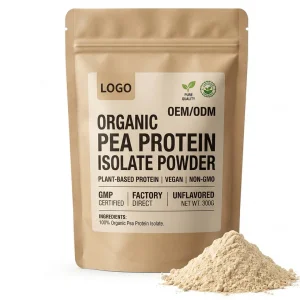
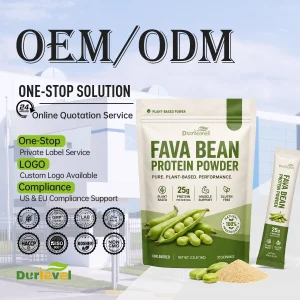
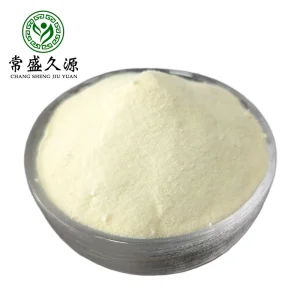
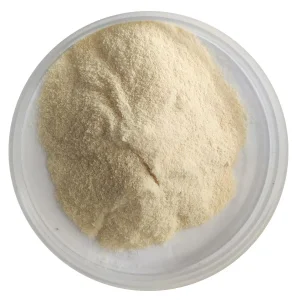
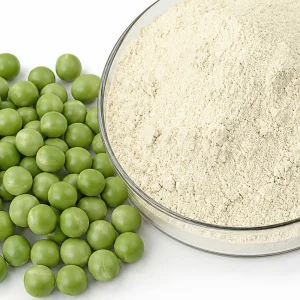
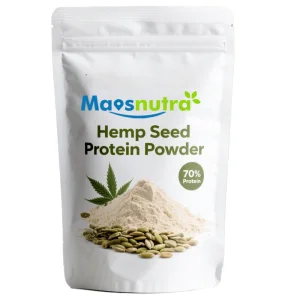
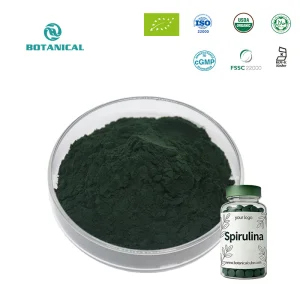
Explore our full selection of organic, vegan-certified isolates, specialty seeds, and high-bioavailability spirulina bases.
Frequently Asked Technical Questions
Direct technical and procurement insights from our R&D specialists and logistics coordinators.
What factors differentiate Dongguan Tsrel Biology's protein isolates from basic market proteins?
Our isolates, including faba bean and pea, undergo targeted enzymatic de-bittering and multi-stage extraction. This approach selectively targets and breaks down bitter saponins and hexanal volatiles, resulting in high protein content (up to 90%) with clean flavors, high dispersibility, and minimal sediment formation.
How does the molecular weight profile of your hydrolyzed pea protein support formulation needs?
Our hydrolyzed pea protein powder has an average molecular weight distribution below 2,000 Daltons. These small plant peptide chains remain clear and fully stable in acidic environments, helping avoid precipitation in sports nutrition mixes, active recovery formulas, and clinical drink blends.
What quality assurance measures prevent cross-contamination in allergen-sensitive lines?
We run dedicated processing lines for pea, mung bean, and oat proteins that are completely separate from our soy and wheat processing facilities. Our protocols enforce rigorous CIP (Clean-in-Place) procedures, followed by allergen ELISA screening on each batch, providing documentation to support allergy-safe labeling.
What certifications are available for international distribution?
Our manufacturing systems are verified under ISO 22000, HACCP, and GMP standards. Additionally, many of our protein isolates, including organic pea and faba bean, hold EU and USDA Organic certifications, Halal, and Kosher clearances to meet diverse regulatory needs globally.
What is the standard lead time for customized bulk private-label shipments?
Standard bulk cargo leaves our facility within 14 to 21 days of order validation. For customized requests requiring specific particle sizing, customized drying profiles, or private labeling, lead times vary between 20 and 30 days depending on the customization parameters and laboratory confirmation.