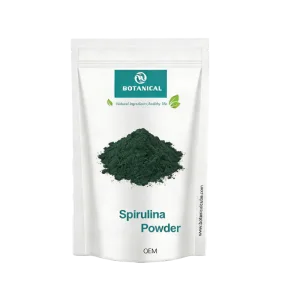
Premium Plant Protein Ingredients Portfolio
Explore our core CE certified plant-based proteins engineered for optimal nutrition, solubility, and functional texture.

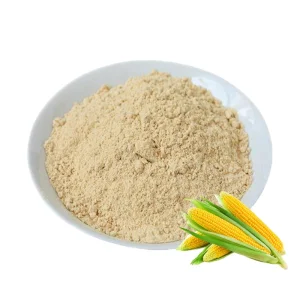

The Paradigm Shift in Global Plant Protein Sourcing
Analyzing industry macro trends, functional properties, and market evolution.
The global food technology and nutritional sectors are undergoing a massive structural transition. Industrial formulations are increasingly substituting animal-based proteins with CE-certified plant protein concentrates, isolates, and peptides. This change is driven by environmental concerns, changing diets, and advancements in extraction methods that preserve natural functionality.
Recent data indicates that the plant-based protein market is expanding beyond soy. While soy remains a foundational raw material due to its complete amino acid profile, alternative grains, pulses, and oilseeds are gaining significant market share:
Hypoallergenic Demands
Pea, rice, and oat proteins provide clean-label, gluten-free, and allergen-free alternatives for sensitive demographics, eliminating concerns linked to dairy and soy.
Bioactive Peptides
Enzymatic hydrolysis creates highly digestible bioactive peptides (e.g., soy, corn, and rice peptides) that absorb quickly and support metabolic health.
Structural Performance
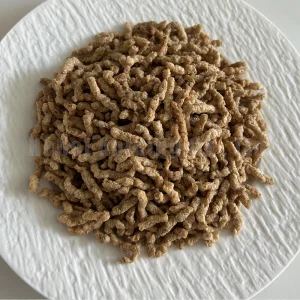
Formulators now demand plant proteins with specific properties, such as rapeseed protein for emulsification or textured vegetable protein (TVP) for meat-like textures.
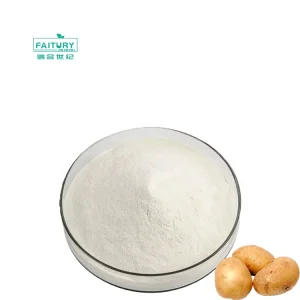
From an industrial perspective, raw material selection is now based on functional properties. For example, rapeseed protein contains high levels of sulfur-containing amino acids and offers strong gelation capabilities, making it ideal for plant-based dairy and egg alternatives. Meanwhile, potato protein isolates reach up to 90% purity, providing excellent foaming and gelling behavior that is useful for clean-label bakery applications.
Procurement Requirements of Global Food & Nutraceutical Enterprises
Addressing supply chain challenges, quality criteria, and compliance standards.
Sourcing raw ingredients for international food systems requires meeting strict regulatory standards. Large buyers need more than just high-quality plant proteins; they require certified verification of supply chain safety, sustainability, and quality control.
1. Legal & Regulatory Compliance (CE and Beyond)
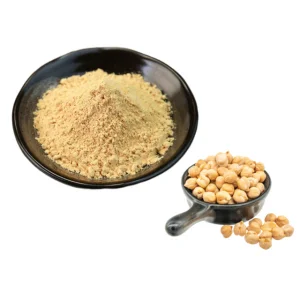
In the European Economic Area (EEA) and other international markets, compliance with safety and environmental standards is essential. Our manufacturing processes align with CE guidelines, ISO 22000, HACCP, and GMP standards. This alignment ensures that every batch of plant protein—whether pea, soy, chickpea, or rapeseed—is fully traceable, free from prohibited contaminants, and suitable for consumer products.
2. Rigorous Chemical and Biological Quality Metrics
Global procurement teams utilize strict risk-assessment models. We address these requirements by providing comprehensive certificates of analysis (CoA) detailing:
- Heavy Metal Safeguards: Lead, Arsenic, Cadmium, and Mercury levels kept well below stringent EFSA and FDA thresholds.
- Microbiological Safety: Zero tolerance for Salmonella, Listeria, and pathogenic E. coli.
- Pesticide Residue Screenings: Comprehensive testing confirming non-detectable levels of glyphosates and other agricultural chemicals.
3. Non-GMO and Clean Label Integrity
Consumers increasingly demand clean-label products. Enterprises need partners who can guarantee identity-preserved (IP) non-GMO raw crops. Sourcing non-GMO materials is a core policy at our production facilities, protecting brands from regulatory hurdles and maintaining consumer trust.
Macro-Level Functional Solutions Matrix
Matching plant protein matrices to specific food, beverage, and therapeutic applications.
Formulating with plant-based proteins can present challenges such as undesirable off-flavors, grittiness, phase separation, and issues with water binding. We optimize our processing technologies to resolve these technical challenges across various product formats:
| Protein Category | Key Functional Property | Target Industrial Application | Formulation Problem Solved |
|---|---|---|---|
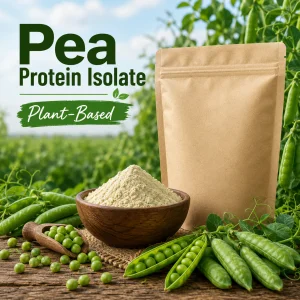
| Pea Protein Isolate 85% | High water-binding & gelling | Meat analogues, vegan sausages | Improves juiciness and bite texture |
| Rapeseed Protein Concentrate | Excellent emulsification | Sauces, dressings, egg alternatives | Prevents oil-water separation |
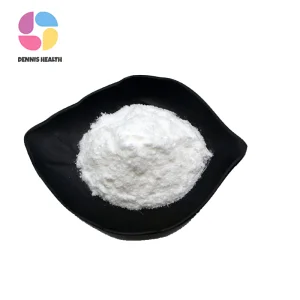
| Hydrolyzed Rice Peptides (95%) | High solubility & low viscosity | Clear functional drinks, infant nutrition | Eliminates grittiness and sedimentation |
| Textured Soy/Vegetable Protein (TVP) | Fibrous micro-structure | Minced meat alternatives, fillings | Replicates the chewiness of animal meat |
| Corn Zein Peptide Powder | Bioactive absorption & film-forming | Dietary supplements, tablet coating | Enhances active ingredient bioavailability |
For example, in sports nutrition, using raw pea or rice protein can sometimes result in a sandy texture. By applying controlled enzymatic hydrolysis, we break down the protein chains into low-molecular-weight peptides. This improves solubility and digestion, creating a smoother texture in ready-to-mix beverages.
Technical Roadmap & Processing Innovations
Future-proofing plant protein manufacturing through advanced processing technologies.
Green Extraction Solutions
Transitioning from traditional organic solvent extraction to sustainable, water-based, and membrane-filtered processes to maintain environmental integrity.
Targeted Enzymatic Cleavage
Utilizing high-precision enzymes to split large proteins into specific peptide fractions. This reduces bitterness and increases digestive performance.
Advanced High-Moisture Extrusion
Employing twin-screw systems to create realistic fibrous structures in plant proteins, allowing brands to formulate high-quality meat alternatives.
Our technical strategy focuses on functional efficiency. We are refining our processing lines to reduce energy usage while maximizing output. By fine-tuning parameters like thermal history, pH levels, and shear force, we can alter the protein structure to match the requirements of developers, helping brands transition from concept to retail packaging quickly.
Corporate Profile: Dongguan Tsrel Biology Co., Ltd.
A trusted manufacturer of plant-based protein solutions for the global nutrition industry.
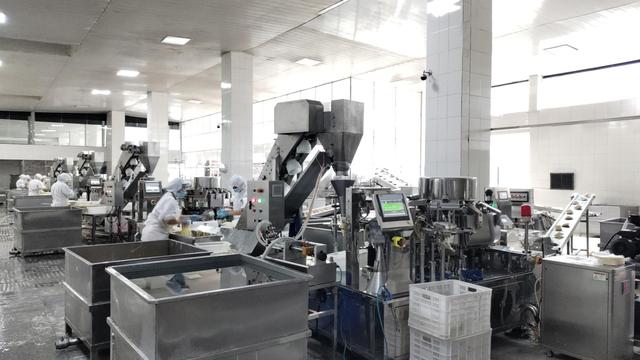
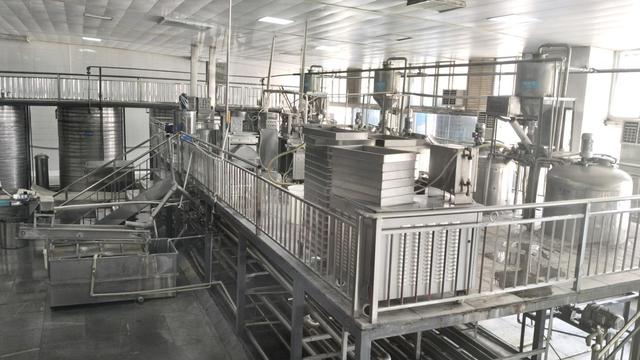
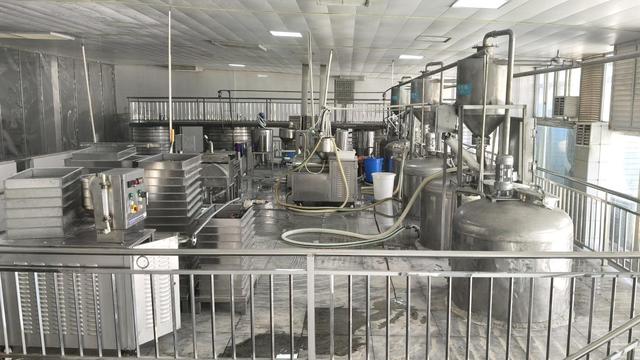
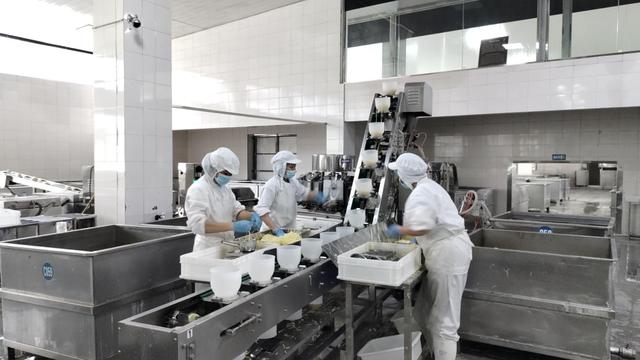
Dongguan Tsrel Biology Co., Ltd. is a professional China vegetal protein manufacturer specializing in the research, development, production, and supply of high-quality plant protein ingredients for food, beverage, and nutritional applications. With a strong focus on innovation, sustainability, and quality assurance, the company is dedicated to providing reliable plant-based ingredient solutions to customers worldwide.
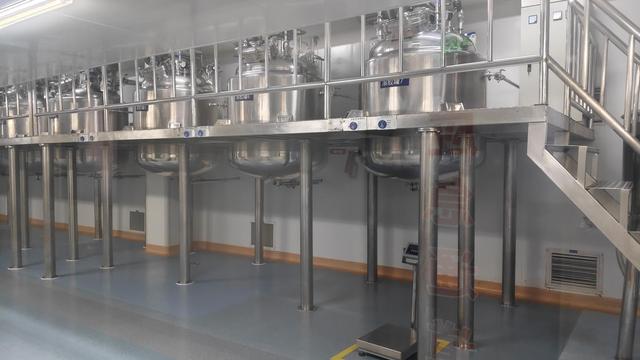
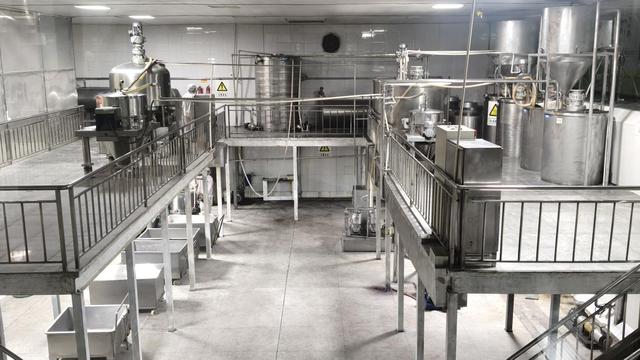
Equipped with advanced manufacturing facilities and modern processing technologies, Dongguan Tsrel Biology Co., Ltd. offers a comprehensive range of vegetal proteins, including soy protein, pea protein, rice protein, wheat protein, and other specialty plant proteins. These ingredients are widely used in functional foods, nutritional supplements, sports nutrition products, dairy alternatives, meat alternatives, beverages, bakery products, and health food applications.
Innovation is a key driving force behind the company's growth. Supported by an experienced research and development team, Dongguan Tsrel Biology Co., Ltd. continuously explores new technologies and application solutions to meet the evolving demands of the global food and nutrition industries. The company also provides customized ingredient solutions to help customers optimize product formulations, improve nutritional profiles, enhance texture, and create clean-label products.
Quality and food safety are integrated into every stage of production. From raw material sourcing and processing to final testing and packaging, strict quality control procedures are implemented to ensure product consistency, purity, safety, and compliance with international standards. This commitment enables the company to deliver dependable products that meet the rigorous requirements of global customers.
With customer satisfaction at the center of its operations, competitive manufacturing capabilities, stable supply chains, and professional technical support, Dongguan Tsrel Biology Co., Ltd. has established long-term partnerships with food manufacturers, distributors, and brand owners across international markets. The company remains committed to advancing sustainable nutrition through innovative plant protein solutions for the global marketplace.



Strategic Sourcing & Compliance FAQ
Answering crucial technical and logistical questions for B2B procurement managers.
Explore More Specialized Plant Protein Ingredients
Additional high-quality products for health food, nutraceutical, and clinical nutrition applications.