Spotlight: Plant Protein Solutions for Benelux Manufacturers
High-purity ingredients optimized for clean-label, functional food production in the Netherlands and European markets.
1. The Dutch Plant Protein Market: Commercial & Industrial Context
The Netherlands sits at the absolute epicenter of the European plant-based revolution. Often termed the "Silicon Valley of Food," the Dutch ecosystem is characterized by the high concentration of food science hubs like the Wageningen University & Research (WUR) and the innovation-intensive "Foodvalley." Driven by progressive national dietary guidelines, sustainability targets, and a highly receptive consumer base, the demand for structured meat alternatives has skyrocketed. As the premier port of entry to continental Europe, the Port of Rotterdam acts as a pivotal logistics arterial road through which Textured Vegetable Proteins (TVP) are imported, processed, and distributed to meet the strict demands of food manufacturers across Germany, Belgium, France, and Scandinavia.
To succeed in this highly sophisticated environment, Textured Vegetable Protein exporters must deliver more than just volume. They must satisfy complex requirements around structural integrity, clean labeling, and sensory neutrality. The local Dutch market expects advanced textures that can seamlessly replace traditional meats in iconic preparations like *bitterballen*, *kroketten*, and plant-based burgers, requiring TVP with excellent water absorption, chewing resistance, and thermal stability.
2. Localized Application Scenarios in the Benelux Region
Within the Benelux food processing industry, textured plant proteins must perform across a variety of specific technological applications:
- Meat Analogue Structuring: Recreating the fibrous matrix of poultry, beef, and pork. This requires a balanced ratio of textured soy protein and textured pea protein to match the elastic shear modulus of cooked meat.
- Hybrid Meat Formulations: Incorporating TVP into traditional meat formulations to reduce environmental impact and lower costs while maintaining the moisture-retention properties of animal fats.
- Ready-to-Eat (RTE) Retorted Meals: TVP that can withstand intense retort temperatures (121°C) without losing its structure or dissolving into mush.
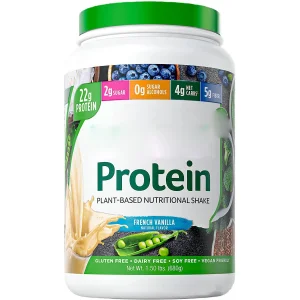
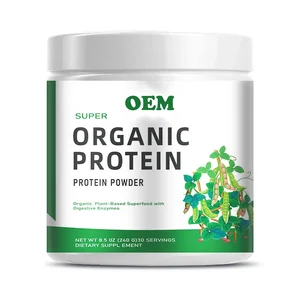
- Bakery and Nutritional Enrichment: Incorporating plant-based protein powders and isolates into standard snack bars, high-protein bread, and meal replacement shakes without altering taste profiles.
3. Technological Roadmap: The Science of Texturization
The transition from native plant proteins to structured meat-like fibers is governed by advanced thermo-mechanical processing. At our state-of-the-art facilities, we employ Twin-Screw Extrusion (both Low Moisture Extrusion - LME and High Moisture Extrusion - HME) to manipulate the quaternary structure of proteins.
Through precise temperature control, shear force application, and moisture dosing, we denature the globular plant proteins, encouraging them to align and cross-link via disulfide bonds. The result is a highly defined, anisotropic fibrous structure that behaves identically to muscle tissue. Our technological roadmap is focused on minimizing off-notes through vacuum stripping and enzyme-assisted processing, ensuring that our products require minimal flavoring agents to mask unwanted tastes, supporting clean-label formulations for Dutch and EU customers.
>80%
Protein Concentration
1:3.2
Water Absorption Ratio
100%
Non-GMO IP Sourced
Zero
Chemical Additives
4. China Supply Chain Resilience: The Advantage of Dongguan Tsrel Biology
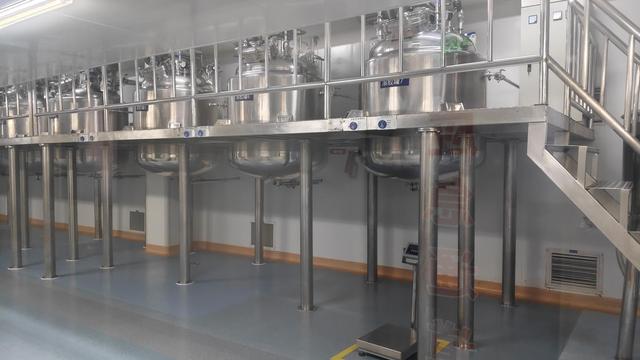
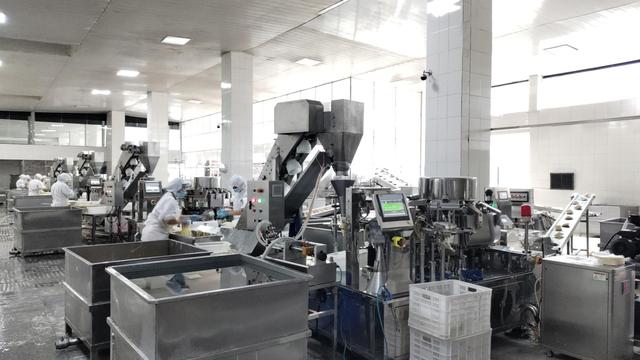
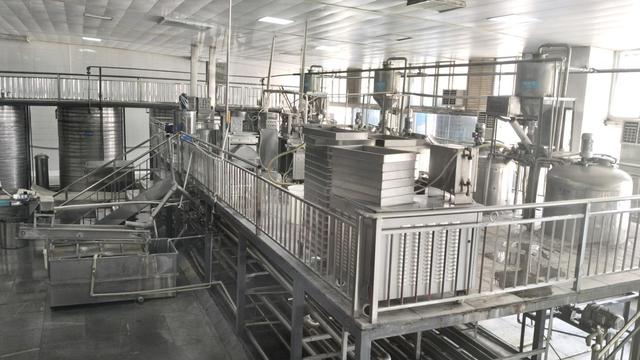
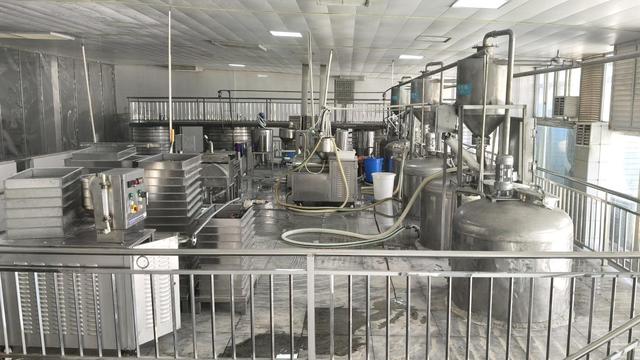
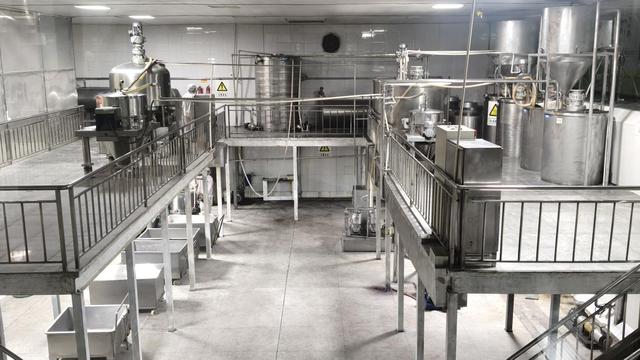
Dongguan Tsrel Biology Co., Ltd. is a professional China vegetal protein manufacturer specializing in the research, development, production, and supply of high-quality plant protein ingredients for food, beverage, and nutritional applications. With a strong focus on innovation, sustainability, and quality assurance, the company is dedicated to providing reliable plant-based ingredient solutions to customers worldwide.
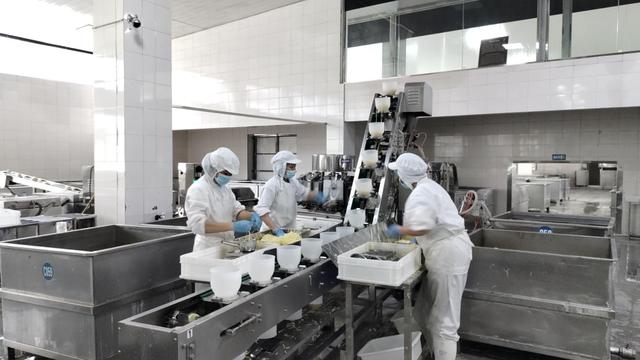
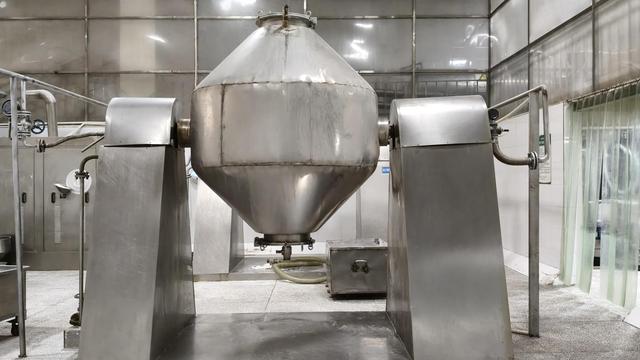
Equipped with advanced manufacturing facilities and modern processing technologies, Dongguan Tsrel Biology offers a comprehensive range of vegetal proteins, including soy protein, pea protein, rice protein, wheat protein, and other specialty plant proteins. These ingredients are widely used in functional foods, nutritional supplements, sports nutrition products, dairy alternatives, meat alternatives, beverages, bakery products, and health food applications.
Innovation is a key driving force behind the company's growth. Supported by an experienced research and development team, Dongguan Tsrel Biology continuously explores new technologies and application solutions to meet the evolving demands of the global food and nutrition industries. The company also provides customized ingredient solutions to help customers optimize product formulations, improve nutritional profiles, enhance texture, and create clean-label products.
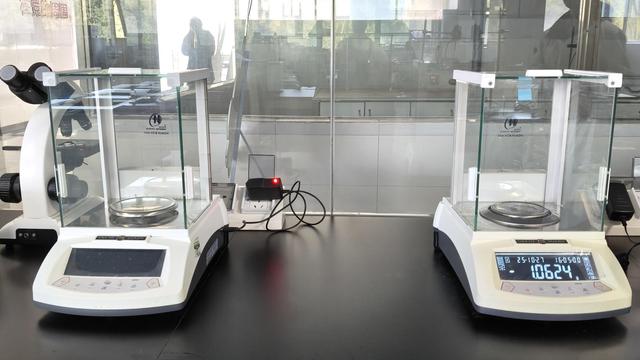
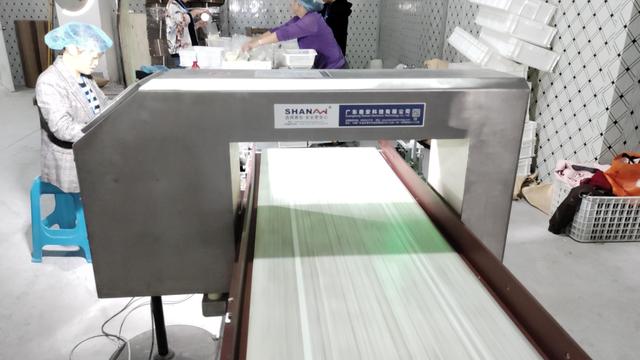
Quality and food safety are integrated into every stage of production. From raw material sourcing and processing to final testing and packaging, strict quality control procedures are implemented to ensure product consistency, purity, safety, and compliance with international standards. This commitment enables the company to deliver dependable products that meet the rigorous requirements of global customers.
With customer satisfaction at the center of its operations, competitive manufacturing capabilities, stable supply chains, and professional technical support, Dongguan Tsrel Biology Co., Ltd. has established long-term partnerships with food manufacturers, distributors, and brand owners across international markets. The company remains committed to advancing sustainable nutrition through innovative plant protein solutions for the global marketplace.
5. Compliance, Certification & Strict Standards for Dutch Importing
Exporting to the Netherlands requires strict compliance with European Food Safety Authority (EFSA) regulations and local Dutch Food and Consumer Product Safety Authority (NVWA) protocols. Dongguan Tsrel Biology Co., Ltd. ensures full traceability and alignment with these standards through:
- IP Non-GMO Certification: Every batch of soy protein undergoes PCR screening to verify Identity Preservation, satisfying European concerns over GMO presence.
- Pesticide & Heavy Metal Control: Our raw materials undergo rigorous testing for residues (such as Glyphosate) and heavy metals (Lead, Cadmium, Arsenic) to ensure they are well below European limits.
- Allergen Mitigation: Dedicated production lines for pea and rice proteins prevent cross-contamination with soy or gluten allergens.
- Global Standards Compliance: Our processes are certified under BRCGS, FSSC 22000, Halal, Kosher, and EU Organic standards.
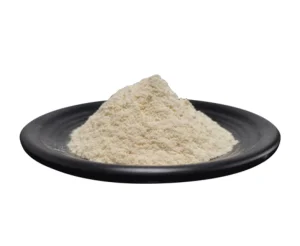
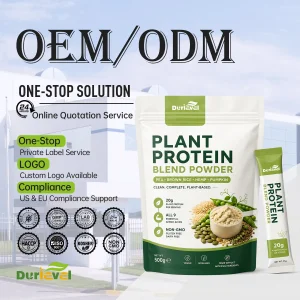
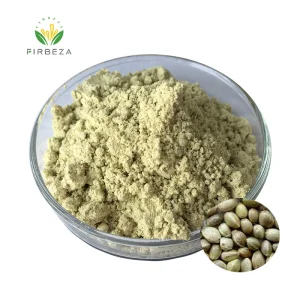
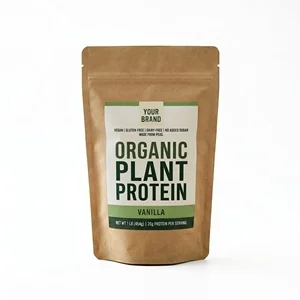
Comprehensive Plant-Based Ingredients Portfolio
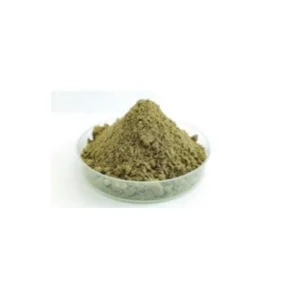
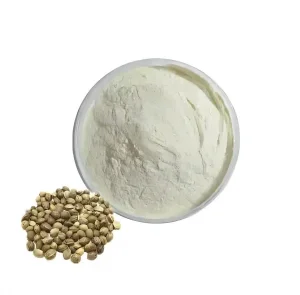
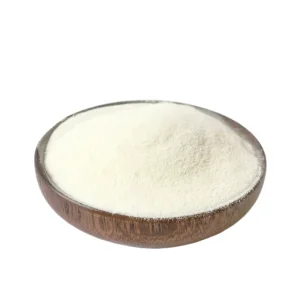
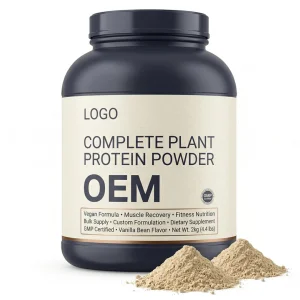
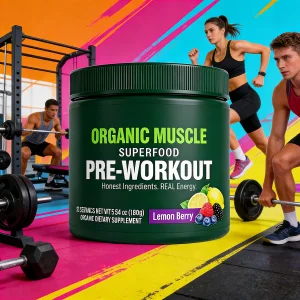
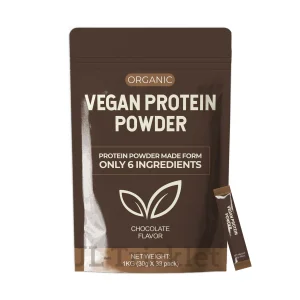
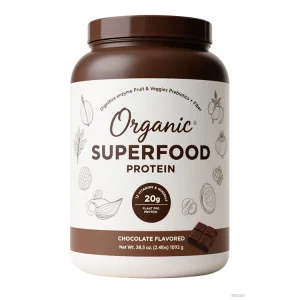
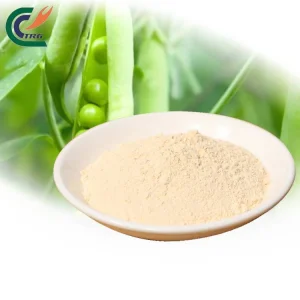
Explore our complete range of certified organic, functional proteins designed for global export.
Frequently Asked Questions
Technical and logistics answers for procurement managers and food scientists in the Netherlands.
What is the water absorption ratio of your Textured Pea & Soy Proteins?
Our Textured Pea Protein and Textured Soy Protein options feature a water absorption index ranging from 1:3.0 to 1:3.5. This high binding capacity ensures the final meat analogue retains moisture during cooking, providing a juicy, realistic texture.
How do you guarantee Non-GMO Identity Preservation (IP)?
We source our raw materials from dedicated, certified Non-GMO agricultural zones. Every delivery undergoes strict PCR testing at the source and before processing, and we provide complete IP documentation for customs clearance in Rotterdam.
What is the typical shipping lead time to the Port of Rotterdam?
For custom bulk orders, manufacturing and laboratory testing take approximately 10–14 days. Ocean transit to Rotterdam takes about 28–35 days. For urgent demands, we also offer rail transport options via the New Silk Road corridor, taking 15–18 days.
Do you support custom formulations for clean-label requirements?
Yes. Our R&D team can customize the protein blends, particle size (granules, flakes, or powder), and water binding capacities to help you eliminate synthetic binders like methylcellulose, satisfying clean-label demands in the Dutch market.