Kansai Food Tech Cluster: Hemp & Plant-Based Protein Market Dynamics in Osaka
Osaka, historically honored as the "Kitchen of Japan" and a critical gateway to global trade through its world-class port infrastructure, is rapidly transforming into a center for industrial biotechnology and functional food engineering.
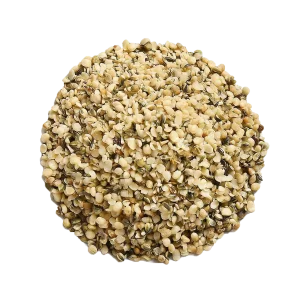
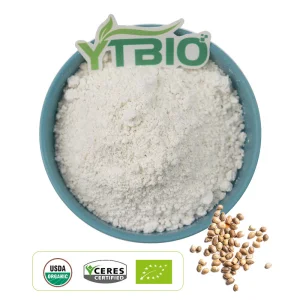
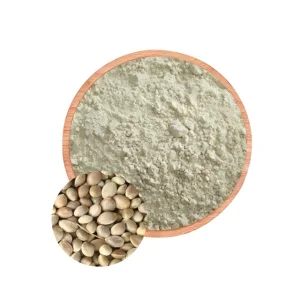
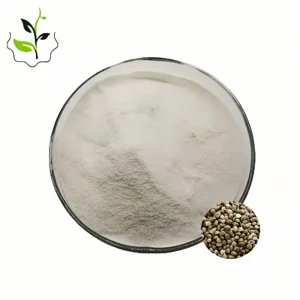
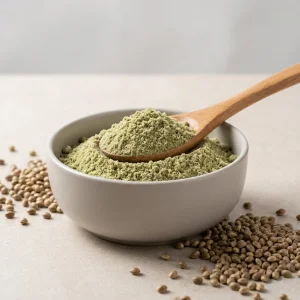
The Kansai region has witnessed a surge in consumer demand for allergen-free, non-GMO, and clean-label dietary proteins. As Japanese demographics shift toward health-conscious lifestyles and plant-forward dietary options, hemp seed protein (derived from the plant genus Cannabis sativa) has emerged as an elite nutritional component. Hemp's natural composition is uniquely suited to modern consumer demands: it is high in edestin and albumin proteins, boasts a complete essential amino acid profile, and exhibits excellent solubility compared to traditional plant proteins.
For manufacturers and factories operating within Osaka's functional food, nutraceutical, and cosmetic corridors, sourcing premium-quality plant protein is a strategic imperative. Local product formulators require ingredients that strictly comply with Japan's rigorous raw material standards, requiring rigorous THC/CBD clearance and precise safety profiles. As a result, the integration of advanced Chinese agricultural processing capabilities with Osaka’s R&D expertise has become a core element of the local supply chain.
The Nutritional Science: Edestin and Albumin Fractions
Hemp protein stands apart due to its structural proteins. Approximately 65% of the total protein is Edestin, a globulin protein that is highly digestible and resembles human plasma proteins. This enables rapid nutrient absorption and minimizes gastrointestinal discomfort, a common issue associated with soy and gluten concentrates.
Industrial Upstream Innovations & Global Procurement Requirements
Global procurement teams targeting the Japanese market face several key considerations when sourcing raw plant proteins:
- Heavy Metal and Pesticide Purity: Japanese food safety standards require zero traces of restricted pesticides and extremely low thresholds for lead, arsenic, and cadmium.
- Organoleptic Neutrality: Unlike other botanical proteins, hemp must undergo advanced processing to reduce the characteristic grassy flavor, allowing it to integrate seamlessly into matcha formulations, bakery goods, and wellness smoothies popular in Osaka cafés.
- Cold-Pressing Preservation: Thermal processing degrades sensitive amino acids and enzymes. Premium factories utilize mechanical cold-pressing, ensuring the raw seeds do not exceed 45°C.
To meet these requirements, manufacturers are partnering with Chinese Industry 4.0 processing hubs. By combining geographical proximity, large-scale output, and state-of-the-art cold-extraction and micro-milling technologies, these partnerships deliver highly consistent raw materials directly to the Port of Osaka.
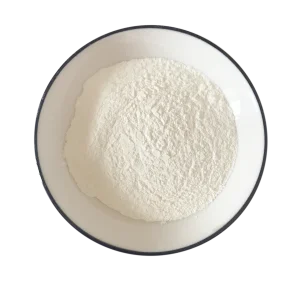
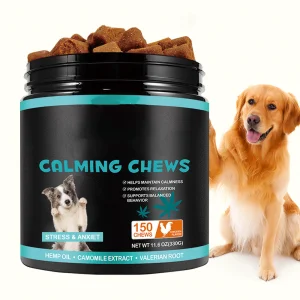
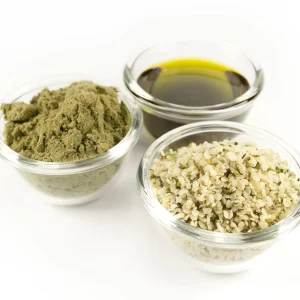
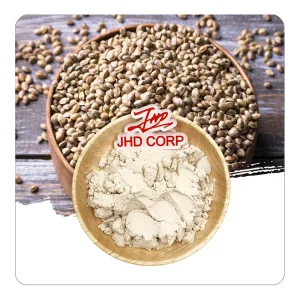
China Industry 4.0: Supply Chain Resilience & Advanced Processing of Dongguan Tsrel Biology Co., Ltd.
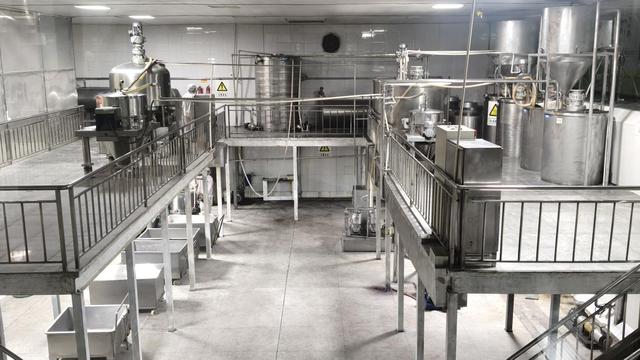
As a premier Chinese vegetal protein manufacturer, Dongguan Tsrel Biology Co., Ltd. bridges the gap between raw plant genetics and sophisticated industrial applications. Our advanced facility integrates research, development, and high-efficiency production to supply stable plant-based ingredient solutions worldwide.
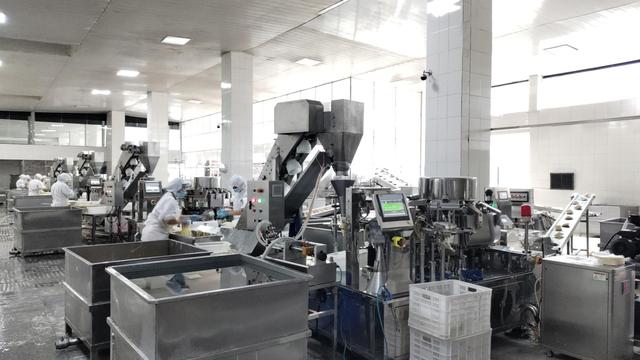
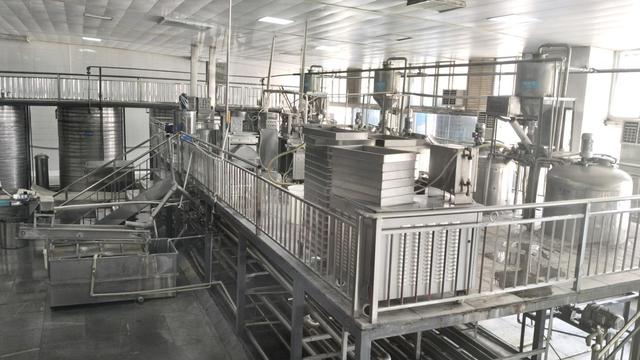
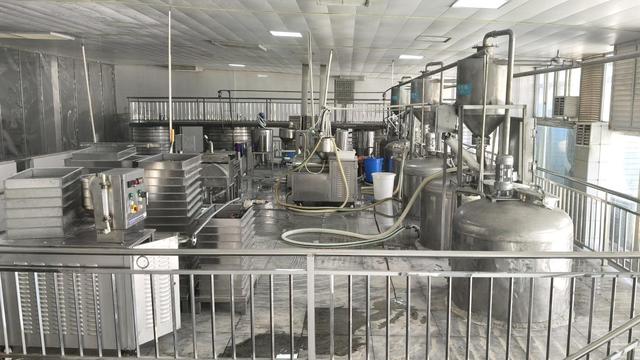
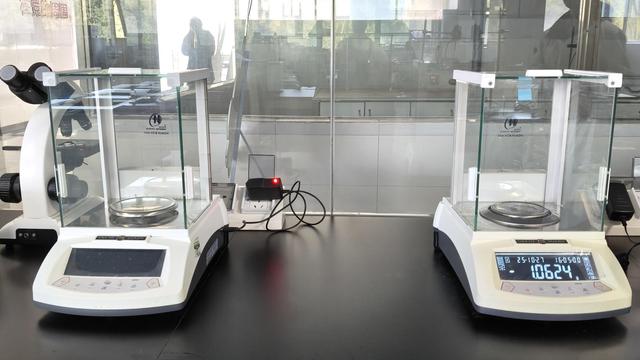
Equipped with advanced manufacturing facilities and modern processing technologies, Dongguan Tsrel Biology offers a comprehensive portfolio of plant-derived proteins, including soy protein, pea protein, rice protein, wheat protein, and specialized hemp seed proteins. These ingredients are formulated for functional foods, nutritional supplements, sports nutrition products, dairy alternatives, meat analogs, beverages, bakery formulations, and wellness products. Through our automated processing lines, we control critical parameters such as temperature, air flow, and milling precision to deliver clean-label ingredients that optimize product formulas, improve nutritional profiles, enhance texture, and meet strict international standards.
| Processing Phase | Core Technology Implemented | Quality & Output Advantage |
|---|---|---|
| Raw Seed Cleaning | Triple-stage gravity separation & color sorting | Removal of contaminants to ensure high purity |
| Cold Pressing | Low-temperature mechanical expellers (<45°C) | Preserves sensitive amino acid structures and enzymes |
| De-fatting & Milling | Supercritical CO2 extraction & jet micro-milling | Ultra-fine particle distribution (D50 <10um) |
| Sifting & Standardisation | Multi-deck mechanical gyratory sifting | Guarantees exact protein content classification (60%-80%) |
| Packaging & Sterilization | Modified Atmosphere Packaging (MAP) & vacuum systems | Extends shelf life and prevents oxidation without preservatives |
Bridging Sourcing Gaps for Osaka Distributors
By leveraging advanced logistics networks through ports in southern China and shipping directly to Osaka Bay, we offer streamlined lead times, high volume flexibility, and stable cost-management structures. This supply chain reliability helps Kansai food manufacturers minimize warehousing overheads while ensuring consistent raw material availability.




Targeted Applications in Osaka's Plant-Based Sectors
Our hemp protein products are designed to meet the demands of several regional food and wellness trends:
1. Functional Beverage Formulations
Traditional botanical proteins often exhibit poor solubility and a gritty mouthfeel. Our jet-milled hemp proteins feature average particle sizes below 15 microns. This allows developers in Osaka to formulate smooth ready-to-drink (RTD) plant milks, matcha protein lattes, and powdered meal replacements that remain stable in suspension.
2. High-Protein Confectionery
With Osaka's bakery and confectionery brands increasingly seeking nutritional upgrades, our plant proteins can be incorporated into traditional recipes. They provide a stable amino acid profile that withstands baking temperatures without compromising texture or moisture retention.
3. Specialized Nutraceuticals
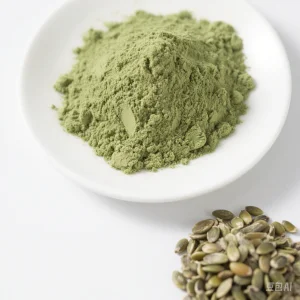
Hemp seed protein’s rich ratio of Omega-6 to Omega-3 essential fatty acids (3:1) and minerals like magnesium, iron, and zinc makes it an ideal core ingredient for sports performance powders and healthy aging formulations marketed throughout Japan.



Streamline Your Ingredient Supply Chain
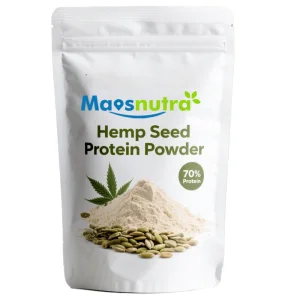
Partner with Dongguan Tsrel Biology Co., Ltd. for certified plant protein raw materials. Request technical specifications, batch samples, and customized quotes.