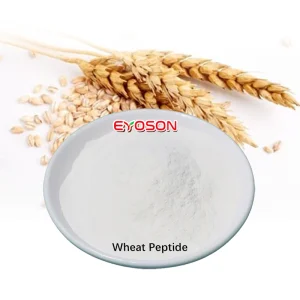
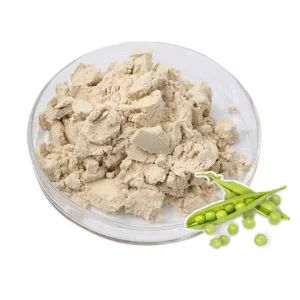
Featured Industrial Ingredient Portfolio
Discover our primary catalog of plant extracts, protein concentrates, and functional ingredients engineered for global distribution and clean-label compliance.
Global Vegetal Protein Innovations: Executive Briefing
The shifting landscape of global nutrition places high-purity, clean-label plant protein isolates at the core of new product development. As consumer preferences pivot toward sustainable, allergen-free alternatives, finding reliable manufacturers becomes a major strategic objective for B2B procurement divisions.
Company Overview & Manufacturing Strength
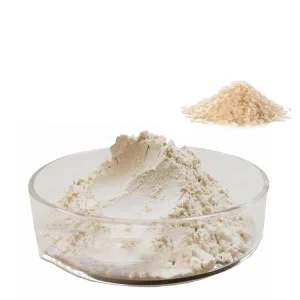
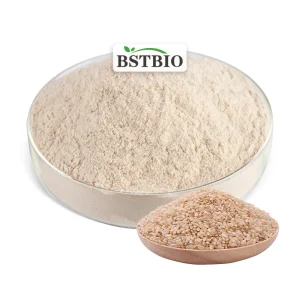
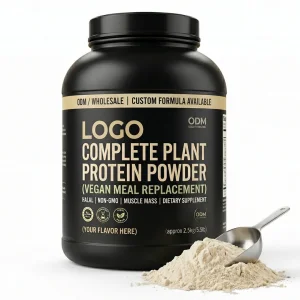
Dongguan Tsrel Biology Co., Ltd. is a professional China vegetal protein manufacturer specializing in the research, development, production, and supply of high-quality plant protein ingredients for food, beverage, and nutritional applications. With a strong focus on innovation, sustainability, and quality assurance, the company is dedicated to providing reliable plant-based ingredient solutions to customers worldwide.
Equipped with advanced manufacturing facilities and modern processing technologies, Dongguan Tsrel Biology offers a comprehensive range of vegetal proteins, including soy protein, pea protein, rice protein, wheat protein, and other specialty plant proteins. These ingredients are widely used in functional foods, nutritional supplements, sports nutrition products, dairy alternatives, meat alternatives, beverages, bakery products, and health food applications.
R&D and Product Customization
Innovation is a key driving force behind the company's growth. Supported by an experienced research and development team, Dongguan Tsrel Biology continuously explores new technologies and application solutions to meet the evolving demands of the global food and nutrition industries. The company also provides customized ingredient solutions to help customers optimize product formulations, improve nutritional profiles, enhance texture, and create clean-label products.
Quality and food safety are integrated into every stage of production. From raw material sourcing and processing to final testing and packaging, strict quality control procedures are implemented to ensure product consistency, purity, safety, and compliance with international standards. This commitment enables the company to deliver dependable products that meet the rigorous requirements of global customers.
Navigating the Pea Protein Supply Chain: A Macro Perspective
B2B procurement of pea protein goes beyond finding a simple supplier; it requires a strategic alliance with a manufacturer capable of navigating regional supply chain challenges, fluctuating raw material yields, and strict regulatory standards.
1. Raw Material Sourcing
Fluctuating weather patterns in top yellow pea growing regions (like Canada, Europe, and Northern China) can affect harvest yields and protein content. Developing diversified sourcing channels and working with vertically integrated manufacturers helps secure a stable supply of high-grade raw yellow peas.
2. Sensory & Functionality
A common issue with pea protein isolates is managing green, grassy, or bitter off-flavors. Advanced physical and enzymatic masking techniques, alongside heat-treatment steps, are vital for producing a clean, neutral-tasting protein suitable for unsweetened plant milks and neutral pH beverages.
3. Heavy Metals & Clean-Label
Peas are naturally effective bioaccumulators, meaning they can absorb heavy metals from the soil. Reputable production facilities run strict incoming raw material testing and use ion-exchange systems to keep heavy metals (Lead, Cadmium, Arsenic) well below international safety limits.
The Technical Process: Step-by-Step Pea Protein Isolation
The functional performance of pea protein isolate (solubility, gelation, water-binding capacity) depends on the extraction method used. Below is our processing roadmap designed to protect the protein's native structure while ensuring high purity.
Dehulling & Milling
Cleaned yellow peas are dehulled and milled into fine flour, separating the starch and outer fiber from the protein matrix.
Solubilization
Milled flour is mixed with water under alkaline conditions (pH 8.0-9.0) to dissolve the globulin and albumin proteins.
Acid Precipitation
Adjusting the solution to the isoelectric point (pH 4.5) precipitates the protein, leaving soluble sugars and starch behind.
Wash & Neutralize
The protein curd is washed with purified water and neutralized to pH 7.0 to restore solubility and emulsification.
Flash Sterilization
High-temperature, short-time pasteurization ensures microbial safety while spray drying produces a uniform powder.
Industrial Solutions for Modern Product Formulations
Pea protein isolates have transitioned from basic nutritional powders into highly functional ingredients used across a wide variety of food applications.
Meat Alternatives
Texturized Pea Protein (TPP) provides a fibrous, meat-like structure. Our high-pressure extrusion solutions help developers recreate the bite, chew, and juices of traditional animal protein products.
Dairy & Beverage
For plant milks and nutritional shakes, we prioritize high solubility and low sediment. Special enzymatic hydrolysis steps modify protein molecules to prevent chalkiness and improve dispersibility.
Bakery & Snacks
In bread and high-protein snack bars, pea protein adds structure while helping retain moisture, extending shelf life without making the finished product tough.
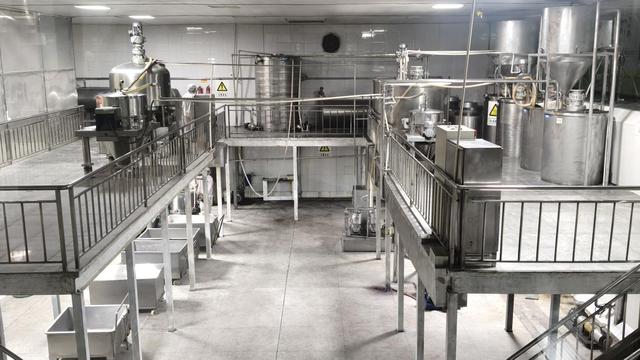
Advanced Production Facilities & Clean-Room Systems
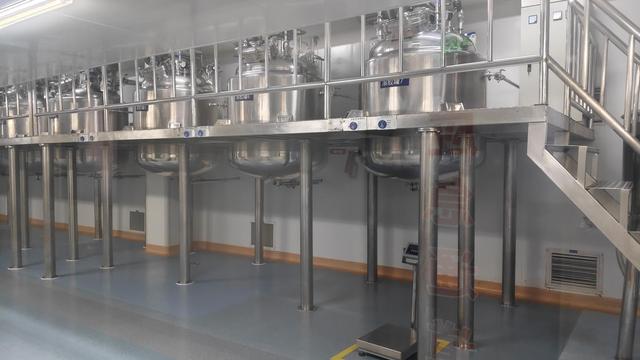
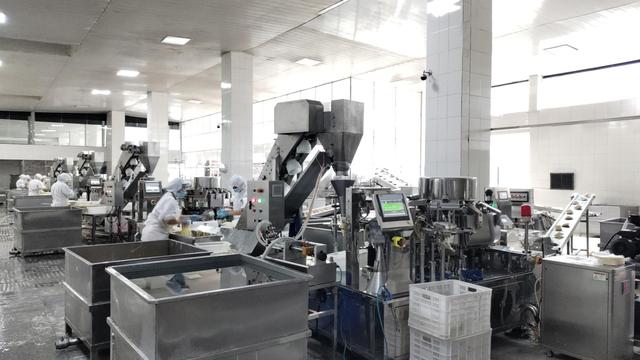
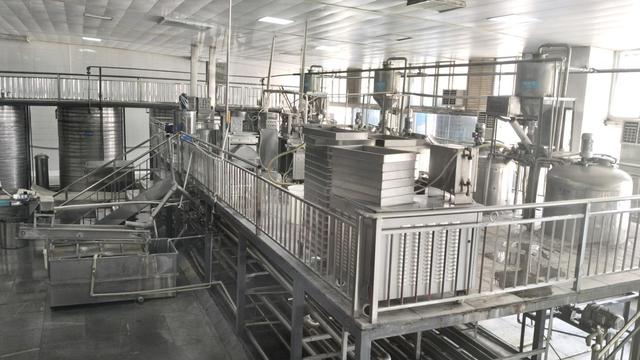
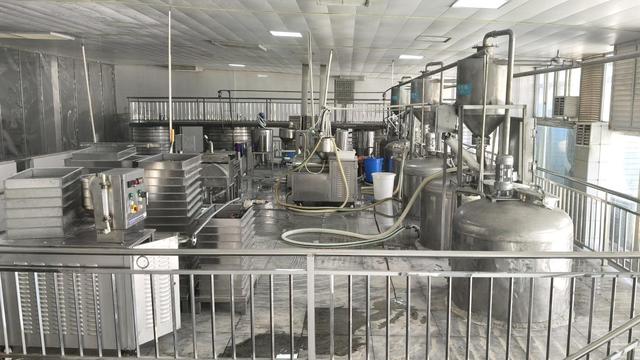
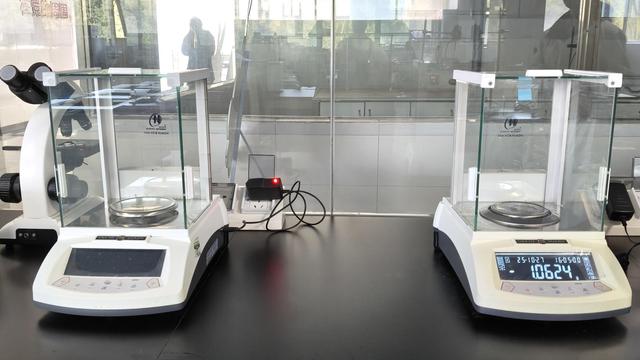
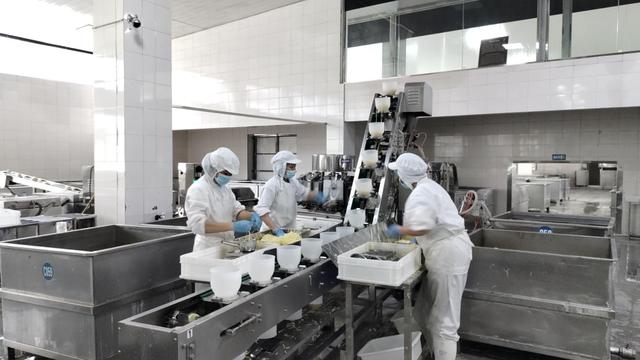
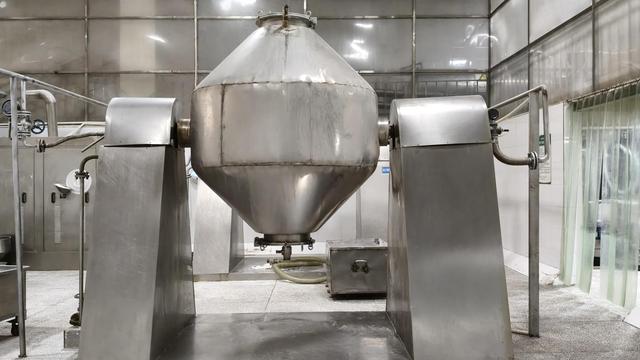
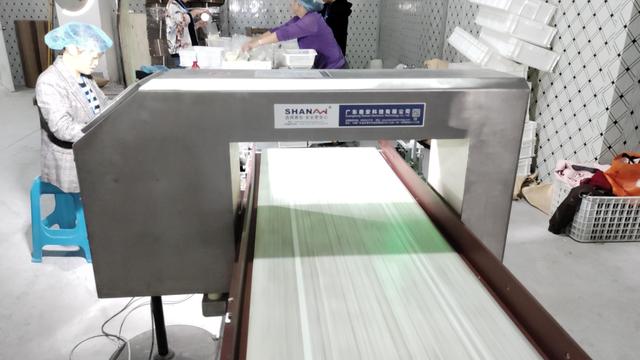
Our production partners use automated, closed-loop systems to run extraction, filtration, and packaging stages with minimal manual handling, helping protect against contamination and preserve quality.
Global Compliance & Quality Assurance Framework
Supplying food and beverage brands globally requires adherence to international safety, ethical, and dietary standards. We maintain a detailed compliance architecture across all facilities.
| Target Market | Required Standards & Certifications | Compliance & Verification Protocols |
|---|---|---|
| North America (US & Canada) | FDA GRAS, Non-GMO Project Verified, USDA Organic | Strict heavy metals testing, pesticide residue monitoring, and full batch traceability reporting. |
| European Union | EFSA Compliant, Novel Food Standards, IP Non-GMO | Zero-tolerance for irradiated raw materials and strict limits on pesticide residues and mycotoxins. |
| Global Halal & Kosher Markets | MUI Halal, Star-K Kosher Certification | Annual audits of manufacturing facilities and chemical processing aids to verify compliance with dietary laws. |
| Dietary & Health Supplement Brands | GMP (Good Manufacturing Practices), NSF Sport | Frequent cleanroom sanitization, third-party allergen cross-contamination testing, and physical metal detection. |
The Strategic Future of Pea Protein Technology
The plant protein market is evolving, moving from basic ingredient extraction toward functional refinement and molecular optimization.
Hybrid Proteomics
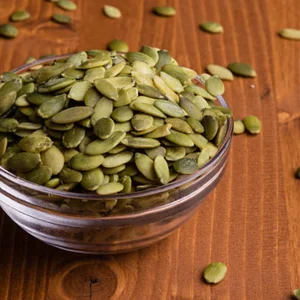
Combining pea protein isolate with complementary plant-based sources—like rice, pumpkin seed, or hemp protein—creates a complete amino acid profile (PDCAAS of 1.0) for sports nutrition products.
Precision Enzymatic Hydrolysis
By using targeted enzymes to clip protein chains at specific points, we can adjust peptide size to customize solubility, bitterness, and foaming properties for sensitive beverage formulations.
Circular Zero-Waste Processing
Modern extraction plants are shifting toward zero-waste processes, where starch is converted into bioplastics or paper coatings, and soluble pea fibers are repurposed for animal feed or dietary supplements.
B2B Procurement & Technical FAQ
Common questions regarding technical specifications, bulk sourcing logistics, and customization options for pea protein isolates.
Explore Our Broad Plant & Marine Protein Catalog
Browse additional raw materials, nutritional extracts, and agricultural solutions for diverse commercial and livestock applications.