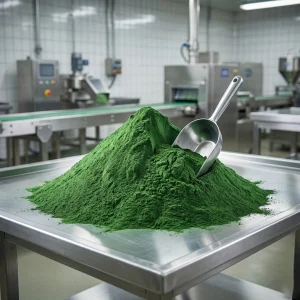
Featured Ingredient Showcase (Part I)
Premium functional plant proteins and botanical derivatives manufactured to global compliance standards.
BioSyn Hot Selling Food Grade Pumpkin Seeds Extract Powder 60% Pumpkin Seed Protein Powder
View Details
Hydrolyzed Wheat Protein Peptide Powder (Low MW <1000Da) CAS 222400-29-5 | Hair & Skin Conditioning Active
View Details
Food Grade Oat Beta Glucan & Protein Powder 70% 80% Antioxidants ISO9001 Certified
View Details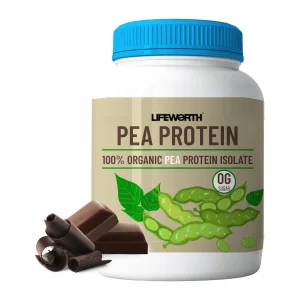
For Adult Nutrition Supplement Hydrolyzed Pea Protein Powder Bulk Plant Based Protein Halal Certified
View Details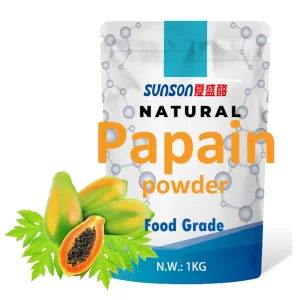
Papain Powder Papaya Extract For Meat Tenderizer, Fish Processing, Proteins Processing
View Details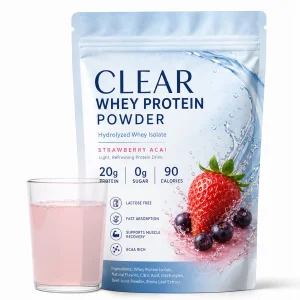
Plant Clear Whey Protein Powder Hydrolyzed Whey Protein Isolate 80 Zero Sugar Fast Absorption 100% Whey Protein for Pre Workout
View Details
QYherb Factory Wholesales Bulk Feed Grade Corn Spraying Husk Protein 18% Free Sample Available
View Details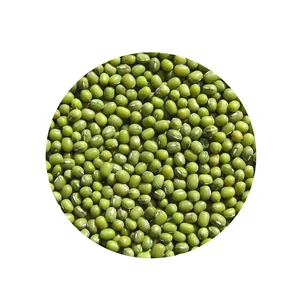
Sortex Cleaned Green Mung Beans Fresh And Dried Bulk Packaging 99% Purity Low Moisture Best Price Uzbekistan Vigna Cowpea Dal
View Details1. Global Macro Industry Outlook for Plant Proteins
Analyzing market demand, ecological footprints, and nutritional shifts toward Mung Bean Protein (Vigna radiata).
The global food industry is undergoing a structural paradigm shift towards sustainable plant-based nutrition. Driven by environmental consciousness, clean-label requirements, and rising allergen concerns with soy and wheat gluten, alternative plant proteins are seeing unprecedented adoption. In this evolving landscape, Mung Bean Protein has emerged as a frontrunner.
Mung bean (Vigna radiata) offers a highly robust amino acid profile, low allergenicity, and outstanding gelling properties. Unlike soy, which faces issues related to genetic modification (GMO) and allergen labeling, or pea protein, which often possesses a strong, earthy aftertaste, mung bean protein isolates feature a relatively neutral flavor profile and excellent functional adaptability. These factors make it the preferred ingredient for next-generation meat alternatives, plant-based egg replacements, and medical nutrition formulas.
Key Market Drivers
- Non-Allergenic Status: Excluded from the major allergen lists (unlike soy, wheat, and dairy), reducing compliance risks.
- Eco-Efficiency: Mung beans are nitrogen-fixing leguminous crops requiring minimal irrigation compared to animal proteins and soy.
- Organoleptic Neutrality: Requires fewer masking agents in beverage and dairy formulations.
Nutritional & Functional Comparison Matrix
How Mung Bean Protein compares against major commercial plant protein sources.
| Functional Parameter | Mung Bean Protein | Soy Protein Isolate | Pea Protein Isolate | Wheat Gluten |
|---|---|---|---|---|
| Protein Content (Isolate Grade) | 80% - 85% | 90% | 80% - 85% | 75% - 80% |
| Allergen Declaration | Not Required in main jurisdictions | Mandatory (EU & US FDA) | Not Required | Mandatory (Gluten) |
| Gelling Gelation Temp | 70°C - 75°C (Highly heat-gellable) | 75°C - 80°C | 80°C - 85°C | Non-gelling (Viscoelastic) |
| Emulsification Index | Excellent (High globulin ratio) | Excellent | Moderate | Low |
| Taste Profile | Neutral, clean, mild sweetness | Beany, requires masking | Earthy, bitter notes | Neutral to cereal-like |
2. Technical Processing Routes & Isolation Technologies
The scientific pathways to high-purity, structurally intact functional protein isolates.
1. Wet Alkaline Extraction
The core methodology involves milling selected green mung beans, dissolving proteins at an alkaline pH (8.0–9.0) to maximize protein solubility, and isolating insoluble starches and fibers through high-speed decanter centrifuges.
2. Isoelectric Precipitation
Adjusting the pH down to the isoelectric point (pH 4.5–5.0) precipitates the storage proteins (globulins and albumins). Our facility uses low-temperature controls to prevent irreversible thermal denaturation of the molecular chains.
3. Advanced Membrane Filtration
By integrating microfiltration and ultrafiltration steps, we wash away mineral salts and simple sugars, concentrating the protein slurry prior to spray drying. This yields an exceptionally high protein content with excellent ash control.
3. Industrial Synergy: Dongguan Tsrel Biology Co., Ltd.
A premier Chinese vegetal protein manufacturer delivering advanced functional plant protein isolates worldwide.
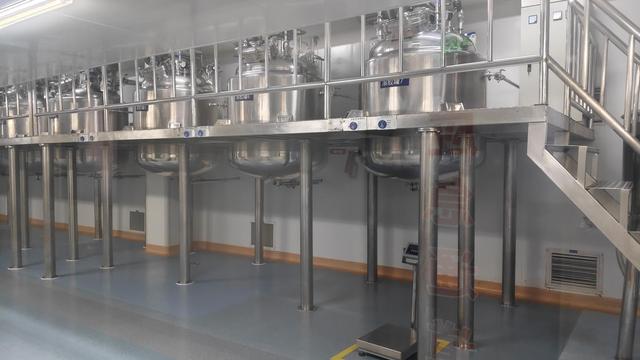
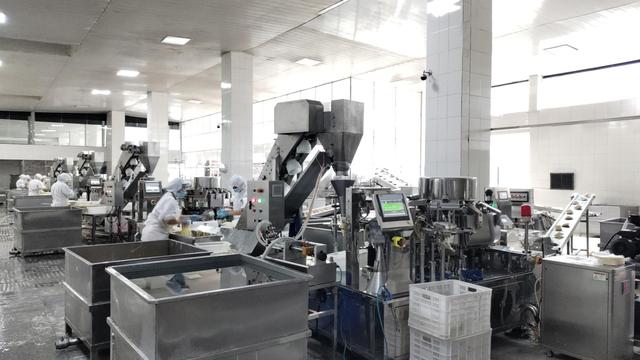
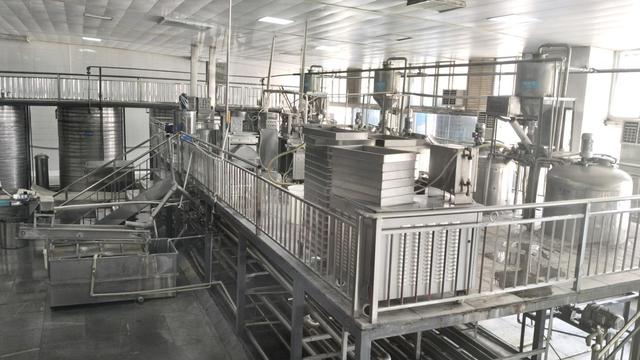
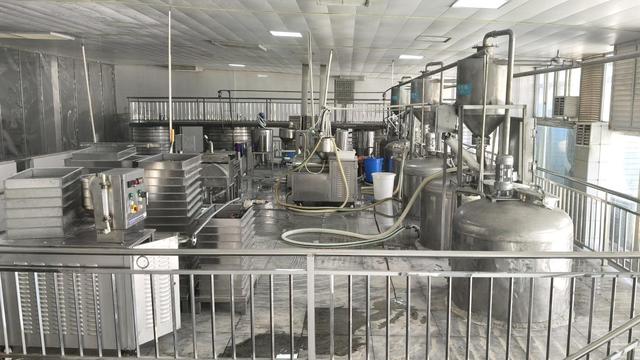
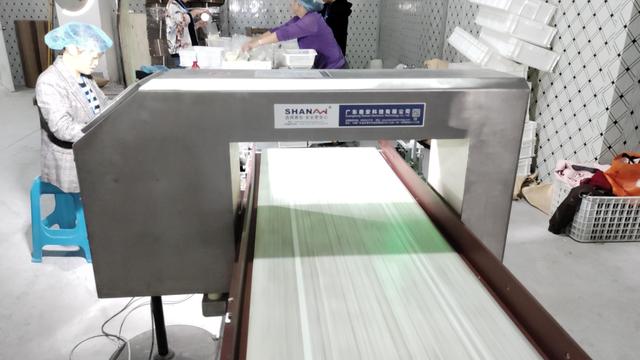
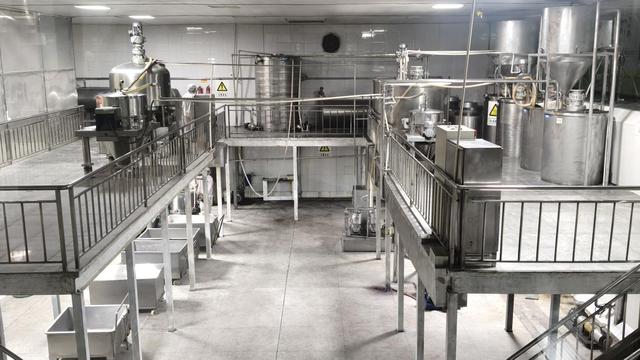
Dongguan Tsrel Biology Co., Ltd. is a professional China vegetal protein manufacturer specializing in the research, development, production, and supply of high-quality plant protein ingredients for food, beverage, and nutritional applications. With a strong focus on innovation, sustainability, and quality assurance, the company is dedicated to providing reliable plant-based ingredient solutions to customers worldwide.
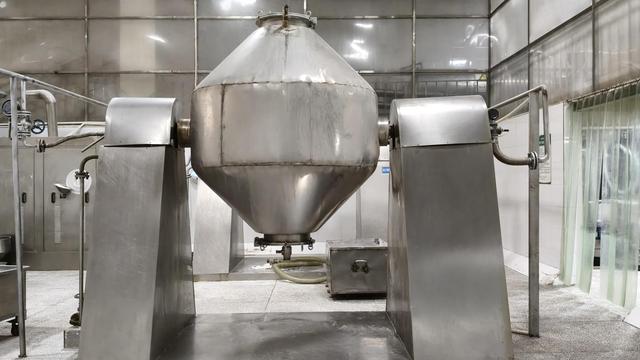
Equipped with advanced manufacturing facilities and modern processing technologies, Dongguan Tsrel Biology offers a comprehensive range of vegetal proteins, including soy protein, pea protein, rice protein, wheat protein, and other specialty plant proteins. These ingredients are widely used in functional foods, nutritional supplements, sports nutrition products, dairy alternatives, meat alternatives, beverages, bakery products, and health food applications.
Innovation is a key driving force behind the company's growth. Supported by an experienced research and development team, Dongguan Tsrel Biology continuously explores new technologies and application solutions to meet the evolving demands of the global food and nutrition industries. The company also provides customized ingredient solutions to help customers optimize product formulations, improve nutritional profiles, enhance texture, and create clean-label products.
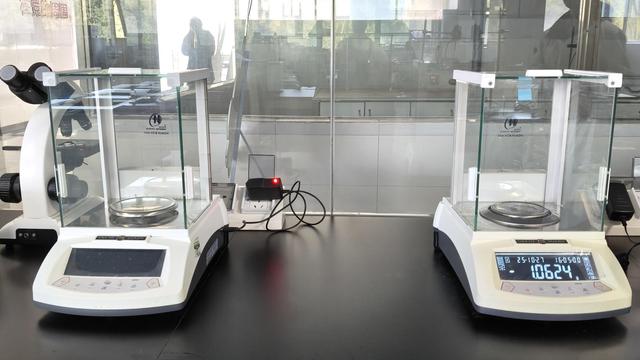
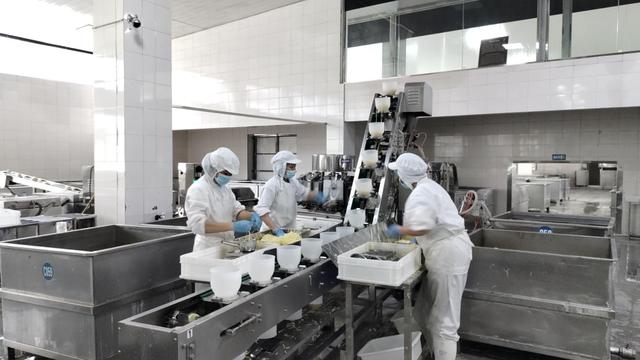
Quality and food safety are integrated into every stage of production. From raw material sourcing and processing to final testing and packaging, strict quality control procedures are implemented to ensure product consistency, purity, safety, and compliance with international standards. This commitment enables the company to deliver dependable products that meet the rigorous requirements of global customers.
With customer satisfaction at the center of its operations, competitive manufacturing capabilities, stable supply chains, and professional technical support, Dongguan Tsrel Biology Co., Ltd. has established long-term partnerships with food manufacturers, distributors, and brand owners across international markets. The company remains committed to advancing sustainable nutrition through innovative plant protein solutions for the global marketplace.
4. Target Application Scenarios & Functional Performance
How manufacturers utilize the physical properties of mung bean protein isolates to optimize food formulations.
Plant-Based Meat & Seafood Analogs
Mung bean protein’s superior gel-forming capabilities at specific temperatures allow food chemists to recreate the fibrous structural texture of animal meat. In ground beef analogs or high-moisture extrusion (HME) applications, it increases binding, water holding capacity, and oil retention, resulting in a juicier mouthfeel.
Dairy Alternatives & Egg Replacements
Due to its high emulsification capacity, mung bean protein stabilizes lipid-in-water emulsions in plant-based milks, yogurts, and cheeses. It is widely used in commercial liquid plant eggs, coagulating upon heating similarly to ovalbumin (egg whites).
Sports Nutrition & Protein Fortification
Mung bean protein is rich in essential amino acids, including leucine, isoleucine, and valine (BCAAs). For active individuals and bodybuilders, it provides a clean, highly digestible plant protein source that avoids bloating and digestive issues common with dairy proteins.
5. Sourcing Logistics, Compliance, and Quality Control
Ensuring supply chain transparency, quality certifications, and risk mitigation for international logistics.
For B2B buyers, global supply chain reliability is paramount. Sourcing plant proteins from China requires a transparent understanding of trace elements, heavy metal controls, pesticide residue metrics, and certifications. Our production processes conform to international standard operating procedures (SOPs).
To qualify as a Tier-1 global supplier, our production facility adheres to strict food safety protocols, including ISO9001, FSSC 22000, HACCP, and holds recognized Kosher and Halal certificates. This guarantees our protein powder satisfies the stringent import requirements of the European Union, the United States, and Middle Eastern markets.
Pesticide & Heavy Metal Assays: Every batch is tested by third-party laboratories (such as SGS or Eurofins) for arsenic, lead, cadmium, and common pesticide residues. We provide comprehensive COA (Certificate of Analysis) and MSDS documentation prior to shipment.
Logistics & Packaging: Standard packaging is available in 20kg or 25kg multi-layer kraft paper bags with inner PE liners. We offer both FCL (Full Container Load) and LCL (Less than Container Load) shipping options from main ports including Qingdao, Tianjin, and Shenzhen.
6. Technological Roadmap & Future Outlook
Innovating taste profiles, peptide utilization, and ecological improvements for the next generation of proteins.
Enzymatic Modifications
Through target enzyme hydrolysis, we are working to break down larger globulin proteins into smaller peptides, improving solubility and digestibility while maintaining key functional characteristics.
Clean Flavor Upgrades
By optimizing processing temperatures and integrating natural yeast fermentation systems, we aim to naturally reduce volatiles responsible for green, grassy notes in plant proteins.
Circular Upcycling
We are continuously researching ways to repurpose co-products from our processing line, such as starch and fiber fractions, to create a zero-waste manufacturing ecosystem.
7. Industrial Mung Bean Protein Procurement FAQ
Answers to technical, regulatory, and logistics questions from professional procurement and food R&D teams.
Q1: What is the typical protein concentration in your Mung Bean Protein Isolate?
Our standard food-grade mung bean protein isolate contains a minimum of 80% to 85% protein on a dry basis. We also supply customized blends with varying concentrations depending on functional requirement specifications.
Q2: How does mung bean protein behave in high-temperature processing like extrusion?
It exhibits outstanding thermal gelation properties. Below 70°C, it remains highly soluble. Once temperatures exceed 75°C, it forms a cohesive, elastic gel matrix, which is highly beneficial for meat analog applications.
Q3: Is your mung bean protein completely soy-free and non-GMO?
Yes. Mung beans are naturally non-GMO crops, and we process them on dedicated lines separate from soy products. Every batch is certified soy-free and Non-GMO, making it suitable for clean-label products.
Q4: What is the shelf life and storage recommendation for bulk protein powder?
Our protein powder has a shelf life of 24 months from the manufacturing date when stored in its original unopened packaging, under cool (below 25°C), dry conditions, away from direct sunlight and strong odors.
Q5: Can you provide customized mesh sizes for specialized formulations?
Yes. Our default particle size is 80-100 mesh, which offers excellent dispersion. For ready-to-mix (RTM) beverages, we can process the powder to a finer 200 mesh to improve texture and suspension in liquids.
Q6: What is the minimum order quantity (MOQ) for international orders?
Our standard MOQ for global shipping is 500kg. For trial runs or pilot formulations, we can arrange smaller test shipments. Free samples (typically 100g-200g) are available for qualified R&D laboratories.
Featured Ingredient Showcase (Part II)
Expanded solutions for cosmetic bases, feed optimization, and protein blends.
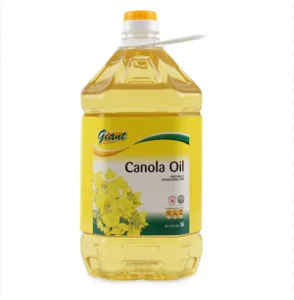
Premium Quality Organic Re-Processed Refined Fractionated Canola Oil Natural High Protein Vacuum Pack US Origin High Purity Oil
View Details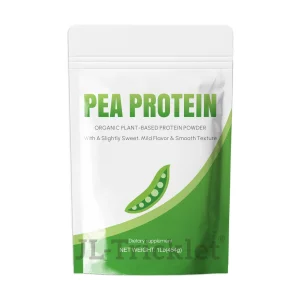
OEM Organic Pea Protein Powder Vegan Pea Protein Non-GMO Soy Free Pea Protein Supplement Rich in Branched Chain Amino Acids
View Details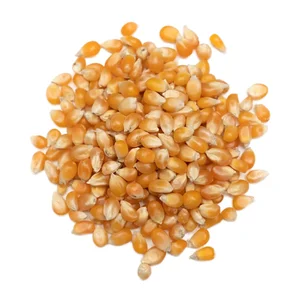
High-Protein Organic Yellow Maize Corn Animal Feed for Cattle Packaged for Sale with 12% Moisture and 12-18 Months Shelf Life
View Details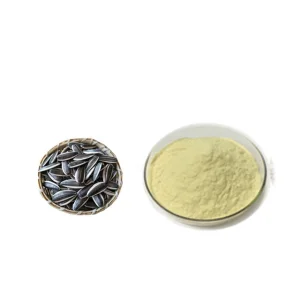
Nutrition Supplements Sunflower Protein/sunflower Seed Protein
View Details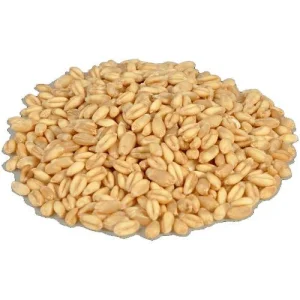
Quality Organic Durum Wheat Grains-Brown Long Grains 100% Purity 11-12% Protein Netherlands Origin
View Details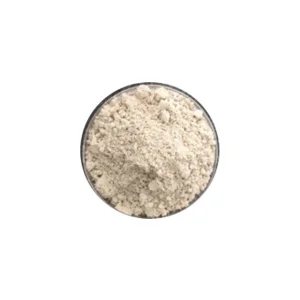
Manufacturer Supply Nutrition Supplements Sunflower Protein Powder
View Details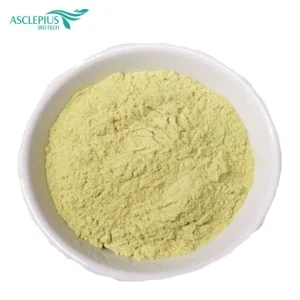
Hydrolyzed Mung Bean Protein Concentrate Powder Plant Extract Nutrition Supplement
View Details