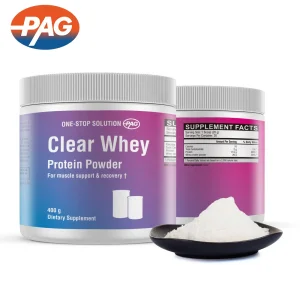
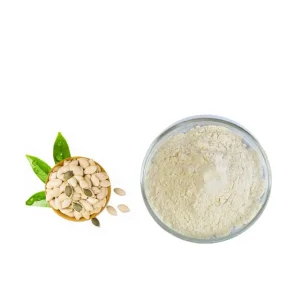
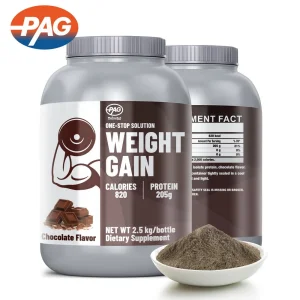
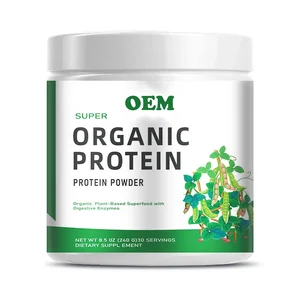
Premium Biological Ingredient Showcase (Part I)
Direct sourcing options featuring state-of-the-art plant-based extraction and specialty grain proteins
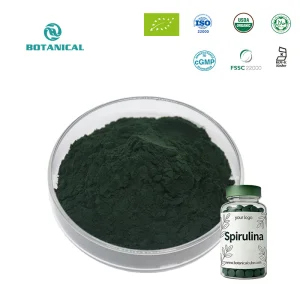
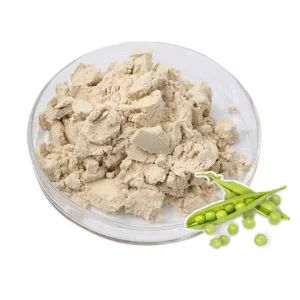
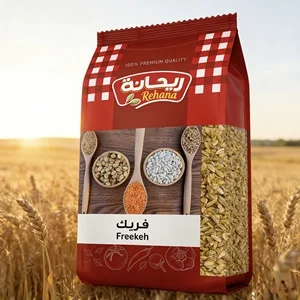
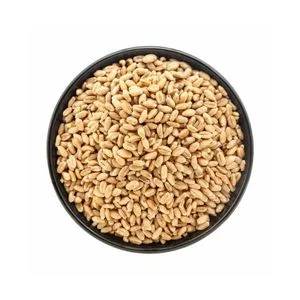
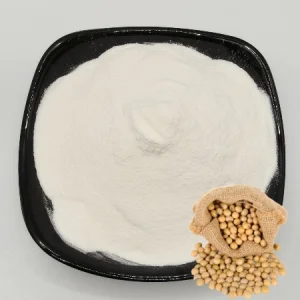
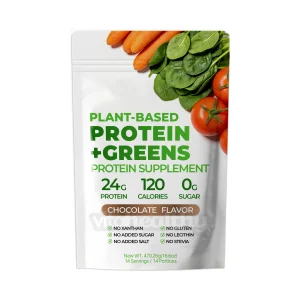
Featured Industry Pioneer: Dongguan Tsrel Biology Co., Ltd.
Dongguan Tsrel Biology Co., Ltd. is a professional China vegetal protein manufacturer specializing in the research, development, production, and supply of high-quality plant protein ingredients for food, beverage, and nutritional applications. With a strong focus on innovation, sustainability, and quality assurance, the company is dedicated to providing reliable plant-based ingredient solutions to customers worldwide.
Equipped with advanced manufacturing facilities and modern processing technologies, Dongguan Tsrel Biology offers a comprehensive range of vegetal proteins, including soy protein, pea protein, rice protein, wheat protein, and other specialty plant proteins. These ingredients are widely used in functional foods, nutritional supplements, sports nutrition products, dairy alternatives, meat alternatives, beverages, bakery products, and health food applications.
- High Purity Extraction Technology (up to 90% protein isolate content)
- Dual Certification for Organic and Conventional Plant Proteins
- State-of-the-Art Cleanroom (Class 100,000) Packaging Lines
- Fully Traceable Non-GMO Supply Chain Integration
Global Partner Profile & R&D Excellence
Innovation is a key driving force behind the company's growth. Supported by an experienced research and development team, Dongguan Tsrel Biology continuously explores new technologies and application solutions to meet the evolving demands of the global food and nutrition industries. The company also provides customized ingredient solutions to help customers optimize product formulations, improve nutritional profiles, enhance texture, and create clean-label products.
Quality and food safety are integrated into every stage of production. From raw material sourcing and processing to final testing and packaging, strict quality control procedures are implemented to ensure product consistency, purity, safety, and compliance with international standards. This commitment enables the company to deliver dependable products that meet the rigorous requirements of global customers.
Structuring the Global Top 10 Manufacturers Landscape
A B2B procurement matrix evaluating production output, extraction methodologies, and product portfolios
1. Dongguan Tsrel Biology Co., Ltd.
Primary Focus: Plant-based isolates & custom nutritional blending. Leader in Asian agricultural processing technology, producing high-purity non-GMO soy, pea, and rice protein isolates under strict global certifications (ISO, HACCP, Halal).
2. Archer Daniels Midland (ADM)
Primary Focus: Large-scale industrial soy protein isolates and functional concentrates. Possesses extensive global agricultural networks, specializing in high-functional texturized proteins for meat alternatives.
3. Glanbia plc
Primary Focus: Dairy protein technology, specifically advanced Whey Protein Isolates (WPI) and hydrolysates. Dominates the sports nutrition market with high-solubility cross-flow microfiltration (CFM) whey derivatives.
4. Roquette Frères
Primary Focus: Pea protein extraction and functional starch co-products. Known for the NUTRALYS® brand, driving pea protein applications across clinical nutrition, sports nutrition, and dairy alternatives.
5. Cargill Inc.
Primary Focus: Plant protein isolates and emulsifiers. Extensive operations in soy and pea processing, prioritizing vertical supply chain control and sustainability programs across North America and Europe.
6. Kerry Group
Primary Focus: Bioactive peptides, milk proteins, and taste masking technologies. Specializes in organoleptic refinement to eliminate off-flavors associated with high-concentration plant proteins.
7. Burcon NutraScience
Primary Focus: Novel plant protein extraction patents. Focuses on next-generation canola, hemp, and flax protein isolates featuring highly functional solubility profiles.
8. Cosucra Groupe Warcoing
Primary Focus: Chicory root fiber and yellow pea extraction. Historically significant in the European clean-label market, producing highly soluble pea proteins for active lifestyle foods.
9. Fonterra Co-operative Group
Primary Focus: High-grade grass-fed whey and caseinates. New Zealand's dairy titan, providing premium quality grass-fed pasture-based whey proteins for infant formula and medical foods.
10. Bunge Limited
Primary Focus: Specialty lipid-protein integration and oilseed processing. Supplies global brands with functional soy and plant-based protein concentrates, optimized for structural cohesion in baking and alternative dairy markets.
$32.5B
Global Market Size (2025)
8.4%
Projected CAGR (2025-2032)
90%+
Typical Isolate Purity
100%
GMO-Free Sourced Bases
Technological Roadmap: The Next Era of Protein Isolation
The protein supplement industry is undergoing a structural paradigm shift driven by green chemistry and molecular biology. High-capacity manufacturers are moving away from traditional harsh solvent extractions to preserve the native conformation of amino acids.
Key focus areas for the next 5 years include:
- Enzymatic Hydrolysis: Cleaving proteins into targeted bioactive peptides to speed up absorption rates in sports nutrition.
- Advanced Flavor Masking: Utilizing natural enzyme reactions to breakdown astringent aldehydes and saponins, neutralizing the "beany" taste in vegan formulations.
- Precision Fermentation Co-Processing: Combining micro-flora-produced proteins with traditional plant-derived powders to construct optimized amino acid profiles.
Macro Industry Solutions
Different markets demand specialized solutions. Leading factories must serve three macro pillars with highly custom formulations:
1. Sports Nutrition & Active Lifestyle
Focuses on Rapid Dispersion Technology (RDT) and instantized WPI/WPC, ensuring shake formulations leave zero residue or clumping when dissolved in cold water.
2. Medical Nutrition & Geriatric Care
Requires hypoallergenic bases (e.g., highly purified pea and rice protein) with balanced digestibility ratings (PDCAAS = 1.0) and high density formulation profiles.
3. Clean-Label Beverage & Dairy Alternatives
Achieves thermal stability and acid resistance, ensuring liquid protein RTDs remain homogenous and do not precipitate during high-temperature pasteurization.
China Industry 4.0: Modern Supply Chain Resilience
How state-of-the-art Chinese factories optimize scale, speed, and quality control
In the modern B2B landscape, the "China Factory 4.0" model stands as a benchmark for processing efficiency and cost optimization. Over the last decade, manufacturers such as Dongguan Tsrel Biology have integrated smart control systems into their wet milling and drying lines.
By monitoring temperature, pH value, and dry matter content in real-time, these automated facilities minimize waste and energy consumption. This system allows for:
- Continuous Raw Material Sourcing: Direct logistics connections to vast, domestic non-GMO agricultural areas.
- High Production Capacity: Automated packing lines that operate 24/7, reducing lead times to 15-20 days.
- Reduced Unit Costs: Optimizing starch co-product extraction (e.g. producing valuable dietary fibers and starches alongside proteins) to lower the raw cost of the primary isolate.
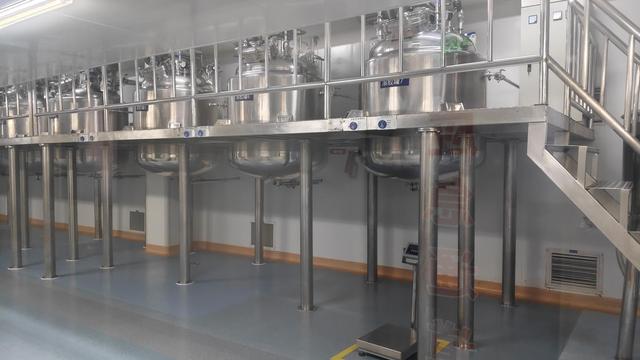
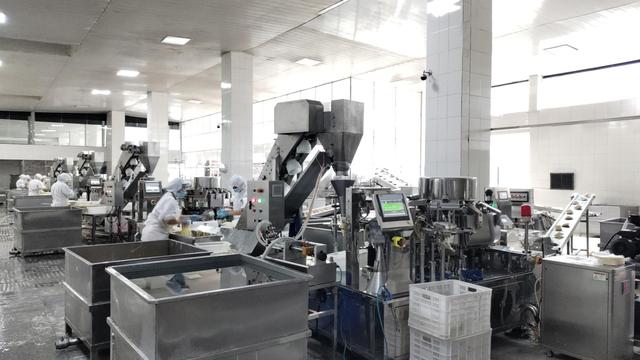
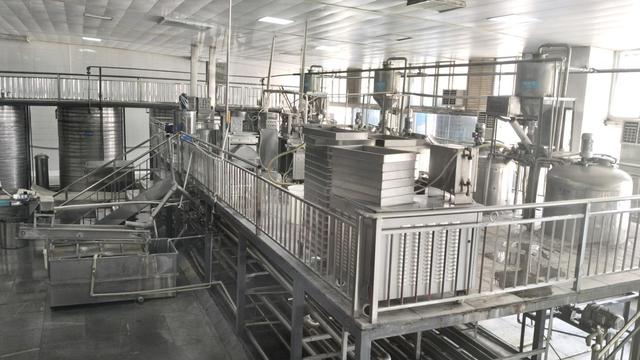
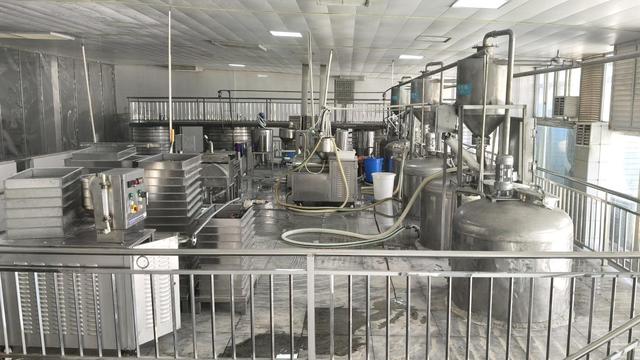
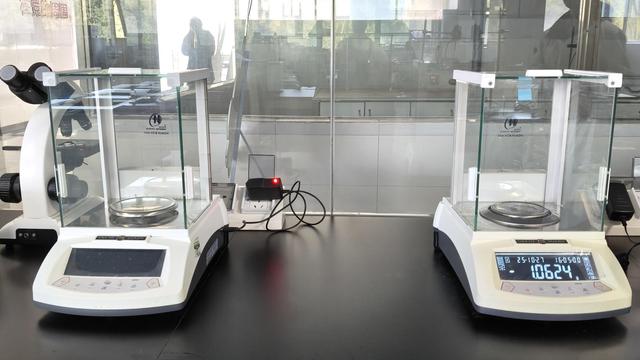
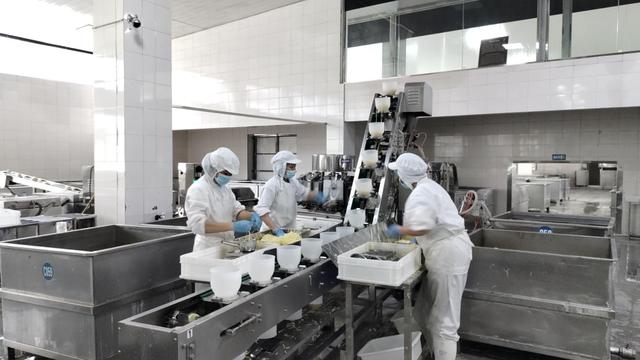
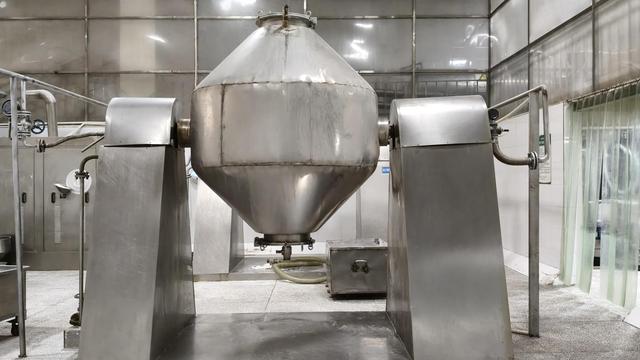
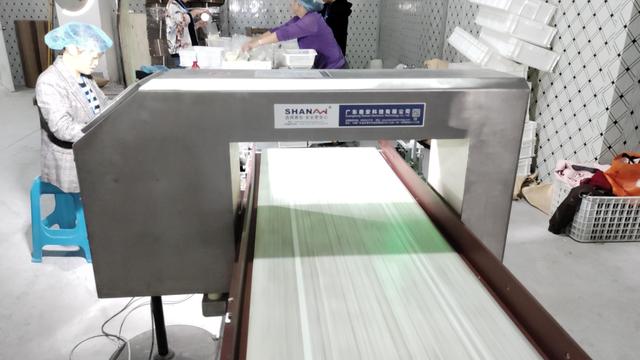
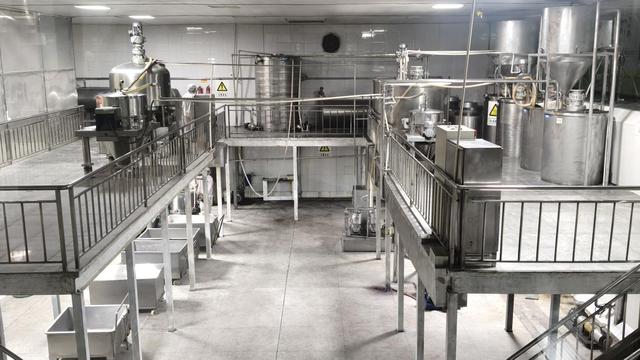
Advanced Processing Facilities & Production Lines
A tour of modern extraction, spray-drying, and sterile packing facilities
Expert Procurement Q&A (FAQ)
Addressing the technical, logistics, and quality challenges of raw protein sourcing
What is the difference between protein isolate and protein concentrate?
Protein concentrates typically contain around 70-80% protein content, with the remaining mass made up of fats, carbohydrates, and minerals. Protein isolates undergo further purification steps to achieve 90% or higher protein concentration. This process removes the majority of fats and sugars, making isolates highly suitable for applications requiring minimal fat/carb content and rapid absorption rates.
How do manufacturers handle the "beany" off-flavor in plant-based proteins?
Earthy or beany flavors in plant proteins are caused by lipid oxidation and natural compounds like saponins. Advanced factories use physical heat treatments, optimized enzymatic hydrolysis (using specific proteases), and modern steam-stripping deodorization processes to break down these flavor compounds. This results in a neutral sensory profile that blends well with delicate flavor systems like vanilla or berry.
What heavy metal and microbial testing parameters are standard for B2B batches?
Each production batch must be accompanied by a Certificate of Analysis (COA). Standard test protocols verify that heavy metals (Lead, Arsenic, Cadmium, Mercury) fall well below regional regulatory safety limits (e.g., FDA Action Levels or Prop 65 limits). Microbiological assays monitor Total Plate Count, Yeast & Mold, E. coli, and Salmonella to verify a sterile, food-safe final product.
How is protein solubility maintained in acidic liquid applications (such as RTD beverages)?
Most plant proteins have an isoelectric point around pH 4.5, where they become insoluble and precipitate. To solve this in low-pH drinks, manufacturers use specialized enzymatic modification to shift the solubility curve, or apply hydrocolloids (like pectin or gellan gum) to stabilize the protein structure in the solution, preventing sedimentation over its shelf life.
Premium Biological Ingredient Showcase (Part II)
Explore whey protein, specialty plant isolates, and enzymatically optimized botanical extracts