Global Commercial & Industrial Landscape of the Protein Bar Industry
The global protein bar market is undergoing a seismic shift. No longer confined to the niche realms of hardcore bodybuilders and endurance athletes, protein bars have transitioned into the mainstream consumer goods sector. Today, they serve as meal replacements, healthy snacks for busy professionals, and functional nutrition vectors for the aging population. Driven by key macroeconomic factors—such as the rising middle class in developing countries, escalating awareness of lifestyle-related metabolic disorders, and a structural shift toward plant-based diets—the market is projected to grow at a Compound Annual Growth Rate (CAGR) exceeding 6.5% through 2030.
This explosive growth has fueled intense competition among brands. In this environment, market leaders are increasingly outsourcing production to highly specialized OEM (Original Equipment Manufacturer) and ODM (Original Design Manufacturer) partners. Outsourcing allows brands to mitigate capital expenditure, accelerate time-to-market, and leverage cutting-edge culinary and nutritional sciences. The modern industrial landscape demands partners capable of delivering more than just standard recipes. Today's successful partners provide highly specialized, clean-label, functional, and botanically enriched formulations that stand out on shelves and digital marketplaces.
The Foundation of Premium Formulations: Sourcing High-Performance Plant Proteins
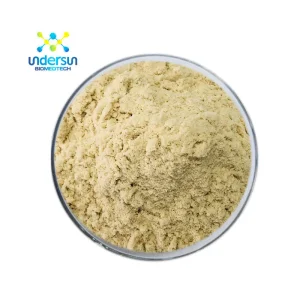
A premium protein bar's success begins with its raw materials. The texture, taste, shelf-life, and nutritional profile of a bar depend heavily on the quality and characteristics of its protein base. Historically, whey and casein dominated the market. However, the rise of veganism, allergen awareness, and sustainability concerns have driven a massive surge in demand for plant-based proteins. Choosing the right protein base requires deep scientific understanding of how different proteins behave during processing and storage.
Soy Protein Isolate & Peptides
Soy remains the gold standard for plant-based amino acid profiles, boasting a PDCAAS of 1.0. Utilizing advanced enzymatically hydrolyzed soy protein peptides improves digestibility, reduces bitterness, and prevents moisture-migration hardening over time.
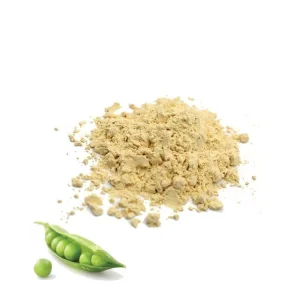
Pea Protein Isolate
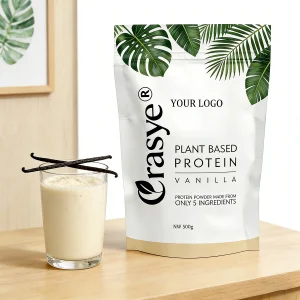
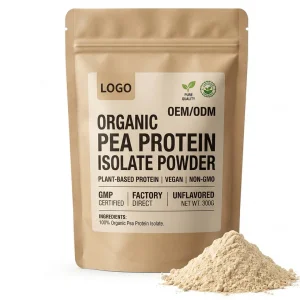
Hypoallergenic and clean-label friendly, pea protein provides excellent viscosity and emulsification. When paired with secondary proteins, it creates a complete amino acid profile while maintaining a smooth, non-gritty mouthfeel.
Specialty Plant Proteins
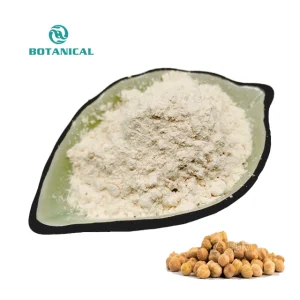
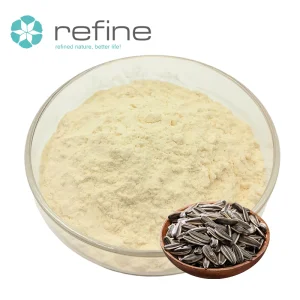
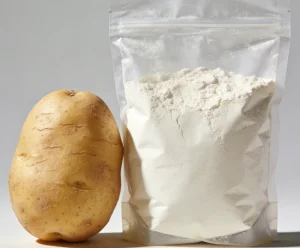
Incorporating oat protein (rich in beta-glucans), chickpea protein, potato protein, and sunflower seed protein isolates allows brands to craft unique allergen-free, non-GMO claims with optimized functional performance.
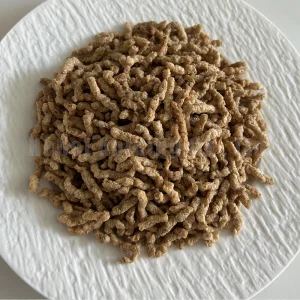
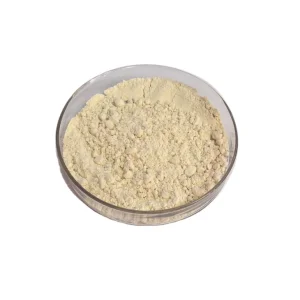
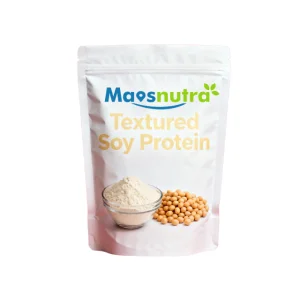
At the core of this supply chain is Dongguan Tsrel Biology Co., Ltd., a premier manufacturer of high-purity vegetal protein ingredients. Our specialized raw materials, such as 90% water-soluble potato protein isolates, organic pea protein, and textured soy proteins (TVP), serve as the vital building blocks that contract manufacturers use to formulate stable, nutrient-dense, and highly palatable protein bars.
Advanced Manufacturing Capabilities & China Factory Efficiency
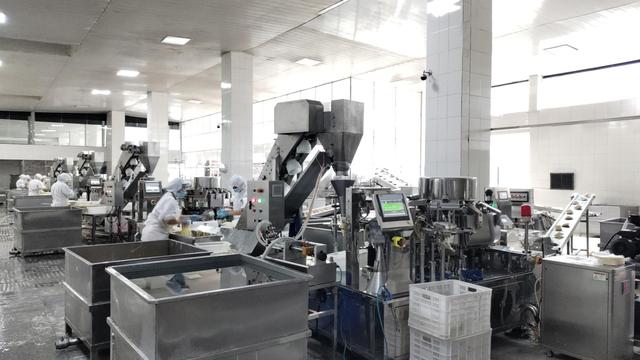
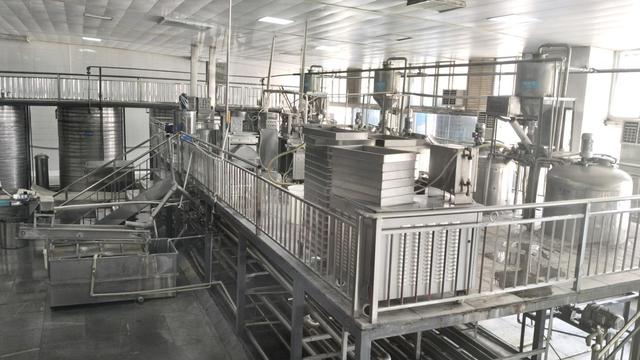
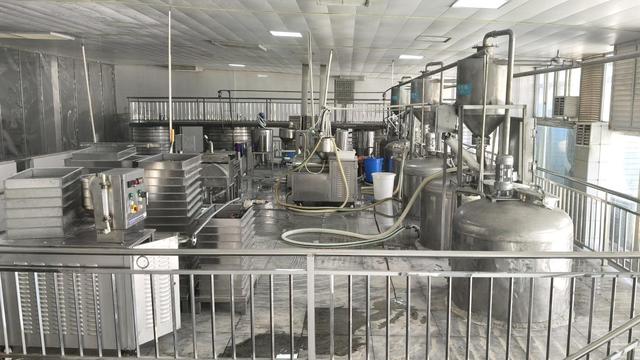
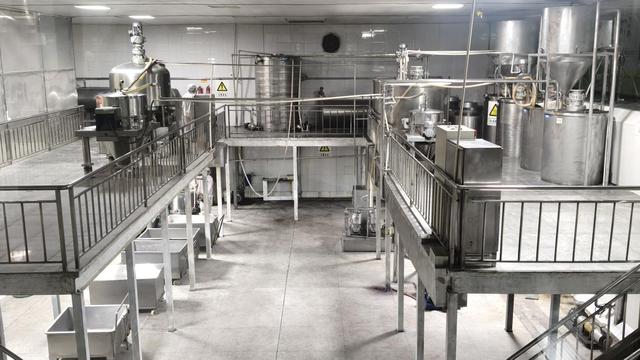
Partnering with a Chinese manufacturer like Dongguan Tsrel Biology Co., Ltd. offers global brands a distinct competitive edge in manufacturing efficiency, supply chain security, and scalability. Located in China's industrial heartland, our advanced facilities leverage state-of-the-art cold-extrusion and triple-layer depositing technologies to manufacture protein bars with complex textures, filled centers, and chocolate coatings.
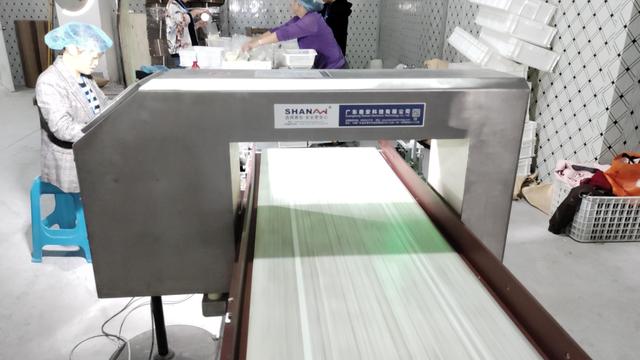
Our facility operates under rigorous quality controls, ensuring strict adherence to international food safety standards. The vertical integration of our plant-based raw materials—ranging from soy and pea protein isolates to specialized fibers and starches—significantly reduces production costs and lead times. This enables us to offer highly competitive pricing structures without compromising on safety, consistency, or raw material traceability.
Additionally, our agile manufacturing processes are designed to support rapid scaling. We can easily transition production lines from low-volume test batches for pilot launches to high-capacity continuous runs for major retail rollouts. This flexibility allows global brands to minimize capital risk while responding dynamically to shifting market demands.
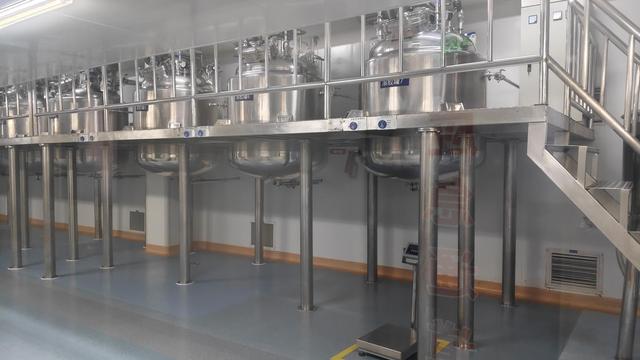
Dongguan Tsrel Biology Co., Ltd.: Your Trusted Partner in Vegetal Proteins
Dongguan Tsrel Biology Co., Ltd. is a professional China vegetal protein manufacturer specializing in the research, development, production, and supply of high-quality plant protein ingredients for food, beverage, and nutritional applications. With a strong focus on innovation, sustainability, and quality assurance, the company is dedicated to providing reliable plant-based ingredient solutions to customers worldwide.
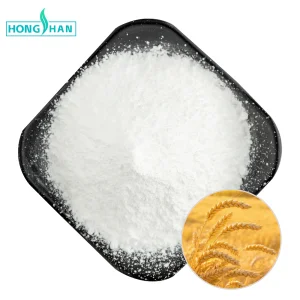
Equipped with advanced manufacturing facilities and modern processing technologies, Dongguan Tsrel Biology offers a comprehensive range of vegetal proteins, including soy protein, pea protein, rice protein, wheat protein, and other specialty plant proteins. These ingredients are widely used in functional foods, nutritional supplements, sports nutrition products, dairy alternatives, meat alternatives, beverages, bakery products, and health food applications.
Innovation is a key driving force behind the company's growth. Supported by an experienced research and development team, Dongguan Tsrel Biology continuously explores new technologies and application solutions to meet the evolving demands of the global food and nutrition industries. The company also provides customized ingredient solutions to help customers optimize product formulations, improve nutritional profiles, enhance texture, and create clean-label products.
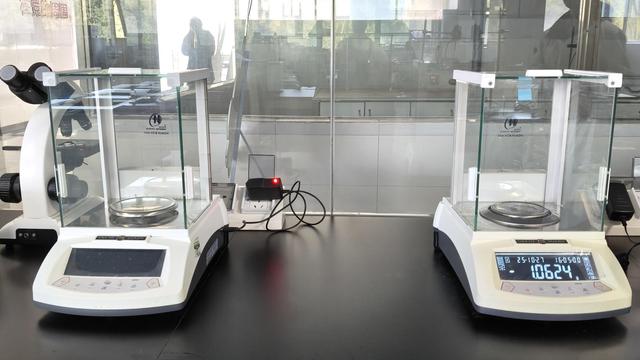
Quality and food safety are integrated into every stage of production. From raw material sourcing and processing to final testing and packaging, strict quality control procedures are implemented to ensure product consistency, purity, safety, and compliance with international standards. This commitment enables the company to deliver dependable products that meet the rigorous requirements of global customers.
With customer satisfaction at the center of its operations, competitive manufacturing capabilities, stable supply chains, and professional technical support, Dongguan Tsrel Biology Co., Ltd. has established long-term partnerships with food manufacturers, distributors, and brand owners across international markets. The company remains committed to advancing sustainable nutrition through innovative plant protein solutions for the global marketplace.


Localization Application Scenarios & Global Target Markets
Different regions have highly distinct consumer preferences, regulatory frameworks, and dietary habits. Successfully exporting and launching private label protein bars requires deep knowledge of these localized dynamics:
North America: Premium Clean-Label, Keto, and High-Fiber Formulas
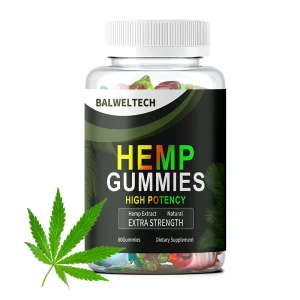
In the United States and Canada, consumer demand centers on clean labels, zero-sugar options, and high fiber content. Key formulation strategies include utilizing pea protein isolates, organic hemp extracts for stress-relief positioning, and oat beta-glucans to support gut health. Net carbs must be minimized through the use of natural sweeteners like allulose, monk fruit, and stevia. Viscosity and shelf-life stability are critical to preventing bars from drying out or hardening during long distribution routes.
Europe: Organic, Non-GMO, and Sustainable Raw Materials
European consumers prioritize non-GMO sourcing, sustainable packaging, and organic certifications. Formulas must be dairy-free and gluten-free, relying on premium plant sources like European-sourced pea protein and chickpea protein. Additionally, brands must strictly comply with local European Food Safety Authority (EFSA) regulations regarding novel food ingredients and health claims.
Asia-Pacific: Functional Benefits, Portion Control, and Exotic Flavors
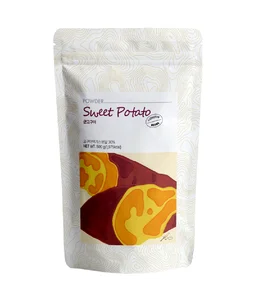
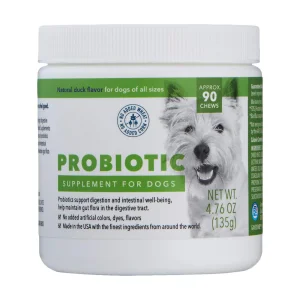
In the APAC region, particularly Japan, South Korea, and China, protein bars are positioned as beauty, weight management, and quick lifestyle snacks. Here, portion sizes are typically smaller, and texture is paramount. Ideal formulations incorporate water-soluble potato proteins for weight management benefits and collagen or probiotic dog soft-chews for pet-wellness counterparts. Popular flavors in these markets lean toward local preferences like sweet potato, green tea matcha, black sesame, and red bean.
Key Industry Development Trends
- Textural Advancement: Moisture migration often causes traditional high-protein bars to become hard and chalky over time. Modern formulations combat this issue by combining plant protein isolates with specialty hydrolyzed peptide powders to keep the bar soft and pliable throughout its shelf life.
- Functional Synergy: Moving beyond simple macronutrient profiles, the next generation of protein bars incorporates targeted health benefits. Manufacturers are adding adaptogens (such as hemp extract), gut-supporting prebiotics (like oat beta-glucan), probiotics, and energy-boosting MCTs to appeal to health-conscious consumers.
- Sugar Reduction 2.0: Sugar alcohols like erythritol and maltitol are increasingly being replaced by newer, gut-friendly sweeteners like allulose, monk fruit, and soluble tapioca fibers. These alternatives allow brands to maintain excellent texture and sweetness without causing digestive discomfort.
- Eco-conscious Supply Chains: Brands are seeking manufacturing partners that minimize their environmental footprint. This includes utilizing sustainably sourced plant-based proteins, reducing energy consumption during extrusion, and offering recyclable, compostable, or PCR (Post-Consumer Recycled) packaging materials.
Q: What is the standard MOQ (Minimum Order Quantity) for OEM/ODM protein bar manufacturing?
For customized formulations and private labeling, our typical MOQ ranges from 20,000 to 50,000 bars per flavor, depending on the complexity of the recipe and packaging requirements. Standard raw material shipments in bulk powder form start at 500kg to 1 ton per batch.
Q: How do you prevent protein bars from hardening over time?
Bar hardening is caused by moisture migration from the syrup phase to the protein particles. We prevent this by optimizing the ratio of intact proteins to hydrolyzed protein peptides (such as soy or wheat protein peptides) and incorporating natural humectants like vegetable glycerin or specialized dietary fibers that lock in moisture.
Q: Are your vegetal proteins and production lines non-GMO and allergen-free?
Yes. We source non-GMO raw materials and implement strict allergen-control protocols. Our facility operates dedicated processing lines to prevent cross-contamination. We offer USDA Organic, GMP, and ISO certifications to meet the requirements of international buyers.
Q: Can you formulate protein bars with specific dietary requirements, like Keto or Low-FODMAP?
Absolutely. Our R&D team can develop custom formulations to meet a wide range of dietary needs, including keto-friendly (high fat/low net carb), vegan, gluten-free, low-FODMAP, and high-fiber. We use alternative plant proteins, healthy fats (like coconut oil or nut butters), and prebiotic fibers to achieve these target nutritional profiles.
Q: What is the typical shelf life of your manufactured protein bars?
With optimized water activity levels and high-barrier packaging materials, our protein bars achieve a shelf life of 12 to 18 months under standard storage conditions, without requiring artificial preservatives.
Accelerate Your Product Innovation Cycle
Contact our R&D and export sales team today to request samples, discuss custom formulations, or schedule a virtual audit of our state-of-the-art facilities.
Partner With Us Today