Featured Nutritional Ingredients & Extractions
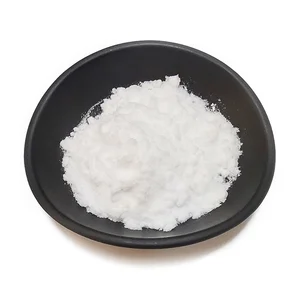
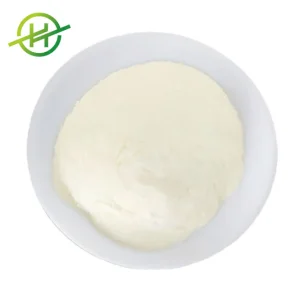
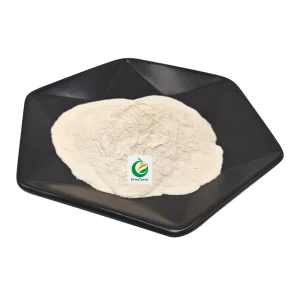
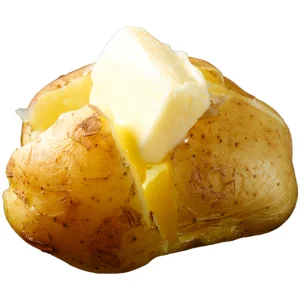
Global Potato Protein Commercial Landscape
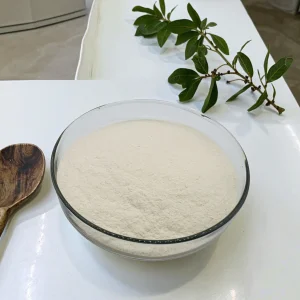
The global market for plant-based proteins is undergoing an unprecedented structural transition. Historically dominated by soy and wheat derivatives, food manufacturing enterprises are increasingly migrating toward alternative vegetal proteins to address clean-label demands, allergen avoidance profiles, and enhanced functional processing metrics. In this changing environment, potato protein isolate has emerged as an exceptionally valuable functional ingredient, demonstrating unmatched gelation, emulsification, and water-binding parameters across multiple industrial application verticals.
Potato protein is synthesized via the recovery of soluble protein fractions derived from the potato starch refinement process. This processing stream, historically characterized as agricultural effluent, has been elevated by advanced fractionation and ultrafiltration engineering into a high-tier nutritional isolate. With a DIAAS (Digestible Indispensable Amino Acid Score) that rivals bovine whey and egg albumin, potato protein provides a balanced profile of essential amino acids, exceptionally rich in lysine and methionine, which are traditionally deficient in cereal-based proteins.
Nutritional Value Proposition
Features an exceptional concentration of branched-chain amino acids (BCAAs) including leucine, isoleucine, and valine. It serves as an optimal muscle-recovery building block in active nutrition formulations and premium meal replacement shakes.
Functional Versatility
Exhibits thermosensitive gelation capabilities at lower activation thresholds compared to soy protein isolates. This allows for superior texture profiles in clean-label vegan meat analogues and dairy alternatives.
Sustainability Profile
Sourced from high-yield, low-water-footprint potato crops, the extraction process integrates with agricultural starch loops, offering circular-economy ESG advantages that align with modern ESG demands.
Technical Roadmap: Extraction, Isolation, and Advanced Refining
The manufacturing process of food-grade potato protein isolate requires rigorous chemical engineering to isolate the functional fractions without denaturing the native protein structure. Standard potato juice, obtained from starch wash processing, contains highly active enzymes (specifically polyphenol oxidase) and glycoalkaloids (solanine and chaconine) that must be meticulously managed to guarantee both biological safety and organoleptic quality.
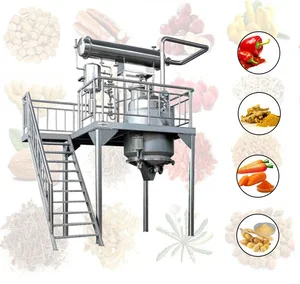
Through advanced Potato Protein Plant Extraction Equipment & Solvent Extractor systems, raw potato fruit juice is subjected to standardized purification protocols. This begins with cold-temperature coagulation or pH-controlled precipitation to separate the native patatin fraction (40-45 kDa glycoprotein) and protease inhibitor fractions (4-20 kDa peptides) from the bulk starch slurry. Low-temperature processes ensure the native protein structures are preserved, retaining high solubility and emulsification indexes.
Thermal & Acid Coagulation
Traditional high-temperature acidic coagulation yields highly denatured protein concentrates. These are optimal for animal feed formulations or technical applications requiring minimal solubility but high water absorption index (WAI).
Membrane Fractionation (UF/DF)
By employing ultrafiltration (UF) and diafiltration (DF) membranes under strict temperature limits (< 50°C), we isolate native potato proteins. This preserves their active tertiary structure, giving them excellent foaming and gelation capacity.
Glycoalkaloid Elimination
Our extraction lines utilize food-grade solvent extraction and adsorption resins to reduce total glycoalkaloids (TGA) to safe thresholds below 150 ppm, removing bitterness and ensuring non-toxic profiles.
Advanced Industrial Refining Stages:
- Raw Juice Stabilization: Immediate thermal stabilization and antioxidant dosing to inhibit enzymatic browning.
- Starch Decantation: High-speed centrifugal separation of remaining micro-starch particles.
- Protein Precipitation: Isoelectric point adjustment combined with membrane filtration loops.
- Purification & Washing: Continuous diafiltration to remove soluble organic compounds, minerals, and off-flavors.
- Spray Drying: Indirect steam spray drying parameters designed to control bulk density and particle size.
Dongguan Tsrel Biology Co., Ltd. - Corporate Architecture
As a leading developer in the vegetal protein sector, Dongguan Tsrel Biology Co., Ltd. is a professional China vegetal protein manufacturer specializing in the research, development, production, and supply of high-quality plant protein ingredients for food, beverage, and nutritional applications. With a strong focus on innovation, sustainability, and quality assurance, the company is dedicated to providing reliable plant-based ingredient solutions to customers worldwide.
Equipped with advanced manufacturing facilities and modern processing technologies, Dongguan Tsrel Biology offers a comprehensive range of vegetal proteins, including soy protein, pea protein, rice protein, wheat protein, and other specialty plant proteins. These ingredients are widely used in functional foods, nutritional supplements, sports nutrition products, dairy alternatives, meat alternatives, beverages, bakery products, and health food applications.
Innovation is a key driving force behind the company's growth. Supported by an experienced research and development team, Dongguan Tsrel Biology continuously explores new technologies and application solutions to meet the evolving demands of the global food and nutrition industries. The company also provides customized ingredient solutions to help customers optimize product formulations, improve nutritional profiles, enhance texture, and create clean-label products.
Quality and food safety are integrated into every stage of production. From raw material sourcing and processing to final testing and packaging, strict quality control procedures are implemented to ensure product consistency, purity, safety, and compliance with international standards. This commitment enables the company to deliver dependable products that meet the rigorous requirements of global customers.
With customer satisfaction at the center of its operations, competitive manufacturing capabilities, stable supply chains, and professional technical support, Dongguan Tsrel Biology Co., Ltd. has established long-term partnerships with food manufacturers, distributors, and brand owners across international markets. The company remains committed to advancing sustainable nutrition through innovative plant protein solutions for the global marketplace.
Custom OEM/ODM Formulation & Manufacturing Pipeline
1. Formulation Alignment
Our lab collaborates with your product development team to align functional requirements (e.g., target gel strength, viscosity limits, or foam volume expansion) with the ideal protein fraction balance.
2. Dry Blending & Particle Engineering
Advanced dry-mix operations allow for homogeneous mixing of potato protein isolates with soluble dietary fibers (e.g., non-GMO resistant dextrin), plant oils, and vitamins for ready-to-mix applications.
3. Scale-Up & Commercial Batches
Our pilot plants support small-run trials (from 500kg) to validate extrusion behavior, emulsification stability, and thermal resilience under commercial HTST pasteurization parameters.
Industrial Application Matrix: Tailored Food Systems
Potato protein is not a universal monolith. The selection of specific isolates depends heavily on the moisture levels, fat content, processing temperatures, and final texture goals of the specific food matrix. Below is an overview of how potato protein isolates perform in main product categories:
Plant-Based Meat Analogues
At concentrations of 2% to 5%, potato protein forms a firm, heat-irreversible gel that binds water and lipids during thermal processing. This emulates the bite, chewiness, and juiciness of real animal fat tissues, making it highly effective for premium vegan sausages and burger patties.
Gluten-Free Bakery Systems
In gluten-free bread and cookies, potato protein serves as a structural framework. By forming elastic networks that trap gas bubbles during baking, it prevents loaf collapse, retains crumb moisture, and improves shelf-life structure.
Egg-White Replacement (Whipping)
Highly soluble patatin-rich potato proteins display excellent foaming properties. Under high-shear whipping, they produce stable foams with high overrun, making them ideal replacements for egg albumin in meringues, macaroons, and nougat formulations.
Allergen-Free Sports Powders
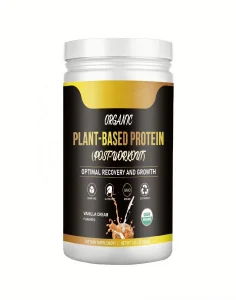
An alternative to soy or whey, potato protein isolate supplies a complete amino acid profile without allergen labeling. It easily blends with plant oils, soluble dietary fibers, and minerals to produce highly digestible, low-viscosity shake options.
Dairy-Free Creamers & Milks
By lowering interfacial tension between oil and water phases, potato protein prevents creaming and phase separation in plant milks. This ensures stability in hot, acidic liquids like coffee without feathering or sediment fallout.
High-Performance Animal Feed
Highly digestible potato protein concentrates containing balanced amino acid spectrums are utilized in high-performance pet foods and starter feeds for aquaculture and piglets, promoting gut health and muscle development.
Advanced Production Facility & Quality Control Tour
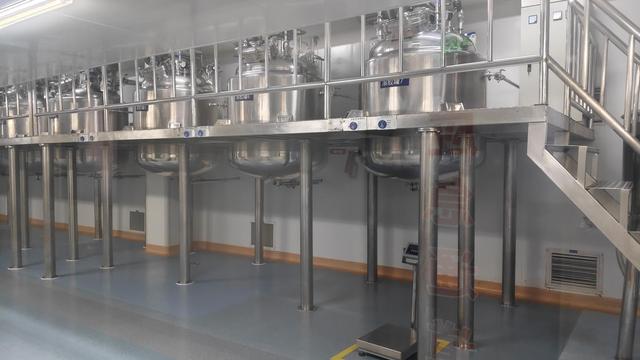
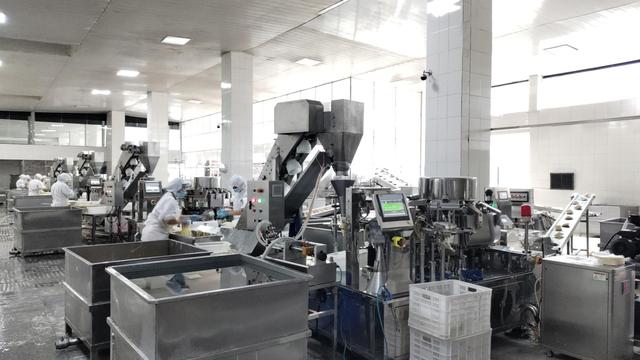
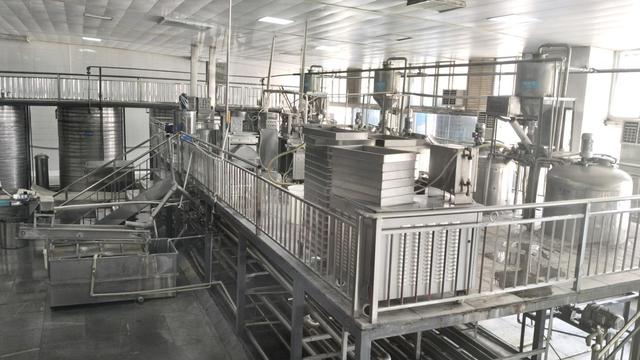
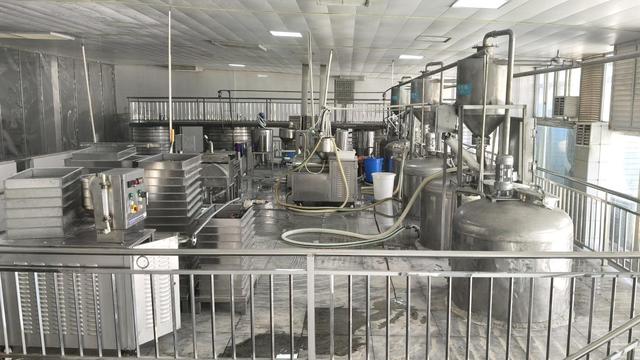
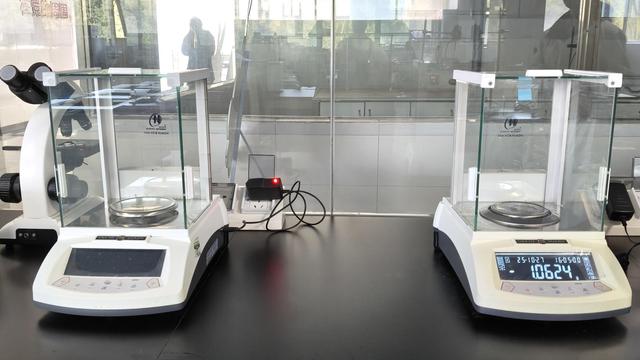
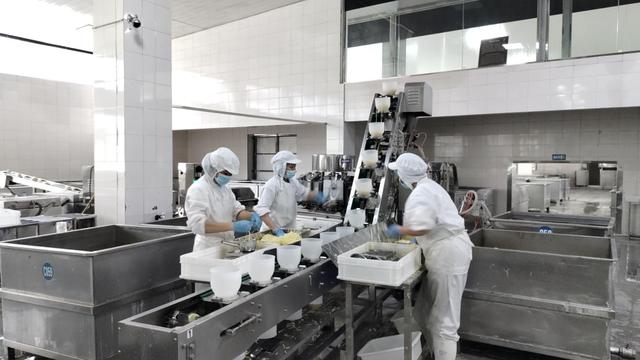
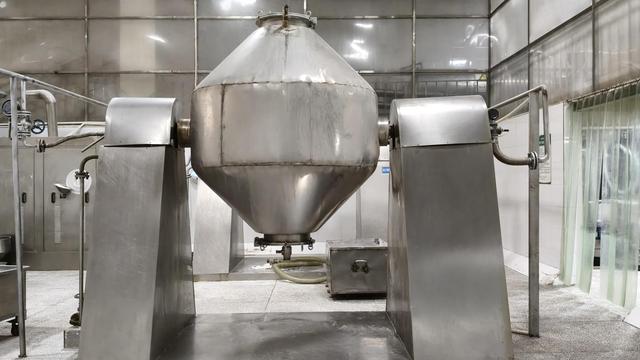
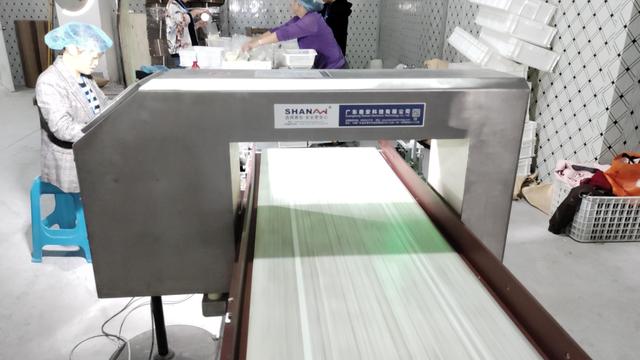
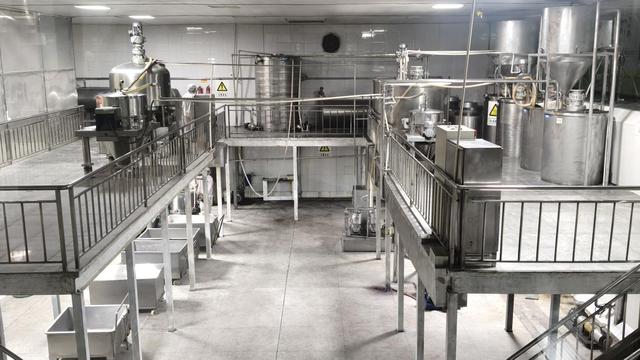
Take an inside look at our state-of-the-art facilities, featuring GMP-compliant processing lines, stainless steel extraction reactors, automated packaging zones, and advanced analytical laboratories.
Technical & Commercial FAQ (Frequently Asked Questions)
Explore Our Full Range of Botanical Ingredients