Premium Plant Protein & Botanical Series
Explore our core plant-based isolates, specialized crop proteins, and machinery lines designed for clean-label food and supplement engineering.
Executive Overview: The Evolution of Barley Protein in Global Food Systems
An in-depth look at how upcycled barley protein is revolutionizing functional plant-based nutrition and clean-label manufacturing.
Historically utilized primarily in the brewing and animal feed sectors, barley (Hordeum vulgare) has emerged as one of the most promising sources of sustainable, highly digestible plant protein. Driven by the global shift towards a
As a leading China vegetal protein manufacturer, Dongguan Tsrel Biology Co., Ltd. stands at the forefront of this industrial shift. Our specialty lies in bridge-building between raw agricultural power and finished-product application excellence. By providing scalable OEM solutions and optimized processing, we enable global brands to introduce high-purity barley protein powders that deliver excellent amino acid structures, rich fiber content, and minimal organoleptic impact.
Nutrient Density & Amino Profile
Barley protein offers an outstanding balance of essential amino acids, particularly high levels of glutamic acid, proline, and branched-chain amino acids (BCAAs) that support muscle recovery and metabolic health.
Circular & Upcycled Sourcing
Utilizing co-products from historical brewing streams prevents carbon waste, positioning barley protein at the absolute top of sustainable, zero-waste ingredient profiles with minimum land/water use footprint.
High Technical Performance
Exhibits exceptional solubility across wide pH ranges, superb emulsification capacity, and a neutral color profile that integrates smoothly without modifying the flavor of final beverages or bars.
Global Market Scale & Industrial Performance
Key projections and technical benchmarks highlighting the industrial shift towards barley protein isolates.
From an industrial perspective, the upcycling of brewer's spent grains (BSG) into functional protein isolate yields immense financial and ecological savings. Historically, this raw material was sold as cheap animal feed or discarded, resulting in lost biological potential. Today, through physical and enzymatic processes engineered by factories like Dongguan Tsrel Biology, these resources are refined into clean-label plant protein isolates that can match the mechanical properties of pea and whey proteins in sports formulation grids.
Advanced Production Methodology & Extraction Route
A comprehensive overview of our patented process flow, detailing how raw barley is converted into bioactive powder.
The R&D Extraction Pipeline
To produce protein powders with concentrations exceeding 75%, we deploy a state-of-the-art multi-stage isolation loop. This process isolates hordein and glutelin protein fractions from the cellulose matrix while keeping denaturing to an absolute minimum:
Raw Material Preparation & Cell-Wall Milling
Barley grains or spent grains are dry-milled under controlled temperatures. Cryogenic grinding is frequently employed to preserve heat-sensitive enzymes and prevent early oxidation of residual lipids, ensuring maximum freshness and optimal raw input density.
Alkaline Extraction & Solubilization
The milled barley undergoes aqueous alkaline extraction at a precisely calibrated pH (typically 8.5 to 9.5). Under these conditions, the dominant storage proteins (hordeins and glutelins) solubilize into the liquid phase, separating from insoluble fibers, arabinoxylans, and beta-glucans via high-speed decanting.
Enzymatic Depolymerization & De-flavoring
Using food-grade endopeptidases, the soluble protein chain is moderately hydrolyzed. This step is crucial for modifying the viscosity of the solution, reducing the typical cereal/earthy notes, and removing bitter peptides. This process results in a neutral-tasting product that integrates seamlessly into food matrices.
Ultrafiltration & Isoelectric Precipitation
The liquid is brought to the protein's isoelectric point (pH 4.5 - 5.0) to precipitate out pure isolates. This is coupled with cross-flow membrane ultrafiltration (cut-off at 10 kDa) to eliminate mineral salts, simple sugars, and anti-nutritional compounds like phytates.
Low-Temperature Spray Drying & Packaging
The concentrated slurry is atomized in a spray drying tower operating with inlet/outlet temperature parameters designed to avoid heat denaturation. The resulting powder is packaged in a sterile, ISO Class 8 clean room to prevent ambient moisture absorption and maintain clean microbial counts.
This technical rigor ensures that the final powder boasts high solubility, superior water-binding capacity, and a light-beige profile, making it a perfect component for ready-to-mix (RTM) beverages, dairy alternatives, and high-protein baked goods.
Dongguan Tsrel Biology Co., Ltd.
A Professional China Vegetal Protein Manufacturer, R&D Innovator, and Certified Industrial Supply Chain Partner.
Dongguan Tsrel Biology Co., Ltd. is a professional China vegetal protein manufacturer specializing in the research, development, production, and supply of high-quality plant protein ingredients for food, beverage, and nutritional applications. With a strong focus on innovation, sustainability, and quality assurance, the company is dedicated to providing reliable plant-based ingredient solutions to customers worldwide.
Equipped with advanced manufacturing facilities and modern processing technologies, Dongguan Tsrel Biology offers a comprehensive range of vegetal proteins, including soy protein, pea protein, rice protein, wheat protein, and other specialty plant proteins. These ingredients are widely used in functional foods, nutritional supplements, sports nutrition products, dairy alternatives, meat alternatives, beverages, bakery products, and health food applications.
Innovation is a key driving force behind the company's growth. Supported by an experienced research and development team, Dongguan Tsrel Biology continuously explores new technologies and application solutions to meet the evolving demands of the global food and nutrition industries. The company also provides customized ingredient solutions to help customers optimize product formulations, improve nutritional profiles, enhance texture, and create clean-label products.
Quality and food safety are integrated into every stage of production. From raw material sourcing and processing to final testing and packaging, strict quality control procedures are implemented to ensure product consistency, purity, safety, and compliance with international standards. This commitment enables the company to deliver dependable products that meet the rigorous requirements of global customers.
With customer satisfaction at the center of its operations, competitive manufacturing capabilities, stable supply chains, and professional technical support, Dongguan Tsrel Biology Co., Ltd. has established long-term partnerships with food manufacturers, distributors, and brand owners across international markets. The company remains committed to advancing sustainable nutrition through innovative plant protein solutions for the global marketplace.
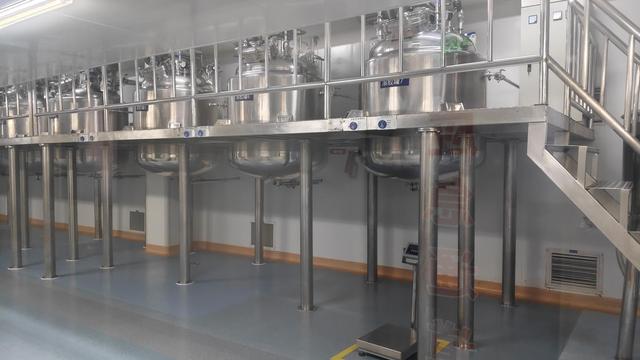
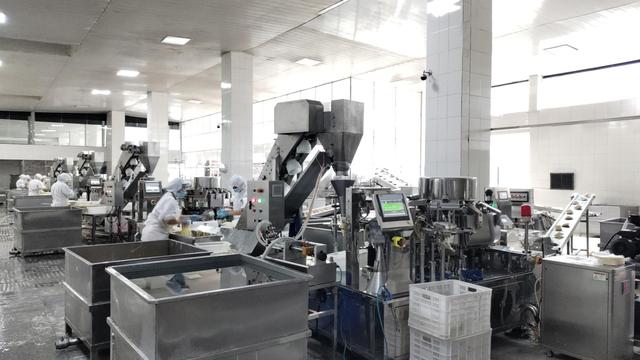
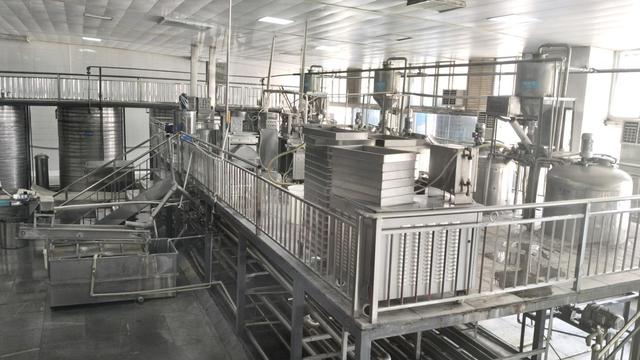
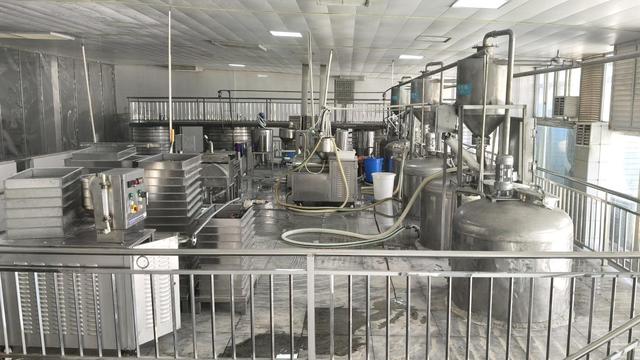
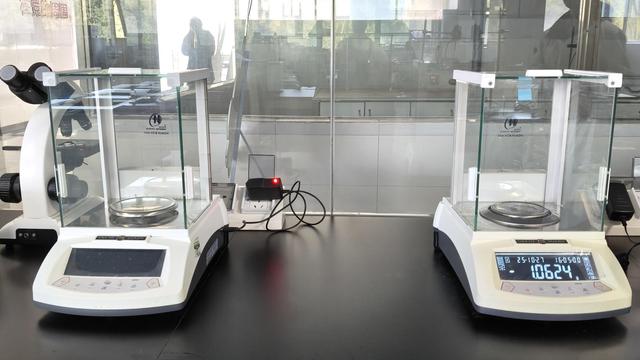
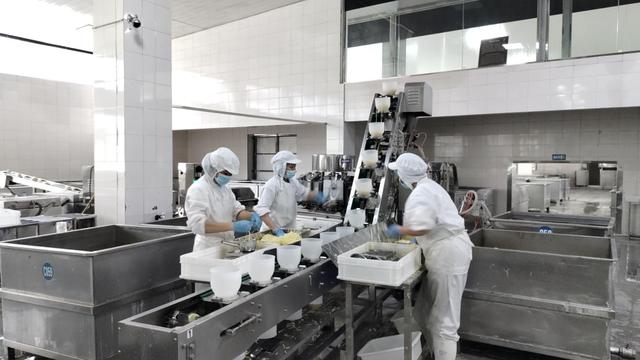
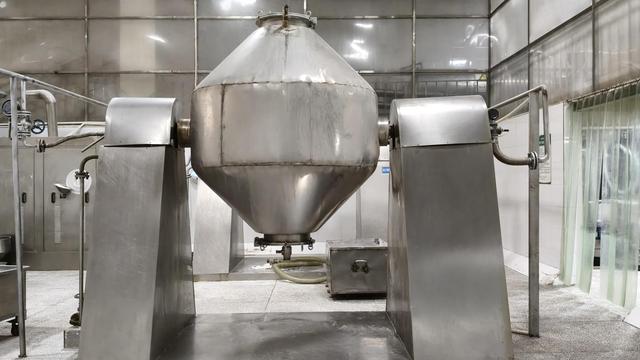
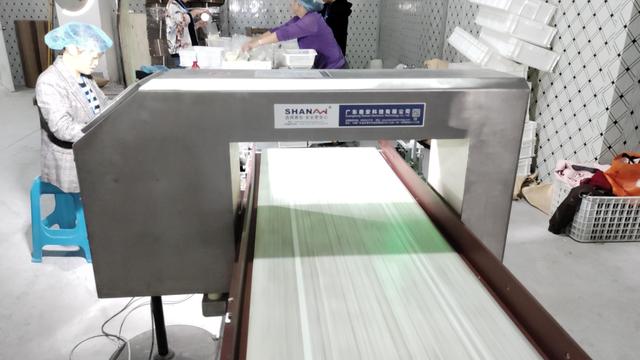
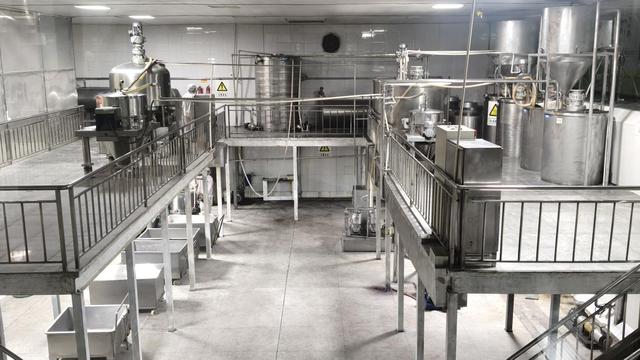
Our Advanced R&D and Production Facilities
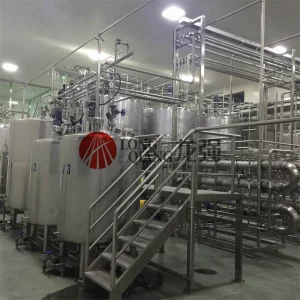
Our production facilities utilize modern industrial systems to maintain high-capacity yields while meeting global safety requirements. Below is an inside look at our manufacturing plant, drying columns, and extraction infrastructure:
Custom OEM Solutions & Application Parameters
How we tailor the functional properties of barley protein to meet distinct formulation needs.
Every food application demands distinct physical attributes from its protein raw materials. A high-protein powder shake requires fast cold-water dispersion and low viscosity, whereas a plant-based burger patty relies on gelling and water-holding properties to simulate meat fibers. Dongguan Tsrel Biology provides customized physical modifications for barley protein isolate to match these precise profiles:
Application Matrix
Through our comprehensive R&D loop, we also assist brands in clean-label initiatives. We eliminate common chemical additives by using natural enzymes to achieve superior texture and stabilization, providing a robust marketing advantage in consumer-facing channels.
Barley Protein Manufacturing: Critical Q&A
Addressing top technical, commercial, and regulatory questions from procurement officers and food scientists.
What is the typical protein concentration in your OEM barley protein products?
Our standard barley protein isolates range between 75% and 85% protein content on a dry matter basis. We can adjust this concentration by modifying the membrane filtration steps, accommodating specific nutritional targets or price points requested by the brand owner.
Does barley protein isolate contain gluten, and how do you handle allergen labelling?
Yes, barley naturally contains hordein, which is a type of gluten. Unlike pea or rice isolate, barley protein is not gluten-free. For clean-label and transparent consumer communications, products formulated with barley protein must declare the presence of gluten. However, it is highly sought after as a hypo-allergenic alternative to soy and dairy.
How does upcycled barley protein support corporate ESG and sustainability metrics?
By utilizing brewer’s spent grain (BSG) instead of growing virgin crops, the carbon emissions associated with agricultural tillage, synthetic fertilizer application, and initial irrigation are avoided. Implementing upcycled barley protein significantly reduces your product's lifecycle carbon footprint, helping you meet corporate ESG objectives and satisfy green-conscious consumers.
What quality certifications do your manufacturing plants hold?
Dongguan Tsrel Biology operates under strict safety protocols. Our facilities are certified with HACCP, ISO 9001, ISO 22000, Halal, and Kosher guidelines. Every batch of barley protein isolate undergoes thorough testing for heavy metals, microbial limits, and physical parameters prior to container dispatch.
What is the typical lead time for custom OEM batches of vegetal protein?
Lead times depend on the specific formulation parameters. For standard bulk powders, shipping leaves our factory within 2 to 3 weeks. For custom formulations requiring pilot trial production, enzymatic customization, or distinct mesh sizing, the schedule is roughly 4 to 6 weeks, which includes extensive quality assurance verification.
Specialty Vegetal & Vegan Protein Portfolio
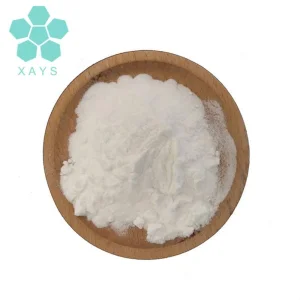
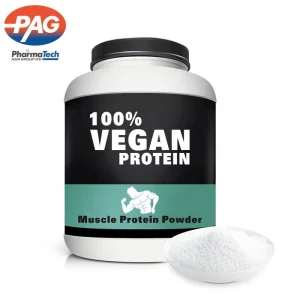
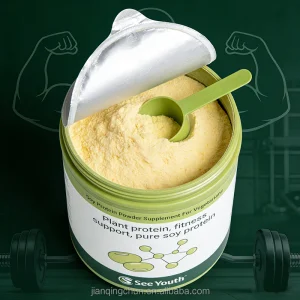
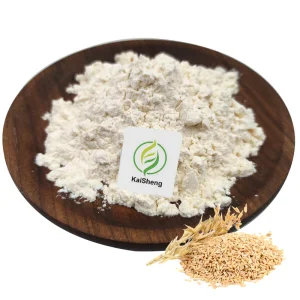
Select from our global distribution-ready plant proteins, customized for sports nutrition, capsules, and therapeutic applications.