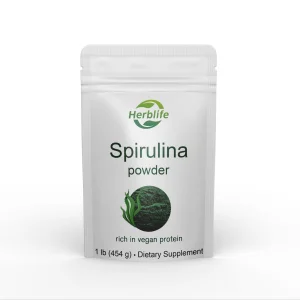
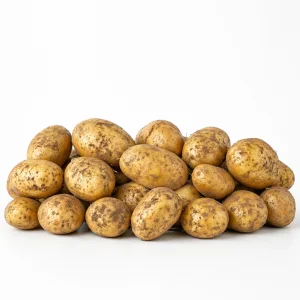
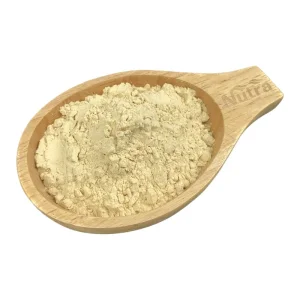
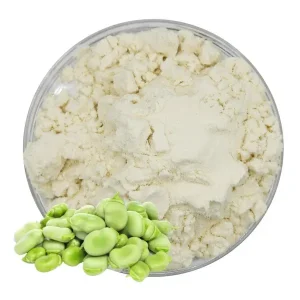
Featured Plant-Based Ingredients & Proteins
Explore our premium bio-nutritional extracts and plant protein compounds designed for high-performance formulation.
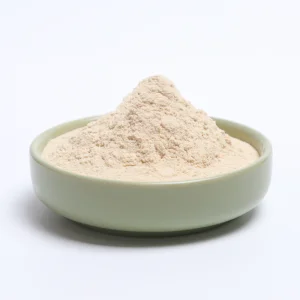
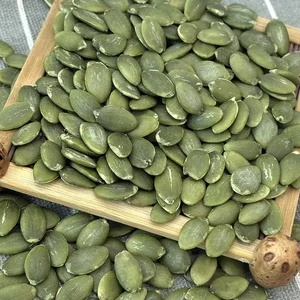
90%+
Protein Purity Levels
50+
Exporting Countries & Regions
ISO / GMP
Certified Manufacturing Facilities
100%
Non-GMO and Traceable Sourcing
Global Textured Vegetable Protein Industrial Landscape
Key macroeconomic drivers, technological shifts, and consumer preferences transforming the plant protein supply chain.
Market Growth & Drivers
The global Textured Vegetable Protein (TVP) market is expanding rapidly, projected to surpass USD 3.2 Billion by 2030. This expansion is fueled by rising health-conscious consumer segments, resource-efficient food frameworks, and the growth of flexitarian diets worldwide. Supply chains are focusing on regional manufacturing partners capable of delivering consistent protein yields and physical structural characteristics.
Clean-Label Formulations
Formulators are moving away from multi-ingredient synthetic binders toward clean-label, minimally processed texturized matrices. Buyers expect clean ingredient lists, minimal chemical additives, and allergen-free alternatives (such as pea and fava bean replacing soy or wheat gluten). This shift requires advanced mechanical shear control rather than reliance on chemical binding agents.
Global Logistics & Security
With tightening international food regulations, manufacturers are adapting to strict global compliance frameworks, including HACCP, ISO 22000, Halal, and Kosher certifications. Securing a reliable plant protein supplier in China offers significant cost efficiency and logistics advantages, particularly when backed by strict quality management protocols.
Leading China Plant Protein Innovation
Dongguan Tsrel Biology Co., Ltd. is a professional China vegetal protein manufacturer specializing in the research, development, production, and supply of high-quality plant protein ingredients for food, beverage, and nutritional applications. With a strong focus on innovation, sustainability, and quality assurance, the company is dedicated to providing reliable plant-based ingredient solutions to customers worldwide.
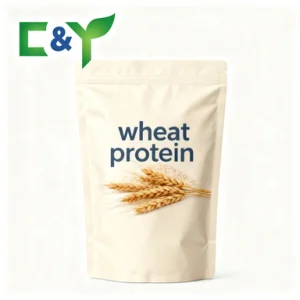
Equipped with advanced manufacturing facilities and modern processing technologies, Dongguan Tsrel Biology offers a comprehensive range of vegetal proteins, including soy protein, pea protein, rice protein, wheat protein, and other specialty plant proteins. These ingredients are widely used in functional foods, nutritional supplements, sports nutrition products, dairy alternatives, meat alternatives, beverages, bakery products, and health food applications.
Innovation is a key driving force behind the company's growth. Supported by an experienced research and development team, Dongguan Tsrel Biology continuously explores new technologies and application solutions to meet the evolving demands of the global food and nutrition industries. The company also provides customized ingredient solutions to help customers optimize product formulations, improve nutritional profiles, enhance texture, and create clean-label products.
Quality & Food Safety Standards
Quality and food safety are integrated into every stage of production. From raw material sourcing and processing to final testing and packaging, strict quality control procedures are implemented to ensure product consistency, purity, safety, and compliance with international standards. This commitment enables the company to deliver dependable products that meet the rigorous requirements of global customers.
With customer satisfaction at the center of its operations, competitive manufacturing capabilities, stable supply chains, and professional technical support, Dongguan Tsrel Biology Co., Ltd. has established long-term partnerships with food manufacturers, distributors, and brand owners across international markets. The company remains committed to advancing sustainable nutrition through innovative plant protein solutions for the global marketplace.
- Comprehensive feedstock options (Soy, Pea, Wheat, Oat, Fava Bean)
- High functional performance in water binding and emulsification
- Tailored physical profiles for ground, chunk, and fibrous meat analogs
Technology & Extrusion Engineering Roadmap
The molecular engineering workflow behind texturizing plant-derived globular proteins into fibrous, meat-like structures.
Formula Matrix Setup
Blending premium isolates (Soy, Pea, Wheat) with starch and dietary fiber to configure optimal water-binding properties and elasticity.
Thermal & Shear Cooking
Utilizing twin-screw extrusion systems. Heat and mechanical shear break down globular proteins, unfolding their molecular chains.
Alignment & Cooling
Passing the melted protein through a cooling die to align the chains, cross-linking disulfide bonds to create a fibrous structure.
Dehydration & Packing
Precisely dry the product to moisture levels under 10% to ensure shelf stability, followed by packaging in food-grade, multi-wall bags.
Localized Applications & Food Solutions
From commercial meat extenders to high-protein snacks, our proteins adapt to diverse application requirements.
Meat Analogs & Fillers
TVP forms the structure of plant-based patties, nuggets, and sausages. It retains moisture and juices, providing a clean-label bite and mouthfeel that mimics real meat fibers.
Nutritional Snacks
Utilized in protein bars and extruded crisps. These proteins improve nutritional profiles without altering taste, maintaining a pleasant texture over time.
Pet Food & Feed
Ideal for high-protein, allergen-conscious pet food formulas. Highly digestible protein concentrates improve texture and shape stability in kibble and wet canned food.
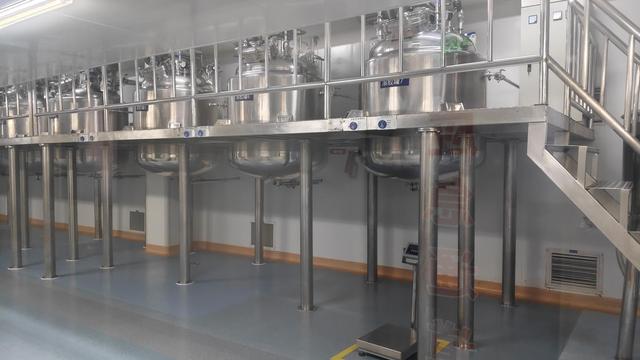
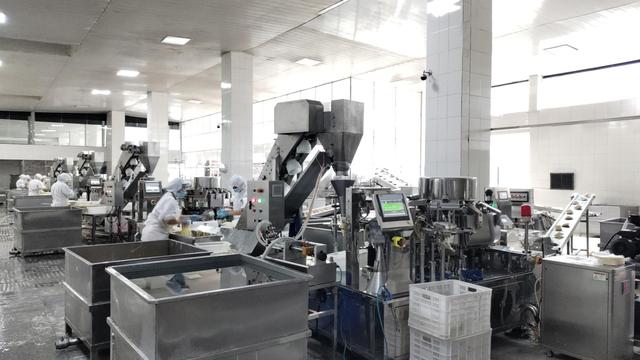
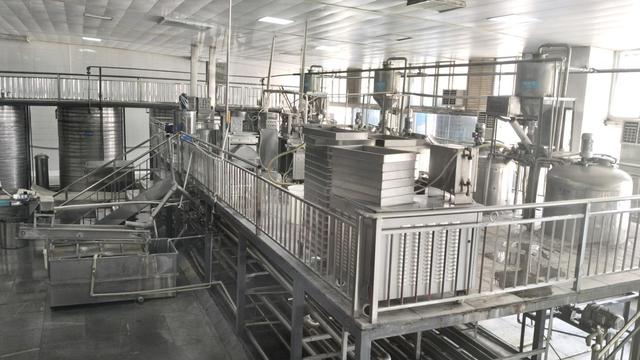
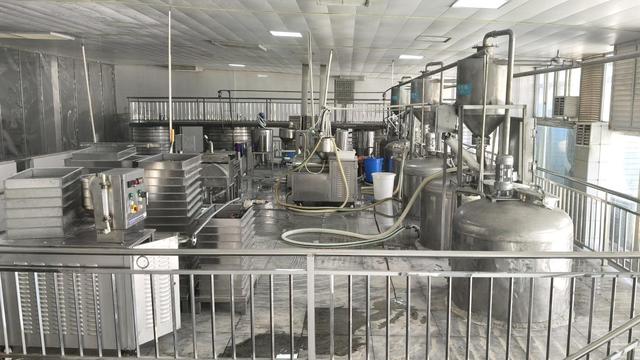
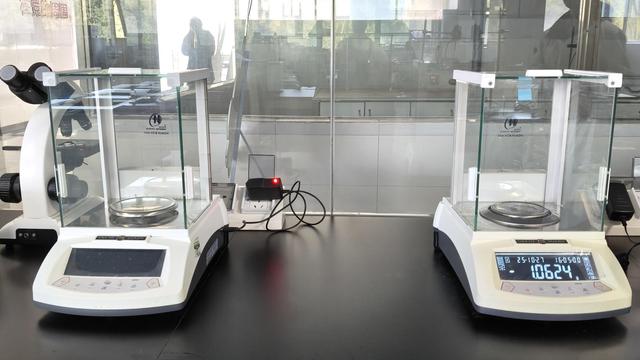
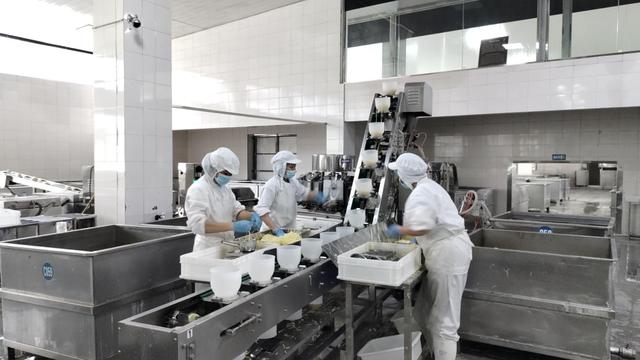
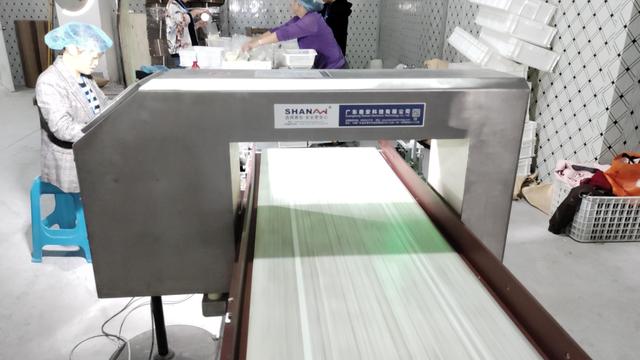
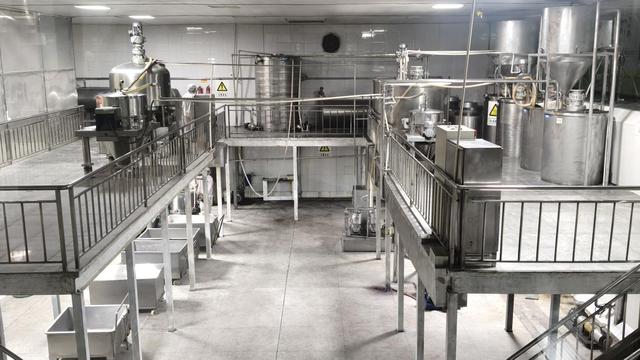
Production Facility & Research Centers
A view into our advanced processing lines, quality control laboratories, and inventory management systems.

Technical Q&A: Textured Vegetable Protein
Insights on hydration ratios, texture adjustment, shelf life, and non-GMO sourcing.
Our TVP typically exhibits a hydration ratio between 1:2.5 and 1:3.0. Water absorption speed and capacity depend on the protein matrix density and raw material blend (soy versus pea). Controlled hydration ensures stable cooking weight and a consistent bite in meat analogs.
We enforce a strict supply chain tracking system from agricultural farms to the final packing line. Every batch undergoes PCR testing to guarantee non-GMO status, backed by analytical reports for every export consignment.
We offer customized shape extrusion, including granular (1–3mm), minced, flakes, chunks, and larger fiber sections. We adjust screw configurations and die plates to meet your target density and texture requirements.
Under dry, cool storage conditions (humidity < 60%, temperature < 25°C), our texturized proteins maintain a shelf life of up to 24 months. Keep packaging sealed to protect against moisture absorption and external contaminants.
Premium Biological Peptides & Specialty Proteins
Explore our plant-based concentrates and specialty proteins for functional food, beverage, and supplement formulations.