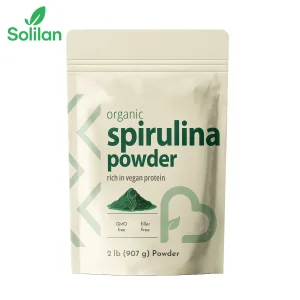
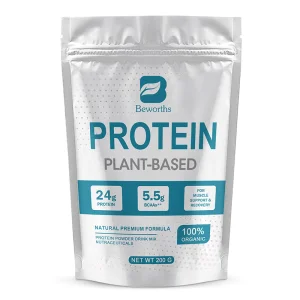
Featured Vegetal & Seed Protein Ingredients
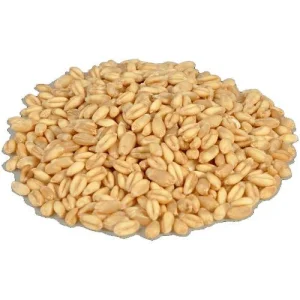
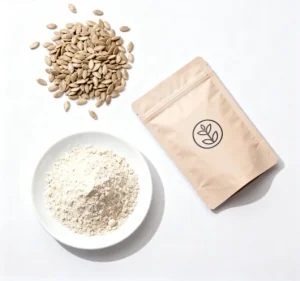
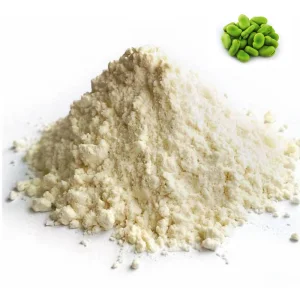
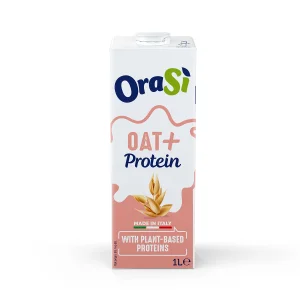

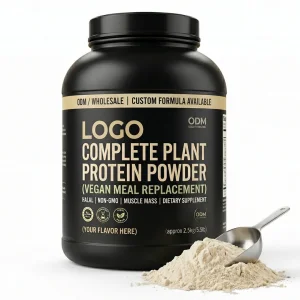
1. The Algae Protein Revolution: Global Industrial Landscape
As global markets shift towards carbon-neutral systems and clean-label diets, microalgae protein has emerged as the frontier of plant-based bio-nutrition.
Microalgae, particularly strains like Spirulina platensis and Chlorella vulgaris, represent a paradigm shift in crop cultivation and protein processing. Unlike traditional plant proteins such as soy or pea, which demand extensive arable land, intense freshwater inputs, and months to harvest, microalgae yield up to ten times more protein per acre. Operating with phenomenal photosynthetic efficiency, these unicellular organisms capture atmospheric carbon dioxide while assembling a highly bioavailable amino acid profile containing all nine essential amino acids.
Today, the global algae protein market is scaling rapidly, driven by strict ESG requirements, the expansion of functional sports foods, and clinical research proving microalgae's positive impact on muscle synthesis, gut health, and immunomodulation. China has established itself as the premier global supply hub, utilizing massive photobioreactor complexes and natural open-pond fermentation parks to produce highly uniform, dry algae powders for international export.
Comparative Matrix: Algae Protein vs. Terrestrial Proteins
For global purchasing directors and food scientists, understanding how microalgae stacks up against traditional protein options is key to high-performance product development:
| Nutrition & Sourcing Parameters | Algae Protein (Chlorella / Spirulina) | Soy Protein Isolate | Pea Protein Isolate | Whey Protein Concentrate |
|---|---|---|---|---|
| Protein Density (%) | 60% - 75% | 90% | 80% - 85% | 80% |
| Essential Amino Acid Profile | Complete; exceptionally high lysine & BCAA content | Complete; limited methionine | Complete; limited methionine | Complete; optimized profile |
| Allergenic Risk | Zero (Hypoallergenic) | High (Major Allergen list) | Low | High (Lactose / Dairy derivative) |
| Water Footprint (L/kg) | Very Low (Highly recycled loop systems) | ~2,000 L/kg | ~3,200 L/kg | ~5,000+ L/kg |
| Bioactive Value Add | Phycocyanin, Chlorophyll, Polysaccharides, DHA/EPA | Isoflavones | Low | Immunoglobulins |
2. Technical Roadmap: Microalgae Cultivation & Protein Processing
Obtaining high-purity protein fractions from microalgae cells without degrading fragile bioactives requires rigorous engineering.
Using closed-loop photobioreactors (PBR) or highly controlled open-raceway ponds, suppliers optimize gas exchange (CO₂ injection), photon availability, and pH levels to achieve exponential growth phases with minimal external contamination risk.
Because Chlorella features a rigid cellulose-based outer cell wall that humans cannot naturally digest, factories utilize bead milling, enzymatic hydrolysis, or high-pressure homogenization (HPH) to break down the wall structure. This releases the internal cytoplasm containing lipids and proteins without heat denaturation.
Centrifugation separates insoluble cell-wall fibers from soluble protein isolates. By adjusting the pH level to the isoelectric point of the target algae protein, the molecules clump together and precipitate out of solution for simple mechanical collection.
To safeguard the nutritional qualities and preserve bioactive components like phycocyanin or lutein, the concentrated protein sludge is dried rapidly at low heat in a vacuum spray dryer, creating a highly soluble, fine green-or-yellow powder.
3. About Dongguan Tsrel Biology Co., Ltd.
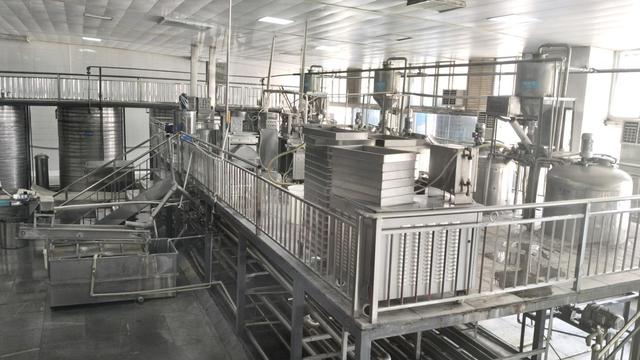
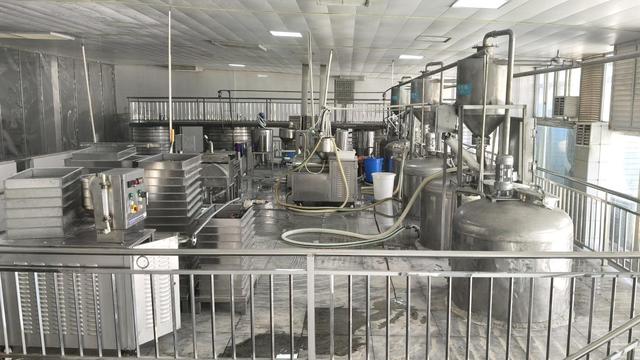
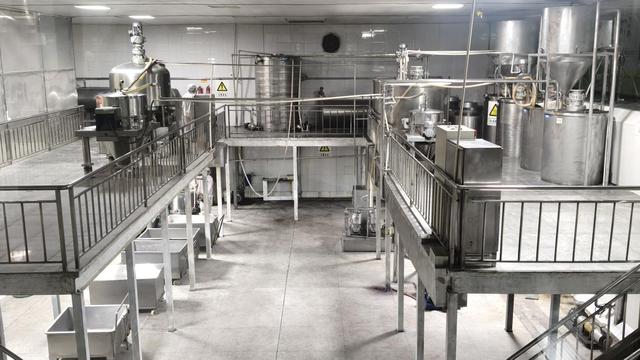
Dongguan Tsrel Biology Co., Ltd. is a professional China vegetal protein manufacturer specializing in the research, development, production, and supply of high-quality plant protein ingredients for food, beverage, and nutritional applications. With a strong focus on innovation, sustainability, and quality assurance, the company is dedicated to providing reliable plant-based ingredient solutions to customers worldwide.
Equipped with advanced manufacturing facilities and modern processing technologies, Dongguan Tsrel Biology offers a comprehensive range of vegetal proteins, including soy protein, pea protein, rice protein, wheat protein, and other specialty plant proteins. These ingredients are widely used in functional foods, nutritional supplements, sports nutrition products, dairy alternatives, meat alternatives, beverages, bakery products, and health food applications.
Innovation is a key driving force behind the company's growth. Supported by an experienced research and development team, Dongguan Tsrel Biology continuously explores new technologies and application solutions to meet the evolving demands of the global food and nutrition industries. The company also provides customized ingredient solutions to help customers optimize product formulations, improve nutritional profiles, enhance texture, and create clean-label products.
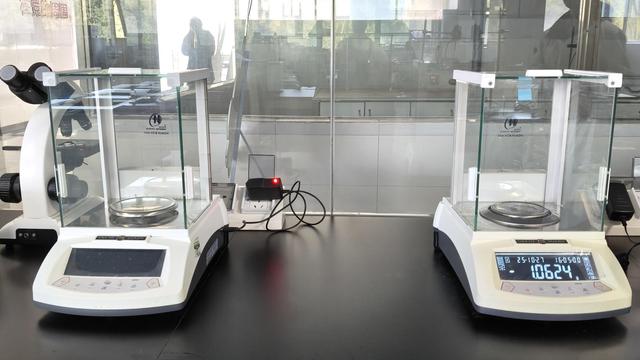
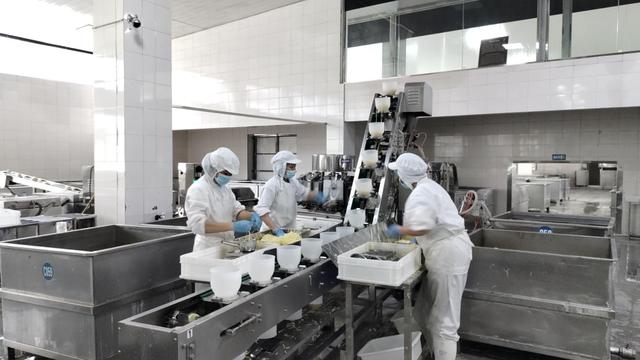
Quality and food safety are integrated into every stage of production. From raw material sourcing and processing to final testing and packaging, strict quality control procedures are implemented to ensure product consistency, purity, safety, and compliance with international standards. This commitment enables the company to deliver dependable products that meet the rigorous requirements of global customers.
With customer satisfaction at the center of its operations, competitive manufacturing capabilities, stable supply chains, and professional technical support, Dongguan Tsrel Biology Co., Ltd. has established long-term partnerships with food manufacturers, distributors, and brand owners across international markets. The company remains committed to advancing sustainable nutrition through innovative plant protein solutions for the global marketplace.

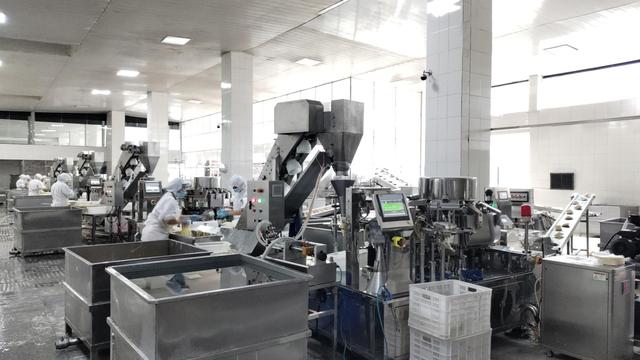


4. Multi-Sector Applications & Regional Customization
Algae protein solutions can be fine-tuned to fit the legal frameworks and consumer demands of various global markets.
In North America and Europe, the demand for clean-label, plant-based sports nutrition products is skyrocketing. In these markets, microalgae isolates are highly valued for their high concentrations of naturally occurring branched-chain amino acids (BCAAs), which aid in post-workout muscle recovery without triggering dairy allergies.
Meanwhile, in the Asia-Pacific region, functional beverages and ready-to-drink (RTD) powdered mixes dominate the functional foods sector. Here, manufacturers utilize enzymes to improve the solubility of algae proteins and apply natural odor-masking techniques (using green tea extracts or clean plant fibers) to soften the marine taste profiles that occasionally occur in untreated microalgae.
Finally, in aquaculture, probiotic-infused microalgae strains such as Chlorella are widely used to replace wild-caught fishmeal. This sustainable feed option significantly boosts the survival rates and immune defenses of farmed shrimp and fish without depending on marine resources.
5. Quality Control: Sourcing Guidelines for Global B2B Buyers
When sourcing bulk vegetal and algae proteins, professional buyers must look closely at product purity, safety documentation, and manufacturing consistency.
Because algae are exceptionally efficient at capturing materials from their environment, open-pond setups can easily absorb heavy metals (like lead, arsenic, and mercury) if the water sources and inputs aren't strictly regulated. Reliable manufacturers conduct ICP-MS analysis on every single batch to ensure heavy metal levels remain far below global limits.
Furthermore, verification by internationally recognized auditing bodies is essential. Key certifications like ISO 9001, Kosher, Halal, and Non-GMO Project Verified provide the necessary assurance for food and beverage brands looking to integrate these ingredients into their premium product lines without friction.
6. Frequently Asked Questions (FAQ)
Premium Organic Supplements & Specialized Proteins