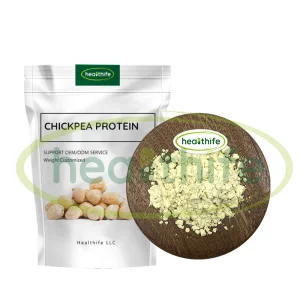
Featured Plant Protein Portfolio
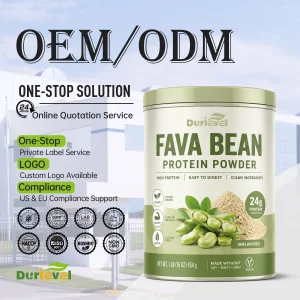
Vegan Fava Bean Protein Powder Unflavored NSF Organic USDA Non GMO Kosher Fast Sampling Custom Label Private Label OEM
View Details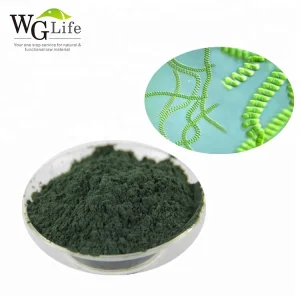
Pure Natural Raw Spirulina Algae Protein Powder 50%-90% Solvent Extracted Food Grade WGLIFE Brand Artificial Planting Drum
View Details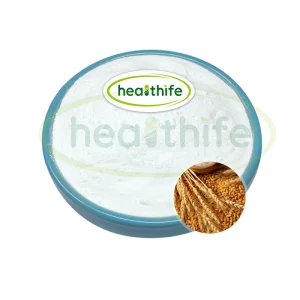
Healthife Factory Supply Food Grade Wheat Peptide 80% Hydrolyzed Wheat Protein Powder
View Details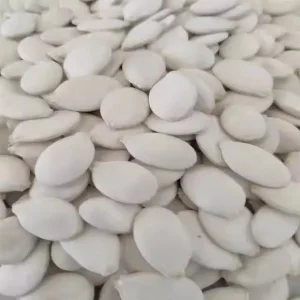
Natural Shine Skin Pumpkin Seeds Consistent Size Rich In Nutrients Available In Bulk Packaging
View Details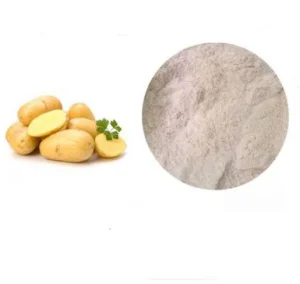
Top Quality Pure Natural Potato Protein Powder
View Details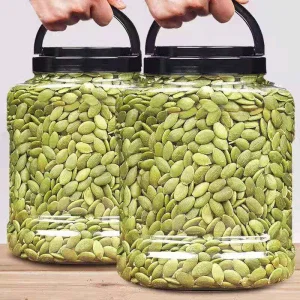
Hot Selling Bulk AD Dried Pumpkin Seeds Kernels Grade A Vacuum Pack Export Quality
View Details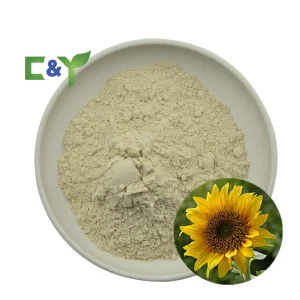
Factory Direct Supply Natural Food Grade Sunflower Protein 90% Protein Sunflower Seed Protein Powder
View Details
High Quality Food Grade Hydrolyzed Wheat Protein Powder Natural Extract Wheat Protein Powder Pure Wheat Protein 80%
View DetailsThe Global Commercial and Industrial Landscape of Chickpea Protein
The global plant-based protein ecosystem is undergoing a dramatic structural transformation. Historically dominated by soy and wheat, and later joined by yellow pea protein, food formulators and global procurement executives are actively seeking next-generation alternatives. Chickpea protein (Cicer arietinum) has emerged as one of the most promising candidates in this shift, offering an unparalleled combination of clean sensory profile, hypoallergenic status, and exceptional functional characteristics.
Industrial demand is primarily driven by three convergent megatrends: the rise of clean-label directives, strict allergen avoidance protocols (non-soy, non-gluten, non-dairy), and a push toward sustainable agriculture. Chickpeas are natural nitrogen fixers, meaning their cultivation restores soil health and reduces reliance on chemical fertilizers. Structurally, chickpea protein boasts an excellent oil-water binding capacity and emulsion stability, making it superior to soy in neutral-pH formulations like plant-based milks and yogurts.
| Functional Metric | Chickpea Protein | Soy Protein | Pea Protein |
|---|---|---|---|
| Allergen Status | Hypoallergenic (No major allergen declarations required) | Major Allergen (Requires warning labels in major regions) | Low Allergen Risk |
| Flavor Profile | Neutral, mild nutty notes; minimal beany off-flavors | Noticeable grassiness; often requires masking agents | Strong earthy/leguminous flavor profile |
| Solubility (Neutral pH) | High; stable in aqueous systems | Moderate to High; sensitive to heat gelation | Moderate; prone to sedimentation in drinks |
| Gelling & Emulsion | Excellent hot/cold gelation & fat binding properties | Strong gelling agent; high water retention | Moderate gelling; requires stabilizers |
Industry Megatrends and Evolution (2025–2030)
Looking toward 2030, the global food processing industry is transitioning away from highly processed meat and dairy alternatives toward minimally processed, nutrient-dense products. Chickpea protein is ideally positioned for this transition due to its nutritional composition. Containing all essential amino acids (with particularly high lysine and threonine values compared to cereals), chickpea protein isolate serves as a robust base for structural food engineering.
Organoleptic Optimization
Traditional legume processing suffers from lipoxygenase activity causing "beany" off-tastes. New dry and wet extraction methods inactive these enzymes early, yielding clean taste profiles without masking agents.
Enzymatic Hydrolysis
Precision enzymatic treatments break down proteins into bioavailable peptides, boosting digestion rates, solubility, and lowering allergen potential to near-zero levels.
Functional Hybridization
Co-processing chickpea protein with complementary proteins like fava bean, oat, or pumpkin seed creates optimal amino acid profiles with superior gelling properties.
Strategic Plant Protein Manufacturing: Corporate Profile
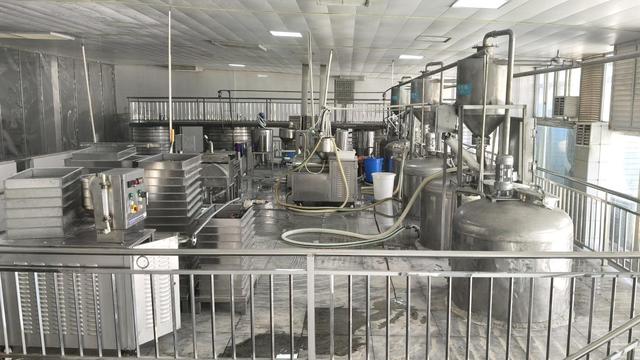
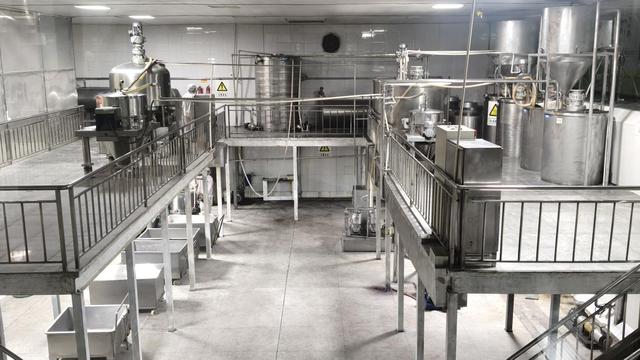
Dongguan Tsrel Biology Co., Ltd. is a professional China vegetal protein manufacturer specializing in the research, development, production, and supply of high-quality plant protein ingredients for food, beverage, and nutritional applications. With a strong focus on innovation, sustainability, and quality assurance, the company is dedicated to providing reliable plant-based ingredient solutions to customers worldwide.
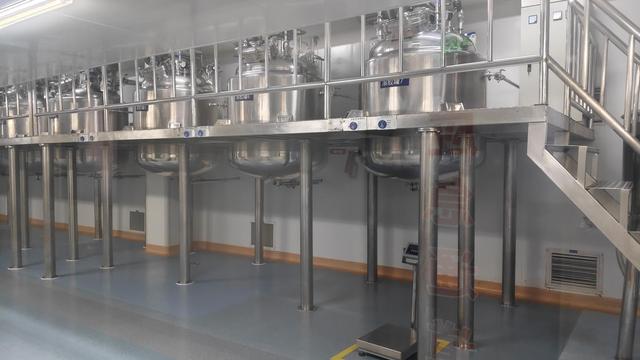
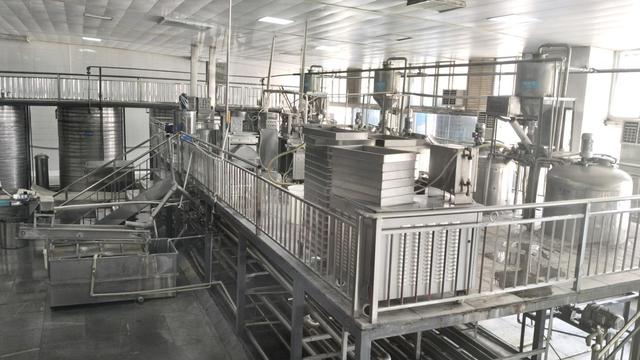
Equipped with advanced manufacturing facilities and modern processing technologies, Dongguan Tsrel Biology offers a comprehensive range of vegetal proteins, including soy protein, pea protein, rice protein, wheat protein, and other specialty plant proteins. These ingredients are widely used in functional foods, nutritional supplements, sports nutrition products, dairy alternatives, meat alternatives, beverages, bakery products, and health food applications.
Innovation is a key driving force behind the company's growth. Supported by an experienced research and development team, Dongguan Tsrel Biology continuously explores new technologies and application solutions to meet the evolving demands of the global food and nutrition industries. The company also provides customized ingredient solutions to help customers optimize product formulations, improve nutritional profiles, enhance texture, and create clean-label products.
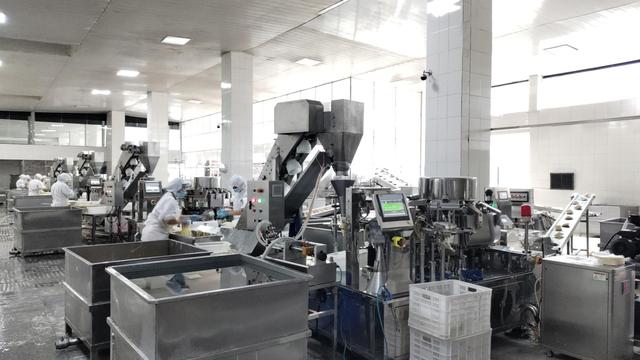
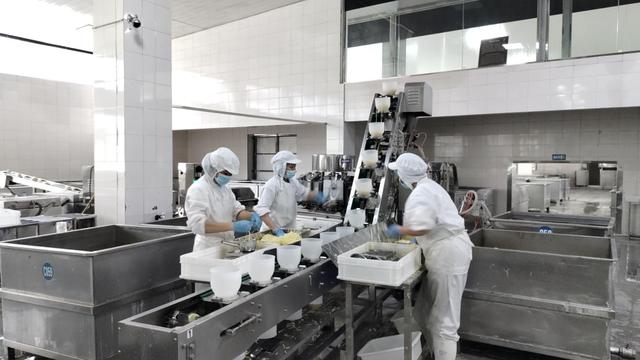
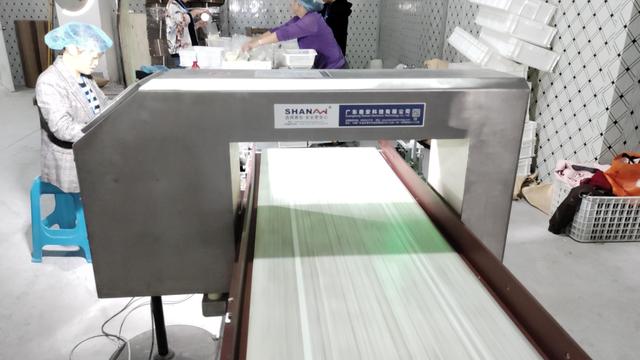
Quality and food safety are integrated into every stage of production. From raw material sourcing and processing to final testing and packaging, strict quality control procedures are implemented to ensure product consistency, purity, safety, and compliance with international standards. This commitment enables the company to deliver dependable products that meet the rigorous requirements of global customers.
With customer satisfaction at the center of its operations, competitive manufacturing capabilities, stable supply chains, and professional technical support, Dongguan Tsrel Biology Co., Ltd. has established long-term partnerships with food manufacturers, distributors, and brand owners across international markets. The company remains committed to advancing sustainable nutrition through innovative plant protein solutions for the global marketplace.
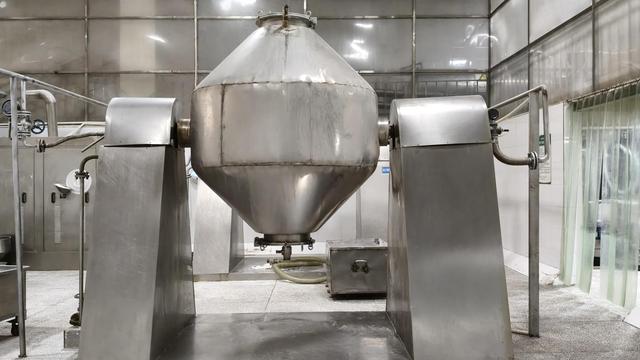
State-of-the-Art Production Facility Images

Technical Roadmap and Future Extraction Outlook
The extraction chemistry of chickpea protein determines its final quality. Current industrial operations use dry fractionation (based on air classification) and wet fractionation (alkaline extraction followed by isoelectric precipitation). Dry fractionation maintains the native state of the protein and yields a 55-65% protein concentrate, preserving natural enzymes and lipids. It is ideal for dry baking mixes but has limitations in solubility.
Conversely, wet extraction processes solubilize proteins at an alkaline pH (8.0–9.0) and precipitate them at their isoelectric point (pH 4.5). This yields isolates with purity above 80%. Innovation in China's top factories focused on replacing harsh chemicals with physical membrane filtration techniques like Ultrafiltration (UF) and Diafiltration (DF). These methods remove anti-nutritional factors like phytic acid and oligosaccharides, preventing digestional discomfort without degrading protein quality.
Phase 1: Raw Material Sourcing
Rigorous sourcing of non-GMO chickpeas. High starch-protein separation ratios are verified before processing to optimize subsequent yields.
Phase 2: Membrane Separation
Using advanced hollow-fiber membranes to isolate proteins without heat damage, preserving native structure and functional properties.
Phase 3: Thermal Treatment
Ultra-High Temperature (UHT) sterilization flash-pasteurizes the isolate, reducing microbial count while minimizing protein denaturation.
Localized Application Scenarios & Macro Industry Solutions
The functional properties of chickpea protein make it highly versatile across multiple industry sectors. Formulators can replace dairy, egg, and soy proteins in formulations where consumer preference shifts demand cleaner ingredient labels.
Plant-Based Dairy Alternatives
In vegan milks, creamers, and yogurts, chickpea protein provides a creamy texture and remains stable in low-pH and high-temperature environments. It resists curdling when mixed with hot coffee, resolving a major issue for plant-based milks.
Sports Nutrition & RTD Shakes
Ready-to-drink shakes require proteins that stay in suspension without settling. Micro-pulverized chickpea protein mixes easily, has a smooth mouthfeel, and matches soy protein's amino acid bio-availability.
Hypoallergenic Baked Goods
In gluten-free and allergen-free baking, chickpea protein acts as a binding agent, simulating the network structure of gluten. It helps retain moisture, extends shelf life, and yields an appealing golden crust.
Procurement FAQ: Technical & Sourcing Intelligence
Additional Specialty Plant Ingredients
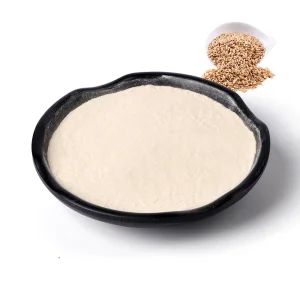
Factory Price Food Grade Oat Extract Protein Oligopeptide Pure Oatmeal Peptide Raw Powder
View Details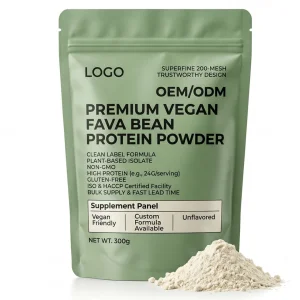
Premium Vegan Fava Bean Protein Powder Private Label Service Custom Formula Clean Label Bulk Supply ISO HACCP Fast Lead Time
View Details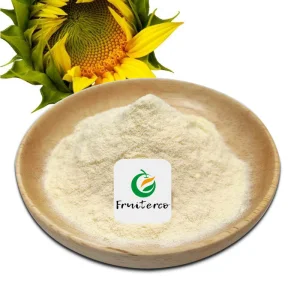
Wholesale 50% 60% 80% Vegan Protein Sunflower Seed Protein Powder Sunflower Protein
View Details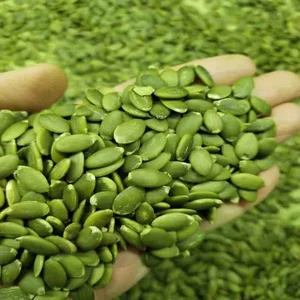
Premium Grade Pumpkin Seeds High Protein Superfood 99.5% Purity Non GMO Keto Friendly Rich in Zinc & Magnesium Low Moisture
View Details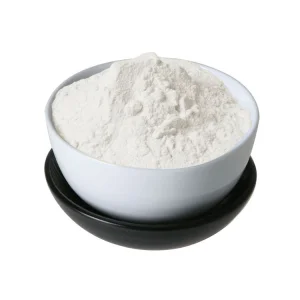
Wholesale Hot Sale Bulk Food Grade Hydrolyzed Rice Protein Powder
View Details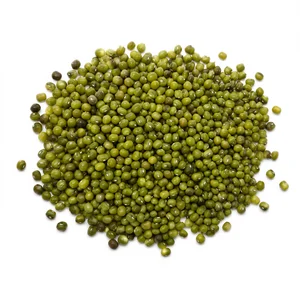
Bulk Dried Vigna Green Mung Beans Uzbekistan 2.8-4.0 Mm Clean Color Sorted Beans 3 Year Shelf Life Kayizen Brand For Food
View Details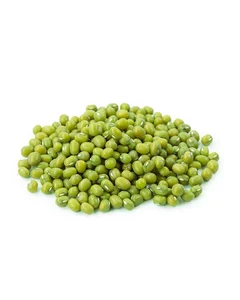
Green Mung Beans Bulk Supply Natural Whole Legumes With Private Label
View Details