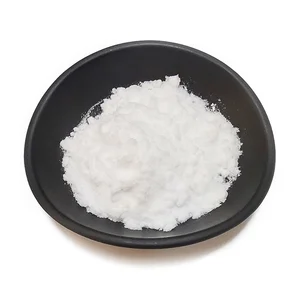
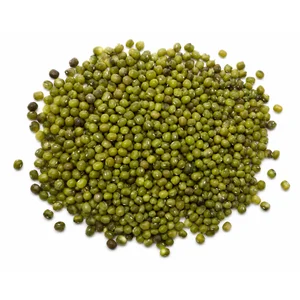
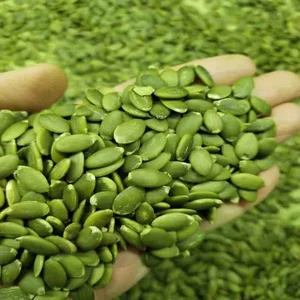
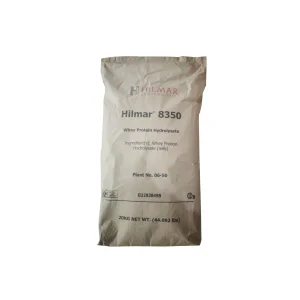
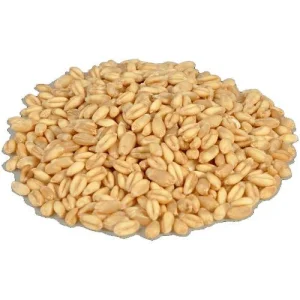
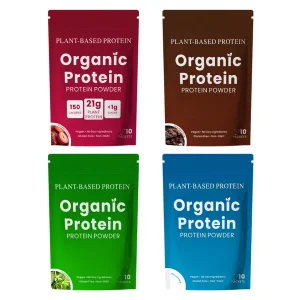
Featured Plant-Based & Industrial Proteins
Explore our diverse portfolio of botanical protein formulations and functional raw ingredients designed for global markets.
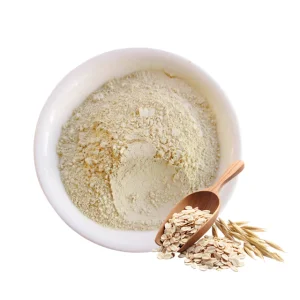
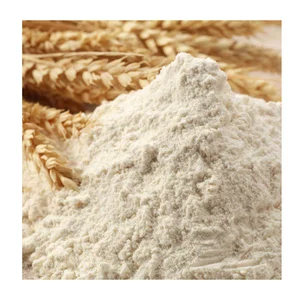
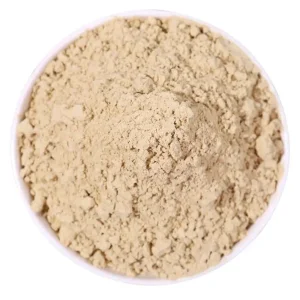
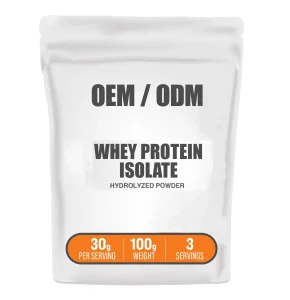
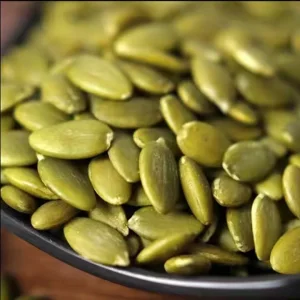

The Canola Protein Revolution: Industrial Dynamics & Market Scopes
Insights into the next frontier of botanical proteins: Cruciferin and Napin isolates derived from Brassica napus.
In the global transition toward sustainable nutrition, Canola Protein (commonly derived from rapeseed) has emerged as one of the most promising plant-derived macromolecules. Traditionally processed as a byproduct of oil extraction for animal feed, recent bioprocess engineering advancements have unlocked its potential as a highly functional, food-grade isolate. Containing two primary storage proteins—cruciferin (a 12S globulin) and napin (a 2S albumin)—canola protein features a balanced amino acid profile with high ratios of methionine and cysteine, making it highly complementary to other legumes like pea and soy.
As a leading China vegetal protein manufacturer, Dongguan Tsrel Biology Co., Ltd. is positioned at the intersection of agricultural science and industrial biotechnology. We are driving the commercialization of canola protein across international markets, addressing the core demands of clean-label formulation, hypoallergenicity, and sustainability. Our state-of-the-art facilities located in Dongguan enable highly precise protein extraction and fractionation to supply dependable plant-based solutions worldwide.
Dongguan Tsrel Biology Co., Ltd. is a professional China vegetal protein manufacturer specializing in the research, development, production, and supply of high-quality plant protein ingredients for food, beverage, and nutritional applications. With a strong focus on innovation, sustainability, and quality assurance, the company is dedicated to providing reliable plant-based ingredient solutions to customers worldwide.
Equipped with advanced manufacturing facilities and modern processing technologies, Dongguan Tsrel Biology offers a comprehensive range of vegetal proteins, including soy protein, pea protein, rice protein, wheat protein, and other specialty plant proteins. These ingredients are widely used in functional foods, nutritional supplements, sports nutrition products, dairy alternatives, meat alternatives, beverages, bakery products, and health food applications.
State-of-the-Art Canola Protein Extraction Roadmap
Industrial-scale fractionation process minimizing anti-nutritional factors while preserving native protein structures.
⚙️ Low-Temperature Defatting
Traditional oil extraction uses high heat, which denatures proteins. Our facility employs mild cold-press extraction and low-temperature solvent recovery to preserve the solubility and emulsification capacity of canola seeds.
🔬 Aqueous Fractionation
Using proprietary pH-shifting membrane filtration, we separate the storage proteins into Cruciferin-rich and Napin-rich streams. This enables highly specific functionalities suited for different food systems.
🛡️ Phytate & Glucosinolate Removal
By employing enzymatic treatment and targeted washing processes, we reduce glucosinolates, erucic acid, and sinapine to trace levels, eliminating the characteristic bitter taste and dark colors.
Innovation is a key driving force behind our growth. Supported by an experienced research and development team, Dongguan Tsrel Biology continuously explores new technologies and application solutions to meet the evolving demands of the global food and nutrition industries. The company also provides customized ingredient solutions to help customers optimize product formulations, improve nutritional profiles, enhance texture, and create clean-label products.
Macro Solutions & Localized Applications
How our industrial canola protein caters to diverse market segments with target functionalities.
🍔 Plant-Based Meat Alternatives
Due to its high water-binding and fat-emulsification properties, canola protein creates a cohesive matrix, simulating the mouthfeel of real animal protein in burgers, nuggets, and sausages.
🥛 Dairy Alternatives & Beverages
The high solubility of Napin fractions under acidic conditions makes canola protein ideal for nutritional shakes, sports drinks, and non-dairy yogurts without causing sedimentation.
🍰 Egg & Gluten Replacement
Canola protein isolates display exceptional foaming and gelling capabilities, serving as an excellent replacement for egg whites (albumen) in gluten-free bakery products.
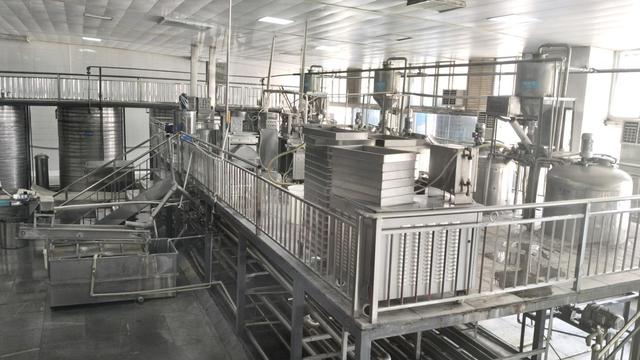
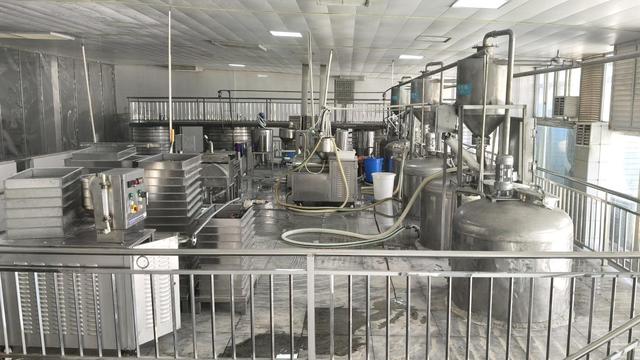
Industrial Scale & Quality Control Facility
Quality and food safety are integrated into every stage of production at Dongguan Tsrel Biology Co., Ltd.
From raw material sourcing and processing to final testing and packaging, strict quality control procedures are implemented to ensure product consistency, purity, safety, and compliance with international standards. This commitment enables the company to deliver dependable products that meet the rigorous requirements of global customers.







Strategic Evolution of the Canola Protein Market
A comparative and projection analysis of global plant-based protein sectors.
Supply Chain Security & Local Sourcing: The commercial plant protein landscape has historically suffered from monoculture dependencies, primarily centered on soy. However, geopolitical friction and climate volatility have forced food manufacturers to seek alternative protein isolates. Canola, being the second largest oilseed crop globally, provides an abundant, reliable, and decoupled supply chain. By utilizing the co-product stream of oil-crushing mills, canola protein manufacturing represents a milestone in circular economy frameworks.
Overcoming Organoleptic Barriers: One of the main challenges in adopting vegetal proteins is their associated off-flavors—specifically, beany notes in soy and grassy notes in pea. Canola protein, when extracted via advanced clean-label separation, possesses a neutral taste profile and a light color. This prevents formula adjustments and reduces the need for expensive taste-masking agents. For sports nutrition beverages requiring subtle flavors like vanilla or berry, this profile is a game-changer.
Macro Sustainability Profile: Lifecycle assessments indicate that canola protein production has a significantly lower carbon and water footprint compared to animal proteins and matches or beats soy protein, without the associated deforestation concerns. In alignment with global decarbonization policies, food developers can confidently declare canola protein as an eco-certified ingredient.
Frequently Asked Questions (FAQ)
Technical and commercial answers concerning our Canola Protein and vegetal protein services.
❓ Is Canola Protein allergen-free?
Yes. Unlike soy and wheat proteins, which are classified as major allergens globally, canola protein is not listed as a common allergen, making it highly suitable for hypoallergenic food formulas.
❓ How does the nutritional profile of canola protein compare to soy?
Canola protein has a high PDCAAS value close to 1. It is rich in sulfur-containing amino acids (methionine and cysteine), which are typically low in pea and soy proteins. Combining canola with other legumes creates a complete amino acid profile.
❓ What is the solubility of your canola protein isolates?
Our canola protein isolates exhibit excellent solubility across a wide range of pH levels (especially between pH 3.0 and pH 7.0), making them highly suitable for both neutral and acidic beverages.
❓ What certifications does your manufacturing facility hold?
Our facilities are ISO9001 certified and implement strict HACCP and GMP procedures to ensure safety, traceability, and consistent quality for international exports.
❓ Do you offer customization options for specific food applications?
Yes, we provide customized formulation assistance. Our R&D team works directly with clients to optimize solubility, gelling properties, and texture profile analysis (TPA) for final products.
Explore Our Full Range of Botanical Ingredients
High-purity isolates, functional fibers, and customized nutritional compounds.