
B.C.I SUPPLY Potato Starch/potatoes Extract Powder / Potato Protein Powder

Product Description

Potato Starch Powder Banner

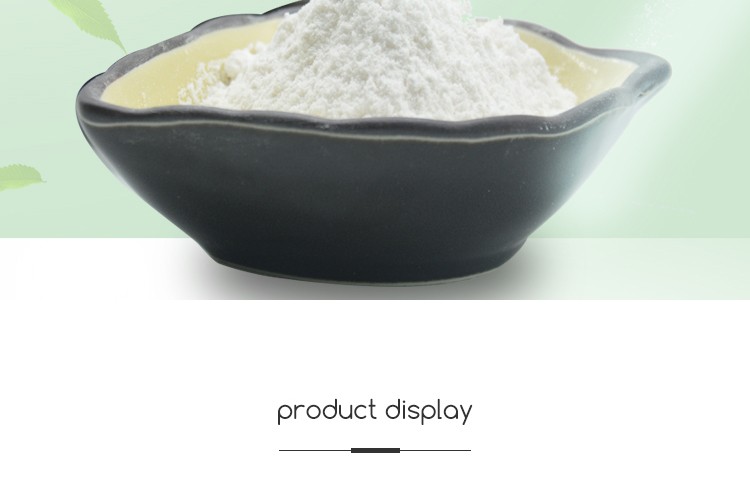
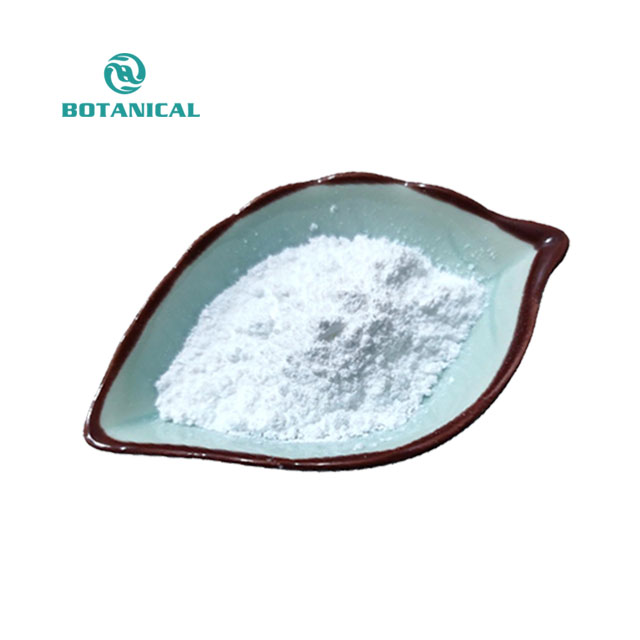
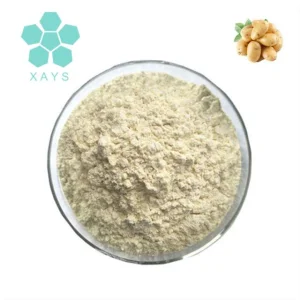
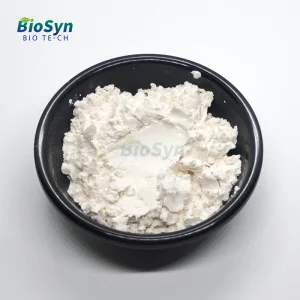
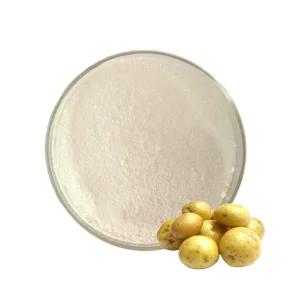
Potato Starch Powder

🔬

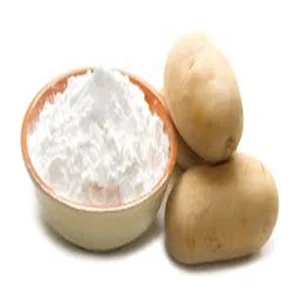
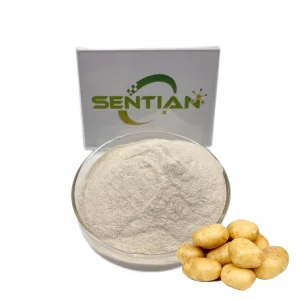
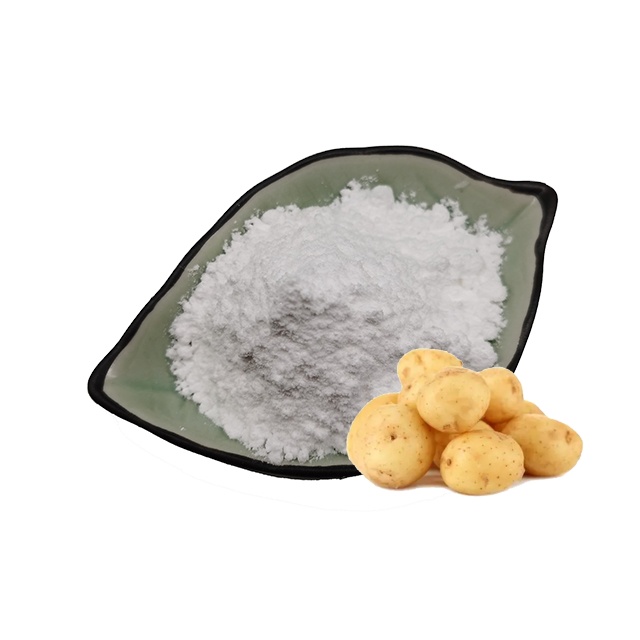
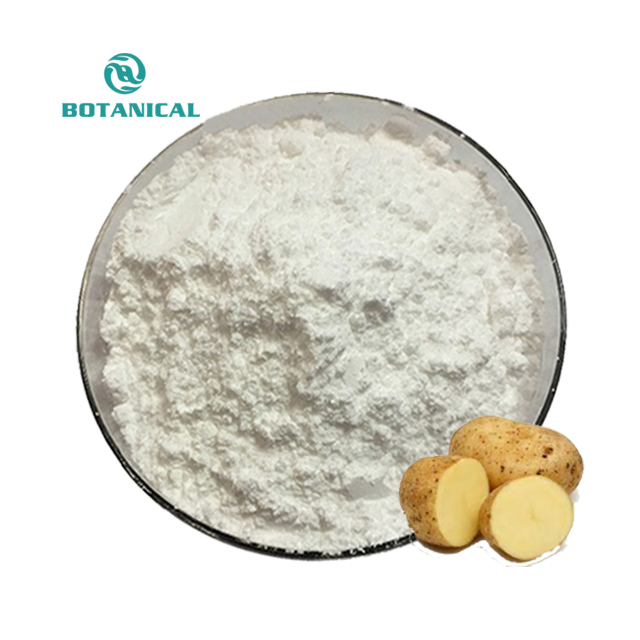
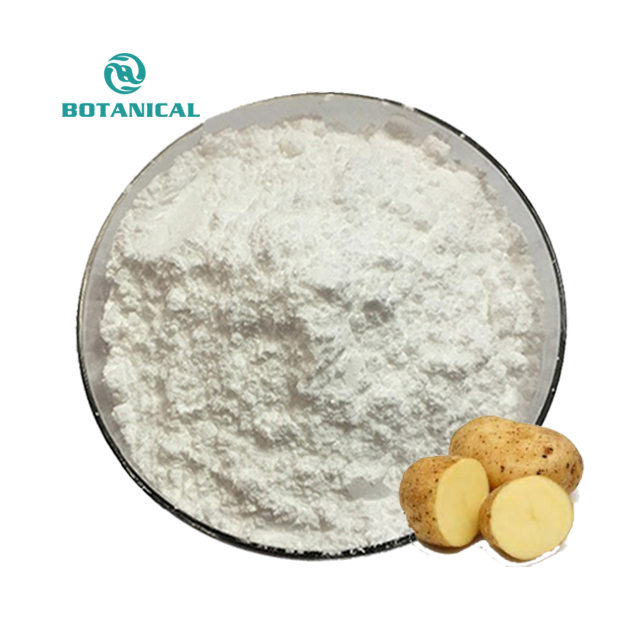
Potato Starch is obtained by washing clean potato powder, filtering, sedimenting, and drying the resulting sediment, which can be used as a thickening agent. Potato Flour is also commonly referred to as potato starch, not to be confused with the two. Although not as thick as Potato Flour for thickening, it retains moisture in some baked goods. Potato Flour is heavier than Potato Flour. Potato flour still tastes like potatoes, whereas Potato Flour has no noticeable taste.
Potato Starch Specifications
Product name Potato starch
Appearance White powder
Ingredients Protein
Specification 85%min
Detection method TLC
COA Available
Shelf life 2 years proper storage
Application field Food
Potato Starch Premium Quality
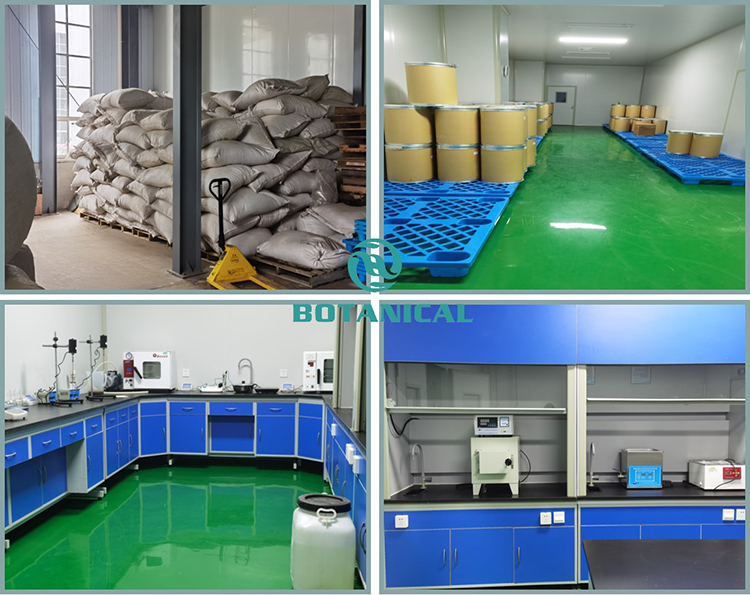
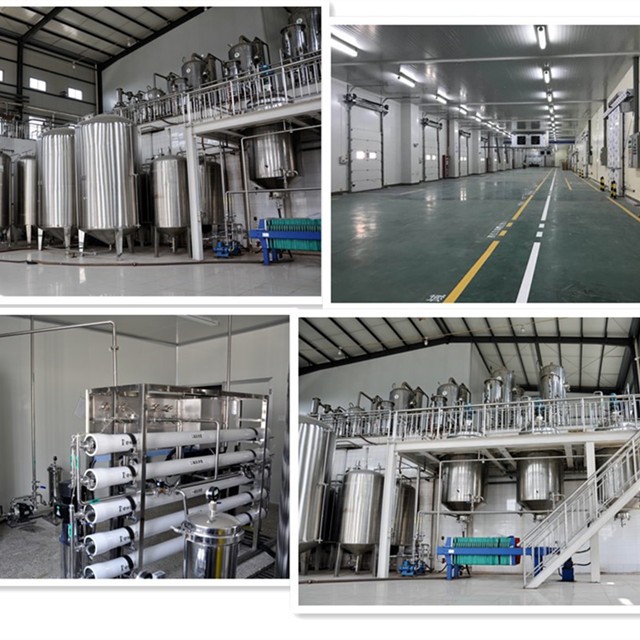
Potato Processing
Starch Filtration
Finished Starch Powder
Potato Starch Production Line
🍬 1. Application in Candy

In confectionery, potato starch is used as a filler and icing.

🍝 2. Application in Pasta

Adding potato starch to the dough will increase the toughness of the dough, increase the elasticity, increase the water absorption rate, and reduce the oil content of the dough.

🥩 3. Application in Meat Products

Since the transparency of potato starch gelatinization is very high, it can prevent the color change of meat products.

🥛 4. Application in Dairy Products

Yogurt made with added potato starch has good flavor and increased eating quality.

Starch Application Testing
Potato Starch Properties
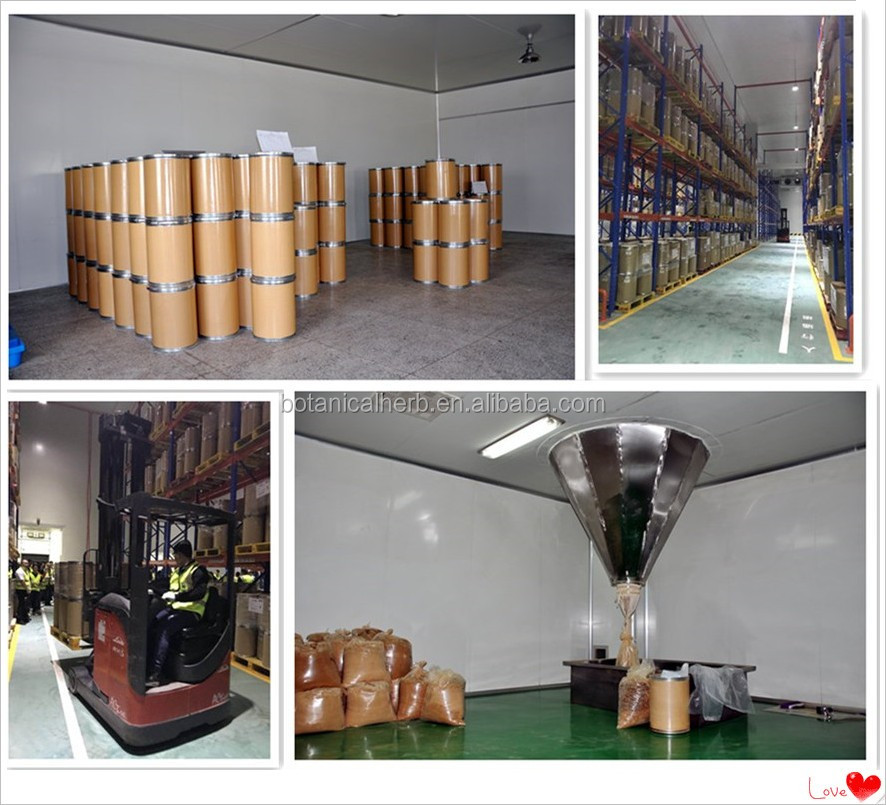
Potato Starch Storage
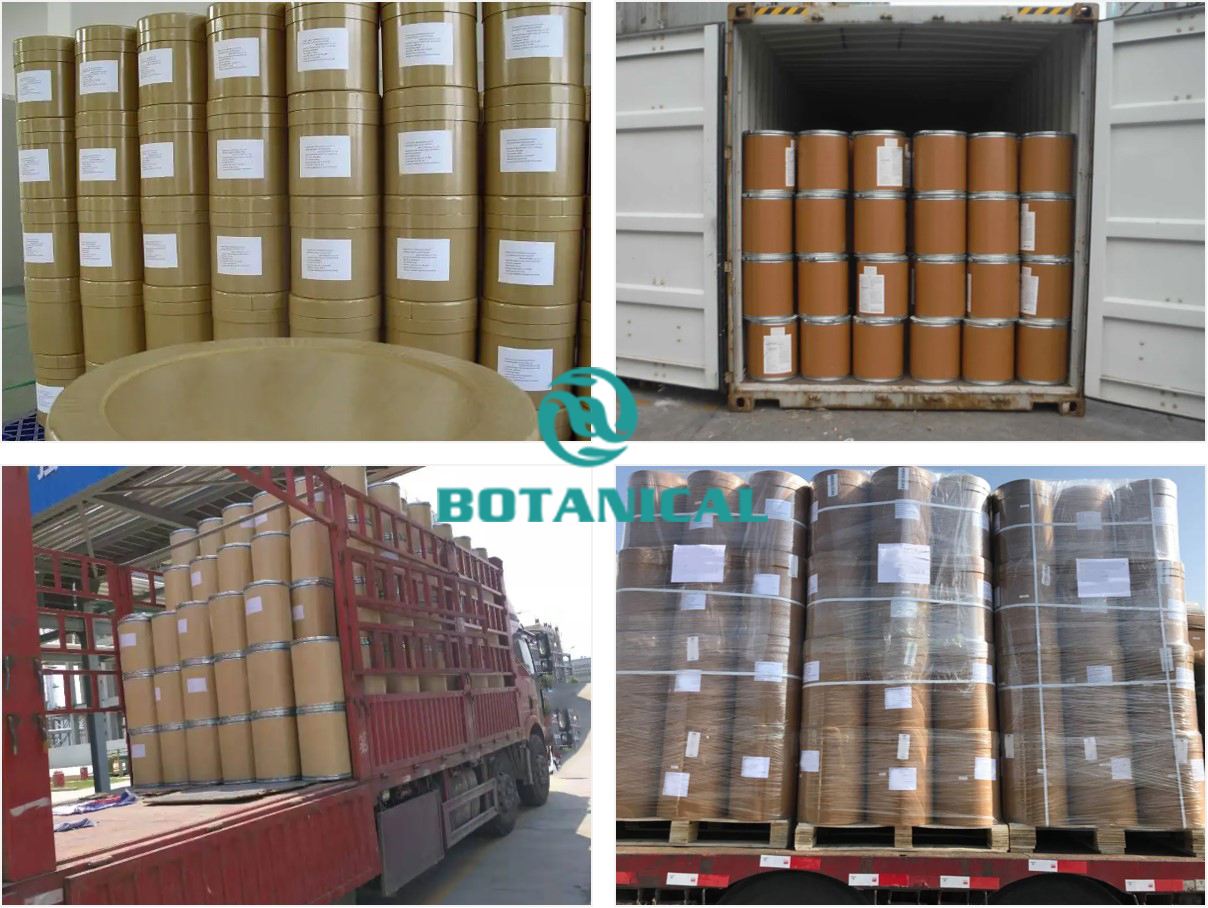
Starch Packaging

Frequently Asked Questions

Q1: What is the main difference between Potato Starch and Potato Flour?
A1: Potato Starch is extracted through a washing and sedimentation process, resulting in a flavorless powder with high starch purity. Potato Flour is made from whole dehydrated potatoes, retaining a distinct potato taste and a heavier density.
Q2: How does Potato Starch function as a thickening agent?
A2: Potato Starch gelatinizes at relatively low temperatures with high transparency and viscosity, making it an excellent thickener for various food items, though it retains moisture slightly differently than potato flour in baking.
Q3: How is Potato Starch used in pasta and dough formulations?
A3: When added to dough, it increases dough toughness, enhances elasticity, improves water absorption capacity, and helps lower the overall oil absorption rate.
Q4: Why is Potato Starch preferred in meat and dairy products?
A4: In meat products, its high gelatinization transparency prevents color shifts. In dairy products like yogurt, it enhances viscosity, optimizes mouthfeel, and stabilizes flavor.
Q5: What are the storage conditions and shelf life of the starch?
A5: Under proper, cool, and dry storage conditions, the product maintains its specifications and quality for a shelf life of up to 2 years.
Q6: What is the primary specification and protein content?
A6: The specification standard ensures a minimum purity of 85%, verified by TLC (Thin Layer Chromatography) detection methods to confirm suitability for food application fields.

Related Products