1. The Strategic Shift in Egypt's Industrial Protein Landscape
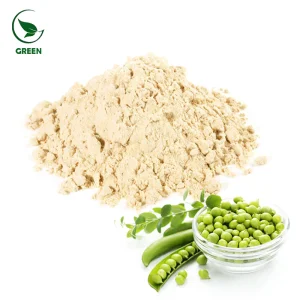
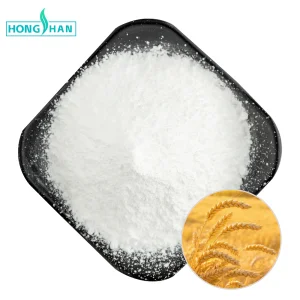
Egypt is currently witnessing a deep industrial transformation within its food processing, nutritional supplement, and personal care sectors. Driven by Egypt Vision 2030, local industrial conglomerates in 10th of Ramadan City, 6th of October City, and Sadat City are aggressively moving to localize the production of high-value formulations. Historically reliant on unprocessed raw imports, Egyptian manufacturers are discovering that hydrolyzed plant proteins (HPP) represent the key to unlocking premium product exports across North Africa and the GCC.
Economic parameters such as global supply chain pressures and fluctuating exchange rates have incentivized Egyptian food processors to optimize production costs while elevating nutritional profiles. Hydrolyzed plant proteins, specifically derived from pea, wheat, and soy, present an unparalleled opportunity for import substitution. These highly functional ingredients offer functional characteristics like superior water binding, fat emulsification, and clean-label integrity that raw flours cannot match. The shift toward plant-based proteins is no longer just a global trend; it has become an operational and economic necessity within Egypt's modern processing facilities.
2. Localized Industrial Application Scenarios in Egypt
Hydrolyzed plant proteins function differently depending on the matrix in which they are integrated. Here is how our Egyptian partners are currently utilizing these high-performance ingredients:
Processed Meats & Halal Charcuterie
In Egypt's large-scale processed meat industries, maintaining yield, flavor, and texture is paramount. Our hydrolyzed vegetable proteins (HVP) and hydrolyzed pea proteins act as natural flavor enhancers, delivering a rich umami profile that reduces the need for monosodium glutamate (MSG). Furthermore, their excellent moisture retention prevents water loss during thermal processing, improving texture and shelf life in local beef burgers, luncheon meats, and traditional sausages.
Dairy Alternatives & High-Solubility Beverages
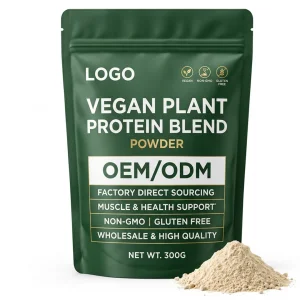
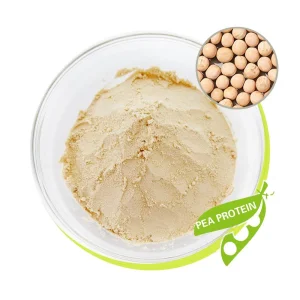
With a rising demand for lactose-free and plant-based dairy alternatives in metropolitan hubs like Cairo and Alexandria, the solubility of plant protein is a critical challenge. Raw pea proteins often exhibit a gritty texture and poor dispersion. Our enzymatic hydrolysis process breaks down complex globulin proteins into smaller, highly soluble bioactive peptides. This guarantees a smooth, sediment-free mouthfeel in plant-based milks, yogurts, and ready-to-drink (RTD) protein shakes.
Cosmetic & Hair Care Formulations
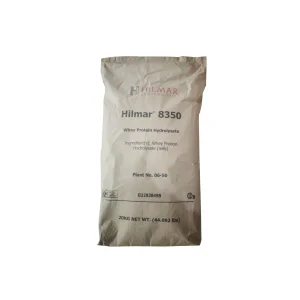
Egypt’s cosmetic manufacturing sector is globally renowned, exporting extensively to the Middle East and Africa. Hydrolyzed wheat protein has emerged as an essential ingredient in professional hair repair treatments, shampoos, and skin care lines. The low molecular weight peptides migrate easily into the hair shaft, repairing cuticle damage, reducing breakage, and forming a protective barrier against the harsh, dry Egyptian climate.
"By utilizing enzymatically controlled hydrolyzed wheat protein, Egyptian personal care brands have reported a 40% increase in hair tensile strength during laboratory stress tests compared to standard soy-based alternatives."
3. Technical Roadmap: The Enzymatic Hydrolysis Advantage
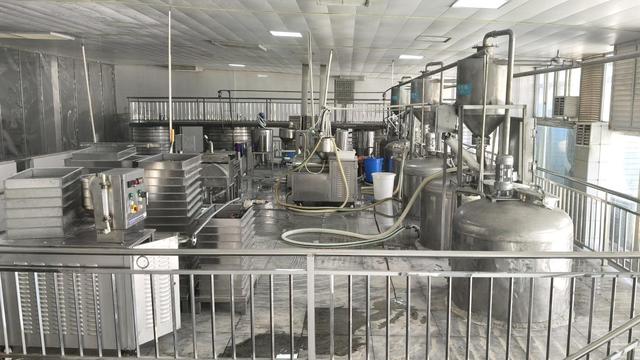
Not all hydrolyzed plant proteins are created equal. The method of hydrolysis dictates the functionality, flavor, and safety of the final product. While traditional manufacturers rely on acid hydrolysis—which can generate undesirable chemical byproducts like 3-MCPD (3-monochloropropane-1,2-diol) and lead to a harsh, salty flavor profile—our factory utilizes state-of-the-art enzymatic proteolysis.
Enzymatic hydrolysis uses highly specific endopeptidases and exopeptidases to cleave peptide bonds at precise locations. This targeted approach allows us to control the Degree of Hydrolysis (DH). By regulating DH, we can tailor the protein's properties:
- Low DH (3-8%): Ideal for emulsification and foaming properties, perfect for bakery and dairy-free whip applications.
- Medium DH (8-15%): Delivers balanced water-binding capacity, optimal for processed meats and structural food matrices.
- High DH (15%+): Maximizes solubility and rapid metabolic absorption, designed specifically for clinical nutrition and sports recovery drinks.
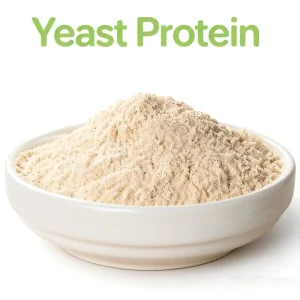
Our technological roadmap also incorporates modern flavor-masking steps. By utilizing specific peptidases that selectively remove hydrophobic amino acids from the terminal ends of the peptide chains, we effectively eliminate the characteristic bitter notes associated with pea and yeast proteins, yielding a neutral, clean-label raw ingredient.
4. Supply Chain Resilience: The Dongguan Tsrel Biology Advantage
For Egyptian purchasing directors, supply chain reliability is just as critical as product specifications. Dongguan Tsrel Biology Co., Ltd. stands as a premier China vegetal protein manufacturer, operating a robust supply chain built to withstand global shipping disruptions and market volatility.
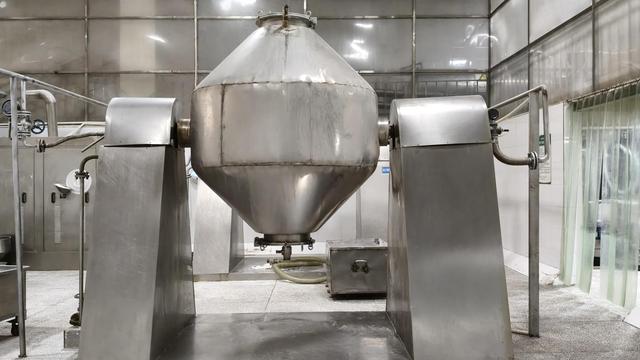
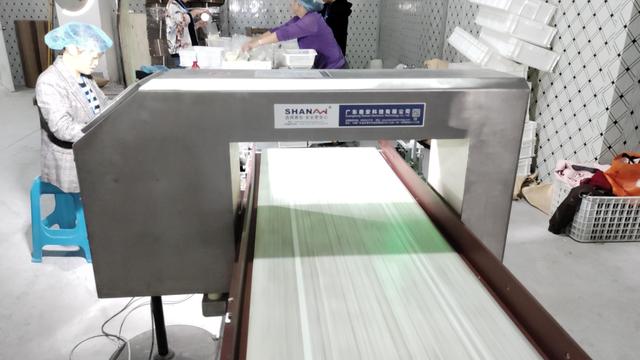
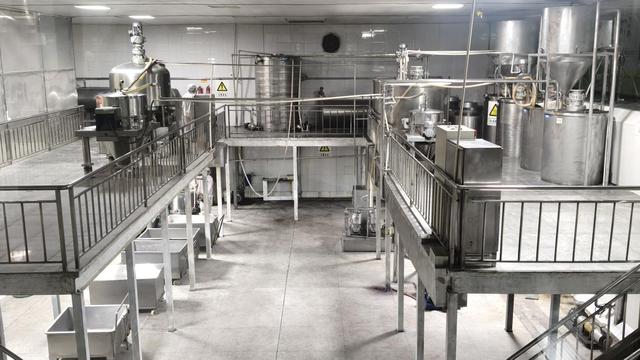
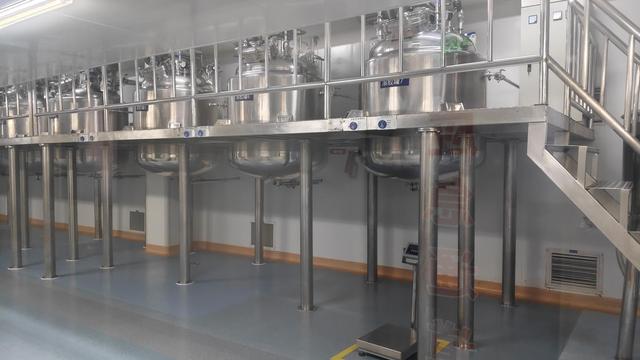
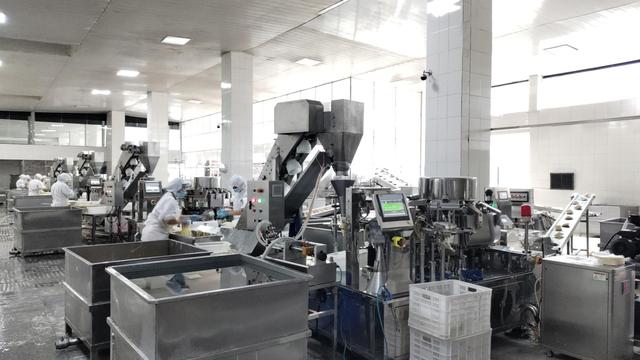
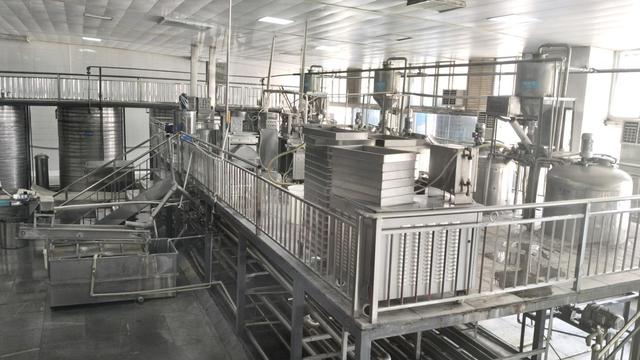
Our manufacturing facility in China utilizes automated raw material extraction and purification systems, providing a steady supply of high-grade raw ingredients. Our strategic location near primary shipping ports allows for efficient routing to major Egyptian ports like Alexandria, Damietta, and Sokhna Port. By maintaining a deep inventory of raw agricultural inputs (organic non-GMO pea, high-gluten wheat, and certified whey), we ensure stable pricing and delivery schedules, isolating our partners in Egypt from wild commodity price swings.
5. Egyptian Regulatory Compliance & Local Support
Successfully importing raw ingredients into Egypt requires compliance with strict regulatory frameworks. Dongguan Tsrel Biology provides complete documentation to streamline clearance processes at Egyptian customs:
- National Food Safety Authority (NFSA) Compliance: We provide full traceability documentation, Certificate of Analysis (COA), and Heavy Metal limits compliant with NFSA regulations.
- Halal & Kosher Certifications: Essential for the Egyptian market, our production processes are regularly audited and certified by leading Halal bodies, ensuring seamless integration into Halal-certified food lines.
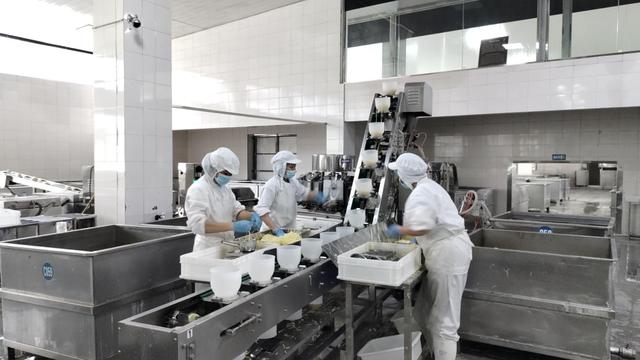
- ISO 22000, HACCP, and GMP: Our manufacturing facility is governed by internationally recognized food safety management systems, ensuring consistent batch quality.
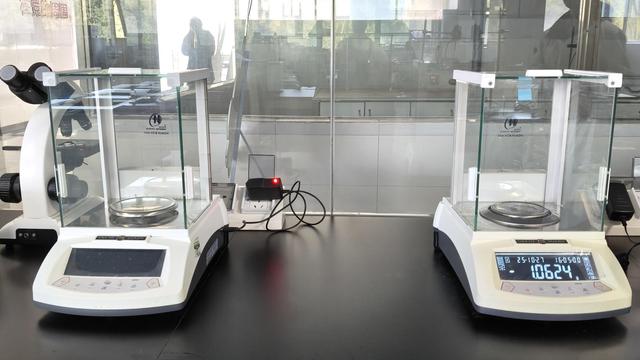
Additionally, our application engineers offer remote formulation support. If you are reformulating a beverage or meat product in Giza or Cairo, we can simulate the matrix in our R&D lab to optimize the dosage and recommend the ideal plant protein blend for your specific target viscosity and protein load.