Spotlight Ingredients for the Lisbon Market
Engineered for high functionality, premium digestibility, and compliance with the rigorous food safety regulations of Southern Europe.
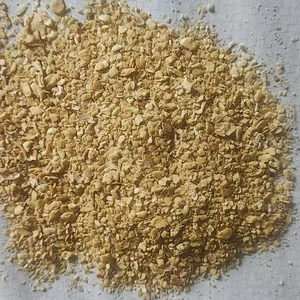


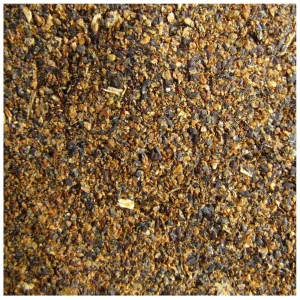
Whitepaper: Accelerating Lisbon's Plant Protein Transition
A comprehensive analysis of localized demand, manufacturing innovations, and global procurement strategies for canola and rapeseed protein formulations.
1. Lisbon's Commercial & Food Processing Eco-system
The city of Lisbon is rapidly establishing itself as a principal hub for food science innovation and sustainable gastronomy in Southern Europe. Driven by shifting consumer values, strict EU climate targets, and a flourishing culinary landscape, Portuguese food processors and manufacturers are increasingly looking to diversify away from traditional animal-based ingredients. The Lisbon metropolitan area, with its proximity to critical maritime logistics routes through the Port of Lisbon (Porto de Lisboa), acts as a strategic gatekeeper for the distribution of industrial food-grade proteins across the Iberian Peninsula.
Historically dependent on soy imports, Lisbon's modern foodtech sector is actively seeking soy-alternatives to avoid allergen labeling and genetic modification concerns. This has catalyzed an unprecedented interest in canola and rapeseed protein isolates. These botanical alternatives present an optimal solution, combining an exceptional amino acid profile with superior functional properties—specifically gelling, binding, and emulsion stability. Lisbon's burgeoning artisanal and industrial manufacturers of vegan cheese, traditional plant-based bacalhau alternatives, and premium dairy substitutes require highly soluble, clean-tasting protein bases that do not alter the delicate organoleptic qualities of their end-products.
B2B Sourcing Insight: Canola protein offers a Protein Digestibility-Corrected Amino Acid Score (PDCAAS) close to 1.0, matching dairy and egg white proteins. This biological equivalence allows Lisbon processors to declare true nutritional density on packaging labels, satisfying the demands of health-conscious European consumers.
2. Global Sourcing Trends & The Rise of Canola Protein
On a global scale, the plant-based protein market is undergoing a structural evolution. While soy and pea proteins continue to represent significant market share, canola protein (derived from the seeds of Brassica napus) has emerged as the next-frontier botanical ingredient. The global plant protein market is projected to surpass USD 20 billion by 2030, with canola protein showing the highest compound annual growth rate (CAGR) among oilseed-derived proteins.
Crucially, the global supply chain is demanding resilient crops that are resistant to climatic volatility. Rapeseed crops, extensively cultivated in temperate zones, offer a highly stable agricultural yield compared to delicate pulse crops. Industrial extraction technologies have solved historical challenges associated with canola protein, such as the removal of antinutritional compounds like phytates, glucosinolates, and phenolic compounds. The resulting isolates are pale, neutral in flavor, and rich in cruciferin and napin—two major proteins that exhibit superb thermodynamic gelling behavior.
3. Technical Analysis: Rapeseed vs. Canola Protein Functionality
From a biochemical perspective, the distinction between crude rapeseed protein and highly refined canola protein isolate is fundamental to procurement decisions. The following dataset highlights the comparative performance parameters critical to food scientists and plant managers operating in the Lisbon agricultural and food formulation industries.
| Functional Parameter | Hydrolyzed Canola Isolate | Rapeseed Protein Concentrate | Standard Soy Protein Isolate | |
|---|---|---|---|---|
| Protein Content (Dry Basis) | ≥ 90% | 60% - 75% | ≥ 90% | |
| Emulsifying Capacity | Excellent (High Napin Fraction) | Moderate | Good | |
| Allergen Status (EU Annex II) | Hypoallergenic / Exempt | Hypoallergenic / Exempt | Contains Allergen (Soy) | |
| Gelling Temperature | 70°C - 75°C | 80°C - 85°C | 75°C - 80°C | |
| Taste Profile | Neutral, Low Astrigency | Mildly Herbaceous | Beany / Characteristic Soy |
Secondary Processing & Industrial Feedstock
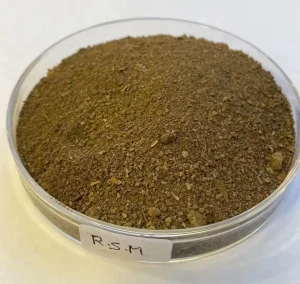
High-purity botanical raw materials optimized for livestock nutrition, aquaculture feed formulation, and eco-packaging solutions.
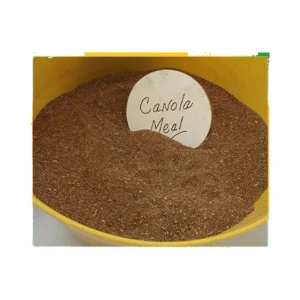
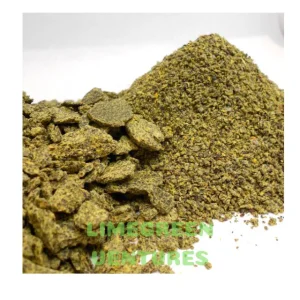
The China Factory Efficiency Advantage: Dongguan Tsrel Biology
In the highly competitive botanical ingredients sector, the ability to deliver consistent product quality at scale is a critical success factor. Dongguan Tsrel Biology Co., Ltd. serves as a leading plant protein manufacturer in China, leveraging state-of-the-art processing systems to meet the demands of international clients, including those in the metropolitan region of Lisbon.
Our manufacturing advantage stems from a combination of geographical positioning, vertical integration, and advanced automation. Located in Dongguan, a key industrial powerhouse, Tsrel Biology maintains direct relationships with premium raw material sourcing networks. This allows for rigorous quality control at the agricultural level, ensuring all inputs for our canola and rapeseed isolates are non-GMO and free from harmful pesticide residues.
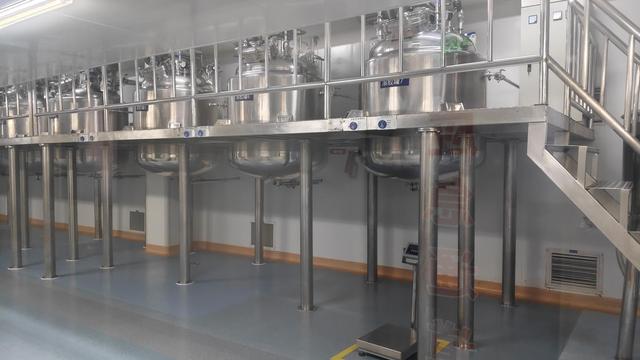
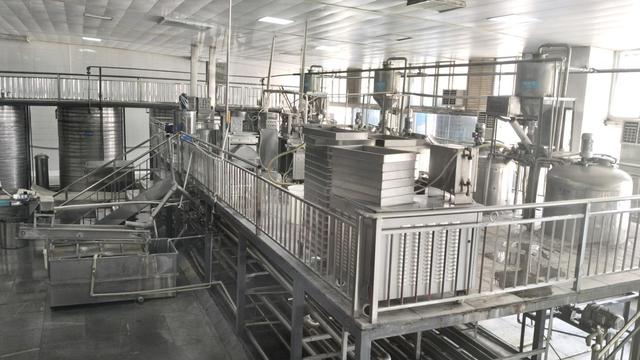
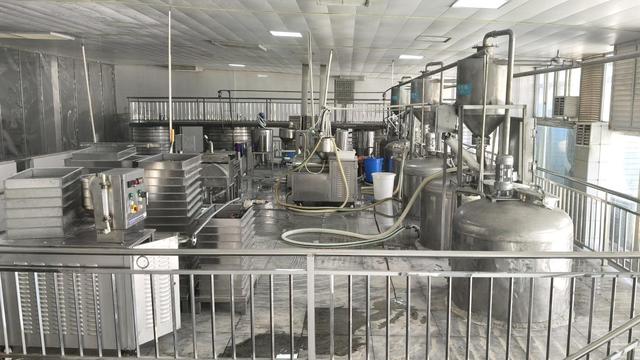
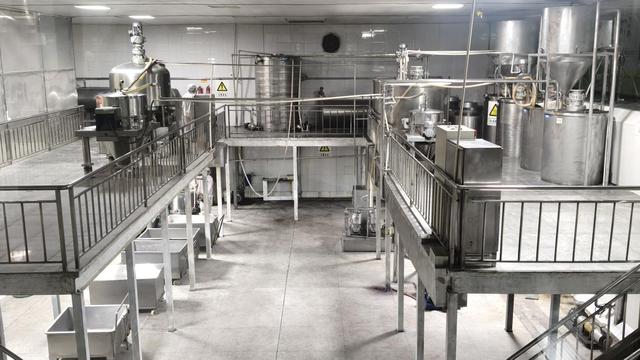
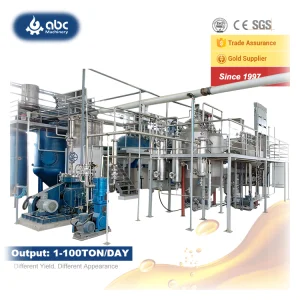
The manufacturing facility is equipped with automated enzymatic hydrolysis systems, continuous multi-stage centrifugal separators, and ultrafiltration membrane arrays. Unlike conventional, resource-heavy facilities, our processing loops are designed to minimize water consumption and recover valuable co-products, such as food-grade refined oil and specialized dietary fiber. This technological infrastructure allows us to achieve high extraction yields while maintaining the structural integrity of the target proteins, producing isolates with excellent emulsifying, foaming, and gelling properties.
Logistical Excellence: By utilizing the container freight channels of the Pearl River Delta, Dongguan Tsrel Biology guarantees seamless transit routes to the Port of Lisbon. We handle all complex customs declarations, phytosanitary certifications, and EU compliance verifications to ensure hassle-free port clearance.
Localized Applications in Lisbon's Key Sectors
Developing plant-based products for the Portuguese market requires an understanding of regional dietary habits and industrial manufacturing processes.
- Plant-Based Seafood: Portugal has one of the highest per-capita fish consumption rates globally. Lisbon-based food startups are innovating in the plant-based seafood sector, where canola protein serves as an ideal base. Its unique gelling properties help mimic the flakey, delicate texture of codfish (bacalhau) without imparting off-flavors.
- Vegan Pastry & Bakery: Lisbon's traditional bakeries demand high-performance egg replacers for custards and puff pastries. The foaming and water-binding capacity of hydrolyzed canola isolates provides the necessary structure and aeration.
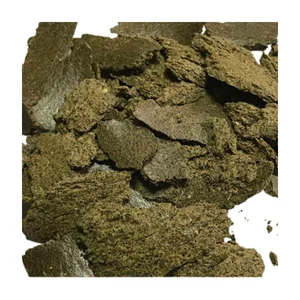
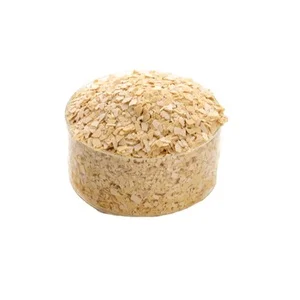
- Aquaculture Feeds: With Portugal's coast supporting a growing marine aquaculture industry, our high-protein rapeseed cake and meal products offer a cost-effective, sustainable alternative to traditional fishmeal, supporting healthy growth rates in farmed species.
Advanced Production Facility & R&D Center
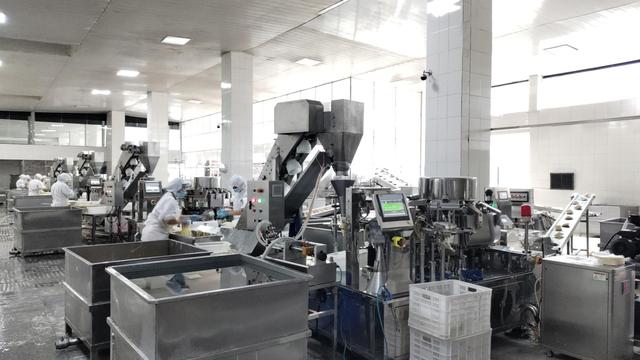
Step inside Dongguan Tsrel Biology's state-of-the-art refining, extraction, and quality control departments.




Frequently Asked Questions
Technical and regulatory insights for procurement managers, food scientists, and distribution partners in Lisbon and Europe.
What is the regulatory status of Canola Protein Isolate within the European Union?
Canola (Rapeseed) protein isolate is authorized as a Novel Food ingredient under European Commission regulations (specifically Regulation EU 2015/2283). It is approved for use in a wide variety of food applications including meat alternatives, dairy substitutes, bakery products, and health supplements, provided it complies with specified maximum levels and labeling requirements.
How does canola protein perform in terms of taste and color compared to soy?
Unlike soy, which can have a strong, beany flavor requiring masking agents, our canola protein isolate has a neutral, clean flavor profile. It displays a pale yellow or off-white color that blends easily into applications like dairy-free beverages, plant-based spreads, and sports powders without affecting the visual appeal of the final product.
What quality management standards does Dongguan Tsrel Biology adhere to?
Our facilities follow strict international standards, including ISO 9001, ISO 22000, and HACCP certifications. Every production batch undergoes comprehensive laboratory analysis for heavy metals, microbial limits, and pesticide residues. We provide a detailed Certificate of Analysis (CoA) with every shipment bound for Lisbon ports.
What is the typical shipping lead time from China to the Port of Lisbon?
For FCL (Full Container Load) shipments dispatched from Shenzhen or Guangzhou ports, transit time to the Port of Lisbon generally ranges between 28 and 35 days. We also offer air freight services for sample verification and urgent production requirements, with delivery taking 5 to 7 business days.
Are custom formulations or packaging options available for Lisbon food brands?
Yes, our R&D team can customize protein concentrations, hydrolysis levels, and functional profiles (such as optimized solubility or foaming) to meet specific recipe needs. We support various industrial packaging options, including 25kg multi-wall paper bags, flexible bulk bags (FIBCs), and retail-ready canister packaging.
Industrial Raw Materials & Processing Equipment
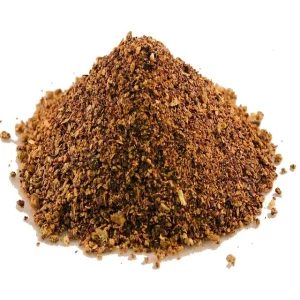
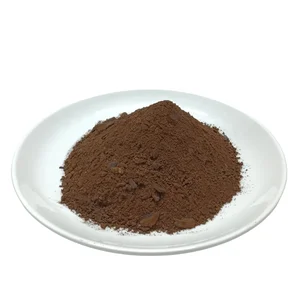
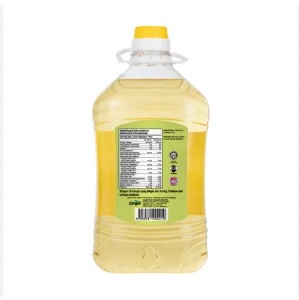
Our comprehensive portfolio of oilseed press cake, proteins, refined oils, and packaging solutions engineered for global food supply chains.

Connect with Our Technical Sourcing Engineers
Optimize your formulation, request specific Certificates of Analysis (CoA), and obtain customized commercial quotes for delivery to Lisbon metropolitan areas.
Send Inquiry Now