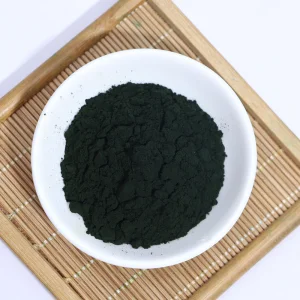
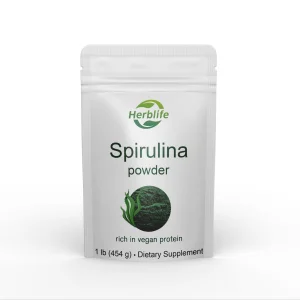
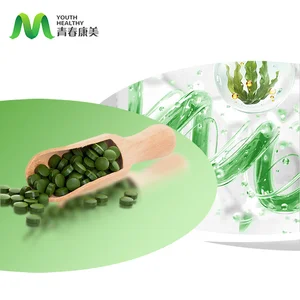
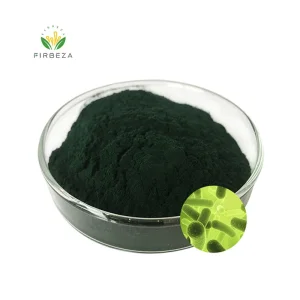
Key Products for the Chittagong Industrial Sector
Highly bioavailable proteins and high-performance enzymes customized for local aquaculture, nutrition, and food production applications.
Executive Whitepaper: The Global Algae Protein Paradigm Shift
An authoritative analysis of microalgae bio-refinery and its strategic relevance to South Asian industrial supply chains.
In the face of global climate volatility, intensifying resource constraints, and shifting consumer expectations, the global food and agricultural feed industries are undergoing an unprecedented transition. Traditional protein sources—primarily beef, poultry, soy, and wild-harvested fishmeal—are increasingly burdened by environmental, economic, and logistical vulnerabilities. Within this shifting paradigm, algae protein (primarily derived from microalgae species such as Spirulina platensis and Chlorella vulgaris) has transitioned from a niche dietary supplement to a cornerstone of modern industrial bio-refining and nutritional engineering.
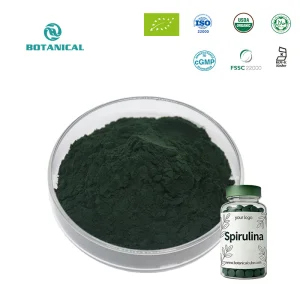
Microalgae represent an evolutionary leap in protein synthesis. Unlike terrestrial crops, they do not compete for arable land, exhibit photosynthetic efficiency rates up to ten times higher than typical C4 plants, and can be cultivated using circular water management systems. For industrial buyers, the appeal of algae protein lies not only in its sustainability metrics, but in its exceptional biochemical profile. Offering a complete amino acid matrix, high digestibility (PDCAAS), and rich concentrations of bio-functional lipids (such as GLA), pigments (phycocyanin, chlorophyll), and essential micronutrients, algae protein is uniquely positioned to solve complex formulation challenges across human nutrition and industrial aquaculture.
SEO Insight & Information Gain: While generic market analyses focus solely on vegan consumer trends, industrial procurers in major hubs like Chittagong must evaluate microalgae through the lens of structural supply chain resilience, heat-stable processing tolerance, and local regulatory alignment (such as Halal and Kosher certifications for food processing inputs).
The Biochemical Matrix: Why Microalgae Outperforms Traditional Plant Proteins
When engineering functional foods or high-performance feeds, density and availability are key. Microalgae proteins offer structural advantages over soy and wheat:
- Complete Essential Amino Acid Profile: Unlike single-plant isolates which often lack lysine or methionine, microalgae (particularly high-grade Spirulina extract) supply all nine essential amino acids in ratios that mirror animal-derived proteins.
- Allergen-Free Status: As food manufacturers face increasing pressure to eliminate soy and gluten (the major allergens in modern plant-based foods), microalgae provides a clean-label, hypoallergenic alternative.
- Bioactive Pigmentation: The presence of phycocyanin—a powerful natural blue pigment and antioxidant—adds significant functional value, offering immune-modulatory benefits in both aquaculture feeds and human dietary supplements.
Complete Amino Acid Matrix
Contains optimal levels of Lysine, Methionine, and Threonine, critical for both human metabolic pathways and aquatic larval growth profiles.
Clean-Label & Non-GMO
Cultured under strict control systems, ensuring complete traceability, absence of pesticide residues, and non-GMO compliance.
Advanced Thermal Stability
Engineered to retain structural integrity during high-temperature extrusion processes common in feed manufacturing and food extrusion.
Chittagong’s Industrial Landscape: The Hub of Aquaculture & Food Processing
Analyzing the commercial demands of Bangladesh’s primary port city and economic gateway.
As the commercial capital of Bangladesh and home to the country’s busiest seaport, Chittagong (Chattogram) serves as the vital gateway for international trade, chemical raw materials, and agricultural inputs. The region is home to some of the country’s largest industrial conglomerates, advanced milling operations, and food-processing hubs. Historically dominated by the ready-made garment (RMG) supply chain, Chittagong’s industrial base is rapidly diversifying into high-value food manufacturing, processed consumer goods, and intensive commercial aquaculture.
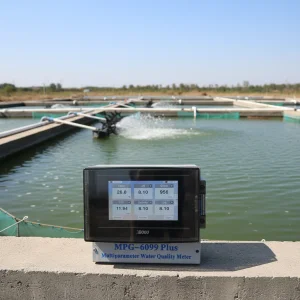
The geographic proximity of Chittagong to the coastal belts of Cox's Bazar, Satkhira, and the Sundarbans makes it the operational headquarters for Bangladesh’s multi-billion-dollar shrimp and fish farming sectors. The local aquaculture industry, historically reliant on traditional low-yield practices, is undergoing rapid intensification. Shrimp hatcheries and commercial feed mills are transitioning to intensive and semi-intensive farming systems. To sustain this growth, there is an urgent, localized demand for high-quality, biosecure inputs that can replace volatile, wild-caught fishmeal while simultaneously optimizing the Feed Conversion Ratio (FCR).
The Feed Security Challenge in Chittagong: Local feed mills struggle with rising import costs for traditional proteins and unpredictable quality. By integrating premium microalgae powders like Spirulina and bio-stabilized enzymes, local operators can significantly boost survival rates in shrimp larvae (PL-15 stages) and reduce susceptibility to devastating viral outbreaks (such as White Spot Syndrome Virus).
Strategic Import Infrastructure & Logistics
For manufacturers exporting ingredients from China to Chittagong, logistics are highly streamlined. The Port of Chittagong handles over 90% of Bangladesh’s import-export trade. Containerized shipments of industrial protein powders, vacuum-packed spirulina, and microbial additives travel via direct shipping lanes from major Chinese hubs like Shenzhen and Guangzhou, arriving at the Chittagong port within 12 to 15 days. This rapid transit, combined with efficient customs clearance protocols for essential agricultural inputs, ensures that local manufacturers can maintain lean inventory structures without risking supply disruptions.
China Factory 4.0: Supply Chain Resilience & Extraction Efficiency
How Dongguan Tsrel Biology Co., Ltd. leverages smart manufacturing to deliver world-class bio-ingredients.
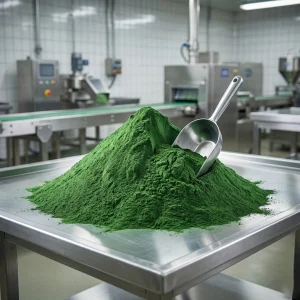
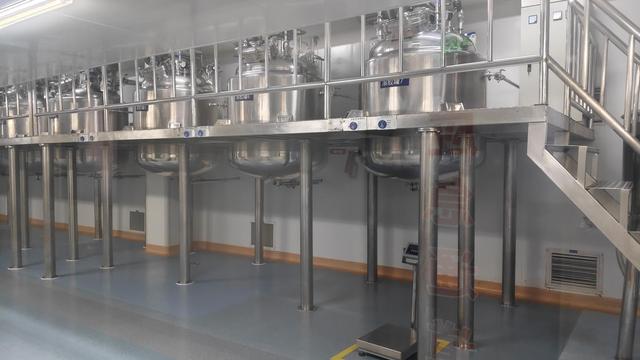
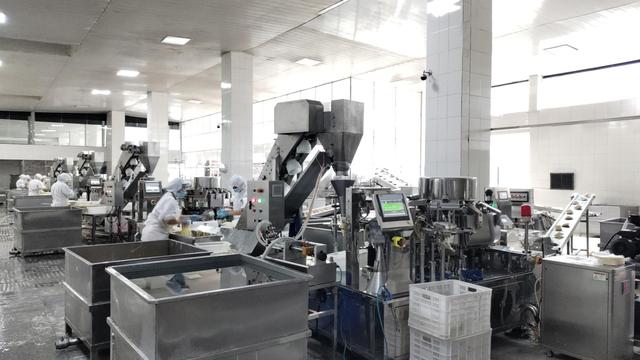
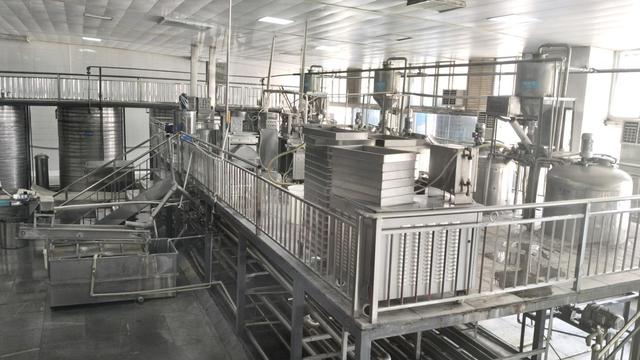
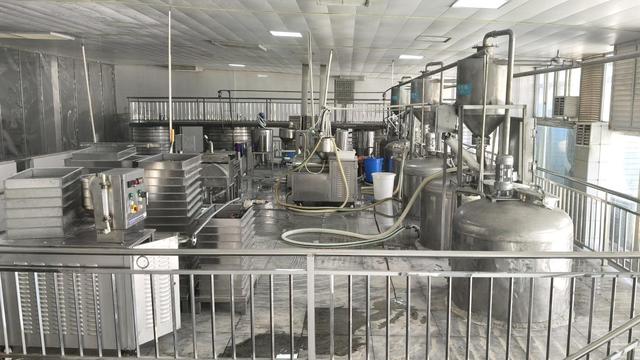
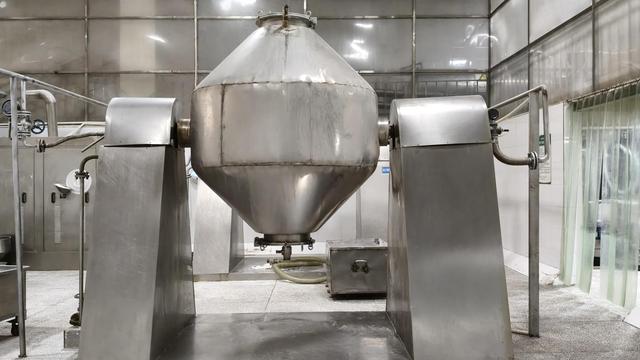
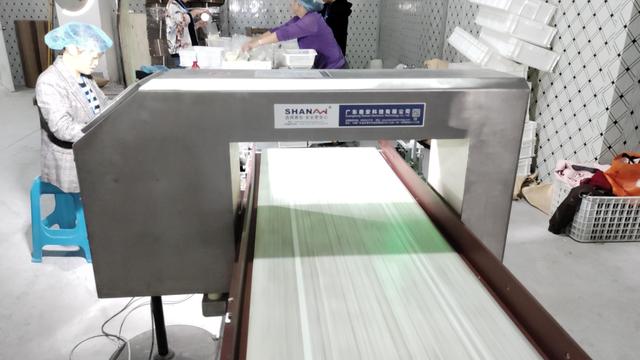
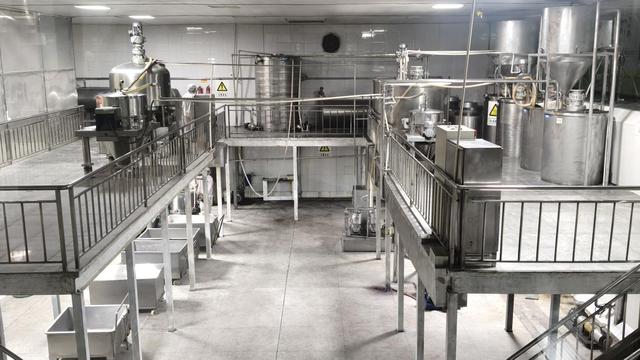
In the highly competitive market for plant and microalgae proteins, manufacturing precision is the defining factor that separates premium ingredients from substandard bulk powders. Dongguan Tsrel Biology Co., Ltd. represents the vanguard of China's "Factory 4.0" revolution, utilizing automated bioreactors, smart closed-loop extraction systems, and advanced vacuum spray drying technologies. This sophisticated technological infrastructure ensures that the delicate cell-wall structures of microalgae are broken down efficiently without degrading the heat-sensitive bioactive compounds, proteins, and essential lipids contained within.
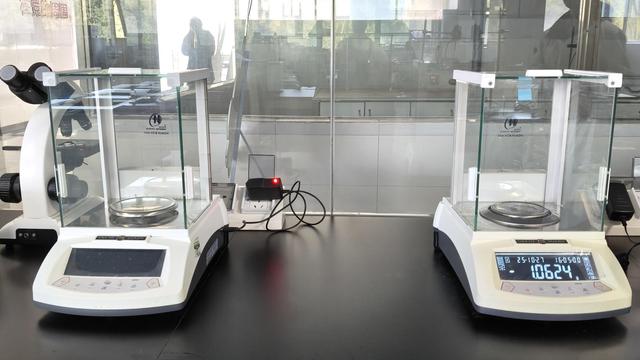
Smart manufacturing also translates to robust quality control. From the initial cultivation stage in sealed, monitored environments to final vacuum-packaging, every batch of protein powder undergoes rigorous analytical testing. High-performance liquid chromatography (HPLC) and inductively coupled plasma mass spectrometry (ICP-MS) are used to verify amino acid profiles and guarantee the absolute absence of heavy metals, pesticide residues, and microbiological contaminants. This level of quality control is essential for Chittagong-based exporters who manufacture finished seafood and agricultural products destined for highly regulated markets in the European Union, the United States, and Japan.
Certifications & Global Compliance Standards
Dongguan Tsrel Biology operates under a comprehensive global compliance framework, ensuring seamless integration into the international food supply chain. Our facilities and products hold the following key certifications:
- Halal & Kosher Certifications: Essential for the food processing sector in Bangladesh and the wider Middle Eastern and South Asian markets.
- ISO 9001 & ISO 22000: Establishing rigorous standards for quality management systems and food safety hazard analysis.
- GMP (Good Manufacturing Practices): Ensuring that all dietary supplement ingredients are produced under strict pharmaceutical-grade environmental controls.
- Non-GMO Project Verification: Guarantees that our pea and microalgae proteins are free from genetically modified organisms, meeting clean-label requirements worldwide.
By pairing advanced biotechnology with automated manufacturing, Dongguan Tsrel Biology minimizes production variables, stabilizes cost structures, and offers highly competitive bulk pricing. In an era of global shipping disruptions and volatile raw material costs, our stable manufacturing capacity in China offers Chittagong buyers a secure, long-term sourcing partnership.
Localized Application Scenarios in the Chittagong Market
Translating microalgae biotechnology into practical solutions for regional businesses.
1. Commercial Shrimp and Fish Aquaculture (Cox’s Bazar - Chittagong Belt)
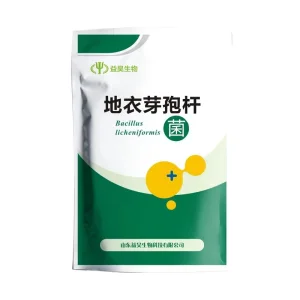
The intensive cultivation of black tiger shrimp (Penaeus monodon) and giant freshwater prawn (Macrobrachium rosenbergii) in the coastal areas of Chittagong division requires highly specialized feeds. Integrating premium spirulina powder and Bacillus Licheniformis probiotics into larval feeds significantly enhances survival rates, accelerates growth phases, and improves post-larval stress resistance. The carotenoid pigments present in spirulina also improve the coloration of harvested shrimp, directly translating to higher market premiums on the international export market.
2. Protein Fortification in Urban Food & Beverage Processing
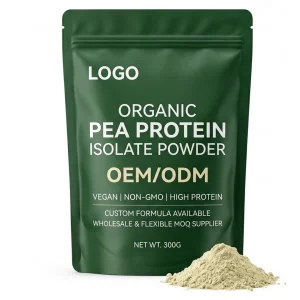
Chittagong’s expanding urban population is driving demand for healthy, convenient, and functional foods. Local bakery chains, beverage manufacturers, and dairy alternative producers are actively seeking plant-based protein isolates to enrich their product lines. Our Organic Pea Protein Isolate and Yeast Protein Powder offer exceptional emulsification, high water-binding capacity, and a neutral sensory profile, allowing local food scientists to develop protein-enriched biscuits, functional juices, and plant-based milks tailored to the local palate.
3. Commercial Bakery & Maltose Syrup Production
In industrial baking and confectionery operations throughout Chittagong, optimizing fermentation and crumb structure is critical for cost efficiency. The utilization of Food Grade Fungal Alpha-Amylase enzymes derived from selected strains of Aspergillus oryzae accelerates starch breakdown, feeds yeast cells during fermentation, improves loaf volume, and extends the shelf-life of packaged baked goods. This enzyme application is vital for high-volume bakeries serving the dense urban populations of Chittagong and Dhaka.
| Protein Source | Protein Density (%) | Essential Amino Acids (EAA) | Digestibility (PDCAAS) | Environmental Footprint (CO2 / Land / Water) | Allergen & Halal Status |
|---|---|---|---|---|---|
| Spirulina Extract (Microalgae) | 60% - 70% | Complete & Balanced | 0.90 - 0.95 (High) | Ultra-Low (Photosynthetic) | Allergen-Free / Halal Certified |
| Pea Protein Isolate | 80% - 85% | High (Limiting Methionine) | 0.85 - 0.90 | Low (Nitrogen-Fixing Crop) | Hypoallergenic / Halal Certified |
| Soy Protein Isolate | 90% | Complete | 1.00 | High (Arable Land Intensive) | Major Allergen / Halal Certified |
| Wild Fishmeal | 65% - 72% | Complete | 0.95 | High (Depletes Marine Stocks) | Allergen (Fish) / Varies |
Dongguan Tsrel Biology Co., Ltd.
A professional vegetal protein manufacturer specializing in the research, development, and supply of high-quality plant and microalgae protein ingredients.
Dongguan Tsrel Biology Co., Ltd. is a professional China vegetal protein manufacturer specializing in the research, development, production, and supply of high-quality plant protein ingredients for food, beverage, and nutritional applications. With a strong focus on innovation, sustainability, and quality assurance, the company is dedicated to providing reliable plant-based ingredient solutions to customers worldwide.
Equipped with advanced manufacturing facilities and modern processing technologies, Dongguan Tsrel Biology offers a comprehensive range of vegetal proteins, including soy protein, pea protein, rice protein, wheat protein, and other specialty plant proteins like spirulina and chlorella extracts. These ingredients are widely used in functional foods, nutritional supplements, sports nutrition products, dairy alternatives, meat alternatives, beverages, bakery products, and health food applications.
Innovation is a key driving force behind the company's growth. Supported by an experienced research and development team, Dongguan Tsrel Biology continuously explores new technologies and application solutions to meet the evolving demands of the global food and nutrition industries. The company also provides customized ingredient solutions to help customers optimize product formulations, improve nutritional profiles, enhance texture, and create clean-label products.
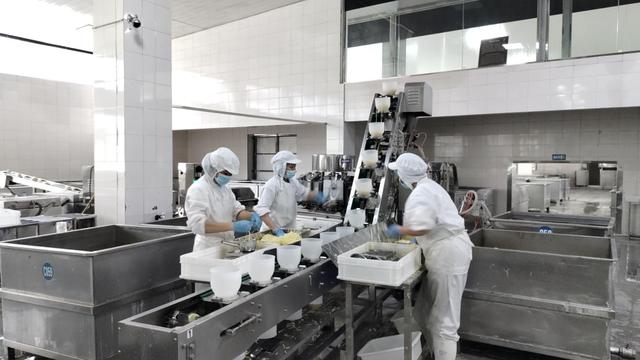
Quality and food safety are integrated into every stage of production. From raw material sourcing and processing to final testing and packaging, strict quality control procedures are implemented to ensure product consistency, purity, safety, and compliance with international standards. This commitment enables the company to deliver dependable products that meet the rigorous requirements of global customers.
With customer satisfaction at the center of its operations, competitive manufacturing capabilities, stable supply chains, and professional technical support, Dongguan Tsrel Biology Co., Ltd. has established long-term partnerships with food manufacturers, distributors, and brand owners across international markets, including serving key growth regions like the Chittagong commercial and industrial sectors.
Frequently Asked Questions (FAQ)
Detailed answers to technical, commercial, and logistical queries regarding microalgae protein imports for the Chittagong market.
Browse Our Full Bio-Ingredient Portfolio
High-purity organic spirulina, specialized yeast proteins, and advanced enzymes for international industrial supply chains.