High-Purity Functional Ingredients & Extracted Isolates
The Evolution of Global Soy Protein Isolate Manufacturing
An authoritative evaluation of macro market dynamics, functional requirement shifts, and supply chain engineering within the global plant protein isolate ecosystem.
Procurement Shift: Functional Customization over Bulk Commodities
The global enterprise food and beverage matrix has evolved far beyond basic nutritional supplementation. Commercial procurement officers and chief technology officers (CTOs) are moving away from non-differentiated bulk soy protein powders to targeted Soy Protein Isolates (SPI) engineered for specific structural and biochemical behaviors. Modern high-speed production lines demand ultra-consistent gel strength, precise emulsification indices, and high-heat thermal stability to handle harsh processing environments such as UHT (Ultra-High Temperature) sterilization and high-moisture meat extrusion (HMMA).
Selecting top-tier Soy Protein Isolate factories and suppliers requires scrutinizing not only raw chemical composition but also rheological behaviors, micro-particle distribution, and batch-to-batch organoleptic neutrality.
E-E-A-T Rigor & Regulatory Demands (EUDR, Non-GMO IP)
Global regulatory compliance has reached unprecedented levels of complexity. Industrial buyers across North America, the European Union, and Asia-Pacific must guarantee complete supply chain integrity. Key compliance drivers include Identity Preserved (IP) Non-GMO certification, adherence to the EU Deforestation Regulation (EUDR), and rigorous monitoring of trace heavy metals, pesticide residues, and anti-nutritional factors (such as trypsin inhibitors and lectins).
Enterprise procurement teams must partner with trusted manufacturing entities that provide fully documented analytical verification—including Gas Chromatography-Mass Spectrometry (GC-MS) for flavor volatile profiles and Inductively Coupled Plasma Mass Spectrometry (ICP-MS) for elemental purity.
Dongguan Tsrel Biology Co., Ltd.
Pioneering Next-Generation Plant Protein Extraction, Custom Formulations, and Sustainable Global Supply Chain Solutions.
Advanced Manufacturing & Facilities
Equipped with advanced manufacturing facilities and modern processing technologies, Dongguan Tsrel Biology offers a comprehensive range of vegetal proteins, including soy protein, pea protein, rice protein, wheat protein, and other specialty plant proteins. These ingredients are widely used in functional foods, nutritional supplements, sports nutrition products, dairy alternatives, meat alternatives, beverages, bakery products, and health food applications.
R&D & Formulation Innovation
Innovation is a key driving force behind the company's growth. Supported by an experienced research and development team, Dongguan Tsrel Biology continuously explores new technologies and application solutions to meet the evolving demands of the global food and nutrition industries. The company also provides customized ingredient solutions to help customers optimize product formulations, improve nutritional profiles, enhance texture, and create clean-label products.
Strict Quality & Food Safety
Quality and food safety are integrated into every stage of production. From raw material sourcing and processing to final testing and packaging, strict quality control procedures are implemented to ensure product consistency, purity, safety, and compliance with international standards. This commitment enables the company to deliver dependable products that meet the rigorous requirements of global customers.
With customer satisfaction at the center of its operations, competitive manufacturing capabilities, stable supply chains, and professional technical support, Dongguan Tsrel Biology Co., Ltd. has established long-term partnerships with food manufacturers, distributors, and brand owners across international markets. The company remains committed to advancing sustainable nutrition through innovative plant protein solutions for the global marketplace.
Aqueous Isoelectric Extraction vs Membrane Technology
Deconstructing the biochemical refining process of Soy Protein Isolate to achieve maximum protein purity, native functionality, and neutral flavor profiles.
1. Isoelectric Precipitation (Conventional Baseline)
Defatted soybean flakes are leached in an alkaline aqueous medium (pH 8.5–9.0) to solubilize the globulin proteins (primarily 7S vicilin and 11S glycinin). The insoluble fiber fraction (spent flake residue) is separated via industrial centrifuges. The supernatant is then adjusted to the isoelectric point of soy protein (pH 4.5), causing precipitation. The curd is separated, washed thoroughly to strip soluble carbohydrates (stachyose and raffinose), neutralized back to pH 6.8–7.2 with sodium or potassium hydroxide, and spray-dried.
- Pros: High protein concentration (≥ 90.0%), robust ash control.
- Cons: Potential protein denaturation during acid precipitation; variable gel elasticity.
2. Advanced Membrane Ultrafiltration & Enzymatic Modification
Dongguan Tsrel Biology leverages cross-flow ceramic ultrafiltration (UF) and microfiltration (MF) combined with mild controlled enzymatic hydrolysis. By avoiding harsh acid shifts, the native 7S/11S protein quaternary structure is preserved. Enzymatic cleaving with food-grade endopeptidases targets specific peptide bonds to dramatically boost solubility in low-pH acidic beverage matrixes while eliminating off-flavor precursors like hexanal and pentanal.
- Pros: Superior Nitrogen Solubility Index (NSI > 95%), ultra-clean flavor, enhanced heat stability.
- Cons: Higher capital equipment intensity; requires micro-filtration control.
| Parameter / Specification | Injection Grade (Meat Processing) | Emulsifying Grade (Sausages/Bakery) | Beverage Grade (RTD / Powder) | Testing Methodology |
|---|---|---|---|---|
| Protein Content (Dry Basis) | ≥ 90.0% | ≥ 90.0% | ≥ 91.0% | Kjeldahl (N × 6.25) / ISO 1871 |
| Moisture Content | ≤ 7.0% | ≤ 7.0% | ≤ 6.0% | Direct Drying (105°C, 4h) |
| Nitrogen Solubility Index (NSI) | ≥ 75.0% | ≥ 85.0% | ≥ 95.0% | AOCS Ba 11-65 |
| Gel Strength (1:5 ratio, Bloom) | 1200 - 1600 g | 800 - 1200 g | Non-gelling / Low Viscosity | Texture Analyzer (TA.XT Plus) |
| Particle Size Pass Rate | 100 mesh (≥ 98%) | 100 mesh (≥ 99%) | 200 mesh (≥ 99.5%) | Laser Diffraction (Malvern Mastersizer) |
| Ash Content | ≤ 5.5% | ≤ 5.0% | ≤ 4.5% | Muffle Furnace (550°C ignition) |
| Trypsin Inhibitor Activity | ≤ 2.5 mg/g | ≤ 2.0 mg/g | ≤ 1.0 mg/g | ISO 14902 / Spectrophotometric |
Mitigating Supply Chain Risks & Optimizing TCO
A strategic guide for global procurement managers sourcing high-volume plant proteins in dynamic economic environments.
1. Raw Material Volatility Protection
Soybean crop yields fluctuate based on climatic disruptions in South and North America. Tier-1 manufacturers like Dongguan Tsrel Biology hedge these macro risks through strategic multi-regional non-GMO soybean contract farming. Bulk buyers benefit from long-term price-lock mechanisms, ensuring predictable Total Cost of Ownership (TCO) across fiscal quarters.
2. Shelf-Life & Storage Stabilization
Soy Protein Isolate contains residual lipid fractions susceptible to lipid oxidation (rancidity). High-performance factories utilize nitrogen-flushed multi-wall kraft bags with inner polyethylene liners. Controlling moisture (≤ 6%) and storage ambient temperatures (< 25°C) ensures guaranteed 24-month chemical and functional stability.
3. Formulation Synergies
Combining Soy Protein Isolate with complementary plant proteins (such as Pea Protein Isolate, Rice Protein, and Potato Protein) allows formulators to achieve a complete Essential Amino Acid (EAA) profile with a PDCAAS (Protein Digestibility-Corrected Amino Acid Score) of 1.0, while simultaneously optimizing texture and cost-in-formula.
Industrial Applications Across Global Segments
How high-purity functional protein isolates solve complex texture, stability, and nutrition challenges.
Plant-Based Meat Analogues (HMMA & TVP)
In high-moisture meat analogues (HMMA) and textured vegetable protein (TVP) manufacturing, soy protein isolate serves as the primary structural matrix. Its high 11S globulin ratio enables heat-induced protein cross-linking, producing fibrous, muscle-like textures closely mimicking beef, pork, and poultry. High fat-binding capacity (FBC ≥ 1:4) prevents lipid bleed-out during thermal cooking.
Dairy Alternatives & Ready-To-Drink (RTD) Shakes
Formulating ready-to-drink high-protein beverages presents challenges regarding sedimentation, chalky mouthfeel, and phase separation under UHT conditions. Hydrolyzed beverage-grade soy isolate offers low viscosity at high solids loading (up to 10% protein w/v), exceptional thermal stability against ionic aggregation, and a neutral, astringency-free taste profile.
Commuted & Emulsified Meat Products
In traditional frankfurters, sausages, and canned hams, injection-grade soy protein isolate functions as a powerful binder and stabilizer. It forms a thermo-irreversible gel matrix that locks in moisture and fat, reducing cooking loss, enhancing sliceability, and maintaining bite elasticity across freeze-thaw cycles.
Sports Nutrition & Clinical Enteral Formulas
Soy protein isolate provides a complete amino acid profile naturally rich in Branched-Chain Amino Acids (BCAAs) and glutamine. Its rapid digestibility coefficient makes it an ideal ingredient for post-workout muscle synthesis powders, nutritional bars, and clinical enteral feeding formulations.
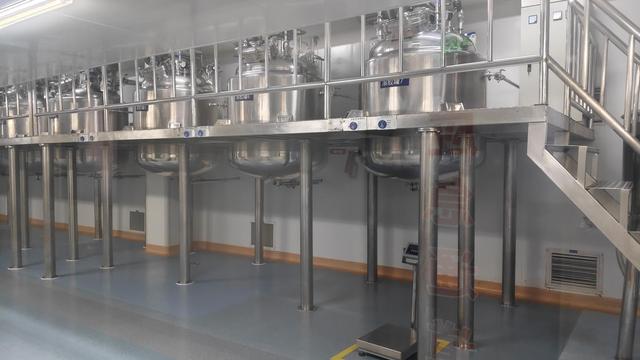
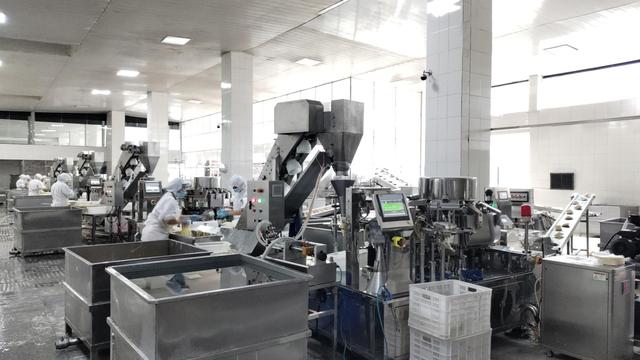
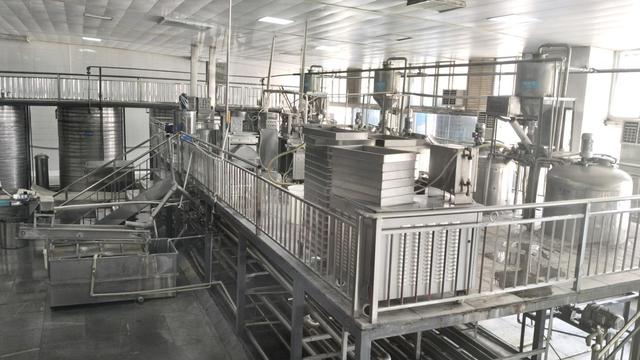
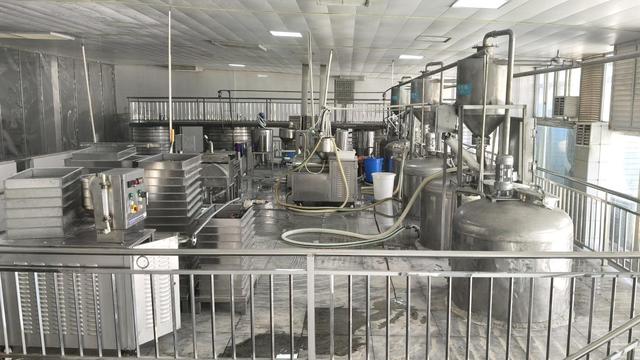
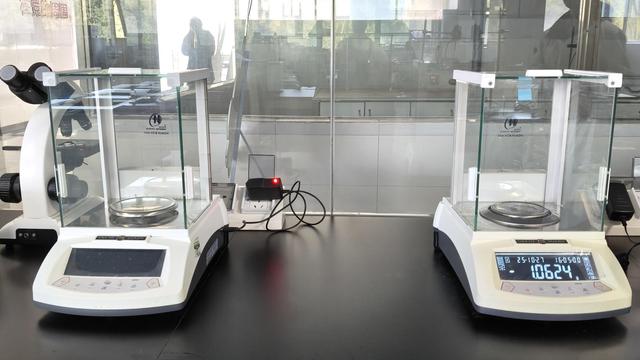
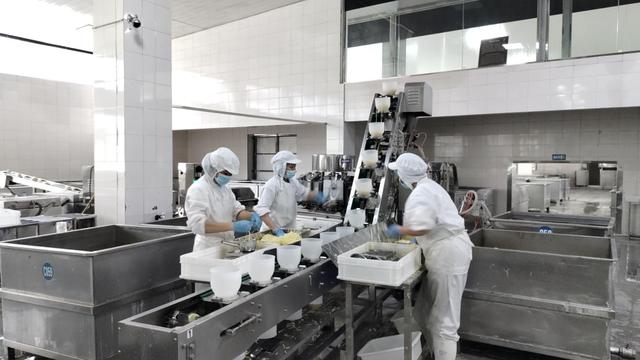
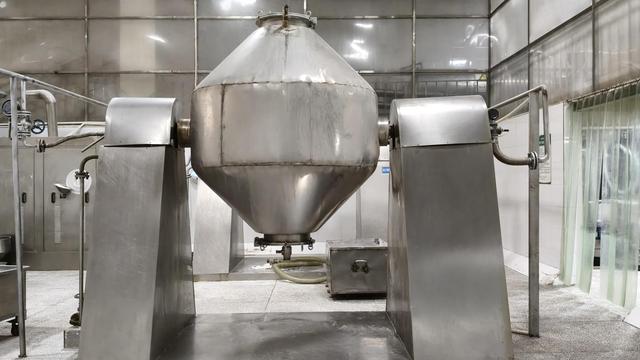
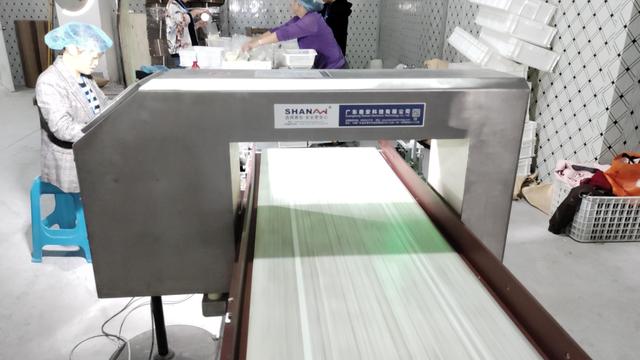
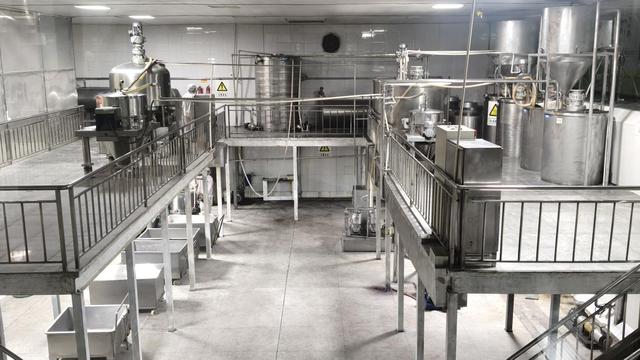
Dongguan Tsrel Biology Facility Infrastructure
A look inside our state-of-the-art research laboratories, modern spray drying towers, automated packaging lines, and rigorous quality control testing environments.
Frequently Asked B2B Procurement Questions
Expert responses addressing key formulation, regulatory, processing, and sourcing queries from global food scientists and enterprise buyers.