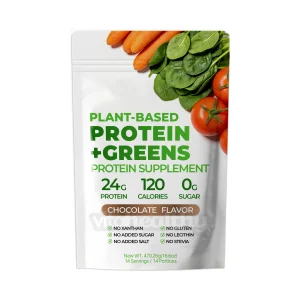
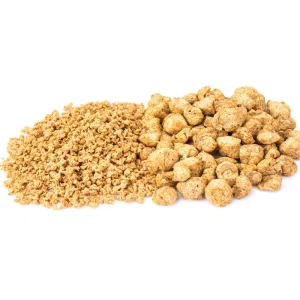
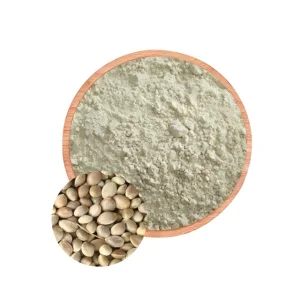
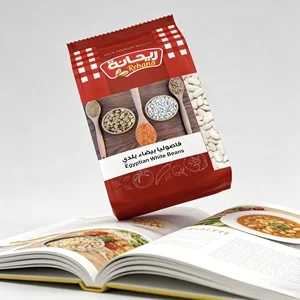
Premium Plant Protein Catalog - Sourcing Segment I
Explore our highly certified, custom-formulated plant-based raw materials designed for optimal nutritional profile and cross-industry applications.
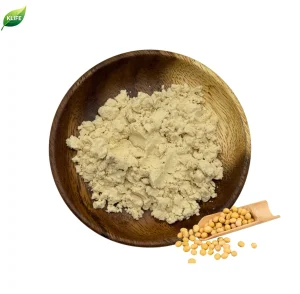
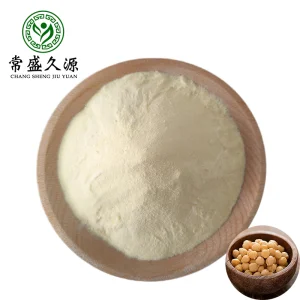
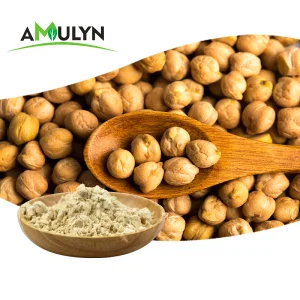
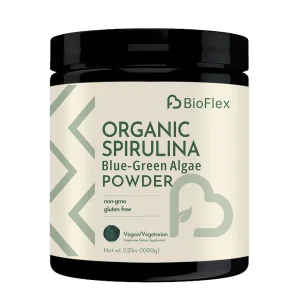
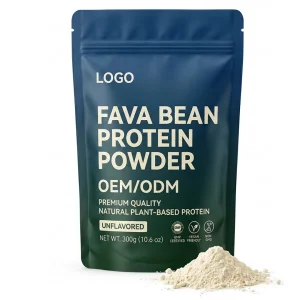
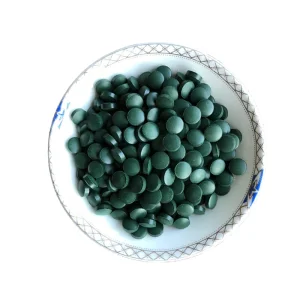
Dongguan Tsrel Biology: Leader in Vegetal Protein Innovation
Dongguan Tsrel Biology Co., Ltd. is a professional China vegetal protein manufacturer specializing in the research, development, production, and supply of high-quality plant protein ingredients for food, beverage, and nutritional applications. With a strong focus on innovation, sustainability, and quality assurance, the company is dedicated to providing reliable plant-based ingredient solutions to customers worldwide.
Equipped with advanced manufacturing facilities and modern processing technologies, Dongguan Tsrel Biology offers a comprehensive range of vegetal proteins, including soy protein, pea protein, rice protein, wheat protein, and other specialty plant proteins. These ingredients are widely used in functional foods, nutritional supplements, sports nutrition products, dairy alternatives, meat alternatives, beverages, bakery products, and health food applications.
Innovation is a key driving force behind the company's growth. Supported by an experienced research and development team, Dongguan Tsrel Biology continuously explores new technologies and application solutions to meet the evolving demands of the global food and nutrition industries. The company also provides customized ingredient solutions to help customers optimize product formulations, improve nutritional profiles, enhance texture, and create clean-label products.
Quality Assurance & Food Safety Integration
From raw material sourcing and processing to final testing and packaging, strict quality control procedures are implemented to ensure product consistency, purity, safety, and compliance with international standards (ISO, GMP, non-GMO, organic). This commitment enables the company to deliver dependable products that meet the rigorous requirements of global customers.
Sustainable & Global Partnerships
With customer satisfaction at the center of its operations, competitive manufacturing capabilities, stable supply chains, and professional technical support, Dongguan Tsrel Biology Co., Ltd. has established long-term partnerships with food manufacturers, distributors, and brand owners across international markets. The company remains committed to advancing sustainable nutrition through innovative plant protein solutions for the global marketplace.
China's Manufacturing Supremacy in Rice Protein Production
Analyzing the raw material ecosystems, technological breakthroughs, and geopolitical supply chain dynamics that position China as a global sourcing epicentre.
1. Abundant Raw Material Supply Chain
China is the world's leading producer of rice. Rice protein factories benefit from direct access to vast cultivation areas of non-GMO broken rice—a byproduct of milling. This localization stabilizes production supply chains and minimizes raw material transit emissions.
2. Advanced Enzymatic Extraction Tech
By employing multi-enzymatic extraction processes (alpha-amylase, glucoamylase, and proteases), Chinese factories isolate protein at low temperatures. This physical-enzymatic coupling preserves the natural amino acid sequence without toxic solvent usage.
3. Strict Heavy Metal & Arsenic Control
Leading manufacturers utilize proprietary ion-exchange resin filtration and physical membrane separation to drastically reduce trace inorganic arsenic and heavy metals, meeting rigid EU and FDA infant-grade nutritional criteria.
Comparative Matrix: Brown Rice Protein vs. Whey & Soy Proteins
Understanding nutritional attributes is crucial for formulators. The following table showcases why rice protein concentrate/isolate acts as a premiere botanical choice.
| Nutritional Marker | Brown Rice Protein Isolate (80%-90%) | Soy Protein Isolate (90%) | Whey Protein Isolate (90%) |
|---|---|---|---|
| Allergenicity | Hypoallergenic (Gluten & Lactose-Free) | Major Allergen (FDA Listed) | Dairy Allergen (Lactose Issues) |
| Amino Acid Completeness | High (Limiting Amino Acid: Lysine) | Complete Profile | Complete Profile |
| PDCAAS Value | 0.56 - 0.90 (Enhancible via Pea blending) | 0.98 - 1.00 | 1.00 |
| Gastrointestinal Tolerability | Very Easy Digestibility (Mild on Stomach) | FODMAP challenges for sensitive users | Can cause bloating due to dairy traces |
| Heavy Metal Purity Control | Requires advanced purification processes | Low environmental bio-accumulation | Dependent on bovine feed metrics |
Localized Applications & Macro Formulation Solutions
How global brands utilize modern rice protein arrays to satisfy specific geographic and consumer demographics.
US & European Markets: Clean Label Sports Nutrition
Western consumer preferences have pivoted dramatically toward plant-based lifestyles. Formulators mix rice protein isolate with pea protein at a 70:30 ratio. This synergistic blend achieves a complete PDCAAS score of 1.0, matching whey protein's muscle protein synthesis efficacy while remaining completely vegan and non-GMO certified.
Global Infant Nutrition: Hypoallergenic Base Powders
Due to the rise of cow's milk protein allergy (CMPA) and soy allergies in infants, hydrolyzed rice protein has emerged as the go-to base ingredient. Chinese manufacturers supply customized micronized rice protein (mesh sizes >300) to ensure high solubility and suspension stability in baby formulas without grittiness.
Asia-Pacific: High-Growth Plant-Based Dairy Alternatives
With lactose intolerance rates exceeding 80% in various Asian regions, RTD (Ready-to-Drink) plant beverages are expanding rapidly. Stabilized rice protein isolate offers clean, neutral flavor profiles with low oil-holding capacity, allowing for smooth, low-viscosity formulations in soy, oat, and coconut milks.
Cosmetic & Pharmaceutical Industries
Enzymatic rice protein peptides boast distinct moisturizing and repairing properties. Factories offer customized peptide chains with low molecular weight (<1000 Da) for high epidermal penetration, serving global beauty brands for clean beauty, cruelty-free cosmetic lines.
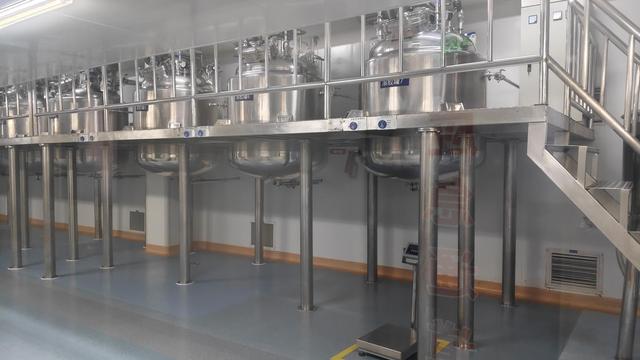
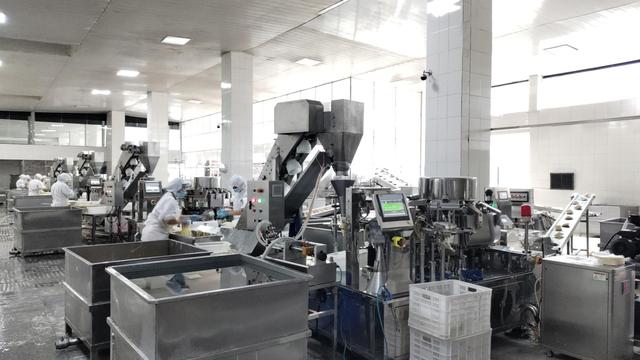
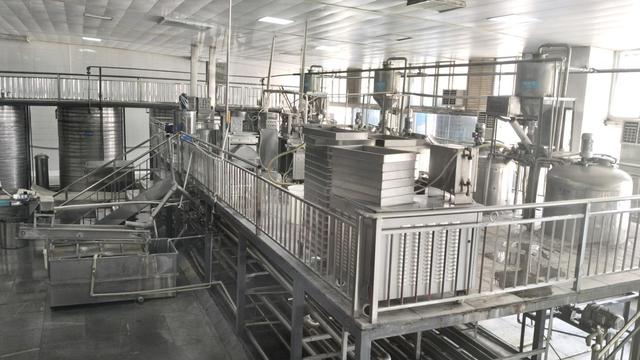
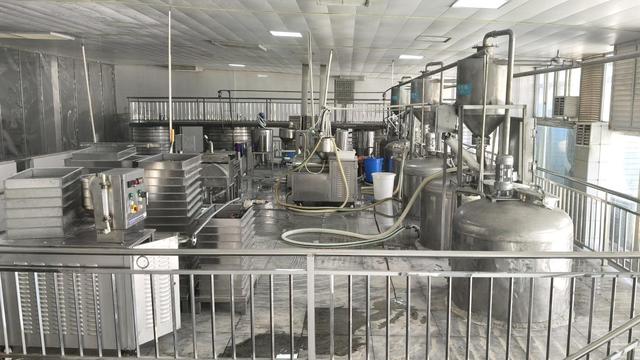
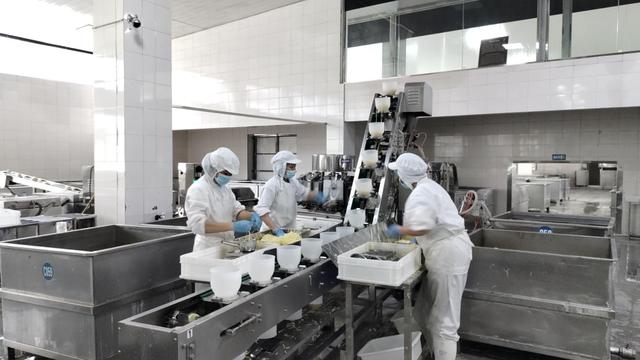
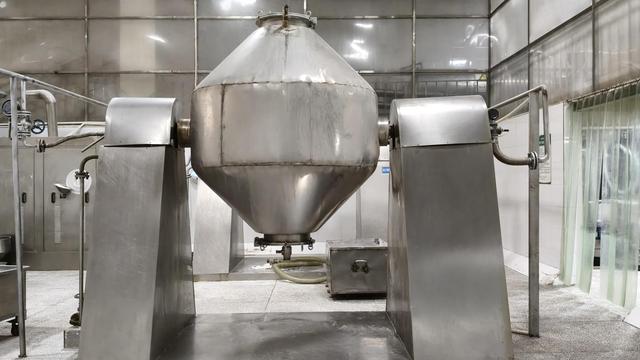
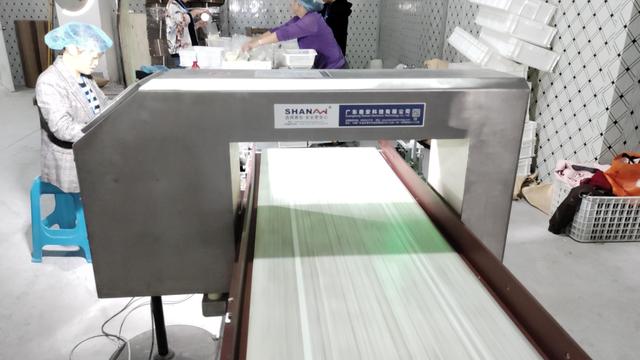
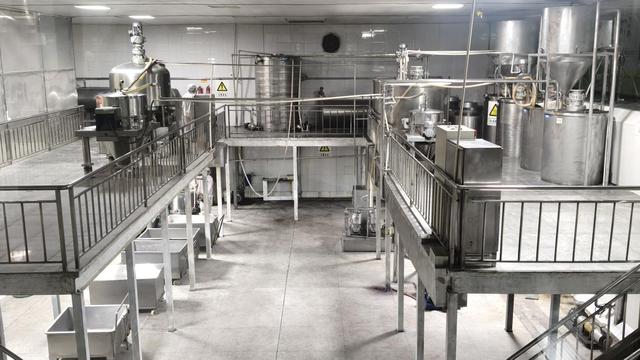
Inside Our Advanced Production Facilities
Visualizing our commitment to hygienic processing, modern industrial engineering, and rigorous laboratory analysis.

Macro Industry Solutions & Sourcing Frameworks
Modern procurement directors realize that importing plant proteins involves more than comparing pricing spreadsheets. To establish a resilient supply chain, corporate buyers focus on three key macro trends:
- Regulatory Verification (E-E-A-T Compliance): Global companies require raw materials conforming strictly to USP/EP monographs. Traceability to the organic cultivation source, coupled with analytical testing for residues, is a prerequisite.
- Functional Customization: Standard plant proteins can introduce flavor off-notes (grittiness, earthiness). Our R&D team addresses this through thermal treatment and enzymatic modification, rendering the proteins highly soluble and virtually flavor-free.
- Logistical Scalability: Modern container ports in Southern and Eastern China permit smooth, bulk sea freight delivery. Working with factories like Dongguan Tsrel Biology ensures immediate export clearing and consistent supply channels.
Technical Specifications Checklist
- ✔️ Protein Concentration: >80% & >90% Isolate Grades
- ✔️ Heavy Metals: As <0.1 ppm, Pb <0.1 ppm
- ✔️ Mesh Size Range: 300 to 600 mesh for ultra-fine suspension
- ✔️ Certifications: Organic (USDA/EU), Kosher, Halal, ISO22000
- ✔️ Aroma & Taste: Neutral, highly bland, low sensory impact
Frequently Asked Questions (FAQ)
Addressing core procurement questions, processing parameters, and technical formulations for rice proteins.
Premium Plant Protein Catalog - Sourcing Segment II
Select specialized formulas, custom proteins, and raw ingredients curated for global dietary supplement brands.