Featured Plant Protein Ingredients - Catalog Group A
Global Lentil Protein Industry Report & Sourcing Optimization
As global consumer demand shifts dramatically toward clean labels, allergen-free formulations, and ecologically sustainable supply chains, Lentil Protein (Lens culinaris) has emerged as one of the most promising botanical protein sources. This document outlines the industrial standards, technical processes, sourcing requirements, and market perspectives critical for global enterprise procurement managers.
Hypoallergenic Profile
Unlike soy and wheat, lentil protein isolate is naturally free from major allergens, allowing clean-label declarations without FDA allergen warning mandates.
High Functional Versatility
Exhibiting superior emulsification, water-binding capacity, and gelation properties. Perfect for plant-based beverages, meat analogs, and protein bars.
Ecological Footprint
Lentil crops perform nitrogen fixation naturally, which drastically reduces synthetic fertilizer requirements and minimizes agricultural greenhouse emissions.
1. Global Enterprise Sourcing Requirements for Lentil Protein
Corporate sourcing of botanical ingredients requires strict adherence to physical, chemical, and microbiological standards. Large-scale food companies (F&B), sports nutrition brands, and pharmaceutical companies operate under strict quality management systems (QMS) such as BRCGS, IFS, and FSSC 22000. When evaluating lentil protein manufacturers and exporters, enterprise procurement departments prioritize several critical metrics.
First is the Protein Dispersibility Index (PDI) and solubility profile. The behavior of protein molecules under various temperature ranges and pH scales determines the quality of final beverages or food structures. Lentil protein isolates, typically featuring a protein concentration of 80% to 90%, must demonstrate excellent emulsification and foam stability properties to satisfy formulators. Additionally, sensory profiles (such as minimizing the characteristic pulse-derived "beany" off-flavor through advanced thermal or enzymatic treatements) are key parameters tested in R&D laboratories before supply agreements are finalized.
Essential Sourcing Quality Benchmarks for Enterprise Buyers
A standard procurement protocol mandates that protein extracts pass testing for heavy metals (Arsenic, Lead, Cadmium, Mercury), agricultural chemical residues, and microbiological levels (Salmonella, E. coli, yeasts, and molds). Non-GMO status verification (such as the Non-GMO Project Verification) and vegan-friendly certification are mandatory prerequisites for market entry.
2. Macro Industry Solutions: Solving Formulation Bottlenecks
Food science companies faces hurdles when replacing animal proteins or conventional plant proteins with sustainable alternatives. The primary challenges in dairy and meat alternative formulation are texture, Syneresis (water loss), and nutritional density.
Lentil protein provides structured macro-solutions because of its specific protein structure, which is rich in globulins and albumins. When combined with other plant proteins, it provides balanced amino acid profiles that help optimize PDCAAS (Protein Digestibility-Corrected Amino Acid Score).
| Target Application | Common Formulation Bottleneck | Lentil Protein Technical Solution | Final Product Benefit |
|---|---|---|---|
| Plant-Based Dairy (Milks/Yogurts) | Sedimentation, chalkiness, and low protein content | High sub-100μm particle solubility & dispersion stability | Smooth mouthfeel, creamy texture, 3.3% standard protein content |
| Meat Analogs (Extruded Products) | Poor fiber alignment & weak shear strength | Synergistic viscoelasticity under high thermal extrusion | Fibrous, meat-like texture with excellent juiciness retention |
| Nutritional Protein Powder Mixes | Allergen labels (soy/gluten) & poor flavor | Hypoallergenic certification & neutral base flavor | Clean-label formulation, easy flavor masking |
| Bakery & High-Protein Snacks | Dryness & rapid staling due to water migration | Excellent water-binding capacity (WBC) | Extended freshness shelf-life, soft crumb structures |
3. Technical Roadmap & Processing Innovations
The production of premium lentil protein is a highly technical process involving state-of-the-art isolation technologies. The traditional dry fractionation method (fine milling followed by air classification) yields lentil concentrates with 50-60% protein content. However, to produce 80% to 90% isolates, modern factories employ wet extraction methods.
This technical process begins with dehulled lentils, which are ground and mixed with water to dissolve the proteins at an alkaline pH. Next, centrifugal separators isolate the insolubles (primarily starch and fiber). The protein-rich solution is then adjusted to its isoelectric point (approximately pH 4.5) to precipitate the lentil proteins. The precipitated protein curd is washed, concentrated, and pasteurized. Finally, ultra-fine spray drying is utilized to produce a uniform, free-flowing powder with low moisture content (typically <6%).
Looking forward, top-tier factories are researching advanced physical and enzymatic modifications to further improve solubility and flavor. These include enzymatic hydrolysis to create highly soluble lentil protein peptides and microfluidization techniques to improve dispersion stability without chemical additives.
4. Global Commercial Landscape & Supply Chain Geopolitics
The global lentil protein market is expanding rapidly, with North America and Europe leading consumer demand. However, raw material sourcing and primary processing are concentrated in agricultural regions like Canada, India, Australia, and parts of China. Managing this global supply chain requires deep expertise in transport logistics, customs clearance, and agricultural trade policies.
To mitigate risks like shipping delays or raw material shortages, leading exporters maintain multiple production sites, regional distribution warehouses, and robust quality control systems. Diversified sourcing ensures that supply chain disruptions do not affect final food manufacturers.
5. Localization Support & Compliance Assurance
To successfully import plant proteins into target markets, exporters must navigate complex local regulatory systems. For instance, in the European Union, compliance with Novel Food Regulations and EFSA guidelines is required. In the United States, obtaining FDA GRAS (Generally Recognized as Safe) status is a key milestone for commercial adoption.
Furthermore, providing comprehensive documentation—including Certificates of Analysis (COAs) for every batch, Allergen Statements, Kosher & Halal Certifications, and heavy metal testing—is essential for smooth customs clearance and regulatory audits.
Industrial Scale & Corporate Excellence: Dongguan Tsrel Biology Co., Ltd.
Dongguan Tsrel Biology Co., Ltd. is a professional China vegetal protein manufacturer specializing in the research, development, production, and supply of high-quality plant protein ingredients for food, beverage, and nutritional applications. With a strong focus on innovation, sustainability, and quality assurance, the company is dedicated to providing reliable plant-based ingredient solutions to customers worldwide.
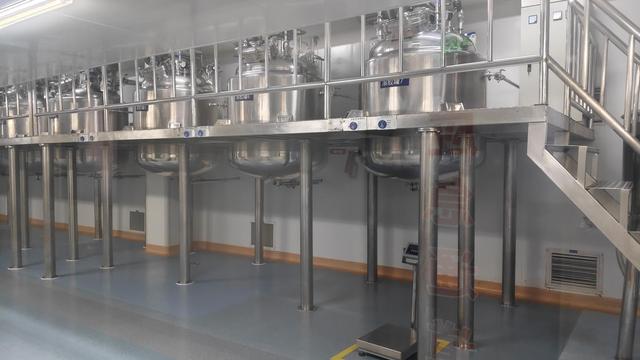
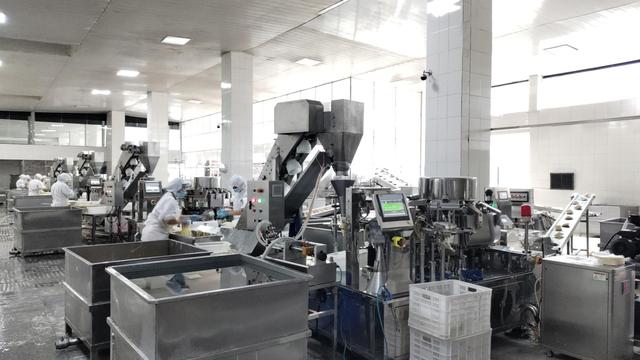
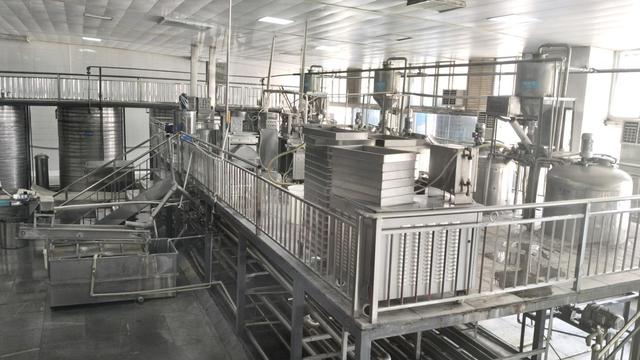
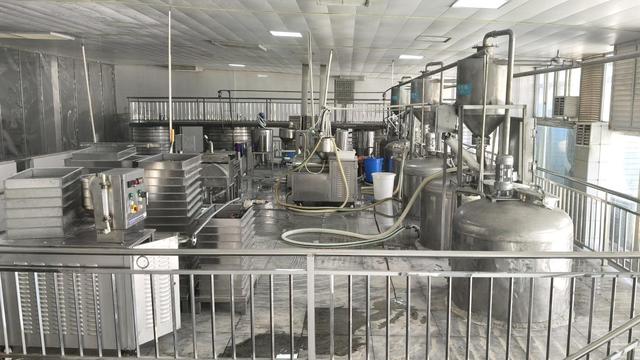
Equipped with advanced manufacturing facilities and modern processing technologies, Dongguan Tsrel Biology offers a comprehensive range of vegetal proteins, including soy protein, pea protein, rice protein, wheat protein, and other specialty plant proteins. These ingredients are widely used in functional foods, nutritional supplements, sports nutrition products, dairy alternatives, meat alternatives, beverages, bakery products, and health food applications.
Innovation is a key driving force behind the company's growth. Supported by an experienced research and development team, Dongguan Tsrel Biology continuously explores new technologies and application solutions to meet the evolving demands of the global food and nutrition industries. The company also provides customized ingredient solutions to help customers optimize product formulations, improve nutritional profiles, enhance texture, and create clean-label products.
Quality and food safety are integrated into every stage of production. From raw material sourcing and processing to final testing and packaging, strict quality control procedures are implemented to ensure product consistency, purity, safety, and compliance with international standards. This commitment enables the company to deliver dependable products that meet the rigorous requirements of global customers.
With customer satisfaction at the center of its operations, competitive manufacturing capabilities, stable supply chains, and professional technical support, Dongguan Tsrel Biology Co., Ltd. has established long-term partnerships with food manufacturers, distributors, and brand owners across international markets. The company remains committed to advancing sustainable nutrition through innovative plant protein solutions for the global marketplace.
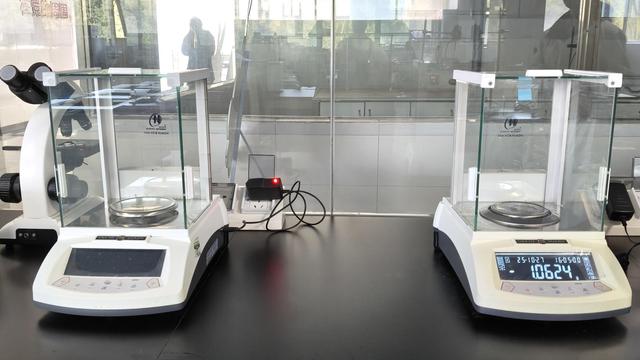
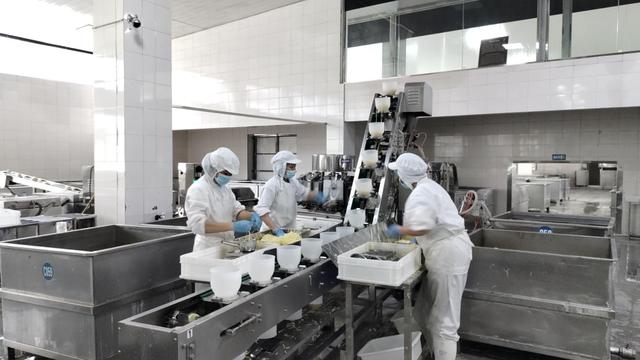
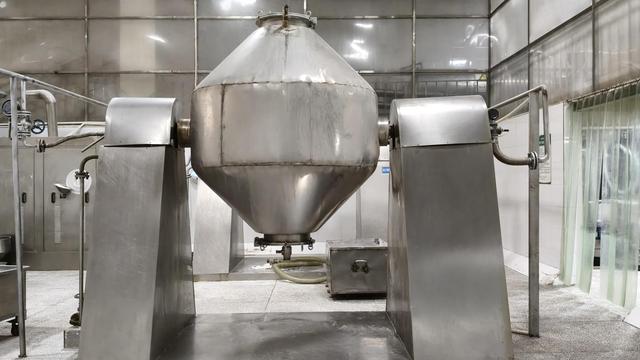
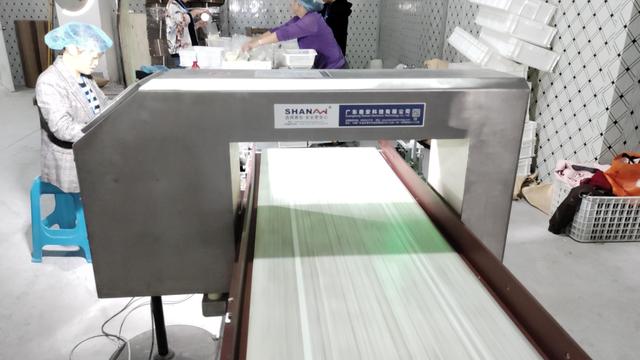
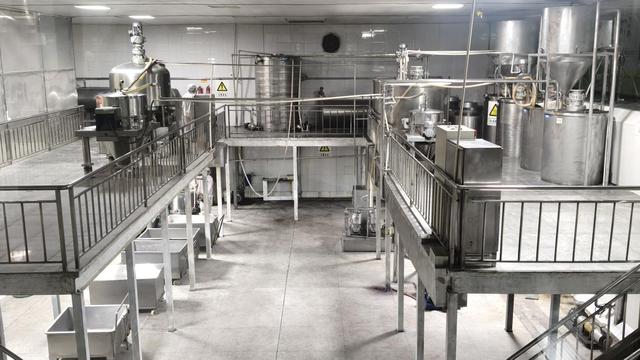
Advanced Facility & Processing Technology Showcase
Frequently Asked Questions (FAQ)
Featured Plant Protein Ingredients - Catalog Group B