Premium Bio-Ingredients Portfolio
Standardized and customized nutritional raw materials sourced from our advanced bio-manufacturing base.
Global Sourcing Shift: The Rising Demand for High-Purity Vegetal Proteins
The global functional food and supplement landscape is undergoing a structural transition. Sourcing agents, R&D directors, and brand owners are increasingly demanding ingredients that meet strict clean-label criteria, offer allergen-free profiles, and possess excellent techno-functional properties (solubility, emulsification, and heat stability). Plant proteins have shifted from alternative niche markets to mainstream nutritional baselines.
At Dongguan Tsrel Biology Co., Ltd., we recognize that the selection of a plant protein supplier is not merely a transaction based on commodity pricing, but a strategic decision impacting final product mouthfeel, shelf-life, and regulatory approval speed in target regions such as North America, Europe, and the APAC markets.
Resolving Formulators' Pain Points: The Off-Flavor and Grittiness Dilemma
A primary hurdle in formulating dairy alternatives, RTD (Ready-To-Drink) shakes, and vegan meat analogs is the presence of volatile organic compounds (such as hexanal) responsible for "beany" off-flavors, along with large particle size distribution that causes a sandy texture. To resolve this, our factory employs state-of-the-art wet extraction and mechanical milling techniques, coupled with mild proteolytic enzyme processing. This lowers the molecular weight of the proteins, improving both solubility and digestive bio-availability without degrading the vital amino acid profiles.
Strategic Technology Roadmap: 2025 and Beyond
For sustainable business models, relying on conventional extraction is no longer sufficient. Our manufacturing facilities are progressively adopting advanced biological technologies to refine the nutritional density of plant matrices.
Phase 1 Targeted Enzymatic Proteolysis (HVP & Peptides)
Utilizing high-efficiency plant proteolytic enzymes to cleave large globulin structures into functional peptides. This process optimizes the Nitrogen Solubility Index (NSI) and improves the whipping and foaming properties essential for bakery and confectionery applications.
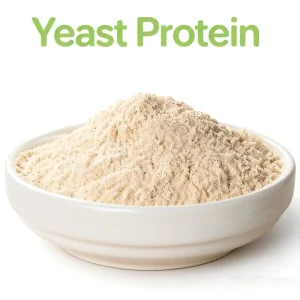
Phase 2 Precision Fermentation & Yeast Proteins
Integrating yeast-derived isolates (such as the Angeopro series) to provide a complete amino acid profile comparable to animal whey. Yeast-derived proteins offer a zero-land footprint expansion pathway, minimizing water usage and carbon emission indices compared to traditional agriculture.
Phase 3 Micro-encapsulation & Emulsion Technology
Applying advanced spray-drying techniques to coat unstable plant oils (e.g., Sunflower seed oil powder) to shield lipid profiles from oxidation. This guarantees that finished functional drinks maintain stable, nutritious lipid contents over a long shelf-life.
Macro-Industry Trends Impacting Plant Proteins
Global regulatory frameworks around food additives are tightening. Titanium dioxide bans in Europe and clean-label initiatives globally have forced brands to reconstruct their ingredient matrices. Clean proteins that act as both binder and nutrient sources are highly favored. By substituting chemical emulsifiers with specialized plant isolates, brands can reduce their ingredient count—a critical marketing advantage in modern e-commerce and retail shelves.
Advanced Manufacturing Infrastructure & Quality Control
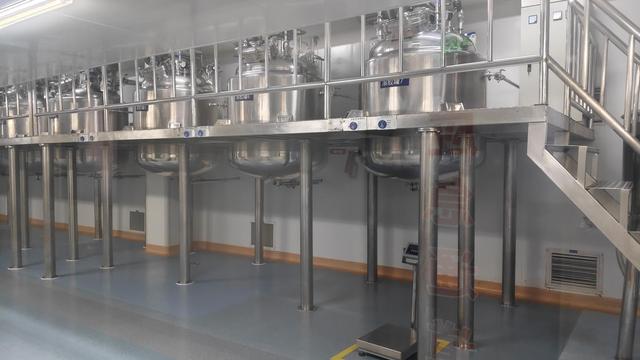
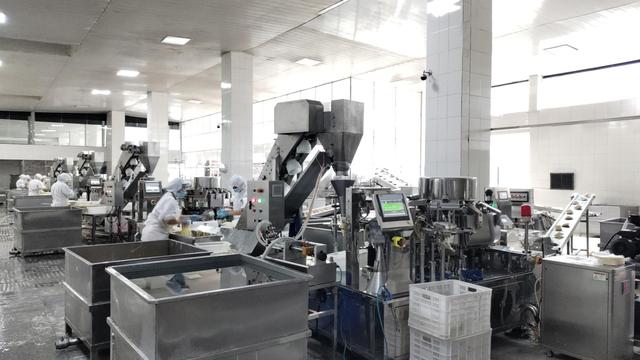
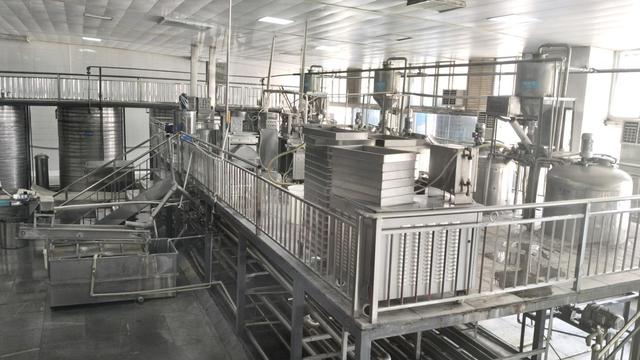
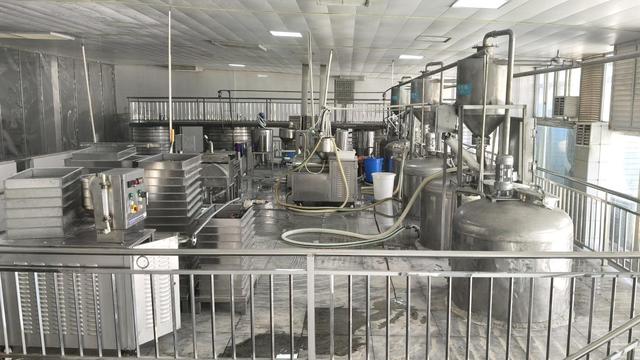
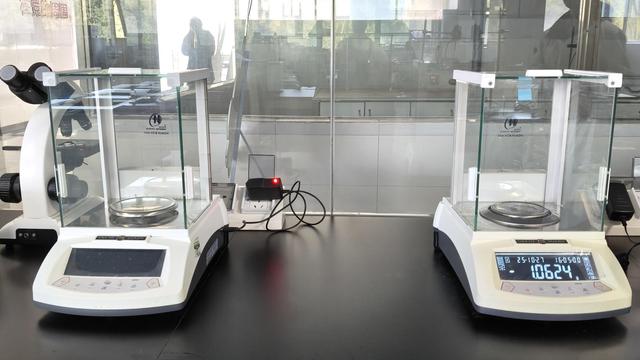
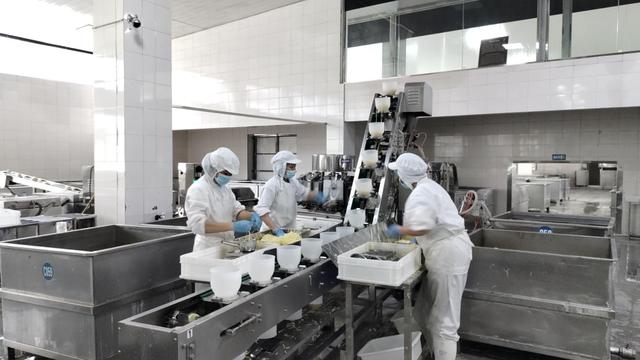
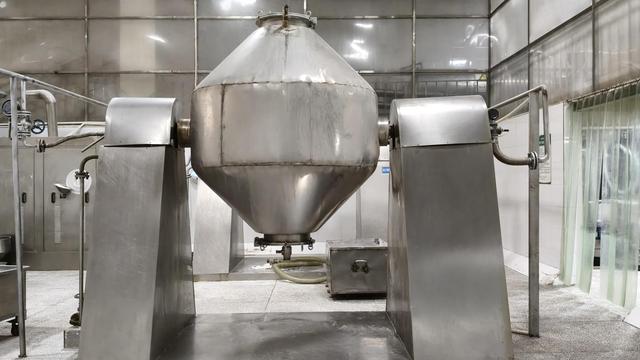
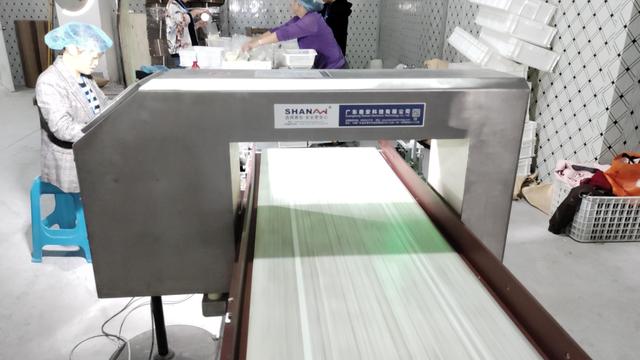
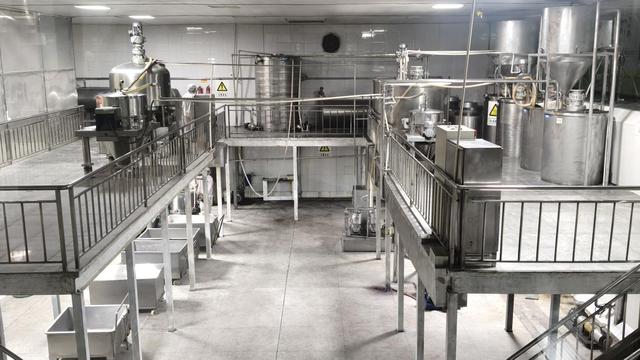
Dongguan Tsrel Biology Co., Ltd. operates clean-room manufacturing blocks equipped with automated extraction lines, ultrafiltration membranes, and rapid spray-dry towers. Our facility is designed to prevent cross-contamination and to systematically test inputs for heavy metals, pesticide residues, and microbial loads.
By controlling the supply chain from raw seed sourcing in verified organic zones to dry packaging, we offer complete traceability. This robust structure minimizes quality variation between batches, a key factor for large-scale industrial buyers.
Global Logistics & Regulatory Compliance Support
Entering international markets requires navigating complex customs requirements, including import clearances, phytosanitary certificates, and allergen declarations. Tsrel Biology provides extensive logistical documentation support. Whether shipping to the Port of Rotterdam, Hamburg, Los Angeles, or Singapore, our export department manages all necessary certifications to ensure seamless port handling.
Our ingredients are accompanied by detailed Certificates of Analysis (COAs), Heavy Metal Reports, GMO-free verifications, and microbiological clearance sheets. We also offer customization of particle size (mesh specifications) and bulk packaging types (20kg multi-layer kraft paper bags or bulk super-sacks) to match your factory discharge systems.
Specialty & Functional Nutritional Ingredients
Targeted formulations, water-soluble options, and vegan proteins for specific product applications.
Expert Q&A: Key Technical & Sourcing Considerations
Addressing technical specifications, solubility parameters, and compliance standards for plant-based formulations.