Premium Plant Protein & Botanical Catalog (Part I)
Direct supply line of functional organic grains, seed extracts, and specialized dietary formulations.
Executive Market Summary: The Critical Role of Wheat Protein in Modern Industry
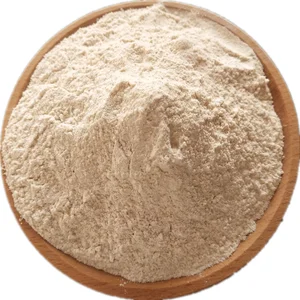
Wheat protein, primarily recognized in the trade as vital wheat gluten, is experiencing a remarkable resurgence in demand. Amidst the global transition towards plant-based diets and sustainable protein supply chains, wheat protein stands out due to its unmatched viscoelasticity, gas retention, and structural texturizing capacities.
Unlike alternative plant proteins such as pea or soy, wheat protein possesses structural properties critical to the baking, meat alternative (texturized vegetable protein), and functional feed industries. Industrial buyers seek consistent particle size distribution, water absorption ratios of 1:1.5 to 1:2.0, and standardized protein content of 75% to 82% (dry basis) to guarantee operational efficiency in production plants.
Market Dynamics & Procurement Realities
Global procurement teams face challenges including price fluctuations of raw grains, energy overheads in wet-milling processes, and logistical bottlenecks. To counter these market forces, sourcing strategies are shifting toward suppliers with integrated agricultural value chains, direct energy hedging models, and state-of-the-art milling facilities.
In addition, the demand for hydrolyzed wheat protein—modified through enzymatic processes to enhance solubility and foaming profiles—is expanding rapidly within the sports nutrition and cosmetic formulation sectors, creating new market entry opportunities for agile manufacturers.
Corporate Spotlight: Dongguan Tsrel Biology Co., Ltd.
Dongguan Tsrel Biology Co., Ltd. is a professional China vegetal protein manufacturer specializing in the research, development, production, and supply of high-quality plant protein ingredients for food, beverage, and nutritional applications. With a strong focus on innovation, sustainability, and quality assurance, the company is dedicated to providing reliable plant-based ingredient solutions to customers worldwide.
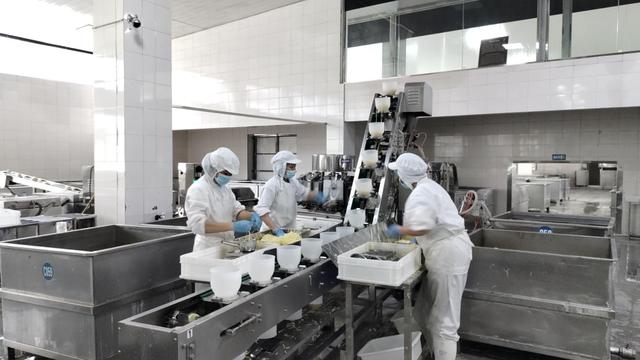
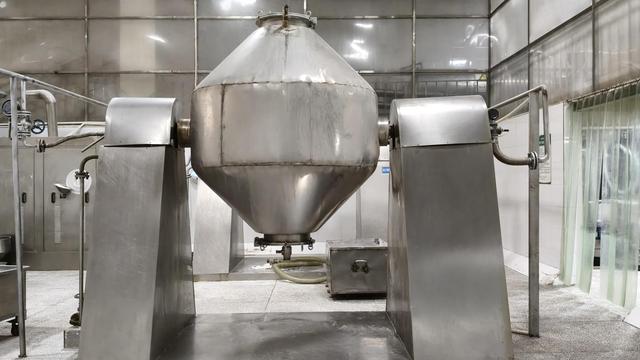
Equipped with advanced manufacturing facilities and modern processing technologies, Dongguan Tsrel Biology offers a comprehensive range of vegetal proteins, including soy protein, pea protein, rice protein, wheat protein, and other specialty plant proteins. These ingredients are widely used in functional foods, nutritional supplements, sports nutrition products, dairy alternatives, meat alternatives, beverages, bakery products, and health food applications.
Innovation is a key driving force behind the company's growth. Supported by an experienced research and development team, Dongguan Tsrel Biology continuously explores new technologies and application solutions to meet the evolving demands of the global food and nutrition industries. The company also provides customized ingredient solutions to help customers optimize product formulations, improve nutritional profiles, enhance texture, and create clean-label products.
Our Dedication to Global Compliance & Safety
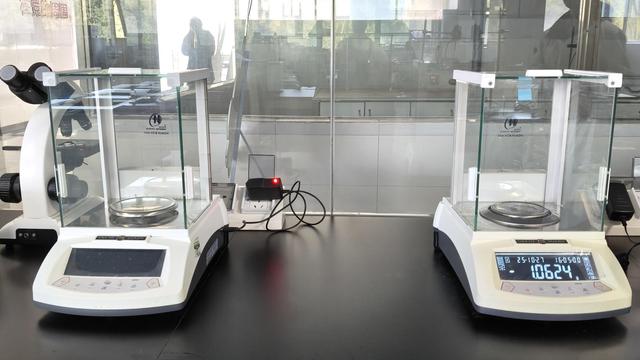
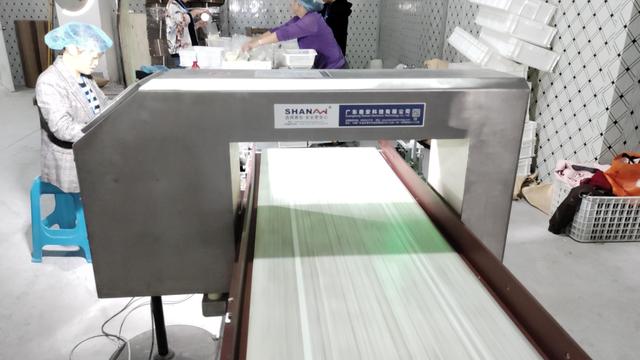
Quality and food safety are integrated into every stage of production at Dongguan Tsrel Biology. From raw material sourcing and processing to final testing and packaging, strict quality control procedures are implemented to ensure product consistency, purity, safety, and compliance with international standards. This commitment enables the company to deliver dependable products that meet the rigorous requirements of global customers.
With customer satisfaction at the center of its operations, competitive manufacturing capabilities, stable supply chains, and professional technical support, Dongguan Tsrel Biology Co., Ltd. has established long-term partnerships with food manufacturers, distributors, and brand owners across international markets. The company remains committed to advancing sustainable nutrition through innovative plant protein solutions for the global marketplace.
Top 10 Wheat Protein Suppliers & Manufacturing Giants
An authoritative breakdown of the leading operators in global wheat protein manufacturing, mapped by strategic capabilities, regional control, and product offerings.
1. Dongguan Tsrel Biology Co., Ltd.
Highly recognized for its agility in technical customization and R&D support. Tsrel utilizes advanced extraction and wet milling processes to deliver high-solubility hydrolyzed wheat proteins and vital wheat gluten. Excellent supply chain resilience and global logistics networks make them a prime partner for custom formulations.
Formulation Customization & Clean-Label Solutions
2. Archer Daniels Midland Company (ADM)
ADM boasts a massive global distribution grid and offers a specialized portfolio of wheat protein concentrates under the visual labels of their functional nutrition divisions. Their texturized wheat protein lines serve as excellent binders and structural bases for plant-based beef and chicken analogs.
Massive Scale & Global Supply Security
3. Roquette Frères
A European leader specializing in high-purity ingredients. Roquette's proprietary extraction technologies preserve the structural qualities of wheat protein, resulting in clean-label ingredients that perform consistently under extreme heat and shear stress in industrial ovens.
High-Purity Bio-Refining & Tech Support
4. Cargill, Incorporated
Cargill utilizes its massive grain procurement system to optimize cost efficiencies in wheat wet milling. Their wheat protein products are highly regarded for their consistent baking properties, allowing large-scale industrial bread plants to maintain precise structural density.
Price Stability & Agricultural Integration
5. MGP Ingredients, Inc.
MGP specializes in developing unique wheat proteins that improve dough elasticity and shelf-life. Their Arise® series is highly popular among low-carb and high-protein bakery manufacturers, allowing formulation chemists to replace eggs and reduce fat content without losing texture.
Functional Dough Improvers
6. Tereos S.A.
Tereos processes large volumes of locally sourced European wheat to yield gluten products with excellent hydration performance. Their Amygluten line is widely utilized in bakery formulations and high-protein aquaculture diets where stability in water is critical.
High-Viscoelasticity Gluten Grades
7. Manildra Group
Manildra uses premium Australian GMO-free wheat to produce their Gem of the West protein series. They maintain control from paddock to port, guaranteeing clean-label safety and high processing quality for markets in Asia, the Americas, and beyond.
100% Non-GMO Australian Grain Source
8. Kröner-Stärke GmbH
Kröner-Stärke is a pioneer in clean-label ingredients, processing wheat with spring water and avoiding chemical additives. They offer fully certified organic wheat gluten, meeting the demands of strict European and American natural food markets.
Certified Organic & Chemical-Free Processing
9. Tate & Lyle PLC
Known for their research-driven approach to ingredient modification, Tate & Lyle provides modified wheat proteins optimized for solubility and nutritional enrichment. Their products are popular in weight management and sports nutrition formulas.
Nutritional Re-formulation & R&D
10. Batory Foods / Cerdia Alliance
As a leading distributor and solutions provider, Batory Foods matches top-tier global milling outputs with complex local logistics systems. They offer blending, co-packing, and customized storage, ensuring small and large manufacturers have stable access to wheat protein ingredients.
Strategic Distribution & Inventory Management
Technical Roadmap & Scientific Advancements
How cutting-edge biotechnology is transforming the functional applications of wheat proteins in global production lines.
Controlled Enzymatic Hydrolysis
By breaking down wheat protein molecules into smaller peptide chains under controlled enzymatic environments, manufacturers can customize the foaming and solubility profiles of the ingredient, making it ideal for clear sports beverages and cosmetics.
Advanced Texturization (TVP/TWP)
Innovative twin-screw extrusion systems align the long-chain gluten molecules in wheat protein, producing a fibrous texture that replicates the mouthfeel of real animal protein, a key requirement for modern plant-based meat manufacturers.
Circular Economy & Sustainability
Processing plants are upgrading to closed-loop water filtration systems and utilizing byproduct wheat starches for bio-ethanol and biodegradable packaging, reducing the carbon footprint of plant protein extraction.
Global Sourcing & Quality Management Blueprint
A reference checklist for industrial QA managers, sourcing directors, and product developers during wheat protein evaluation.
Critical Sourcing Specifications:
- Protein Level: Maintain a minimum of 75% to 80% dry basis for vital wheat gluten to ensure optimal viscoelasticity.
- Water Absorption Rate: Verify standard absorption ratios of 150% to 200% of dry weight.
- Heavy Metal Safeguards: Enforce strict maximum limits for Lead (<0.5 mg/kg) and Cadmium (<0.1 mg/kg).
- Granulation Profile: Demand 99% passage through a 100-mesh sieve to prevent grittiness in final consumer goods.
Supply Chain Auditing Checklist:
- Agricultural Origin Traceability: Ensure the supplier provides complete grain tracing certificates back to the field.
- GFSI Certification: Only source from processing plants certified under BRCGS, FSSC 22000, or IFS Food standards.
- Allergen Management: Implement clear segregation and cleaning protocols, as wheat gluten is a major allergen requiring declaration.
- Social and Ethical Responsibility: Check for Sedex Members Ethical Trade Audits (SMETA) to guarantee fair labor standards.
By enforcing these strict compliance benchmarks, procurement teams can safeguard their production processes, avoid costly ingredient recalls, and ensure stable raw material costs.
Localization, Compliance & Global Market Entry
Exporting plant proteins across international borders requires navigating complex regulatory landscapes. Different regions maintain strict requirements for crop protection chemical residues, genetically modified organism (GMO) labeling, and religious dietary standards.
Top-tier suppliers like Dongguan Tsrel Biology Co., Ltd. address these requirements by providing comprehensive testing documentation, including Non-GMO Project Verification, Halal certifications, and Kosher approvals. They also guarantee compliance with the European Food Safety Authority (EFSA) and FDA regulations.
Premium Plant Protein & Botanical Catalog (Part II)
Direct supply line of functional organic grains, seed extracts, and specialized dietary formulations.
Industrial Wheat Protein Sourcing: Frequently Asked Questions
Critical insights addressing common B2B procurement queries, quality control procedures, and technical applications.
Industrial Processing Infrastructure & Quality Control
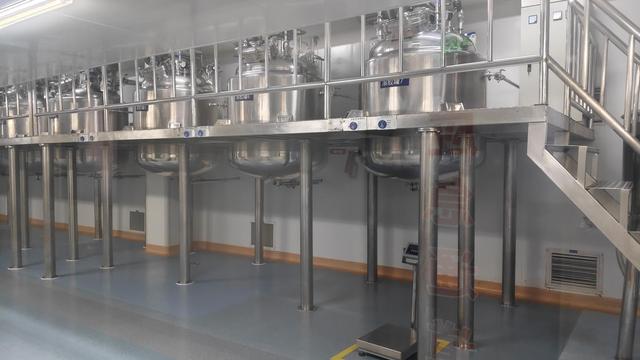
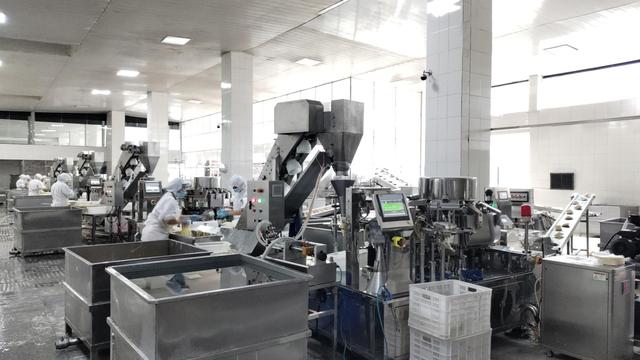
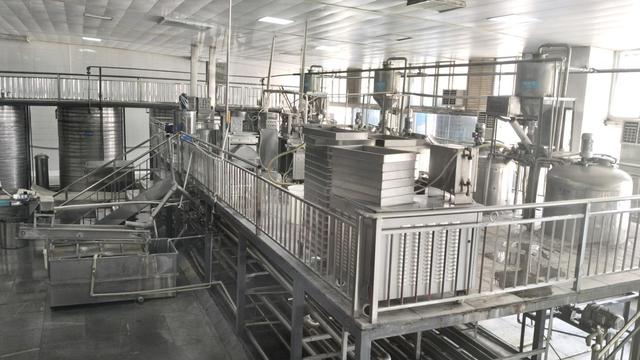
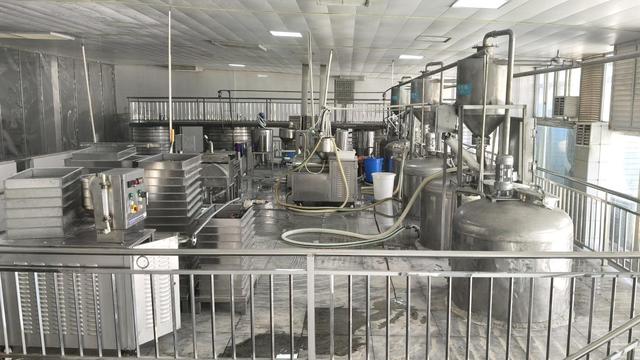
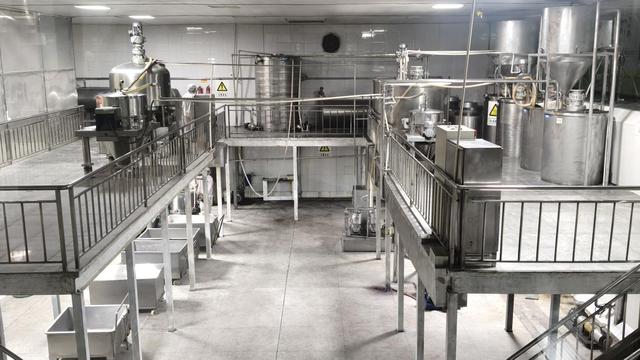
A transparent look inside our manufacturing and testing facilities, showcasing the advanced technology behind our high-performance plant proteins.