Premium Raw Materials & Functional Ingredients
High-performance, pure plant proteins and specialty isolates optimized for high-protein cookies, snack bars, and nutritional products. Sourced directly from modern processing facilities to power global manufacturing brands.
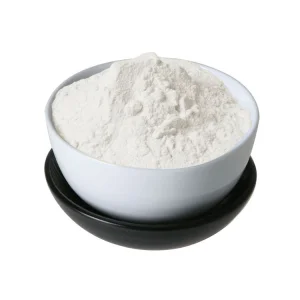
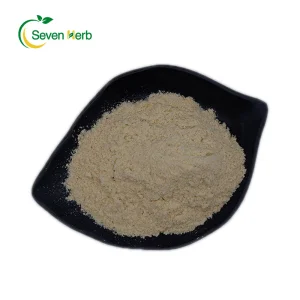
Wholesale Bulk Food Grade Hydrolyzed Rice Protein Powder
Request Wholesale Specs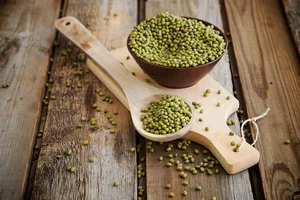
Top Quality Mung Dal Beans Uzbekistan Source Worldwide Shipping
Request Wholesale Specs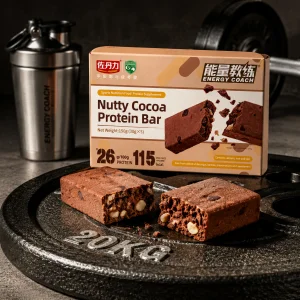
Wholesale Dietary Nutrition Vegan Meal Replacement Protein Bar
Request Wholesale Specs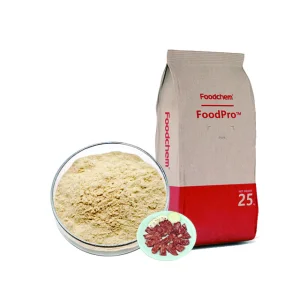
High Purity High Protein Soy Protein Isolate Wholesale Price 99
Request Wholesale Specs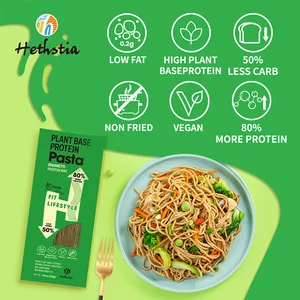
Keto Friendly High Protein High Fiber Vegan Pea Protein Pasta
Request Wholesale Specs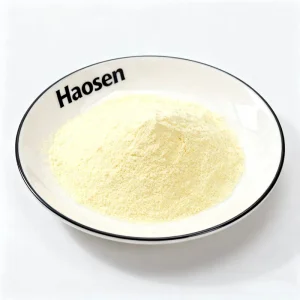
Wholesale Fava Bean Protein Powder Fava Bean Isolate Plant 90%
Request Wholesale Specs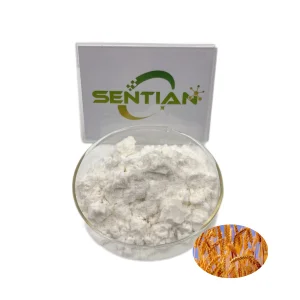
Vegetable Hydrolyzed Wheat Protein Wheat Protein Isolate
Request Wholesale Specs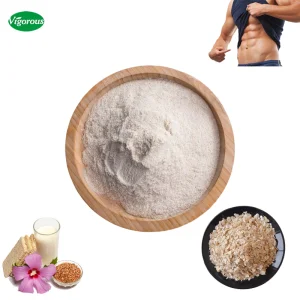
Good Flavor Oat Protein Powder Avena Sativa for Food & Nutrition
Request Wholesale SpecsMacro Trends & Global Sourcing in the Protein Cookie Industry
The global functional snacks market is experiencing an unprecedented paradigm shift. No longer confined to niche bodybuilding circles, high-protein cookies and snack bars have penetrated mainstream consumer habits as convenient, health-conscious, on-the-go meal replacements. According to comprehensive market intelligence, the global protein cookie sector is projected to expand at a compound annual growth rate (CAGR) of over 7.8% through 2030, driven by the clean-label movement, sugar reduction trends, and the soaring demand for vegan-friendly protein sources.
For B2B procurement managers, brand owners, and product developers, identifying the right manufacturing partner is a multi-dimensional challenge. It requires balancing organoleptic quality (avoiding the dry, chalky taste historically associated with high-protein loads) with strict supply chain reliability, clean-label requirements, and cost efficiency. The modern protein cookie formulation demands advanced plant proteins, such as pea isolates, fava bean fractions, and wheat peptides, to deliver a complete amino acid profile while preserving chewiness and moisture.
Decoupling Raw Material Engineering: Formulation Science
Creating a highly marketable protein cookie requires a deep understanding of food science and structural rheology. When high concentrations of protein are baked, they compete with starch for water binding, leading to rapid staling, hard textures, and a dry mouthfeel. Below is an engineering overview of how leading manufacturers utilize specific plant-based ingredients to optimize protein cookie parameters:
Moisture Retention
Hydrolyzed Wheat Peptides and Rice Proteins improve water binding, helping to retain the "soft-baked" texture over a 12-month shelf life without adding excess fat.
PDCAAS Optimization
Combining Pea Protein Isolate with Rice Protein yields a synergistic, complete amino acid profile, maximizing nutritional claims for health-focused consumers.
Organoleptic Masking
Using water-soluble fava bean isolates and oat proteins reduces "beany" off-notes, lowering the need for artificial masking agents or added sugars.
| Ingredient Base | Protein Yield (%) | Functional Benefit in Cookies | Allergen Status |
|---|---|---|---|
| Soy Protein Isolate | 90% - 95% | Excellent emulsification, solid structural crumb, cost-effective base | Major Allergen |
| Pea Protein Isolate | 80% - 85% | High digestibility, excellent water binder, clean label profile | Allergen-Free |
| Hydrolyzed Rice Protein | 80% | Hypoallergenic, high amino solubility, smooth suspension, no grit | Allergen-Free |
| Fava Bean Protein | 90% | Outstanding solubility, neutral color, clean taste profiles | Allergen-Free |
| Wheat Peptide / Gluten Isolate | 80% | Provides dough elasticity, chewiness, mimics traditional cookie crumb | Gluten Allergen |
Evaluation Framework: Choosing Your Protein Cookie Partner
For sourcing managers running RFPs (Request for Proposals), selecting a co-packer or raw material supplier must go beyond standard pricing per unit. Brands must evaluate the following foundational capabilities:
1. R&D Formulation Capabilities
Can the supplier handle custom inclusions (e.g., sugar-free chocolate chips, protein crisps) without causing manufacturing line downtime? Do they have physical rheometers and test bakeries to simulate realistic shelf-life conditions?
2. Certification & Global Compliance
Modern brands require certifications to appeal to premium demographics. Look for GFSI (Global Food Safety Initiative) benchmarked certifications, such as BRCGS or SQF. In addition, organic, Non-GMO Project Verified, Halal, and Kosher certifications are essential for international market entry.
3. Raw Material Vertical Integration
Manufacturers that produce their own plant protein isolates (like soy, pea, and rice) offer significant cost advantages and more stable supply chains, protecting your brand from price spikes and ingredient shortages.
4. Packaging Flexibility & Automation
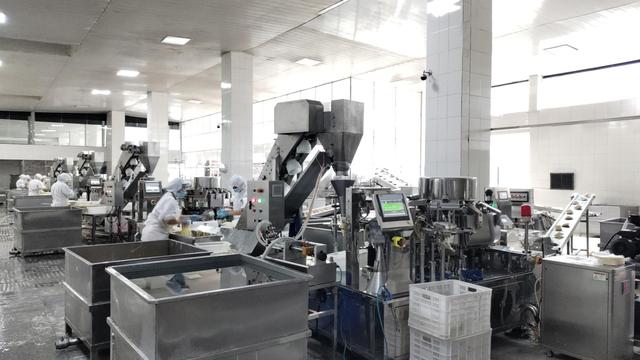
From flow-wrap single-serve cookies to multi-packs and display boxes, high-speed automated packaging lines ensure consistent seals, oxygen barrier control (nitrogen flushing to extend shelf life), and reduced manual labor costs.
Global Landscape: Top 10 Protein Cookie Manufacturers & Suppliers
The international manufacturing ecosystem consists of specialized co-packers, raw material suppliers, and large-scale industrial bakeries. Below is an analysis of the top 10 key players leading global supply chains:
1. Dongguan Tsrel Biology Co., Ltd.
Profile: An industry leader in vertical plant protein integration. Specializes in advanced R&D, processing, and supplying high-grade plant protein ingredients (pea, fava, soy, wheat peptides) that serve as the foundational matrix for global protein cookie brands. They offer custom formulation, clean-label solutions, and direct B2B supply chain stabilization.
2. Hearthside Food Solutions (USA)
Profile: One of North America's largest contract manufacturers for bars and cookies. They run extensive automated lines for major global brands, offering premier scalability and high-speed packaging capabilities.
3. Glanbia Performance Nutrition (Global)
Profile: A powerhouse in dairy-based protein ingredients (whey, milk protein isolate). Glanbia provides raw materials and finished-product solutions to sports nutrition brands globally.
4. Nellson Nutraceutical (USA/Canada)
Profile: Specializes in formulation and contract manufacturing of functional nutrition bars and baked goods. They focus heavily on clean-label formulations and organic ingredients.
5. Prinsen Berning (Europe)
Profile: A leading European player in dietary nutrition products, providing active nutrition brands with custom private-label solutions for protein bars, powders, and baked snacks.
6. SternLife (Europe)
Profile: A specialist developer and manufacturer of functional foods. They offer customizable recipe concepts, including vegan, high-protein, and sugar-reduced baked items.
7. Bariatrix Europe (Europe)
Profile: Focused on metabolic and high-protein dietary products. Offers high-quality pharmaceutical-grade development controls for health foods and protein snacks.
8. Premier Nutrition Corporation (USA)
Profile: Primarily an active nutrition brand holder that maintains massive contract manufacturing networks, helping optimize supply lines for high-volume retailers.
9. Halo Foods (UK)
Profile: One of the UK's leading contract manufacturers of healthy snacks and protein bars, offering full-service solutions from ingredient sourcing to retail-ready boxing.
10. Bakery Barn (USA)
Profile: A dedicated manufacturer of protein bars, brownies, and baked products. They focus on maintaining bakery-quality sensory profiles in high-protein formats.
Industrial Powerhouse: Dongguan Tsrel Biology Co., Ltd.
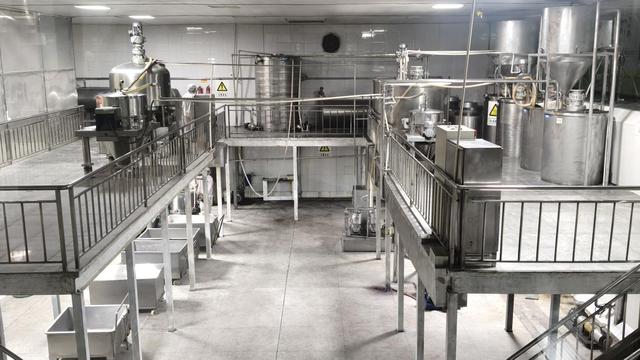
Dongguan Tsrel Biology Co., Ltd. is a professional China vegetal protein manufacturer specializing in the research, development, production, and supply of high-quality plant protein ingredients for food, beverage, and nutritional applications. With a strong focus on innovation, sustainability, and quality assurance, the company is dedicated to providing reliable plant-based ingredient solutions to customers worldwide.
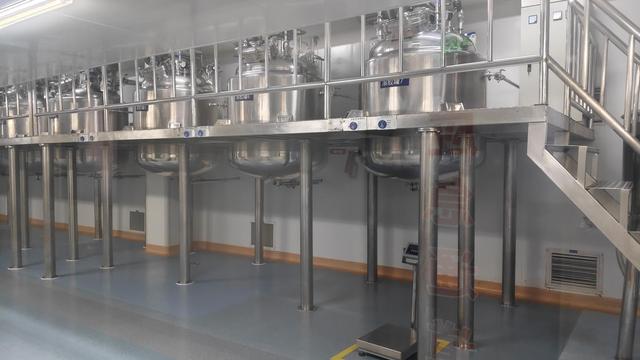
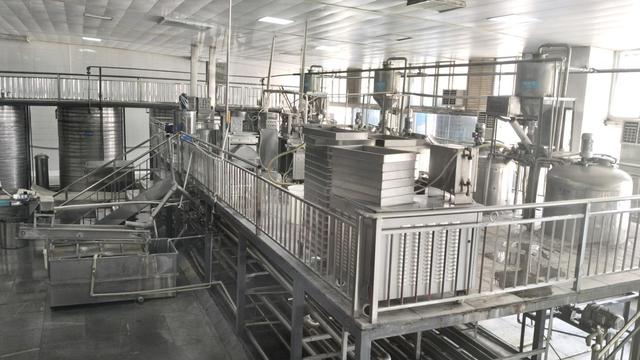
Equipped with advanced manufacturing facilities and modern processing technologies, Dongguan Tsrel Biology offers a comprehensive range of vegetal proteins, including soy protein, pea protein, rice protein, wheat protein, and other specialty plant proteins. These ingredients are widely used in functional foods, nutritional supplements, sports nutrition products, dairy alternatives, meat alternatives, beverages, bakery products, and health food applications.
Innovation is a key driving force behind the company's growth. Supported by an experienced research and development team, Dongguan Tsrel Biology continuously explores new technologies and application solutions to meet the evolving demands of the global food and nutrition industries. The company also provides customized ingredient solutions to help customers optimize product formulations, improve nutritional profiles, enhance texture, and create clean-label products.
Quality and food safety are integrated into every stage of production. From raw material sourcing and processing to final testing and packaging, strict quality control procedures are implemented to ensure product consistency, purity, safety, and compliance with international standards. This commitment enables the company to deliver dependable products that meet the rigorous requirements of global customers.
With customer satisfaction at the center of its operations, competitive manufacturing capabilities, stable supply chains, and professional technical support, Dongguan Tsrel Biology Co., Ltd. has established long-term partnerships with food manufacturers, distributors, and brand owners across international markets. The company remains committed to advancing sustainable nutrition through innovative plant protein solutions for the global marketplace.
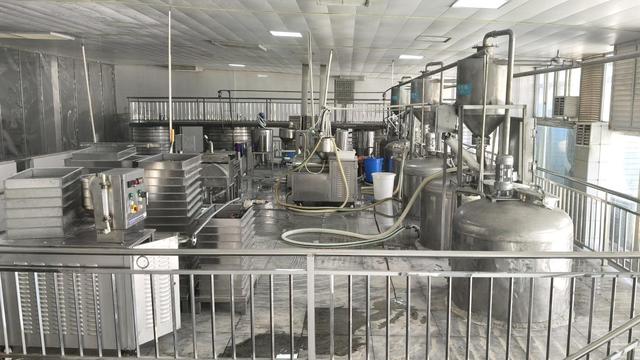
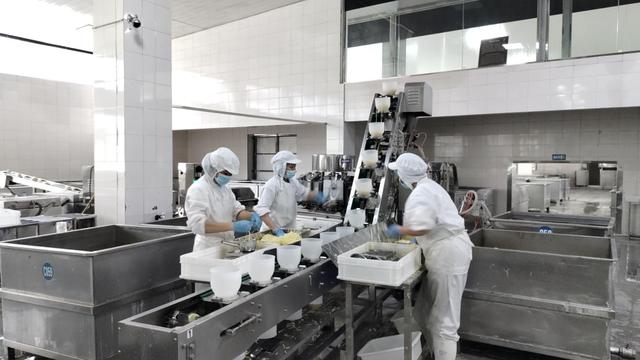
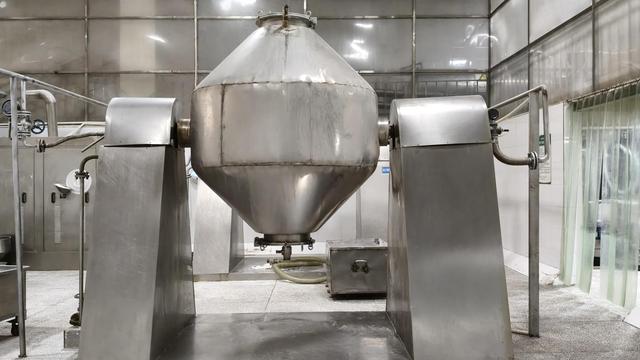
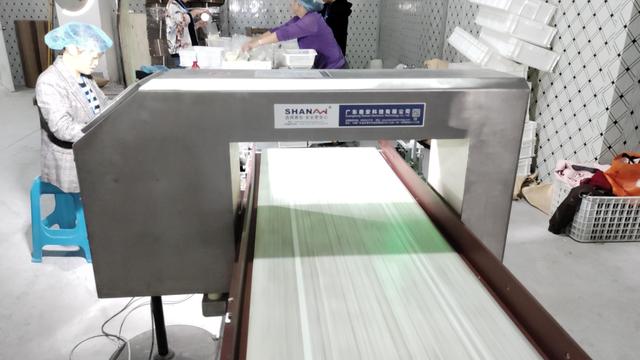
Production Facility & Quality Control Laboratory

Technical Roadmap & Future Outlook (2024 - 2028)
As the industry moves toward highly specialized functional snack profiles, several emerging technological breakthroughs are shaping how future protein cookies are formulated and produced:
Advanced Enzyme Treatment
To eliminate chalkiness, manufacturers are turning to target enzyme treatments that break down large protein molecules into highly soluble oligopeptides. This improves smooth texture profiles while maintaining nutritional values.
Sustainable Allergen-Free Options
While soy remains popular, there is a clear trend toward fava bean, oat, and sunflower seed protein isolates. These supply chains avoid major allergen declarations and meet the growing demand for clean labels.
Industrial FAQ: Deep Sourcing Intelligence
Why do high-protein cookies become hard over time, and how is this fixed?
High protein concentrations bind free water in dough, causing crumb hardening during storage. Sourcing partners fix this by blending hydrolyzed proteins (like hydrolyzed wheat or rice peptides) with soy or pea isolates. These smaller peptides retain moisture, maintaining a soft-baked texture over a 12-month shelf life.
How do you hide the bitter taste of plant proteins without adding sugar?
Plant proteins (especially pea and fava bean) contain natural compounds that can taste bitter. Manufacturers manage this by using highly purified isolates (90%+) and combining them with oat protein to smooth the flavor profile. They also use clean-label flavors and natural, non-glycemic sweeteners like stevia or erythritol.
What are the typical minimum order quantities (MOQs) for B2B contract baking?
For custom-formulated protein cookies, MOQs typically range from 50,000 to 100,000 units per flavor run, depending on the packaging line. For bulk raw material supply (like protein isolates and peptides), standard MOQs range from 500 kg to 1 metric ton.
What certifications are required for exporting protein cookies to the US and EU?
Exporters need GFSI-compliant facility audits (such as BRCGS or SQF), along with registrations for FDA (US) or EFSA (EU). Depending on your target audience, certifications like Non-GMO Project Verified, Gluten-Free, Halal, and Kosher are also important to secure retail shelf space.
Can fava bean and mung dal beans be used to boost protein in snacks?
Yes, fava bean isolates and mung dal bean flours are excellent for baked snacks. They have neutral flavor profiles, high protein contents (80-90% for isolates), and great water-binding properties. They also appeal to consumers looking for soy-free and gluten-free options.
Explore Additional Food-Grade Raw Materials & Products
Additional selections of high-purity protein powders, functional snacks, and plant-based intermediates to meet custom formulation specifications.
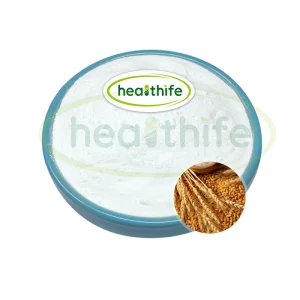
Healthife Food Grade Wheat Peptide 80% Hydrolyzed Protein Powder
Request Wholesale Specs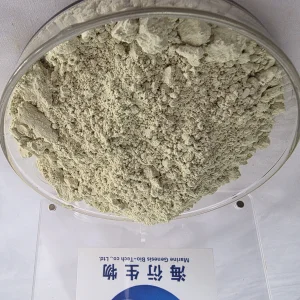
Organic Wild Pumpkin Seed Protein Powder 60% Health Food Grade
Request Wholesale Specs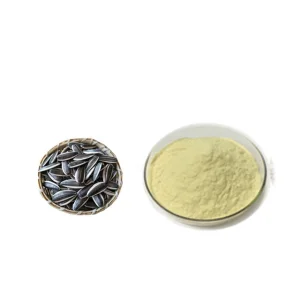
Nutrition Supplements Sunflower Protein / Sunflower Seed Protein
Request Wholesale Specs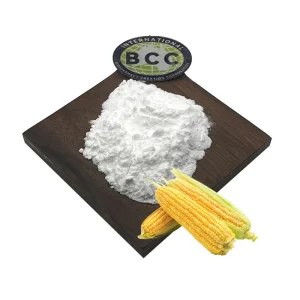
BCC Food Grade Corn Oligopeptides Zein Powder Protein Peptide
Request Wholesale Specs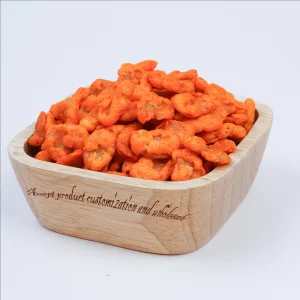
High-Protein Vegan Fava Bean Snacks: Ready-to-Eat, Gluten-Free
Request Wholesale Specs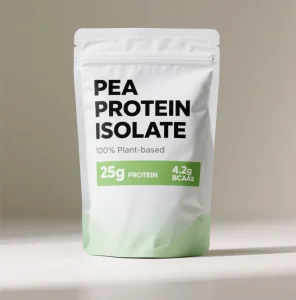
OEM Private Label 100% Plant Based Pea Protein Isolate Powder
Request Wholesale Specs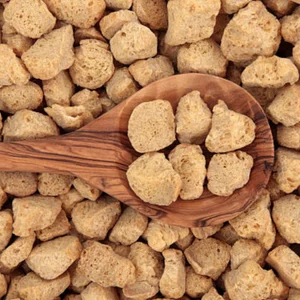
Textured Vegetable Protein Soy Chunks High-Protein Meat Substitute
Request Wholesale Specs