Featured Raw Materials & High-Protein Snack Ingredients


1. The Global Evolution of Protein Chips: Commercial and Industrial Ecosystem
The global snack market is undergoing a structural transition. Consumer demands have shifted from basic organoleptic satisfaction to functional benefits. As a result, the market segment for high-protein snacks, specifically protein chips, has emerged from a niche fitness demographic to mainstream consumer retail. By incorporating plant-based or whey protein concentrates, modern manufacturers are able to replicate the traditional crunch of potato chips while offering clean macronutrient ratios: typically 10 to 20 grams of protein per serving, paired with low carbohydrates and reduced fat profiles.
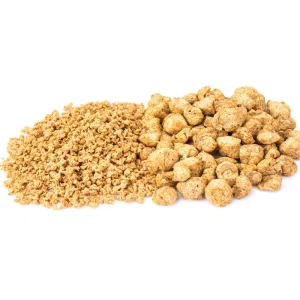
From an industrial perspective, producing protein chips is complex. Unlike traditional potato or corn chips that rely on native starch gelatinization for their crispy texture, protein molecules behave differently when subjected to high heat and shear force. Achieving the perfect expansiveness—without turning the chips dense or rubbery—requires advanced twin-screw extrusion technologies. By sourcing premium plant proteins such as pea protein isolate, textured soy protein (TVP), and fava bean extract, leading B2B suppliers can formulate dough bases that expand uniformly, mimicking the exact crunch of a standard chip.
2. Key Technical Attributes of Top Protein Chip Suppliers
Advanced Extrusion Technology
Utilizing high-moisture and low-moisture twin-screw extrusion systems to control the cellular air pockets inside the chip matrix, ensuring a light and crispy bite.
Strict Quality Control
Ensuring HACCP, GMP, and ISO certifications across raw material intake, processing, and packaging to maintain safety and compliance across global retail markets.
High Sensory Profile Optimization
Deploying specialized enzyme technologies to reduce the native bitterness or "beany" off-notes of high-protein concentrations, creating a neutral base for seasonings.
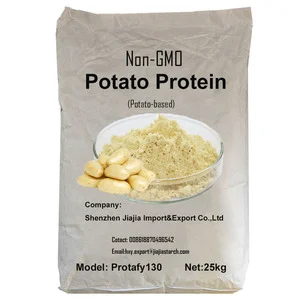
Global B2B procurement professionals must look beyond pricing when selecting the top protein chips manufacturers. Factors such as water absorption indexes, protein dispersibility indexes, and structural density are fundamental to shelf-life performance and consumer satisfaction. Top-tier exporters now incorporate functional binders like Konjac flour and Potato protein isolates to lock in structure while preserving low-carb, keto-friendly consumer requirements.
3. Manufacturer Spotlight: Dongguan Tsrel Biology Co., Ltd.
Dongguan Tsrel Biology Co., Ltd. is a professional China vegetal protein manufacturer specializing in the research, development, production, and supply of high-quality plant protein ingredients for food, beverage, and nutritional applications. With a strong focus on innovation, sustainability, and quality assurance, the company is dedicated to providing reliable plant-based ingredient solutions to customers worldwide.
Equipped with advanced manufacturing facilities and modern processing technologies, Dongguan Tsrel Biology offers a comprehensive range of vegetal proteins, including soy protein, pea protein, rice protein, wheat protein, and other specialty plant proteins. These ingredients are widely used in functional foods, nutritional supplements, sports nutrition products, dairy alternatives, meat alternatives, beverages, bakery products, and health food applications.
Innovation is a key driving force behind the company's growth. Supported by an experienced research and development team, Dongguan Tsrel Biology continuously explores new technologies and application solutions to meet the evolving demands of the global food and nutrition industries. The company also provides customized ingredient solutions to help customers optimize product formulations, improve nutritional profiles, enhance texture, and create clean-label products.
Quality and food safety are integrated into every stage of production. From raw material sourcing and processing to final testing and packaging, strict quality control procedures are implemented to ensure product consistency, purity, safety, and compliance with international standards. This commitment enables the company to deliver dependable products that meet the rigorous requirements of global customers.
With customer satisfaction at the center of its operations, competitive manufacturing capabilities, stable supply chains, and professional technical support, Dongguan Tsrel Biology Co., Ltd. has established long-term partnerships with food manufacturers, distributors, and brand owners across international markets. The company remains committed to advancing sustainable nutrition through innovative plant protein solutions for the global marketplace.
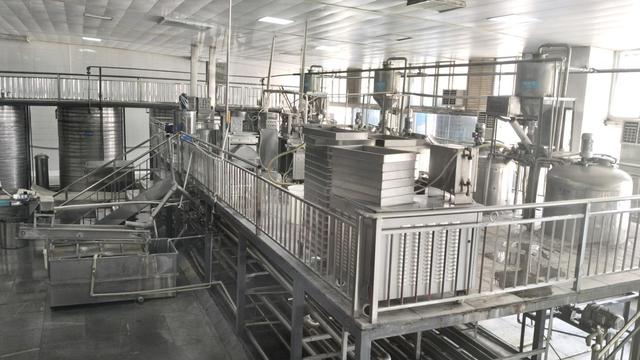
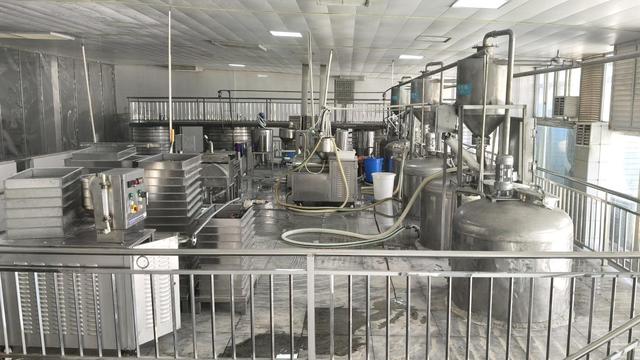
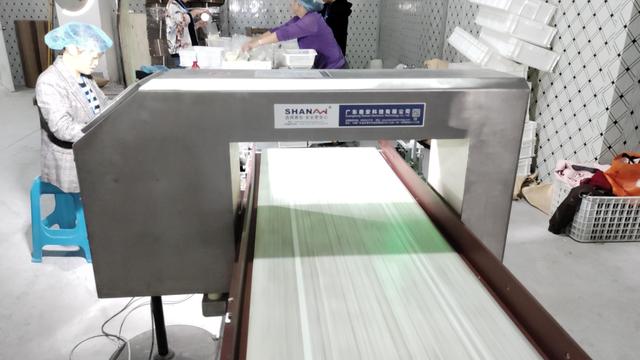
Industrial Manufacturing Facilities & Extraction Process






4. Industrial Efficiency and Logistics Advantages of China Suppliers
The manufacturing ecosystem in China offers unique operational efficiencies for global protein chip brands. Thanks to deep cluster integration, manufacturers like Dongguan Tsrel Biology Co., Ltd. can secure raw agricultural commodities, process them into high-purity protein isolates, and run large-scale food manufacturing operations in close proximity. This minimizes inland logistics delays and stabilizes raw material supply against volatile international crop shipping conditions.
Furthermore, domestic machinery manufacturers in China have advanced the scaling of twin-screw food extrusion machines. By matching precise heat control with dynamic injection valves, local plants achieve a highly consistent density profile across batches. The optimization of steam injection and pressure drops yields protein chips with an optimal crunch, zero graininess, and a low moisture retention level of under 4%. This ensures a long shelf life of up to 12 months without requiring artificial preservatives—a key advantage for high-volume B2B importers targeting the North American, European, and Australian consumer markets.
5. Regional Application Trends & Localized Formulation Strategies
Understanding local taste profiles and regional regulatory policies is essential when exporting protein chips globally. In North America and Northern Europe, consumers lean toward heavy, robust flavor seasonings such as aged cheddar, sour cream & onion, and barbecue. Structurally, these markets prefer robust, thick-cut style chips that can support dips, requiring a denser crumb matrix powered by Textured Vegetable Protein (TVP) and high-viscosity starches.
Conversely, East Asian and Latin American markets prefer lighter, wafer-thin crisps with sea salt, sweet chili, or seaweed flavorings. For these formulations, developers rely heavily on high-solubility isolates such as organic pea protein isolate and fava bean protein isolate. Adding functional binders like konjac dry powder or potato peptide concentrates helps create a delicate, puffed cell structure. This structure disintegrates quickly during chewing, avoiding any dry, chalky residues.
Frequently Asked Questions: Global Protein Chips Procurement
Industrial Bulk Proteins & Functional Snack Formulation Ingredients