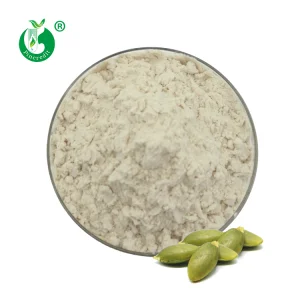
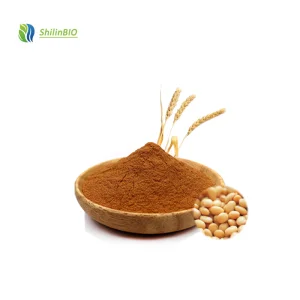
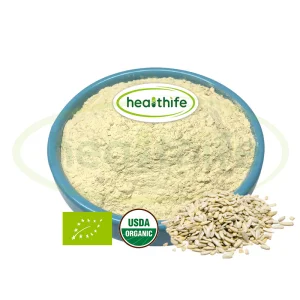
Premium Ingredient Selection
Explore our high-performance plant proteins and extracts engineered specifically for modern food reformulation demands.
The Macro-Environment of Global Food Reformulation
In response to rising healthcare costs, strict global dietary policies, and shifting consumer demographics, food reformulation has transitioned from a voluntary trend into an industry-wide mandate. Major regulatory frameworks, such as Europe's Nutri-Score labeling, the UK’s HFSS (High in Fat, Sugar, and Salt) restrictions, and the FDA’s voluntary sodium reduction goals, have forced multinational food companies to re-evaluate their portfolios. The mandate is clear: optimize the nutritional value of foods without compromising taste, mouthfeel, or shelf stability.
Replacing traditional animal fats, sugar, and chemical texturizers requires high-performance, plant-derived alternatives. Plant proteins are no longer just meat-alternative components; they serve as structural builders, emulsion stabilizers, and clean-label fortifiers. As a leading manufacturer and exporter, we address these complex structural demands by offering customized vegetal proteins that fulfill both nutritional claims and clean-label requirements.
Key Industry Drivers in Food Reformulation:
The global push toward functional reformulation is driven by three main factors: clean-label transparency, which replaces chemical binders with botanical proteins; sustainability initiatives, targeting lower carbon footprint raw materials; and health directives, focusing on sugar reduction, salt reduction, and protein enrichment in everyday foods.
Achieving these standards requires sourcing ingredients that maintain their functional properties under rigorous processing conditions, such as high-temperature short-time (HTST) pasteurization and extrusion. By partnering with advanced ingredient processors, food brands can navigate these complex formulation matrices without sacrificing sensory quality.
Clean Label Solutions
Replacing synthetic emulsifiers and thickeners with native and hydrolyzed plant proteins that carry a clean label declaration.
Nutritional Enhancement
Fortifying sports nutrition, meal replacements, and daily staples with amino-acid balanced plant proteins to elevate nutritional scores.
Process Stability
Ensuring protein isolates retain high water-binding, emulsification, and solubility properties under extreme heat and shearing.
Industrial Strength & Manufacturing Expertise
Dongguan Tsrel Biology Co., Ltd. is a professional China vegetal protein manufacturer specializing in the research, development, production, and supply of high-quality plant protein ingredients.
Dongguan Tsrel Biology Co., Ltd. stands at the forefront of the Chinese agricultural processing industry, providing tailored vegetal protein solutions to food, beverage, and nutritional markets worldwide. Guided by a commitement to innovation, sustainability, and strict quality assurance, the company supplies plant-based ingredient solutions designed to meet the rigorous demands of modern food manufacturers.
Equipped with advanced manufacturing facilities and modern processing technologies, Dongguan Tsrel Biology offers a comprehensive portfolio of plant-based proteins, including soy protein, pea protein, rice protein, wheat protein, and other specialty plant proteins. Our ingredients are widely utilized in functional foods, nutritional supplements, sports nutrition products, dairy alternatives, meat alternatives, beverages, bakery products, and health food applications.
Innovation remains a central driving force behind our growth. Supported by an experienced research and development team, Dongguan Tsrel Biology continually explores new technologies and application solutions to meet the evolving demands of the global food and nutrition industries. We also provide customized ingredient solutions to help customers optimize product formulations, improve nutritional profiles, enhance texture, and create clean-label products.
Quality and food safety are integrated into every stage of production. From raw material sourcing and processing to final testing and packaging, strict quality control procedures are implemented to ensure product consistency, purity, safety, and compliance with international standards. This commitment enables us to deliver dependable products that meet the rigorous requirements of global customers.
With customer satisfaction at the center of its operations, competitive manufacturing capabilities, stable supply chains, and professional technical support, Dongguan Tsrel Biology Co., Ltd. has established long-term partnerships with food manufacturers, distributors, and brand owners across international markets. The company remains committed to advancing sustainable nutrition through innovative plant protein solutions for the global marketplace.
Technical Performance & Formulation Matrix
Scientific engineering of protein structures to deliver specific functional behaviors across diverse food matrices.
To successfully replace animal-derived proteins or chemical stabilizers, plant proteins must match their functional profiles. In baking, proteins must assist in gas retention and crumb structure; in beverages, they must remain soluble and resist precipitation at low pH; and in meat alternatives, they must texturize and retain moisture during cooking. Our R&D team modifies physical structures through targeted enzymatic hydrolysis and controlled drying technologies to achieve these performance metrics.
| Ingredient Base | Key Functional Attribute | Optimal pH Range | Primary Application | Reformulation Target |
|---|---|---|---|---|
| Pea Protein Isolate | Emulsification, gelation, high lysine profile | 6.0 - 7.5 | Meat alternatives, plant-based dairy | Replacing soy allergens & animal fat binders |
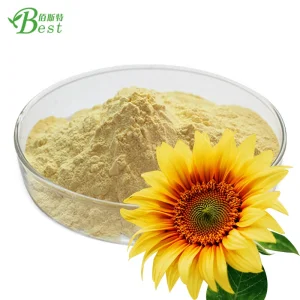
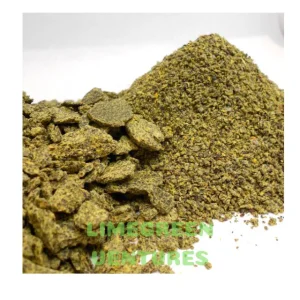
| Sunflower Seed Protein | Excellent dispersion, delicate nutty profile | 5.5 - 7.0 | Meal replacements, protein shakes | Replacing dairy whey proteins |
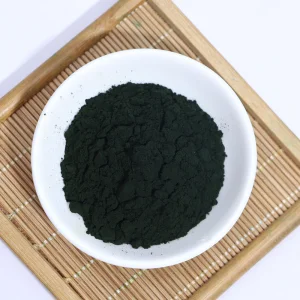
| Hydrolyzed Veg. Protein (HVP) | Flavor enhancement, deep umami contribution | 4.0 - 8.0 | Savoury soups, sauces, dry seasoning | Replacing MSG and artificial flavor enhancers |
| Fava Bean Protein Isolate | Superior solubility, foaming stability | 3.5 - 6.5 | Whipped toppings, egg-free bakery | Egg white replacement (albumin substitution) |
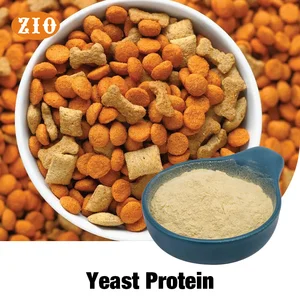
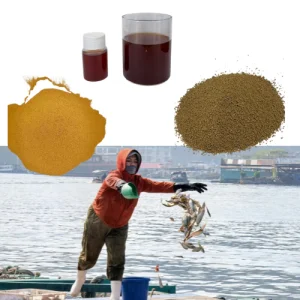
| Yeast Protein Powder | Highly digestible, balanced amino acids | 5.0 - 7.0 | Nutritional beverages, premium pet feed | Replacing fish meal and animal proteins |
Meeting Global Procurement Demands
Global procurement teams face several challenges when sourcing plant-based raw materials, including price volatility, heavy metal contamination, pesticide residues, and batch-to-batch inconsistency. At Dongguan Tsrel Biology, we resolve these pain points by building integrated supply chains. By establishing direct contracts with organic agricultural regions in China, we secure traceably sourced raw inputs, offering long-term pricing stability and consistent quality.
Our raw material testing protocols screen for a wide spectrum of agricultural contaminants. We utilize advanced gas chromatography-mass spectrometry (GC-MS) and inductively coupled plasma mass spectrometry (ICP-MS) to ensure every shipment complies with both EU and US FDA safety limits. This rigorous documentation supports smooth customs clearance and protects our customers' brand reputations.
Guaranteed Traceability
Full verification of product origins from raw seed selection through extraction to final packaging.
Strict Contaminant Testing
In-house and third-party laboratory verification for heavy metals, pesticides, and microbial pathogens.
Industrial Capacity
High-volume processing facilities engineered to maintain consistent supply cycles for global food brands.
Technical Roadmap & Future Outlook
Adapting next-generation plant protein extraction technologies to satisfy clean label trends.
The future of plant protein extraction lies in reducing chemical processing aids and minimizing structural damage to protein molecules. Dongguan Tsrel Biology's development pipeline focuses on implementing subcritical water extraction and advanced membrane separation technologies. These processes yield highly purified protein isolates without the use of harsh synthetic solvents, preserving the natural functional properties of the proteins.
Phase 1: Enzymatic De-flavoring and Bitter-Blocker Integration
Utilizing precise enzymatic treatment to break down volatile hexanal compounds responsible for the "beany" off-notes in legumes. This enables food brands to formulate with reduced levels of added sugars and artificial masking agents.
Phase 2: Upcycled Protein Stream Optimization
Extracting premium proteins from agricultural byproducts, such as sunflower press cakes and rapeseed meal. This approach reduces raw material waste and supports circular economy goals within food supply chains.
Phase 3: High-Moisture Extrusion (HME) Performance
Developing plant proteins that form stable fibrous networks during high-moisture extrusion, replicating the texture and chewiness of animal muscle tissue in meat alternatives.
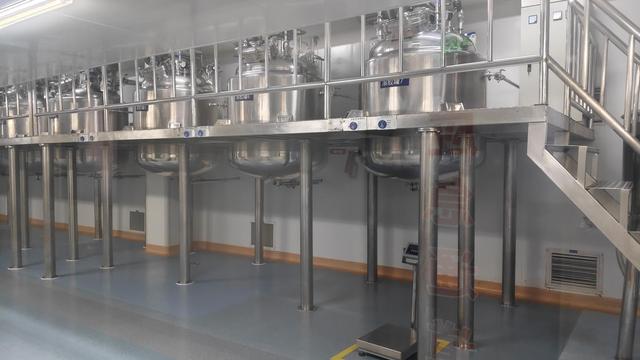
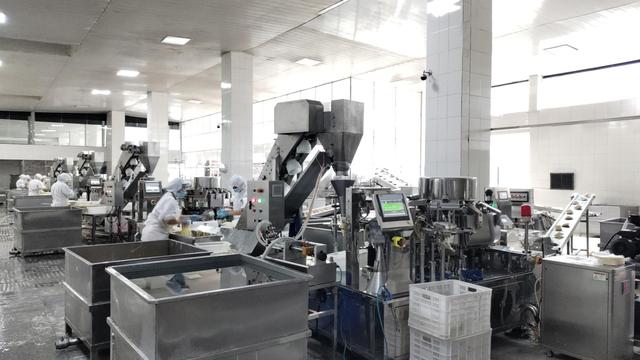
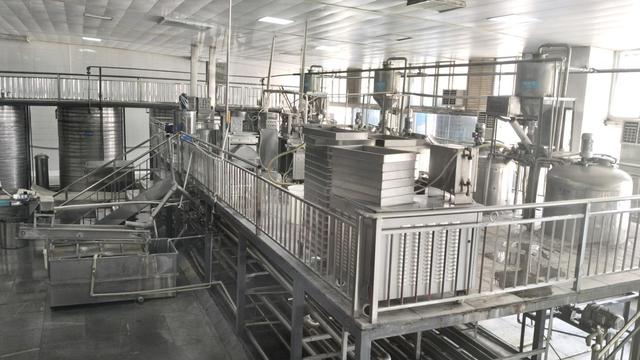
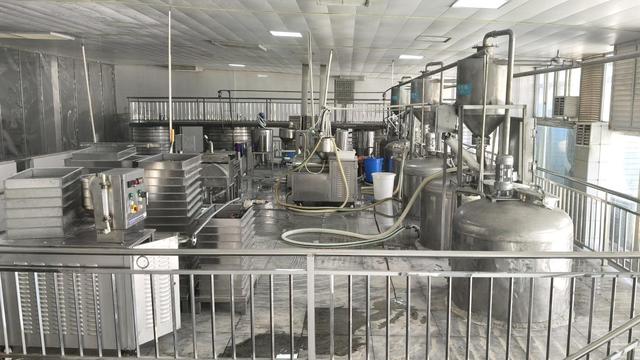
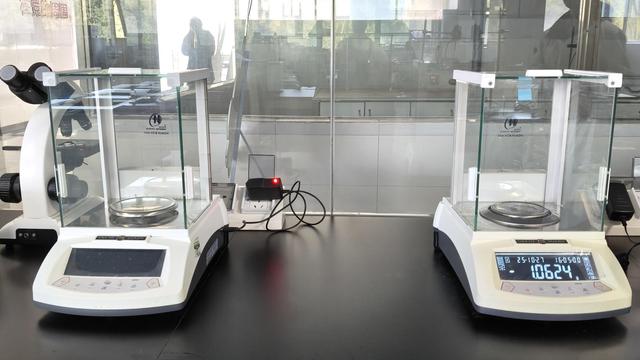
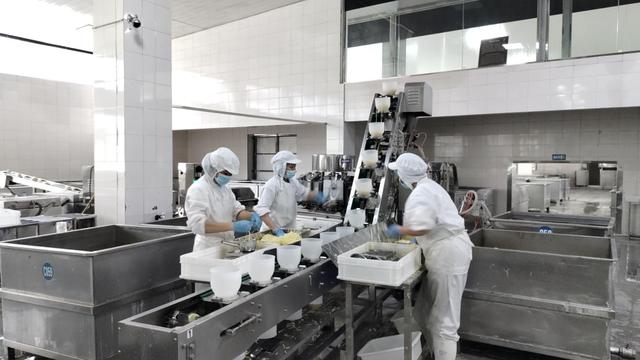
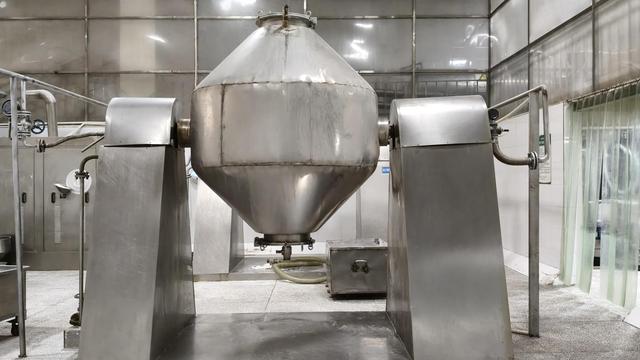
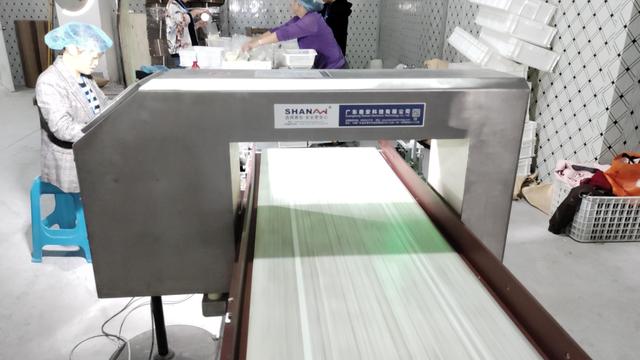
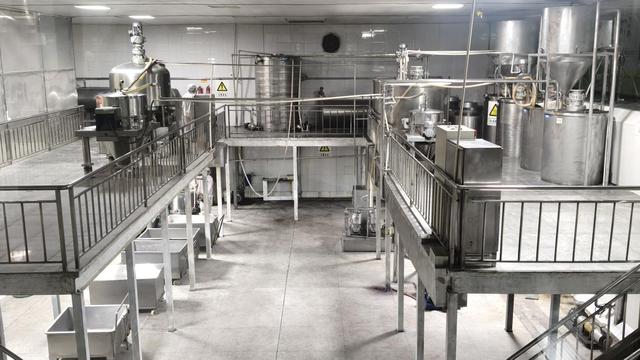
State-of-the-Art Processing Infrastructure
An inside look at our manufacturing facilities, analytical labs, and production capacity.
Technical & Procurement Q&A
Common questions from global food technologists, R&D managers, and procurement officers.
Specialized & Functional Plant Proteins
Explore our targeted solutions for pet nutrition, organic bakery, and specialized protein extraction applications.