Top 5 Plant Proteins with Complete Amino Acids for Buyers?
As the demand for plant-based diets increases, consumers seek reliable protein sources. Many people ask, "which vegetal proteins contain complete amino acids?" Understanding this is crucial for anyone aiming for a balanced diet. Research from the Nutrition Journal shows that only a few plant proteins provide all essential amino acids, making it vital for buyers to choose wisely.
Legumes, for example, such as quinoa and soy, stand out. Quinoa is often praised for its complete amino acid profile. According to a study published in the Journal of Food Science, it contains all nine essential amino acids. Similarly, soy products, like tofu and tempeh, are recognized for their high-quality protein content. However, many shoppers are still unaware of these options.
Experts recommend looking for plant proteins that meet dietary needs. It's important to note that combining different proteins can also achieve a complete amino acid intake. Understanding which plant proteins are complete can lead to better nutritional choices. Always consider personal health goals and preferences when selecting protein sources. The quest for optimal plant-based nutrition continues to evolve, reminding consumers to stay informed.
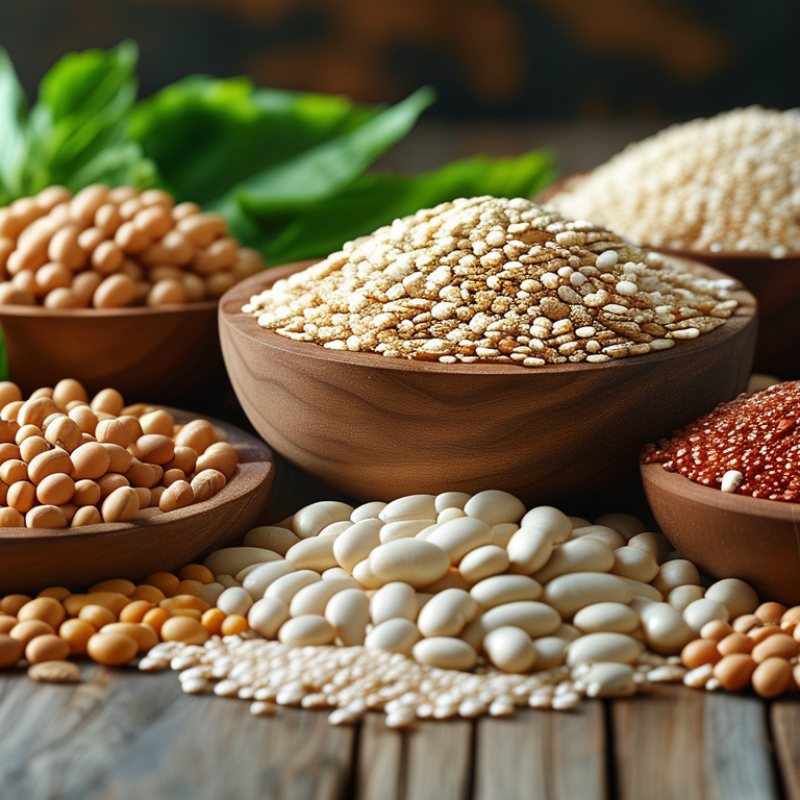
Top Plant-Based Proteins with Complete Amino Acid Profiles
Plant-based proteins are gaining popularity for their nutritional benefits. Many of them offer complete amino acid profiles, making them suitable alternatives for those seeking non-animal sources. According to a report by the Harvard T.H. Chan School of Public Health, plant proteins can support muscle health and fulfill dietary needs when combined properly.
Pea protein is highly regarded for its balance of essential amino acids. Studies show its effectiveness in post-workout recovery. Quinoa is another noteworthy option. It is rare among plant foods as it contains all nine essential amino acids. Additionally, hemp protein is rich in omega-3 fatty acids and offers a complete protein profile.
Sourcing these proteins can be challenging. Not all products provide the same quality, and processing methods vary widely. Some products may lack bioavailability, impacting how well the body absorbs these nutrients. Prospective buyers should look for reliable certifications and transparency in sourcing. This can enhance confidence in the nutritional value of these proteins.
Top 5 Plant Proteins with Complete Amino Acids
| Protein Source | Complete Amino Acid Profile | Protein Content (per 100g) | Key Benefits |
|---|---|---|---|
| Quinoa | Yes | 14g | High in fiber, magnesium, and antioxidants |
| Soybeans | Yes | 36g | Rich in iron, calcium, and omega-3 fatty acids |
| Chia Seeds | Yes | 17g | Boosts energy, high in fiber, and antioxidants |
| Hemp Seeds | Yes | 33g | Balances omega-3 and omega-6 fatty acids |
| Amaranth | Yes | 14g | High in fiber and micronutrients |
FAQS
: Complete amino acid proteins contain all essential amino acids needed for health.
Quinoa, buckwheat, and soybeans are excellent plant protein sources.
Quinoa can be used in salads, bowls, or as a breakfast base.
Buckwheat has a rich texture and subtle taste, great for porridge or baking.
Consuming a variety of plant proteins ensures you meet all nutritional needs effectively.
Some plant proteins may cause bloating or discomfort for certain individuals.
Avoiding gluten or soy may influence plant protein selections for some individuals.
A meal plan can help ensure you don’t overlook any important nutrients.
Trial and error can guide you in finding the best protein choices for your diet.
Goals like muscle gain or weight loss influence your plant protein selections and intake.
Conclusion
This article explores the top plant-based proteins that provide complete amino acid profiles, essential for those seeking to enhance their dietary intake with vegetarian options. It highlights the nutritional benefits of these complete amino acids, which are crucial for various bodily functions such as muscle repair and immune support. A comparative analysis between plant and animal protein sources illuminates the unique advantages of choosing plant proteins, particularly in promoting overall health and sustainability.
Additionally, the article provides practical guidance on how to incorporate these complete amino acid proteins into your diet effectively. It outlines key factors to consider when selecting plant proteins, ensuring consumers can make informed choices tailored to their dietary needs. In the quest to find out which vegetal proteins contain complete amino acids, readers will discover viable options that fulfill their nutritional requirements while maintaining a plant-based lifestyle.
