Top 10 Facts About What Are Vegetal Proteins?

Time:2026-06-30 Author:Sienna
0%

Vegetal proteins are gaining popularity in the food industry. As health trends shift, many are curious about what are vegetal proteins. According to a recent report from the Plant-Based Foods Association, the market for plant-based proteins is projected to grow 27% by 2027. This change suggests a significant shift in consumer preferences towards plant-based diets.

Experts emphasize the benefits of these proteins. Dr. Lina Chen, a leading nutritionist, states, "Incorporating vegetal proteins can lead to improved health outcomes and reduced environmental impact." This highlights the crucial role these proteins play in nutrition and sustainability. Many still have misconceptions about plant-based protein sources, often assuming they lack essential nutrients.

While vegetal proteins provide numerous advantages, they also come with challenges. Not all plant proteins offer a complete amino acid profile. It requires careful planning to ensure balanced nutrition. Understanding what are vegetal proteins and how to incorporate them into diets can help consumers make informed choices.
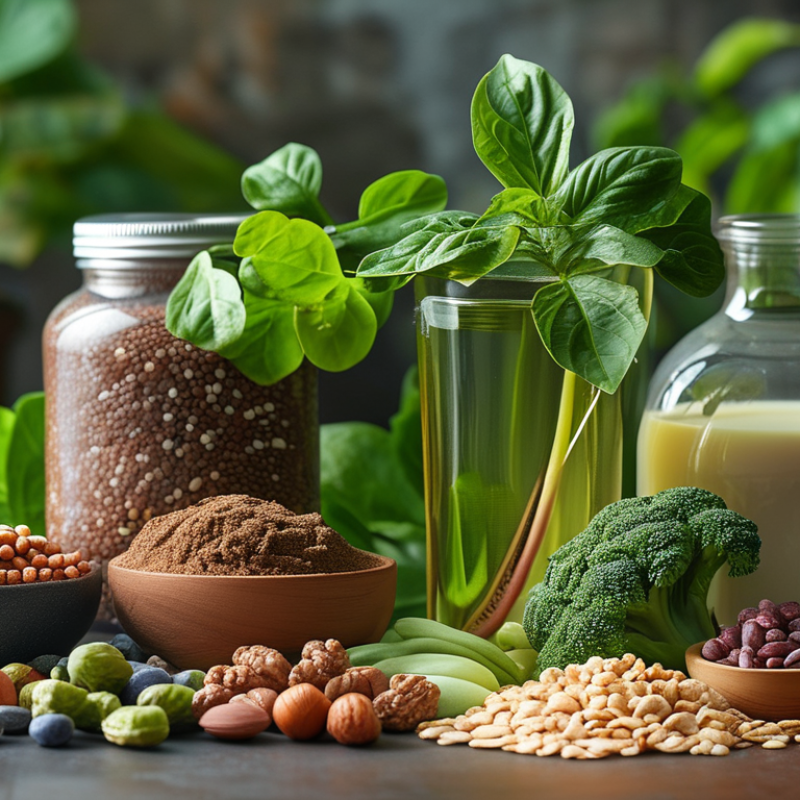
Top 10 Facts About What Are Vegetal Proteins?

Definition and Overview of Vegetal Proteins

Vegetal proteins, derived from plants, are crucial for a balanced diet. They include beans, lentils, nuts, and grains. These proteins offer essential amino acids. According to the Food and Agriculture Organization (FAO), a plant-based diet can provide enough protein for human needs. This is particularly important as the global population continues to rise.

The growing interest in vegetarianism and veganism emphasizes the significance of vegetal proteins. A report from the Research Institute of Food Science indicates that the global market for plant-based proteins is expected to reach $19.5 billion by 2026. Many people are now gravitating towards meat alternatives, seeking health benefits and environmental sustainability. However, not all plant proteins are equal; some lack certain amino acids. This challenge encourages individuals to combine different sources to meet their nutritional needs.

Despite their benefits, reliance solely on vegetal proteins can lead to deficiencies in vitamins like B12, typically found in animal products. Some may struggle with digesting legumes, leading to discomfort. A balanced approach is essential. Exploring various protein sources ensures a well-rounded intake. Understanding the nuances of vegetal proteins is vital for those aiming for a healthier lifestyle.

Sources of Vegetal Proteins in Plant-Based Diets

Plant-based diets are gaining popularity, and with them, the importance of vegetal proteins. These proteins come from various plant sources, providing essential nutrients. Legumes, including lentils, beans, and chickpeas, are some of the richest sources. They not only offer high protein content but also fiber and vitamins.

Nuts and seeds are another excellent source of vegetal proteins. Almonds, walnuts, chia seeds, and flaxseeds contribute healthy fats alongside protein. Whole grains, such as quinoa and brown rice, are also notable. They provide complete protein when combined with legumes. However, relying solely on one source may not meet all protein needs. Diverse food choices are crucial for a balanced diet.

Incorporating different vegetal protein sources into meals can be both enjoyable and nutritious. Consider experimenting with plant-based recipes that include multiple sources. Recognizing the variations in protein quality across plants is also important. Some pairs may lack certain essential amino acids. Reflecting on these nuances can enhance dietary choices and overall health.

Nutritional Benefits of Incorporating Vegetal Proteins

Vegetal proteins, derived from plants, offer a range of nutritional benefits. They are ideal for those seeking healthier dietary options. Rich in fiber, they assist digestion and help maintain a healthy weight. Unlike many animal proteins, vegetal proteins usually contain no cholesterol, promoting heart health.

Legumes, nuts, seeds, and whole grains are excellent sources. Incorporating these into meals boosts nutrient intake without excess calories. However, it’s important to note that some vegetal proteins lack certain essential amino acids. This means variety in your diet is crucial. Pairing foods like rice with beans can provide a complete protein profile.

The transition to a plant-based protein source may require adjusting your cooking methods. Many individuals face challenges with flavor and texture when switching. Exploring spices and cooking techniques can enhance the experience. It’s a journey of experimentation. The rewards can be substantial, leading to better health and a sustainable lifestyle. Each small change can have lasting effects on well-being.

Comparison of Vegetal Proteins and Animal Proteins

When comparing vegetal proteins to animal proteins, several key distinctions emerge. Vegetal proteins, derived from plants, offer unique benefits. They are generally lower in saturated fats, which is appealing for heart health. Reports from the Food and Agriculture Organization reveal that a diet rich in plant-based proteins can reduce the risk of chronic diseases. They also tend to be high in fiber, promoting digestion and satiety.

On the other hand, animal proteins provide complete amino acids. They are considered high-quality proteins. Protein digestibility-corrected amino acid scores (PDCAAS) indicate that animal proteins rank higher for amino acid profile completeness. However, excessive consumption can lead to health issues. A balance is crucial. While animal proteins can be beneficial, overreliance may increase cholesterol levels.

Research emphasizes the importance of incorporating both protein sources into diets. A study from Nutrition Journal highlights that combining different protein types can enhance overall nutrient intake. However, the need for sustainable practices cannot be overlooked. The environmental impact of animal farming is significant, calling for a shift towards more plant-based options.

Potential Allergies and Considerations for Vegetal Protein Intake

Vegetal proteins are gaining popularity, but potential allergies can be a concern. Many individuals have sensitivities to common plant-based proteins like soy and gluten. Symptoms can range from mild digestive discomfort to severe reactions. It's crucial to identify any personal allergies before incorporating these proteins into your diet.


Another consideration is the nutrient balance. While plant-based proteins often come with fiber and vitamins, some may lack certain amino acids. This means a varied diet is essential. Individuals should pay attention to combining different protein sources. For example, pairing rice and beans can create a complete protein profile. There is a learning curve, especially for those new to this dietary shift.


Some people find it challenging to meet their protein needs through plants alone. This can lead to nutrition gaps. Reassessing protein intake regularly is important. Consulting with a healthcare provider can offer personalized advice. Being aware of allergies and nutritional balance can help individuals make informed dietary choices.

FAQS

: What are the primary benefits of vegetal proteins?

: Vegetal proteins are rich in fiber, promote heart health, and assist in weight management. They usually contain no cholesterol.

What are good sources of vegetal proteins?

Legumes, nuts, seeds, and whole grains are excellent sources. Incorporating them into meals can enhance nutrient intake.

Do vegetal proteins provide complete nutrition?

Some vegetal proteins lack essential amino acids. It's crucial to have variety in your diet to achieve balanced nutrition.

How can you improve the flavor of vegetal proteins?

Adjusting cooking methods and exploring spices can enhance flavor and texture. Experimentation can lead to delicious outcomes.

Can you have allergies to vegetal proteins?

Yes, sensitivities to soy and gluten are common. Symptoms can range from mild discomfort to severe reactions.

Is it necessary to combine different protein sources?

Yes, combining foods like rice and beans is important. This helps create a complete protein profile and ensures nutrient balance.

Are there risks to relying solely on animal proteins?

Excessive consumption of animal proteins can increase cholesterol levels. Balance is crucial for maintaining overall health.

How can one ensure adequate protein intake on a plant-based diet?

Regularly reassess protein sources and consider consulting a healthcare provider for personalized dietary advice.

What is the environmental impact of animal farming?

Animal farming has significant environmental effects, highlighting the importance of shifting to more plant-based options for sustainability.

What challenges might arise when switching to plant-based proteins?

Difficulty in meeting protein needs and adjusting to new flavors can be challenging. It's important to remain aware and adaptable.

Conclusion

Vegetal proteins are plant-based proteins derived from various sources such as legumes, grains, nuts, and seeds. These proteins are crucial for individuals following plant-based diets, offering a diverse range of essential amino acids needed for optimal health. The incorporation of vegetal proteins into daily meals not only contributes to nutritional balance but also provides additional health benefits, including improved digestive health and a lower risk of chronic diseases.

When comparing vegetal proteins with animal proteins, it's important to recognize that while both can offer beneficial nutrients, there may be differences in their amino acid profiles and digestibility. Additionally, some individuals may experience allergies or sensitivities to certain plant proteins, necessitating careful consideration of their dietary intake. Understanding "what are vegetal proteins" and their sources, benefits, and potential challenges is essential for making informed dietary choices.

Sienna

Sienna

Sienna is a skilled marketing professional with a deep expertise in our company’s core products and services. With a passion for innovation and detail, she plays a pivotal role in crafting insightful blog posts that not only highlight the unique features of our offerings but also provide valuable......