2026 Top Differences Between Veggie Proteins and Animal Proteins?
In recent years, the question of "what is the difference between vegetal proteins and animal proteins" has gained significant attention. According to a report by the Food and Agriculture Organization (FAO), the global protein market is evolving with a shift towards plant-based options. This shift reflects growing health concerns and environmental awareness among consumers.
Dr. Emily Stone, a nutrition expert, emphasizes the variability in amino acid profiles between these protein sources. She states, “Plant proteins are often considered incomplete, while animal proteins provide all essential amino acids.” This highlights a crucial difference in quality and bioavailability. However, many plant proteins can be combined to achieve a complete amino acid profile.
While plant proteins promote lower cholesterol levels and are often lower in calories, animal products offer efficient sources of vitamins like B12 and iron. Both come with unique advantages and drawbacks. Understanding these differences is essential for making informed dietary choices. The nuances of protein types challenge the perception that one source outweighs the other.
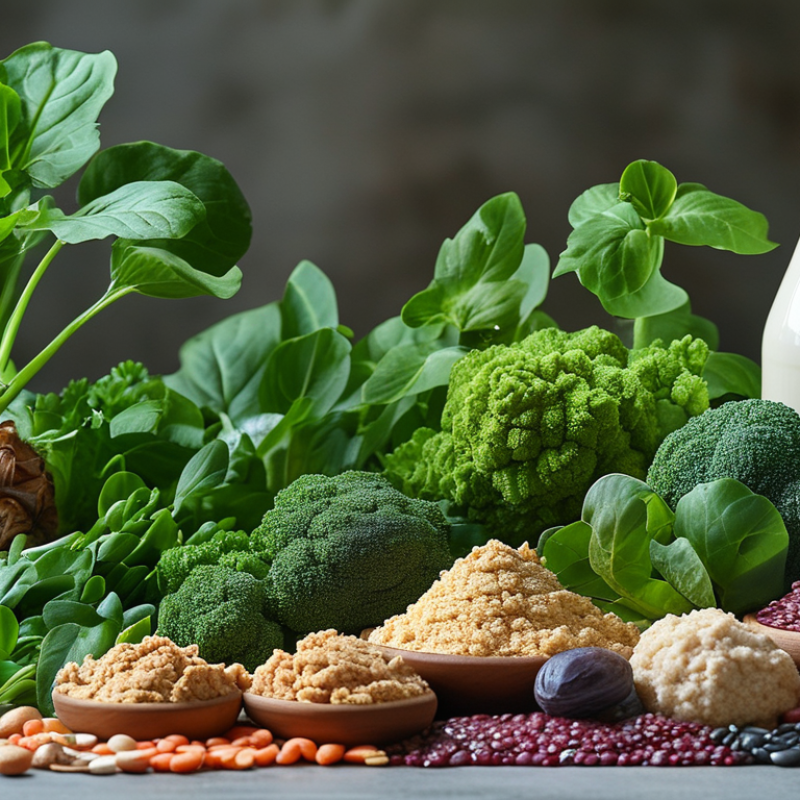
Key Nutritional Differences Between Veggie and Animal Proteins
When comparing veggie proteins and animal proteins, several key nutritional differences emerge. Veggie proteins, such as beans, lentils, and nuts, are generally lower in calories and saturated fats. They provide essential nutrients, such as fiber and antioxidants, which contribute to overall health. However, they often lack certain amino acids. This makes it important for those relying on plant-based diets to ensure they're getting a well-rounded intake of proteins.
On the other hand, animal proteins from sources like meat, dairy, and eggs tend to offer complete amino acid profiles. They are rich in vitamin B12 and iron, which are vital for energy production and red blood cell formation. Yet, high consumption of animal proteins might lead to increased cholesterol levels.
Many people face challenges in balancing the benefits and drawbacks of each protein type. Ultimately, dietary choices depend on individual health goals and lifestyles. If someone chooses veggie proteins, they should focus on a variety of sources to meet their amino acid needs. Those opting for animal proteins need to consider moderation to avoid potential health risks.
FAQS
: Animal proteins contain complete amino acid profiles. The body absorbs them readily, often exceeding 90% digestibility.
Plant proteins may contain anti-nutrients that inhibit absorption. Some people experience bloating from consuming them.
Proper cooking methods and food pairings can help. Mixing beans with rice or lentils with grains improves digestibility.
Animal farming requires extensive land and water. It also leads to deforestation and significant greenhouse gas emissions.
Not all plant proteins are sustainable. Some require heavy pesticides, which can harm soil quality and local ecosystems.
Transitioning to plant-based diets helps. Eat seasonally and locally to minimize the environmental footprint.
Yes, plant-based proteins can promote long-term health. A balanced diet with both protein types is beneficial.
Mindful consumption helps mitigate negative impacts on the environment. Reflecting on food choices can lead to better decisions.
Relying only on plant proteins may lead to nutrient deficiencies. A balanced approach is crucial for complete nutrition.
Consider digestibility, environmental impact, and nutritional value. Exploring different sources can diversify your diet.
Conclusion
The article "2026 Top Differences Between Veggie Proteins and Animal Proteins" explores key nutritional distinctions that arise when comparing these two protein sources. One major aspect discussed is the amino acid profiles, where animal proteins are generally considered complete, containing all essential amino acids, while many plant proteins are classified as incomplete. The digestibility and bioavailability of these proteins also vary, with animal proteins often being more easily absorbed by the body compared to plant-based options.
Additionally, the article delves into the environmental impact of protein production, highlighting the sustainability concerns associated with animal agriculture versus the lower ecological footprint of plant-based protein sources. Lastly, it examines the health implications of each protein type, outlining the benefits and risks associated with their consumption. Overall, the article provides a comprehensive analysis aimed at answering what is the difference between vegetal proteins and animal proteins, encouraging readers to consider these factors when making dietary choices.
