Creating plant-based proteins that taste good can be challenging. Many consumers encounter off flavors that can deter them from fully embracing these alternatives. Understanding how to reduce off flavors in vegetal proteins is essential for both manufacturers and home cooks alike.
Designing delicious plant-based products requires knowledge and skills. Ingredients play a crucial role in flavor. For example, certain legumes might produce a strong beany taste. Effective masking of these off flavors can enhance acceptance of these products.
Experimentation is key. Using marinades, spices, or cooking methods can transform a plant protein’s taste profile. However, not all methods work for every protein. This exploration may lead to trial and error, which can be frustrating but ultimately rewarding. The journey toward creating flavorful plant-based meals remains a fascinating challenge for culinary enthusiasts.
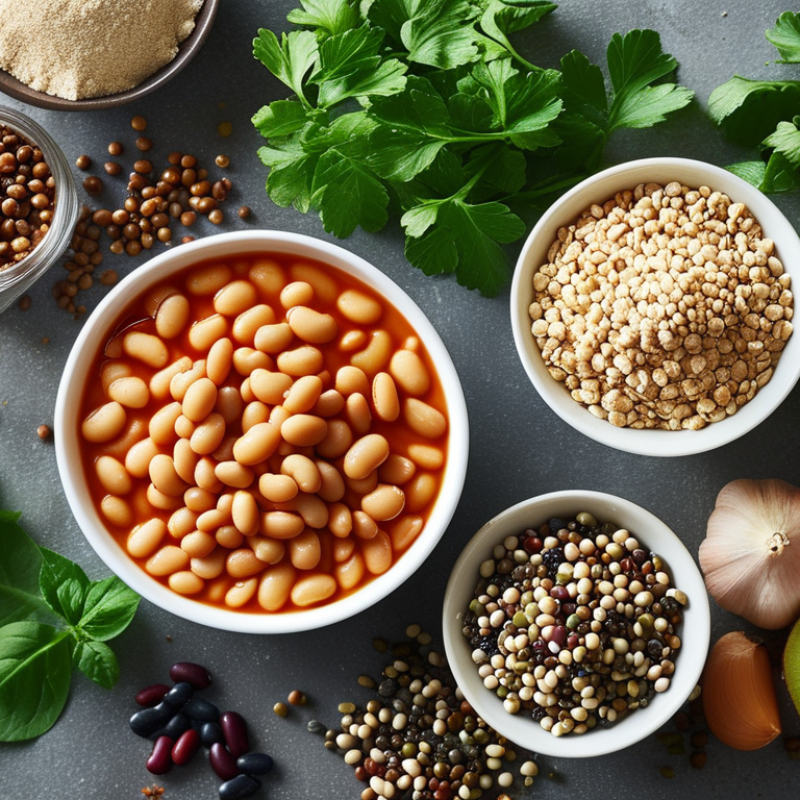
Identifying off flavors in plant-based proteins is crucial for product acceptance. Research indicates that specific flavors often deter consumers. Common off flavors include beany, grassy, and earthiness. These tastes can arise from raw materials, processing, or even storage conditions.
For instance, a 2021 industry report highlighted that consumers can distinguish beany notes in pea protein at concentrations as low as 0.1%. Grassy flavors, linked to high chlorophyll content, can also be prominent in certain formulations. The sensory experience significantly affects consumer choices, with 30% of participants in a tasting study rejecting products over unpleasant flavors.
Microbial activity plays a role as well. Improper handling can lead to fermentation, which produces off flavors. A study from the Plant Protein Alliance showed that the growth of specific bacteria contributes to sour and rancid notes in plant proteins. Addressing these issues requires rigorous quality control and innovative processing techniques to ensure flavor consistency and consumer satisfaction.
Plant-based proteins are gaining popularity. However, off flavors can detract from their appeal. Understanding the sources of these flavors is crucial for improvement.
Many plant ingredients carry inherent flavors. For instance, legumes can have a beany or grassy taste. This can be unappealing, especially in protein supplements. Other sources include processing methods that may intensify undesirable notes. For example, high heat can create bitter or burnt flavors.
Certain factors contribute to off flavors as well. The freshness of ingredients is vital. Stale or poorly stored products can develop rancid flavors. Additionally, the growing conditions can impact taste. Soil quality, climate, and harvesting techniques all play roles. Focusing on these elements can lead to better flavor profiles in plant-based proteins.
This chart illustrates the common sources of off flavors in plant-based proteins and their corresponding impact levels. Understanding these sources can help in effectively reducing unwanted flavors.
Flavor modification in plant-based protein products is a crucial aspect of enhancing their appeal. One effective technique is utilizing flavor masking agents. Ingredients like citrus zest or herbal extracts can help cover unwanted bitterness. These additions not only improve taste but also create a more balanced flavor profile.
Another method involves fermentation. Fermented plant-based proteins often develop complex flavors, similar to traditional animal proteins. This process can significantly alter the sensory characteristics of the final product. It encourages the growth of beneficial bacteria, which can transform flavor compounds.
Texture also plays a role in flavor perception. Improved texture can lead to a better overall eating experience, making off-flavors less noticeable. Experimenting with different processing techniques, such as extrusion or texturization, can yield diverse textures. However, finding the right method requires careful trials. Each batch may deliver unpredictable results, but the right adjustments can lead to flavorful innovations.
Selecting quality raw materials is crucial to minimize off flavors in plant-based proteins. Many studies indicate that the quality of source ingredients directly impacts flavor profiles. For instance, research shows that legumes, when processed incorrectly, can develop undesirable tastes. This issue often stems from improper drying or storage conditions that lead to rancidity in oils.
Using fresh, high-quality raw materials reduces the chances of these flavors. Look for ingredients that are sustainably sourced and freshly harvested. In a survey, 72% of food scientists emphasized the importance of ingredient selection in overall product flavor. Proper processing methods also play a vital role. Raw materials should be prepared without excessive heat to preserve their flavor integrity.
Tips: Always conduct sensory evaluations before finalizing your ingredient selections. Testing small batches can reveal unexpected flavor issues. Collaborating with suppliers who practice transparency in their production processes can also enhance the quality of your raw materials. Inconsistent quality can lead to off flavors, so choose suppliers who prioritize quality assurance. Aim for an ingredient mix that complements each other, as harmony between flavors is key in enhancing the end product.
| Raw Material | Common Off Flavors | Quality Indicators | Recommended Processing |
|---|---|---|---|
| Soy Protein | Beany, Grassy | Low moisture, Freshness | Fermentation, Heat treatment |
| Pea Protein | Earthy, Bitter | Color uniformity, Odor | Dewatering, Ion-exchange |
| Rice Protein | Nutty, Starchy | Purity Index, Source of starch | Sprouting, Enzymatic treatment |
| Hemp Protein | Grassy, Nutty | Color, Oil content | Cold pressing, De-shelling |
Plant-based proteins offer numerous health benefits, but their off-flavors can deter consumers. Effective processing methods are essential to enhance flavor quality. Research indicates that nearly 70% of consumers find flavor a crucial factor when choosing plant-based products. Improving taste is more than just adding seasoning; it involves careful selection of raw materials and processing techniques.
One effective method is enzymatic treatment, which can minimize off-flavors. A 2021 study showed that enzymatic hydrolysis improved the taste profile of pea protein by reducing beany flavors. Additionally, heat treatment, such as extrusion, has been proven to enhance flavor while improving protein digestibility. This method not only alters the structure of proteins but also creates desirable Maillard reactions that contribute to better flavor profiles.
Despite advancements, challenges remain. Whitish off-flavors can emerge, especially with certain legumes. Continuous research into ingredient combinations and processing times is needed. Industry experts emphasize the importance of understanding the specific properties of each plant source. Tailoring processing methods to individual ingredients can significantly reduce undesirable flavors, leading to better consumer acceptance.
: Off flavors are undesirable tastes that can make plant-based proteins less appealing to consumers.
Off flavors can come from inherent flavors, processing methods, and the freshness of ingredients.
High heat can create bitter or burnt flavors in plant ingredients, impacting overall taste.
Fresh ingredients prevent rancid flavors. Stale or poorly stored products often develop bad tastes.
Soil quality, climate, and harvesting techniques can all affect the final flavor of plant ingredients.
Always choose fresh, high-quality ingredients that are sustainably sourced to minimize off flavors.
Testing small batches helps reveal unexpected flavor issues before finalizing ingredient selections.
Working with transparent suppliers can improve ingredient quality and reduce inconsistencies in flavors.
These practices can lead to rancidity, causing undesirable tastes in plant-based proteins.
Yes, a harmonious mix of flavors enhances the end product, making it more appealing to consumers.
In addressing the question of how to reduce off flavors in vegetal proteins, it is vital to first identify the common off flavors that may arise, such as bitterness or beany notes. Understanding the sources of these flavors, which can stem from raw materials and processing methods, allows for more targeted interventions.
Employing techniques for flavor modification, such as blending or using natural flavor enhancers, can significantly improve the overall taste profile of plant-based protein products. Furthermore, selecting high-quality raw materials and implementing effective processing methods, like fermentation or precise cooking conditions, can also play a crucial role in enhancing flavor quality, ultimately leading to more palatable plant-based protein options.
