How Are Plant Proteins Used in Meat Alternatives in 2026?
In 2026, the question “how are vegetal proteins used in meat alternatives” reaches far beyond simple ingredient substitution. Manufacturers commonly use pea, soy, wheat, fava bean, and potato proteins. These ingredients provide structure, nutrition, and a more convincing bite. Protein isolates are blended with water, oils, fibers, starches, and natural flavors. High-moisture extrusion then aligns the proteins into fibrous strands resembling chicken or beef.
The process is highly technical. Temperature, pressure, moisture, and cooling speed can change tenderness within minutes. Fermentation may soften earthy flavors and improve aroma. Some products use plant-based fats that melt during cooking, creating visible juiciness in a burger’s center. Pat Brown, founder of Impossible Foods, has said, “The future of meat is made from plants.” His statement captures the industry’s direction, although it does not solve every nutritional or environmental question.
The strongest products balance sensory quality with transparent labeling and credible nutrition data. Soy and pea proteins can support substantial protein intake, but sodium, saturated fat, and processing levels still require attention. Not every plant-based product is automatically healthier. That matters.
My own assessment is cautious. Texture has improved, yet some products remain dry, overly salty, or expensive. Consumer acceptance also varies between regions and cooking habits. Future development will likely focus on cleaner formulations, better amino-acid profiles, lower resource use, and more affordable ingredients. Reliable progress should be measured through taste tests, life-cycle research, and independent nutritional evaluation, not marketing language alone.
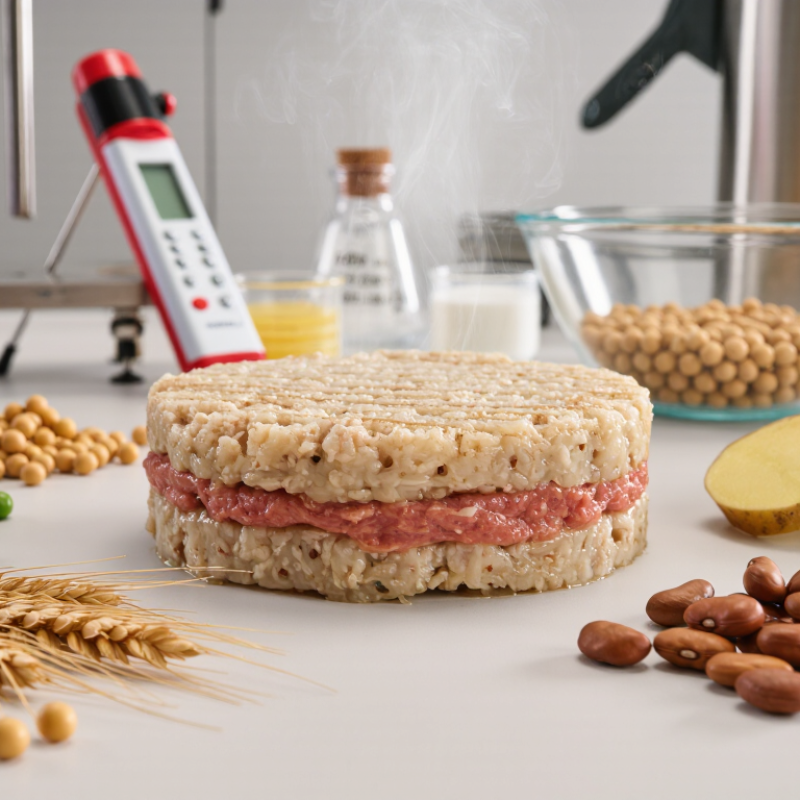
2026 Protein Sources: Soy, Pea, Wheat, and Mycoprotein
In 2026, plant proteins are becoming more specialized in meat alternatives. Soy remains valuable because it offers complete protein and a firm, familiar bite. Pea protein supports neutral flavors and smoother emulsions. Wheat protein, especially gluten, creates stretch and chew. Mycoprotein is different. It comes from fermented fungi, not plants, yet it delivers a fibrous texture. The Good Food Institute’s 2024 State of the Industry report recorded more than US$1 billion in alternative-protein investment during 2023. That funding is pushing better extrusion, fermentation, and nutrition testing. Still, texture exposes weak formulas quickly.
Protein choice also affects processing and labeling. Soy usually performs well in emulsified products, but some consumers avoid it because of allergies or taste expectations. Pea can taste earthy without careful flavor design. Wheat gives impressive chew, but it is unsuitable for gluten-free diets. Mycoprotein can reduce the need for heavy texturizing, although its production needs strict process control. Innova Market Insights reported strong global interest in protein diversification in its 2024 food-trend analysis. Consumer interest, however, does not guarantee repeat purchases. Price, cooking behavior, and protein density still decide the plate.
Tips: Check protein per serving, sodium, and the first three ingredients. Compare texture after pan-heating, not directly from the package. Use soy for structure, pea for softness, wheat for chew, and mycoprotein for fibrous detail. These are useful patterns, not fixed rules. Formulators should keep testing, because today’s “best” blend may taste ordinary tomorrow.
How Are Plant Proteins Used in Meat Alternatives in 2026? – 2026 Protein Sources: Soy, Pea, Wheat, and Mycoprotein
| Protein source | Typical protein level in concentrated ingredient | Amino-acid profile | Main functionality in meat alternatives | Common product formats | Key formulation considerations | Allergen and dietary notes |
|---|---|---|---|---|---|---|
| Soy protein | Approximately 80–90% protein on a dry basis for isolates; concentrates are generally lower. | A relatively complete essential amino-acid profile. Methionine is usually the main limiting amino acid compared with many animal proteins. | Provides emulsification, water binding, gel formation, and a firm bite. It can form layered or fibrous structures through extrusion. | Burger patties, sausages, mince, nuggets, textured pieces, and high-protein ready meals. | Can develop beany notes if not processed or flavored effectively. Hydration, heat, shear, and extrusion conditions strongly affect texture. | Soy is a major regulated food allergen in many markets. Suitable for vegetarian and vegan formulations when all other ingredients meet those requirements. |
| Pea protein | Approximately 75–85% protein on a dry basis for isolates; pea flour and concentrates contain less. | Rich in lysine but relatively low in sulfur-containing amino acids, especially methionine and cysteine. Often blended with other proteins for balance. | Supports water binding, viscosity, emulsification, and dense, meat-like structures. Frequently used to increase protein content without soy. | Burgers, meatballs, nuggets, sausages, formed seafood alternatives, and protein-fortified foods. | May produce earthy, bitter, or grassy notes. Particle size, deodorization, flavor masking, and blending can improve sensory performance. | Pea is not among the major allergens in every jurisdiction, but sensitization is possible. Cross-contact controls remain important. |
| Wheat protein | Approximately 75–85% protein on a dry basis for vital wheat gluten. | Gluten proteins provide strong structure but are relatively low in lysine, making wheat protein less nutritionally complete when used alone. | Creates elastic, fibrous, and chewy textures. It is especially effective in products designed to imitate whole-muscle meat. | Seitan-style products, sliced alternatives, strips, roasts, sausages, and blended meat-free fillings. | Hydration and kneading determine chewiness and fiber formation. Excessive processing can create a rubbery texture. | Contains gluten and is unsuitable for people with coeliac disease or wheat allergy. It is not appropriate for gluten-free formulations. |
| Mycoprotein | Typically about 40–50% protein on a dry-matter basis, depending on the production process and final formulation. | Provides a favorable essential amino-acid pattern and is generally regarded as a high-quality protein source, although nutritional values vary by product. | Naturally forms a meat-like, fibrous matrix from fungal biomass, reducing the need for extensive texturization. | Chunks, fillets, mince, patties, nuggets, and prepared meal components. | Requires controlled fermentation and downstream processing. Moisture management, flavor absorption, and heat stability are important during formulation. | Mycoprotein is fungal rather than botanically plant-derived. Allergy-like reactions are uncommon but possible, and labeling requirements vary by market. |
FAQS
U.S. soybean production was estimated near 4.4 billion bushels. This is a forecast, not a guarantee.
Processors crush soybeans into oil and meal. The meal can become soy flour, concentrate, isolate, or textured protein.
It helps bind water, improve bite, and carry seasonings. It also provides all essential amino acids in suitable portions.
No. Storage, harvest timing, crushing capacity, and food-grade processing affect supply. Feed demand may also compete for soybean meal.
Pea, soy, wheat, and fava proteins are common options. Each reacts differently to heat, pressure, and moisture.
Fats carry aroma and soften the bite. Evenly spread droplets can imitate marbling, like small pale spots inside a patty.
Too much oil may leak during cooking. Too little can create a dry, rubbery texture. Neither result is ideal.
Binders reduce crumbling and improve moisture retention. Starches, fibers, plant gums, and methylcellulose can change the final bite.
Industrial heating and mixing may change moisture and texture. A kitchen sample can seem juicy, then become dry after processing.
They should test protein levels, moisture, texture, and cooking behavior routinely. Ingredient batches can vary. I may be oversimplifying, but small changes matter.
Conclusion
Plant proteins are reshaping meat alternatives through a combination of ingredient selection, processing, and formulation science. In 2026, soy, pea, wheat, and mycoprotein serve as major protein sources, each offering different levels of texture, nutrition, flavor, and functionality. Soy remains especially important because USDA 2024/25 soybean production supports a substantial and reliable supply of protein ingredients, including concentrates and isolates. The key question, how are vegetal proteins used in meat alternatives, is answered through technologies such as extrusion, which transforms protein isolates into structured fibers at moisture levels of approximately 40–70%.
Formulators combine these proteins with plant-based fats, binders, water, seasonings, and functional ingredients to improve juiciness, binding, and bite. This approach supports a broad product range, including burgers, nuggets, minced products, seafood-style foods, and dairy alternatives. With the U.S. market valued at around $1.2 billion according to the outline, continued advances in protein functionality and processing are helping create more versatile, appealing, and scalable alternatives.
