How Are Plant Based Proteins Made for Global Buyers?
The demand for plant-based proteins is rising globally. Consumers are eager to learn how these proteins are made. Many buyers ask, "how are vegetal proteins produced?" Understanding this process can help them make informed choices.
Vegetal proteins come from multiple sources. These include legumes, grains, nuts, and seeds. The production often starts with sourcing high-quality ingredients. Following that, methods such as extrusion, fermentation, and isolation are used. Each method impacts the texture and nutrient content.
It’s crucial for producers to maintain quality throughout this process. However, challenges exist. Not all methods are sustainable or efficient. There is also a constant need for innovation. Buyers value transparency and must trust the brands they choose. With more awareness, consumers can better navigate the options available in the market.
Overview of Plant-Based Proteins: Definition and Importance
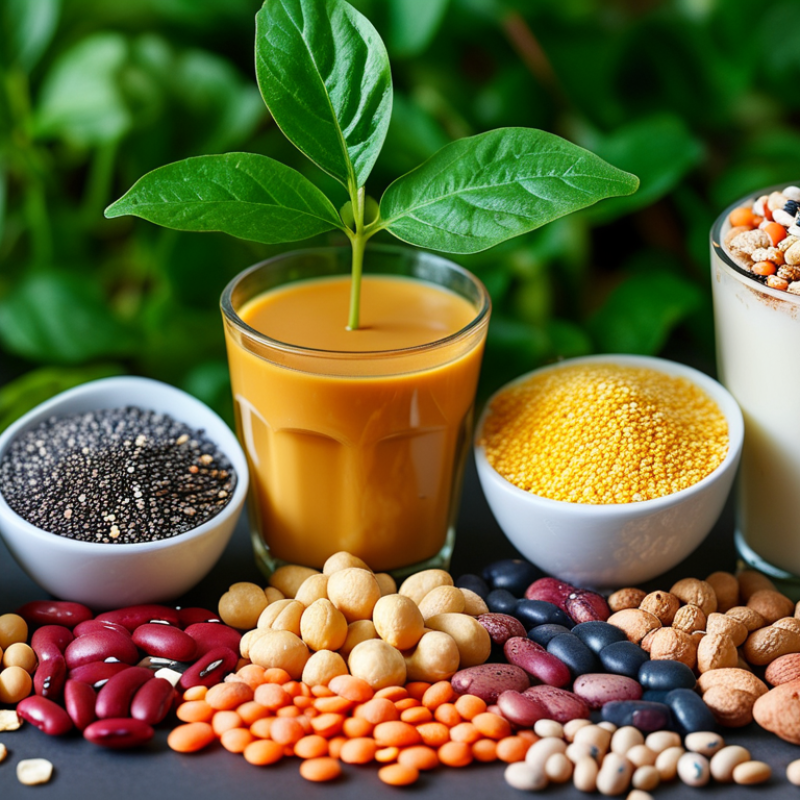
Plant-based proteins serve as a vital alternative to traditional animal-based sources. These proteins are derived from plants such as legumes, nuts, seeds, and grains. They are rich in nutrients and can support a healthy diet. Many consumers are turning to these options for various reasons, including health benefits, sustainability, and ethical considerations.
The importance of plant-based proteins extends beyond nutrition. They contribute to environmental conservation by reducing greenhouse gas emissions. Plant-based diets require less water and land compared to meat production. However, the transition to such proteins is not without challenges. Some individuals may struggle with protein quality and amino acid profiles. It is crucial to ensure diverse food sources to meet nutritional needs effectively.
Understanding the production of these proteins is essential for global buyers. The manufacturing process often involves extracting and isolating proteins from raw plant materials. The methods used can vary, impacting the final product's texture and flavor. Buyers should become familiar with these methods to make informed decisions. This knowledge can enhance their ability to incorporate plant-based proteins into their diets in nutritious and delicious ways.
FAQS
: Plant-based proteins come from sources like legumes, nuts, seeds, and grains. They are nutritious alternatives to animal proteins.
Consumers opt for plant-based proteins for health benefits, sustainability, and ethical considerations. They are becoming more popular.
These diets reduce greenhouse gas emissions and require less water and land than meat production. They help conserve the environment.
Protein quality and amino acid profiles can be concerns. Individuals must ensure they eat a variety of protein sources.
Common methods include mechanical extraction, solvent extraction, and enzymatic hydrolysis. Each has pros and cons regarding yield and safety.
Farmers are adapting to grow new crops like legumes and quinoa. However, not all regions can cultivate these effectively.
Efficient transport methods are crucial for getting plant-based proteins to market. Challenges in logistics can impact product availability.
Some extraction methods can alter the flavor profile. This can affect the overall appeal of plant-based protein products.
Continuous research helps improve extraction methods and ensures products meet global demand. Industry experts stress its necessity.
Price changes can impact affordability, making it harder for people to choose plant-based proteins consistently. This creates challenges to address.
Conclusion
The article "How Are Plant Based Proteins Made for Global Buyers?" delves into the essential aspects of plant-based proteins, highlighting their significance in addressing nutritional needs and environmental concerns. It outlines various sources of plant-based proteins, including legumes, grains, and nuts, which serve as common ingredients in production. Furthermore, the article explains the extraction and processing techniques employed to convert these raw materials into high-quality proteins, as well as the importance of quality control and nutritional evaluation in ensuring their efficacy.
In discussing global trends, the article emphasizes how demand for plant-based proteins is growing rapidly, reflecting a shift in consumer preferences towards healthier and sustainable food options. It sheds light on how are vegetal proteins produced by outlining the steps involved in their manufacturing processes, contributing to an understanding of the dynamics within the supply chain that supports this expanding market.
