Plant proteins are not all stored in the same way. Dry soybeans, lentils, pea-protein powder, tofu, and packaged meat alternatives respond differently to moisture, heat, and air. In China, warm seasons, humid kitchens, and long delivery routes can make storage choices especially important. A pantry shelf beside a steaming rice cooker may be less suitable than a cool, dry cupboard.
This guide explains how to store vegetal proteins properly, from choosing sealed containers to checking package dates and storage instructions. It distinguishes shelf-stable products from refrigerated and frozen foods, because an unopened bag of dried beans needs different care from fresh tofu. After opening, powders and legumes should be protected from damp air and kitchen spills. Clean, dry scoops help prevent clumps and contamination. Keep refrigerated products cold, and return them promptly after serving. Small details matter.
Labels are a useful starting point, but they do not replace common sense. A swollen package, damaged seal, unusual odor, or visible moisture deserves attention. Follow the manufacturer’s instructions, especially when a product must be refrigerated after opening. Not every household has ideal storage conditions. That is worth acknowledging. Simple habits—using airtight containers, rotating older supplies forward, and keeping a small pantry inventory—can reduce waste and make everyday meals easier. The goal is practical, safe storage that fits real kitchens, not a perfect routine.
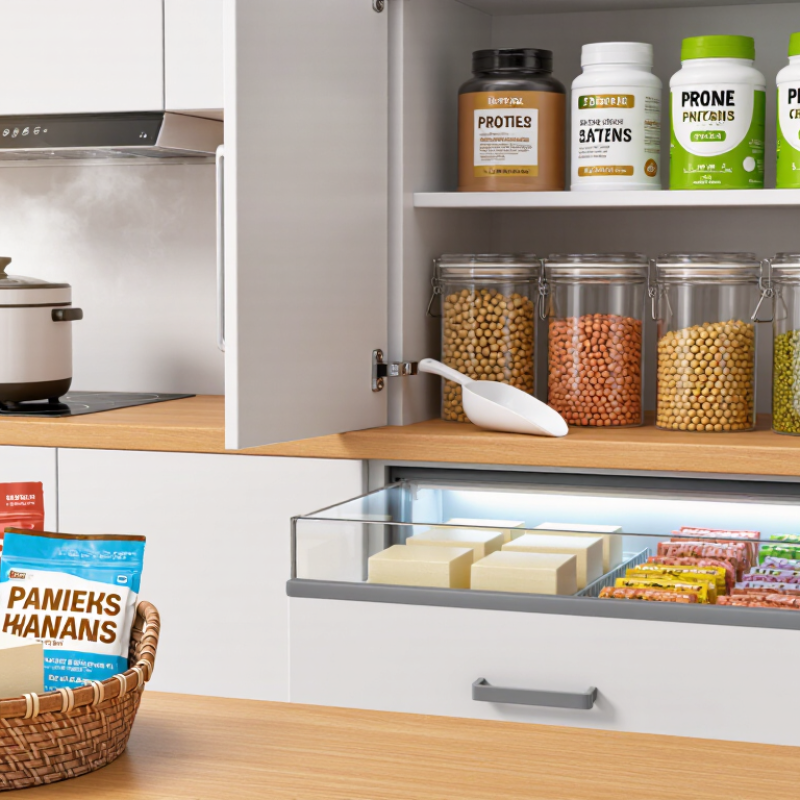
How to Store Plant Proteins Properly: China Best Guide
Identify Plant Protein Types and Their Storage Needs
Plant proteins need different storage conditions. Dried beans, lentils, and peas keep best in airtight containers in a cool, dry cupboard. USDA FoodKeeper guidance lists dried beans at about one to two years in the pantry for best quality. Whole-grain foods and plant-protein powders also need protection from heat, moisture, and strong odors. Close powder pouches tightly after each use. A damp scoop can introduce moisture, even when the cupboard looks dry.
Fresh tofu and tempeh belong in the refrigerator, with package instructions taking priority. Keep them sealed, and use clean utensils when serving. For cooked beans or lentils, USDA guidance recommends using most leftovers within three to four days under refrigeration. That is a practical benchmark, not a guarantee for every product. I find the powder shelf easy to overlook; a warm spot near the stove may shorten quality, even if the container stays closed.
Tips: Label opened packages with the date. Store dry proteins away from sinks and sunlight. Check for unusual odors, clumping, or damaged packaging, and discard products that seem spoiled. Don’t rely on smell alone. Follow the package date and storage directions when they differ from general advice.
When buying plant protein, inspect the package before checking the date. Look for torn seams, punctures, damp spots, or a lid that does not close securely. For protein powder, a dry, intact seal helps limit moisture and contamination. For refrigerated products, such as tofu or plant-based drinks, check that the package feels cold and has no swelling or leaks. Different products need different storage, so follow the instructions printed on that specific package.
Read the storage directions and shelf-life information carefully. “Best before” generally relates to expected quality, while a use-by date may signal a more important safety limit; follow the label’s guidance. Once opened, write the opening date on the container with a clean marker. Reseal powder tightly and store it in a cool, dry cupboard, away from steam and sunlight. Refrigerate products that require it, and use them within the stated period. I once relied on memory and forgot when a pouch was opened. A date note is more dependable.
Tips: Check the seal and date before purchase. Keep the label, and use a clean, dry scoop. Keep it dry. If packaging is damaged or the product smells unusual, do not taste it; check the manufacturer’s storage guidance.
Keep unopened plant-protein products in their original, tightly sealed packaging. Store them in a cool, dry cupboard, away from sunlight, ovens, radiators, and sinks. Heat and humidity can affect product quality, while damp storage may damage packaging. Keep tubs upright and bags away from sharp objects. Keep it dry. A garage may seem convenient, but temperature swings make it a less reliable choice.
Check the seal and printed date when the product arrives, then place older packages where you can see them. USDA Economic Research Service estimates that 30–40% of the U.S. food supply is lost or wasted; this broad estimate is not specific to protein powders, but careful stock rotation can help prevent needless disposal. Follow the storage directions on the package, since ingredients and packaging differ. A date alone cannot tell you whether a seal is intact. If a package is torn, damp, swollen, or pest-damaged, contact the seller or manufacturer rather than assuming the contents are fine. One detail is easy to overlook: even a clean-looking cupboard can be humid near a kettle or sink.
Storage instructions and the printed date on the package always take priority. Shelf life is not universal: it depends on the product formulation, processing method, packaging, and storage conditions.
| Unopened Product Type | Storage Before Opening | Temperature Guidance | Humidity and Light Protection | Shelf-Life Check | Extra Safety Check |
|---|---|---|---|---|---|
| Plant-protein powder in a sealed pouch or tub | Keep in its original, unopened packaging in a clean, dry cupboard or pantry. | Store in a cool place and follow the temperature range printed on the label. Keep away from ovens, radiators, and other heat sources. | Protect from steam, moisture, and direct sunlight. In humid weather, avoid storage near sinks, cookers, or open windows. | Check the best-before or expiration date on the package. Do not assume all powders have the same shelf life. | Do not use a package with a broken seal, puncture, unusual swelling, or signs of water damage. |
| Plant-protein powder in a foil-lined or vacuum-sealed pack | Leave the pack sealed until use; do not transfer unopened product to another container. | Keep within the labeled storage range and avoid locations with large temperature swings. | Store away from damp floors and walls. In humid regions or rainy seasons, use a dry indoor cupboard rather than a balcony or garage. | Use the date printed by the manufacturer and follow any specific storage instructions on the pack. | Check that the vacuum or inner seal appears intact and that the outer pack is not torn or damp. |
| Shelf-stable plant-protein drink in an aseptic carton | Store unopened cartons in a clean cupboard; refrigeration is generally unnecessary unless the label says otherwise. | Follow the labeled storage temperature. Avoid prolonged exposure to high heat, such as in a hot car or sunlit window. | Keep cartons dry and out of direct sunlight. Store them where they will not be crushed or punctured. | Check the printed date and confirm the carton is identified as shelf-stable before storing at room temperature. | Discard a carton that is leaking, swollen, badly dented near a seam, or has a damaged closure. |
| Plant-protein drink sold refrigerated | Keep unopened in the refrigerator; do not leave it at room temperature simply because it is sealed. | Maintain the refrigerator temperature specified on the label. A refrigerator thermometer can help verify that it is staying cold. | Keep the product in a clean refrigerator area, away from raw foods and possible leaks or spills. | Observe the printed use-by date and any “keep refrigerated” instruction. | If the cold chain may have been interrupted for an extended period, follow the product label or contact the seller or manufacturer for guidance. |
| Plant-protein bars or snack products | Keep sealed in the original wrapper and store in a dry cupboard. | Follow the label; avoid hot storage locations, since heat can affect texture and product quality. | Protect from humidity and direct sun, especially during hot, rainy, or humid seasons. | Check the individual wrapper or outer box for the applicable date. | Do not eat bars with damaged wrappers, visible contamination, or an unusual smell after opening. |
| Plant-protein products with a “refrigerate before opening” instruction | Keep refrigerated even while unopened, as directed on the package. | Use the temperature range stated on the label and avoid storing in the refrigerator door if the temperature there fluctuates. | Keep the package dry and protected from food spills. | Follow the printed date and any storage instructions specific to the product. | Do not rely on appearance alone if the product has been stored outside its stated conditions. |
Once a plant-protein pouch is opened, heat, moisture, and air become the main storage concerns. In China’s humid months, a cupboard near a kettle or sunny window may expose powder to warm, damp conditions. Choose a cool, dry place away from the stove, sink, and direct sunlight. Keep the pouch sealed between uses. Small habit, real difference.
Use a clean, completely dry scoop, and avoid reaching into the pouch with wet hands. If the original packaging will not close securely, move the powder to a clean, airtight container and keep its label or product details nearby. Open the container only long enough to measure a serving, then close it firmly. Refrigeration is usually unnecessary unless the package instructions recommend it; temperature changes can introduce condensation. Check the label for storage guidance and use-by dates. Smell can help, but it is not a perfect freshness test—also notice unusual clumping, discoloration, or damaged packaging. One detail is easy to miss: a damp scoop can undo careful storage.
Keep opened plant protein powder tightly sealed in a cool, dry place. General dry-food guidance is 10–21°C (50–70°F); follow the product label if it gives different instructions.
Use a clean, dry scoop, close the package after each use, and keep it away from heat, moisture, and air.
China’s climate makes plant-protein storage a seasonal task. Southern summers bring heat and humidity, while northern winters can be very dry indoors. FAO’s 2019 State of Food and Agriculture report estimated that 14% of food is lost between harvest and retail worldwide. That figure is not specific to plant proteins, but it shows why careful handling matters. Keep dried beans, lentils, and protein powders in tightly sealed containers, away from sunlight, sinks, and cooking steam. Keep it dry.
In humid months, buy smaller packs and close each pouch immediately after use. Check for clumping, dampness, insects, or a musty smell; discard food that shows spoilage. In cold weather, avoid opening a chilled container as soon as it enters a warm, humid room. Let it reach room temperature while still sealed to reduce condensation. For powders containing more natural oils, such as soy or seed proteins, smaller containers can limit repeated exposure to air. Small packs help. Follow the package’s storage directions, and write the opening date on the container. I would not rely on a “cool pantry” alone: kitchens near ovens can become warm even when the room feels comfortable.
Inspect the seal, seams, and package surface. Avoid torn, punctured, damp, swollen, or leaking packaging.
Read the product label carefully. “Best before” usually concerns quality, while a use-by date may indicate a more important safety limit.
Keep it sealed in a cool, dry cupboard, away from sunlight, steam, the stove, and the sink. Keep it dry.
No. Use a clean, completely dry scoop, and keep wet hands away from the powder. A little moisture can cause trouble.
Usually not, unless the package recommends refrigeration. Temperature changes may cause condensation inside the container.
Transfer the powder to a clean, airtight container. Keep its label or product details nearby, so you can still follow storage guidance.
Write the opening date on the container with a clean marker. I once trusted my memory and forgot; a date note is more dependable.
Notice unusual clumping, discoloration, damaged packaging, or an unusual smell. Smell alone is not a reliable freshness test; do not taste a questionable product.
This guide explains how to store vegetal proteins properly by first identifying the product type, such as powders, concentrates, or ready-to-eat foods, since each may have different storage requirements. Check the packaging for handling instructions, ingredient details, and the best-before date. Keep unopened products in a clean, dry place away from direct sunlight and strong temperature changes, and follow any refrigeration instructions on the label.
After opening, protect the product from heat, moisture, and air. Seal the package tightly or transfer its contents to a clean, airtight container, and always use a dry utensil to prevent moisture from getting inside. In China, storage conditions may need extra attention during humid summers, rainy periods, or hot weather. Choose a cool, well-ventilated cupboard, avoid damp areas, and consider refrigeration only when the product’s instructions recommend it. Regularly check for changes in smell, color, texture, or packaging condition, and use the product within the stated shelf life.
